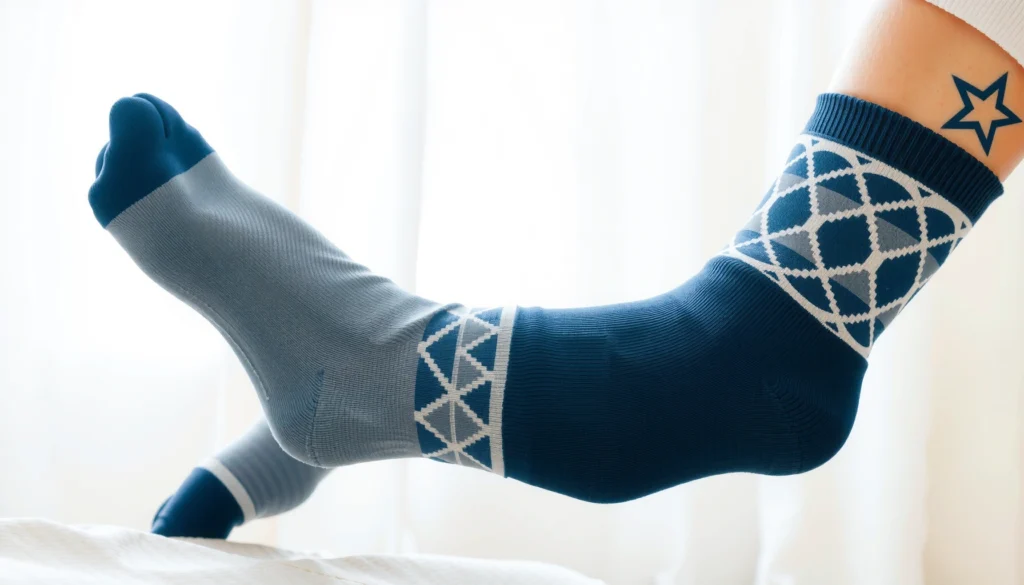

The best socks for diabetes are specifically engineered with seamless designs, non-binding tops, and advanced moisture-wicking materials to provide crucial protection, maintain healthy circulation, and prevent common foot complications in individuals managing this condition. For those with diabetes, choosing the right socks is a critical component of daily foot care, directly impacting foot health and preventing complications by offering comfort, safeguarding sensitive skin, and keeping feet dry, thereby mitigating the risk of ulcers and infections. Understanding these unique features is essential to making an informed choice for comprehensive well-being.



Understanding Diabetic Socks: Why They Matter
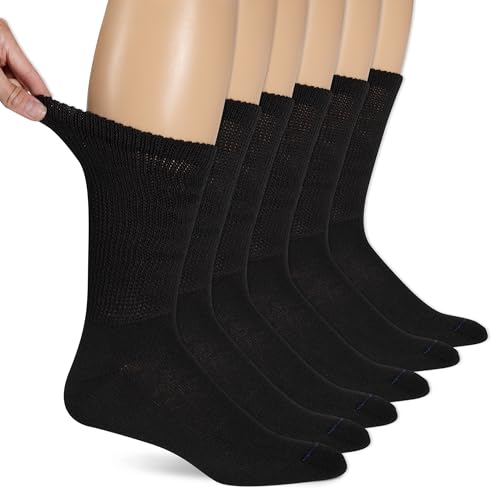
Diabetic socks are not merely a comfort item; they are a vital prophylactic tool in the daily management of diabetes, designed to address the specific vulnerabilities of diabetic feet. Their specialized construction is a direct response to the heightened risk of various foot complications associated with the disease.
* Protect Sensitive Feet: One of the most prevalent and serious complications of diabetes is peripheral neuropathy, which can lead to reduced sensation in the feet. This diminished ability to feel pain, pressure, or temperature means that minor injuries—such as blisters from friction or cuts from ill-fitting shoes—can go unnoticed, fester, and rapidly escalate into severe infections. Diabetic socks are engineered with extra padding and a design that minimizes friction, acting as a crucial barrier against these insidious injuries. The protective layer they provide helps absorb impact, distribute pressure evenly, and prevent the repetitive rubbing that often leads to skin breakdown, thus safeguarding delicate skin from trauma that could otherwise lead to dangerous ulcers.
* Improve Circulation: Individuals with diabetes often experience compromised peripheral circulation, meaning blood flow to the extremities, particularly the feet, can be significantly reduced. This poor circulation impairs the body’s ability to heal and fight off infection, making even minor wounds perilous. Traditional socks with tight elastic bands around the ankle or calf can further constrict blood vessels, exacerbating circulatory issues. Diabetic socks are specifically designed with non-binding tops that feature a relaxed, loose knit. This design ensures that blood flow is never impeded, allowing for optimal oxygen and nutrient delivery to the foot tissues, which is essential for maintaining skin integrity and supporting the body’s natural healing processes.
* Prevent Complications: The specialized features of diabetic socks work synergistically to significantly lower the risk of developing serious foot complications. By effectively managing moisture through advanced wicking properties, they create an environment that inhibits the proliferation of fungi and bacteria, which thrive in damp conditions and are a common precursor to infections. Furthermore, their seamless construction and targeted cushioning eliminate pressure points and reduce shear forces, which are primary contributors to the formation of ulcers—open sores that are notoriously difficult to heal in diabetic individuals and can lead to amputations if left unchecked. By addressing these critical factors, diabetic socks serve as an indispensable component of a proactive foot care regimen, helping to maintain overall foot health and prevent potentially life-altering conditions.
Key Features of High-Quality Diabetic Socks
Distinguishing truly beneficial diabetic socks from standard hosiery involves recognizing several critical design elements that prioritize protection, comfort, and foot health. These features are not merely optional extras but fundamental components for effective diabetic foot care.
* Seamless Design: The absence of irritating seams is paramount in diabetic sock construction. Traditional socks often feature a bulky seam across the toe area, which, for individuals with neuropathy, can cause unnoticed friction, rubbing, and pressure points. Over time, this constant irritation can lead to skin breakdown, blisters, or even open sores, which are particularly dangerous for diabetic feet due to impaired healing and heightened infection risk. High-quality diabetic socks utilize advanced knitting techniques to create a genuinely seamless toe or a flat, hand-linked seam that is imperceptible to the touch. This smooth interior vastly reduces the potential for abrasive contact, safeguarding the skin and ensuring maximum comfort, even during prolonged wear.
* Non-Binding Top: As previously highlighted, maintaining unobstructed blood flow to the feet is critical for individuals with diabetes. The non-binding top is a hallmark feature, designed to gently hug the leg without creating any constriction or pressure. Unlike conventional socks that use tight elastic bands to stay up, diabetic socks employ a relaxed-fit, loose-knit construction that allows for unrestricted circulation around the ankle and calf. This is often achieved through specialized yarns with inherent stretch and recovery, or a wider rib-knit pattern that distributes pressure over a larger area. This design prevents the formation of red marks, indentations, or discomfort, which are signs of compromised blood flow, ensuring that vital nutrients and oxygen reach the lower extremities without impedance.
* Moisture-Wicking Materials: Keeping feet dry is essential for preventing the growth of bacteria and fungi, which thrive in moist environments and can lead to infections. High-quality diabetic socks are crafted from advanced moisture-wicking materials that actively draw sweat away from the skin and towards the outer surface of the fabric, where it can evaporate more readily. Common and effective materials include bamboo, known for its natural antimicrobial and highly absorbent properties; merino wool, which offers excellent temperature regulation and wicking capabilities without feeling scratchy; and specialized synthetic blends such as CoolMax or similar polyester-based fibers. These materials not only keep the feet dry but also help regulate temperature, reducing the likelihood of excessive sweating and maintaining a healthy skin barrier against potential pathogens.
* Padding and Cushioning: Diabetic feet are prone to increased pressure on certain areas, particularly the heels and the balls of the feet, due to changes in foot structure or gait often associated with neuropathy. Extra padding and cushioning in these strategic zones provide crucial shock absorption and redistribute pressure, significantly reducing the risk of pressure sores and calluses. This cushioning can be achieved through denser knit constructions or by incorporating specific types of yarns with inherent shock-absorbing qualities. The added layer of protection also enhances overall comfort, making long periods of standing or walking more tolerable and further shielding the delicate skin from external trauma or internal pressure points created by footwear.
Materials That Make a Difference
The choice of material is fundamental to the efficacy and comfort of diabetic socks, playing a critical role in moisture management, breathability, and overall foot protection. Not all fabrics are created equal when it comes to supporting diabetic foot health.
* Breathable Fabrics: For optimal foot health, adequate air circulation is paramount. Breathable fabrics allow heat and moisture to escape, preventing the warm, damp conditions that favor bacterial and fungal growth. Materials like bamboo rayon are highly prized for their exceptional breathability and natural antimicrobial properties, keeping feet cool and fresh. Merino wool is another excellent choice; despite its insulating properties, its fine fibers regulate temperature effectively, keeping feet cool in warmer conditions and warm in cooler ones, while also possessing natural breathability. While cotton is often perceived as breathable, 100% cotton can absorb and retain moisture, making cotton *blends* (often with synthetics that provide wicking) a more suitable option. The key is to ensure the fabric facilitates air exchange and rapid drying, thereby maintaining a consistently dry and healthy microclimate around the foot.
* Softness and Comfort: Given the increased sensitivity and fragility of diabetic skin, the softness of the sock material is not a luxury but a necessity. Exceptionally soft yarns minimize friction and irritation against delicate skin, preventing the development of blisters, chafing, and other skin abrasions that can rapidly escalate into serious complications. Materials such as bamboo, micro modal, and finely spun merino wool are renowned for their luxurious softness. These fibers glide smoothly against the skin, reducing shear forces that can damage the epidermis. The comfort derived from these soft materials also encourages consistent wear, ensuring that individuals benefit from the protective features of their diabetic socks every day.
* Antimicrobial Properties: Maintaining foot hygiene is critical for individuals with diabetes due to their increased susceptibility to infections. Some materials naturally possess antimicrobial properties, such as bamboo, which contains a bio-agent called “bamboo kun” that helps resist bacterial and fungal growth. Merino wool also has natural antimicrobial characteristics due to its complex chemical structure and ability to manage moisture. Additionally, many high-quality diabetic socks are treated with specific antimicrobial agents during manufacturing. These treatments inhibit the growth of odor-causing bacteria and fungi, providing an extra layer of protection against skin infections and helping to keep feet healthier and fresher throughout the day. This proactive approach to hygiene is an essential component of preventing serious foot complications.
Choosing the Right Fit and Style
Beyond material and structural features, achieving the correct fit and selecting an appropriate style are crucial considerations for maximizing the benefits of diabetic socks and ensuring they effectively support foot health. An ill-fitting sock, regardless of its specialized features, can do more harm than good.
* Proper Sizing is Crucial: The importance of proper sizing cannot be overstated when selecting diabetic socks. Socks that are too tight can constrict blood flow, negating the benefit of non-binding tops, and create excessive pressure points that lead to irritation or skin breakdown. Conversely, socks that are too large will bunch up and wrinkle inside footwear, creating friction points that can cause blisters and sores. A well-fitting diabetic sock should fit snugly around the foot and ankle without feeling tight, and it should lie smoothly against the skin without excess material. Always refer to sizing charts, and if unsure, measure your feet carefully, considering both length and circumference, especially if you have swelling. It’s often beneficial to try on socks towards the end of the day when feet may be slightly swollen to ensure comfort and proper fit throughout all conditions.
* Variety of Lengths: Diabetic socks are available in a range of lengths to accommodate personal preference, different footwear choices, and varying levels of required leg coverage. Ankle-length socks are ideal for casual wear with sneakers or low-cut shoes, offering discreet protection. Crew-length socks, extending to mid-calf, provide more comprehensive coverage and protection for the lower leg, suitable for everyday wear with most shoe types. Knee-high styles offer maximum coverage, often preferred for individuals with more significant circulatory concerns or those who require additional support and warmth. Regardless of length, the core protective features—seamless design, non-binding top, and moisture-wicking materials—remain consistent, allowing individuals to choose a style that best integrates into their lifestyle without compromising foot health.
* Consider Your Activity Level: While all diabetic socks are designed with protection in mind, some models are tailored to specific activity levels. For individuals leading a more active lifestyle, such as regular walking or light exercise, diabetic socks with enhanced cushioning in key impact zones (like the heel and ball of the foot) and reinforced areas for durability can provide superior shock absorption and support. These often incorporate slightly denser knitting or targeted padding. Conversely, for those who prioritize lightweight comfort for less active days or simply prefer a less bulky feel, there are thinner, ultra-soft diabetic socks that still offer all the essential protective features without excessive bulk. Matching the sock’s design to your daily routine ensures optimal comfort and protection, preventing strain and friction during movement.
Beyond Socks: Complementary Foot Care Tips
While selecting the right diabetic socks is a fundamental step in proactive foot care, it is just one component of a holistic approach to maintaining optimal foot health. A comprehensive regimen involves several other crucial practices that work in conjunction with specialized hosiery to prevent complications.
* Daily Foot Inspections: Given the potential for reduced sensation due to neuropathy, a daily self-inspection of your feet is paramount. Routinely check your entire foot, including the tops, bottoms, sides, between the toes, and around the nails, for any cuts, blisters, redness, swelling, unusual warmth, ingrown toenails, or any changes in skin color or texture. Use a mirror if necessary to view the soles of your feet or ask a family member for assistance. Early detection of any issue is vital, as prompt attention can prevent minor problems from escalating into severe infections or ulcers. If you notice anything unusual, contact your healthcare provider or podiatrist immediately.
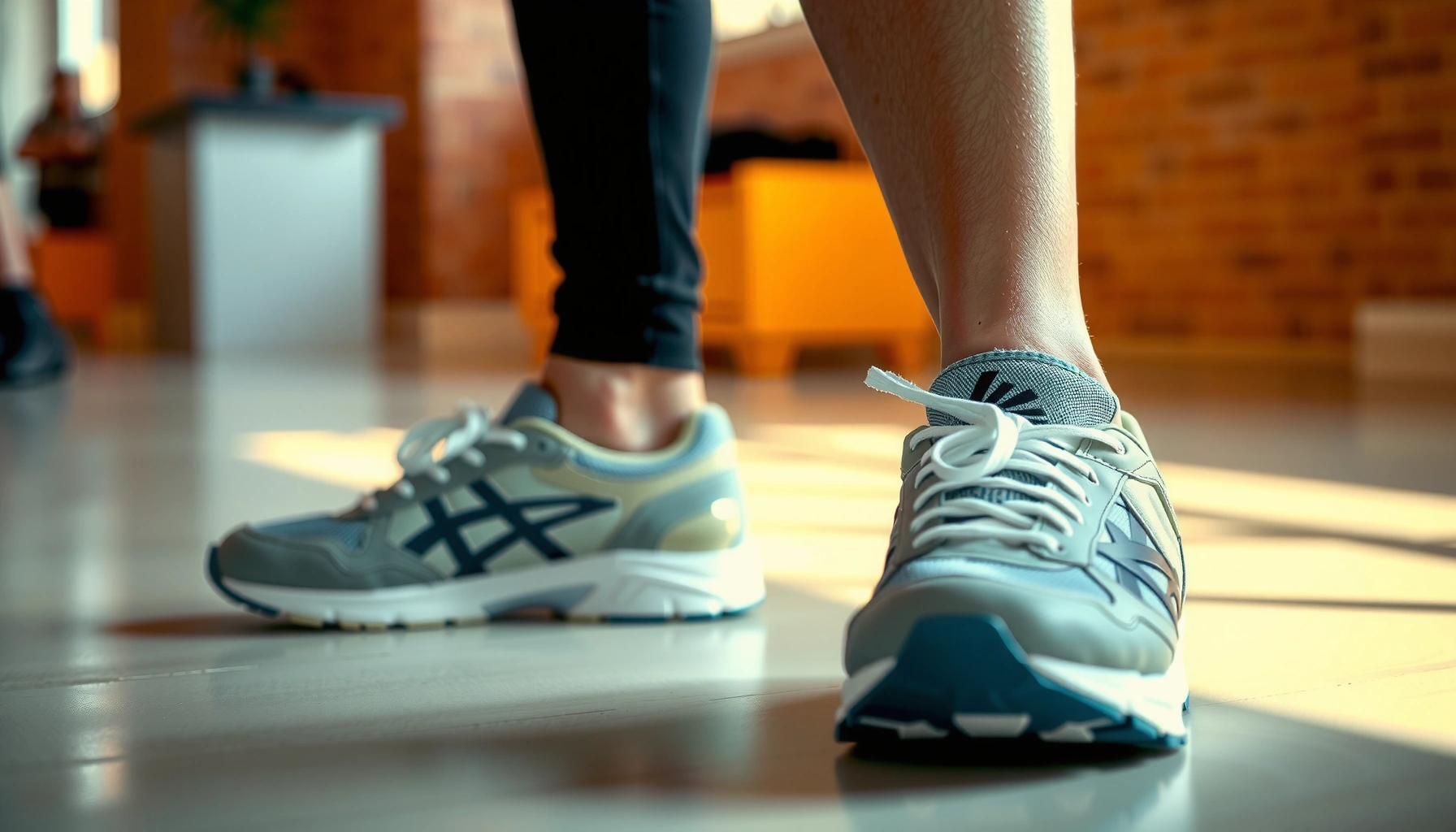
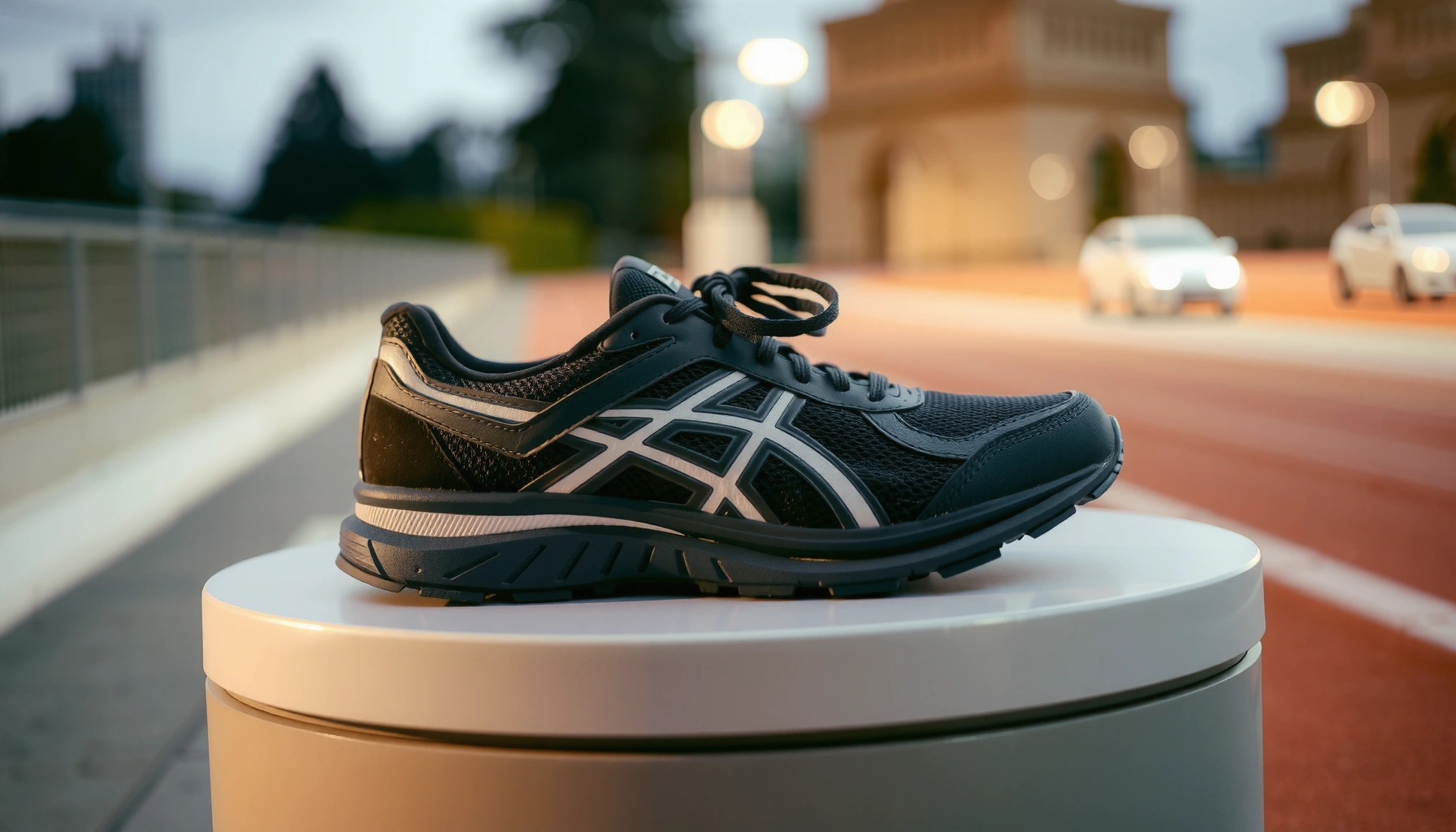
* Proper Footwear: Even the best diabetic socks cannot fully compensate for ill-fitting or inappropriate shoes. Always wear well-fitting, supportive shoes that provide ample room for your toes and do not rub, pinch, or cause pressure points. Opt for closed-toe shoes made from breathable materials like leather or canvas, avoiding high heels, open-toed shoes, and flip-flops, which offer inadequate protection and can increase the risk of injury. Ensure new shoes are broken in gradually and regularly inspect the inside of your shoes for any foreign objects or rough spots before putting them on. Consulting with a podiatrist for footwear recommendations, especially for custom orthotics or specialized diabetic shoes, can be highly beneficial.
* Regular Professional Check-ups: Consistent professional oversight is an indispensable part of diabetic foot care. Schedule routine visits with your doctor or a podiatrist for thorough foot examinations. These specialists can identify subtle changes or potential issues that might go unnoticed during self-inspections. They can also provide professional nail care, address calluses safely, assess nerve sensation and circulation, and offer personalized advice on maintaining optimal foot health. Early intervention by a professional can significantly reduce the risk of developing severe complications and help manage any existing foot conditions effectively, ensuring you receive expert guidance tailored to your specific needs.
Selecting the right diabetic socks is a fundamental step in proactive foot care, offering essential protection and comfort to help manage your condition effectively. By prioritizing features like seamless design, non-binding tops, and moisture-wicking materials, you can significantly reduce the risk of foot complications. Don’t overlook this crucial aspect of your health regimen; invest in quality diabetic socks and consistently practice good foot hygiene to support your overall well-being. Coupled with daily foot inspections, proper footwear, and regular professional check-ups, specialized socks form a robust defense against potential issues. Consult with your healthcare provider or a podiatrist for personalized recommendations tailored to your specific needs, ensuring your foot care strategy is comprehensive and effective.
Frequently Asked Questions
What are diabetic socks and why are they important for foot health?
Diabetic socks are specially designed hosiery intended to protect the feet of individuals with diabetes, who are prone to various foot complications due to poor circulation and nerve damage (neuropathy). They are crucial because they help prevent injuries, improve blood flow, and manage moisture, significantly reducing the risk of ulcers, infections, and even amputation. Prioritizing specialized diabetic socks is a key component of proactive foot care for managing diabetes effectively.
What specific features should I look for when choosing the best socks for diabetes?
When selecting the best socks for diabetes, prioritize features like a non-binding top that won’t constrict circulation, seamless construction to prevent rubbing and blisters, and ample padding in the heel and ball of the foot for cushioning. Additionally, look for moisture-wicking materials to keep feet dry, and light colors which can help easily identify any discharge or injury. These specific design elements are vital for protecting sensitive diabetic feet.
How do diabetic socks help prevent common foot problems like ulcers and neuropathy?
Diabetic socks play a crucial role in preventing foot problems by promoting healthy circulation and protecting sensitive skin. Their non-constricting design ensures uninterrupted blood flow, which is vital for preventing the tissue damage that can lead to ulcers, especially in individuals with peripheral neuropathy. By minimizing friction, wicking away moisture, and providing cushioning, these specialized socks create an optimal environment that significantly reduces the risk of skin breakdown and infection, ultimately safeguarding against severe complications.
Which materials are recommended for diabetic socks to ensure comfort and dryness?
For optimal comfort and dryness in diabetic socks, look for materials known for their moisture-wicking and breathable properties. Natural fibers like bamboo, merino wool, or blends containing acrylic are highly recommended because they effectively draw moisture away from the skin, preventing fungal growth and irritation. These materials also tend to be soft and non-irritating, ensuring a comfortable fit without compromising foot health.
Can I wear regular socks if I have diabetes, or are diabetic socks always necessary?
While you *can* technically wear regular socks with diabetes, it is generally *not* recommended and can pose significant risks, making diabetic socks almost always necessary for optimal foot health. Regular socks often have tight elastic bands that can restrict blood flow, contribute to nerve damage, and cause irritation, exacerbating existing diabetic foot complications. Opting for properly designed diabetic socks is a small but critical step in preventing serious foot problems like ulcers and infections associated with diabetes.
References
- https://diabetes.org/tools-resources/news/diabetic-socks-should-you-wear-them
- Page Not Found – Site Help – Mayo Clinic
- https://www.cdc.gov/diabetes/managing/foot-care.html
- https://www.niddk.nih.gov/health-information/diabetes/overview/preventing-problems/nerve-damage-diabetic-neuropathy
- https://www.nhs.uk/conditions/diabetes/foot-care/
- https://www.uwmedicine.org/patient-care/our-services/diabetes/diabetic-foot-care
- https://www.diabeteseducator.org/living-with-diabetes/diabetes-care-products/diabetic-socks




Pingback: Best Endocrinology Diabetes and Metabolism Doctors in Atlanta - Best For Diabetics
Pingback: Best Diabetic Specialist Near Me: How to Choose the Right One - Best For Diabetics
Pingback: Best Steel Toe Boots for Diabetics: Top Picks for Comfort and Safety - Best For Diabetics