
For diabetics, the best foods are those that help manage blood sugar levels, support heart health, and provide essential nutrients without causing spikes. This primarily includes whole, unprocessed foods rich in fiber, lean protein, and healthy fats, while being low in refined carbohydrates and added sugars. Focusing on these food groups can significantly improve glucose control and overall well-being.




The Foundation: Non-Starchy Vegetables & High-Fiber Carbohydrates
Optimizing your diet for diabetes management begins with a strong foundation of foods that offer maximum nutritional value with minimal impact on blood glucose. Non-starchy vegetables and high-fiber carbohydrates are paramount in this strategy.
* Prioritize Non-Starchy Vegetables: These are truly the superstars of a diabetic diet. Vegetables like leafy greens (spinach, kale, collard greens), broccoli, cauliflower, bell peppers, asparagus, green beans, and cucumbers are incredibly low in calories and carbohydrates, yet packed with essential vitamins, minerals, and antioxidants. Their high fiber content is crucial as it aids in slowing down glucose absorption, helping to prevent sharp blood sugar spikes. Incorporating these into every meal—whether steamed, roasted, grilled, or as a base for salads and stir-fries—can significantly increase satiety, support healthy digestion, and contribute to weight management, which is often a key component of diabetes care.
* Choose Whole Grains Wisely: While all carbohydrates impact blood sugar, the type of carbohydrate makes a significant difference. Whole grains, unlike their refined counterparts, retain their bran, germ, and endosperm, which means they are rich in fiber, B vitamins, and minerals. Opting for moderate portions of true whole grains such as rolled oats, quinoa, brown rice, farro, bulgur, and 100% whole-wheat bread can help stabilize blood glucose levels. The fiber in these foods slows down the digestion process, leading to a more gradual rise in blood sugar compared to refined grains, which can cause rapid spikes due due to their quicker breakdown into glucose. Portion control is vital even with whole grains to manage total carbohydrate intake effectively.
* Include Legumes: Beans, lentils, and chickpeas are powerhouse foods that offer a dual benefit for individuals with diabetes. They are exceptional sources of both soluble and insoluble fiber, which contributes to lower cholesterol levels, improved gut health, and effective blood sugar management. Furthermore, legumes provide a substantial amount of plant-based protein, promoting satiety and helping to curb cravings without significantly impacting blood glucose. Regular consumption of diverse legumes—in soups, salads, stews, or as vegetarian main dishes like lentil patties or hummus—can be a cornerstone of a healthy diabetic meal plan, supporting long-term glycemic control and cardiovascular health.
Essential Lean Proteins & Healthy Fats
Balancing your carbohydrate intake with adequate lean proteins and healthy fats is critical for managing blood sugar, promoting satiety, and supporting overall health, particularly cardiovascular well-being, which is often a concern for individuals with diabetes.
* Opt for Lean Protein Sources: Protein plays a vital role in slowing down digestion and minimizing the impact of carbohydrates on blood sugar levels, keeping you feeling full and satisfied. Excellent choices include skinless poultry (chicken and turkey breast), a wide variety of fish (especially fatty fish like salmon, mackerel, and sardines, which are rich in omega-3 fatty acids beneficial for heart health and inflammation reduction), eggs, and plant-based options such as tofu and tempeh. Lean cuts of beef or pork, when consumed in moderation, can also be part of a healthy diet. Prioritizing lean protein sources helps preserve muscle mass, which is metabolically active and important for glucose utilization, without adding excessive saturated fat.
* Embrace Healthy Fats: Not all fats are created equal, and incorporating the right types of fats is crucial for a diabetic-friendly diet. Monounsaturated and polyunsaturated fats contribute significantly to heart health by helping to lower “bad” LDL cholesterol and increase “good” HDL cholesterol, a key consideration for individuals at higher risk of cardiovascular complications. Rich sources include avocados, nuts (almonds, walnuts, pecans), seeds (chia seeds, flaxseeds, pumpkin seeds), and olive oil, particularly extra virgin olive oil. These healthy fats not only support cardiovascular function but also enhance satiety, slowing gastric emptying and preventing rapid blood sugar fluctuations after meals. They are also essential for the absorption of fat-soluble vitamins.
* Portion Control for Fats: While healthy fats are incredibly beneficial, it is important to remember that they are calorie-dense. Even healthy fats can contribute to weight gain if consumed in excessive quantities, which can hinder blood sugar management. Practical portion sizes include about a quarter of an avocado, a small handful (about 1/4 cup) of nuts, or one tablespoon of olive oil. Mindful consumption ensures you reap their health benefits without undermining weight management goals. Integrating fats strategically, such as drizzling olive oil over vegetables or adding a small amount of nuts to your yogurt, can enhance flavor and nutrient absorption while maintaining appropriate calorie intake.
Smart Fruit Choices & Dairy Options
Fruits and dairy can be nutritious components of a diabetic diet, but smart choices and mindful consumption are essential to avoid unnecessary sugar spikes.
* Berries and Low-Glycemic Fruits: Fruits offer essential vitamins, minerals, and antioxidants, but their natural sugar content requires careful consideration. Berries—strawberries, blueberries, raspberries, and blackberries—are particularly excellent choices due to their high fiber content and relatively lower glycemic index compared to many other fruits. Apples, pears, peaches, plums, and citrus fruits (oranges, grapefruits) are also good options when consumed whole. The fiber in these fruits helps to moderate the absorption of fruit sugar (fructose), leading to a gentler rise in blood glucose. These fruits also provide a wealth of antioxidants, supporting overall health and combating oxidative stress often associated with diabetes.
* Avoid Fruit Juices: While whole fruits are beneficial, fruit juices, even those labeled “100% pure,” should be largely avoided. The process of juicing removes the fiber, leaving behind a concentrated source of fruit sugar that can cause rapid and significant spikes in blood sugar. Without the moderating effect of fiber, the body processes the sugars in juice much more quickly than it does from whole fruit. This rapid absorption can challenge the body’s insulin response and contribute to poor glycemic control over time. Opt for whole fruits to benefit from their complete nutritional profile and fiber.
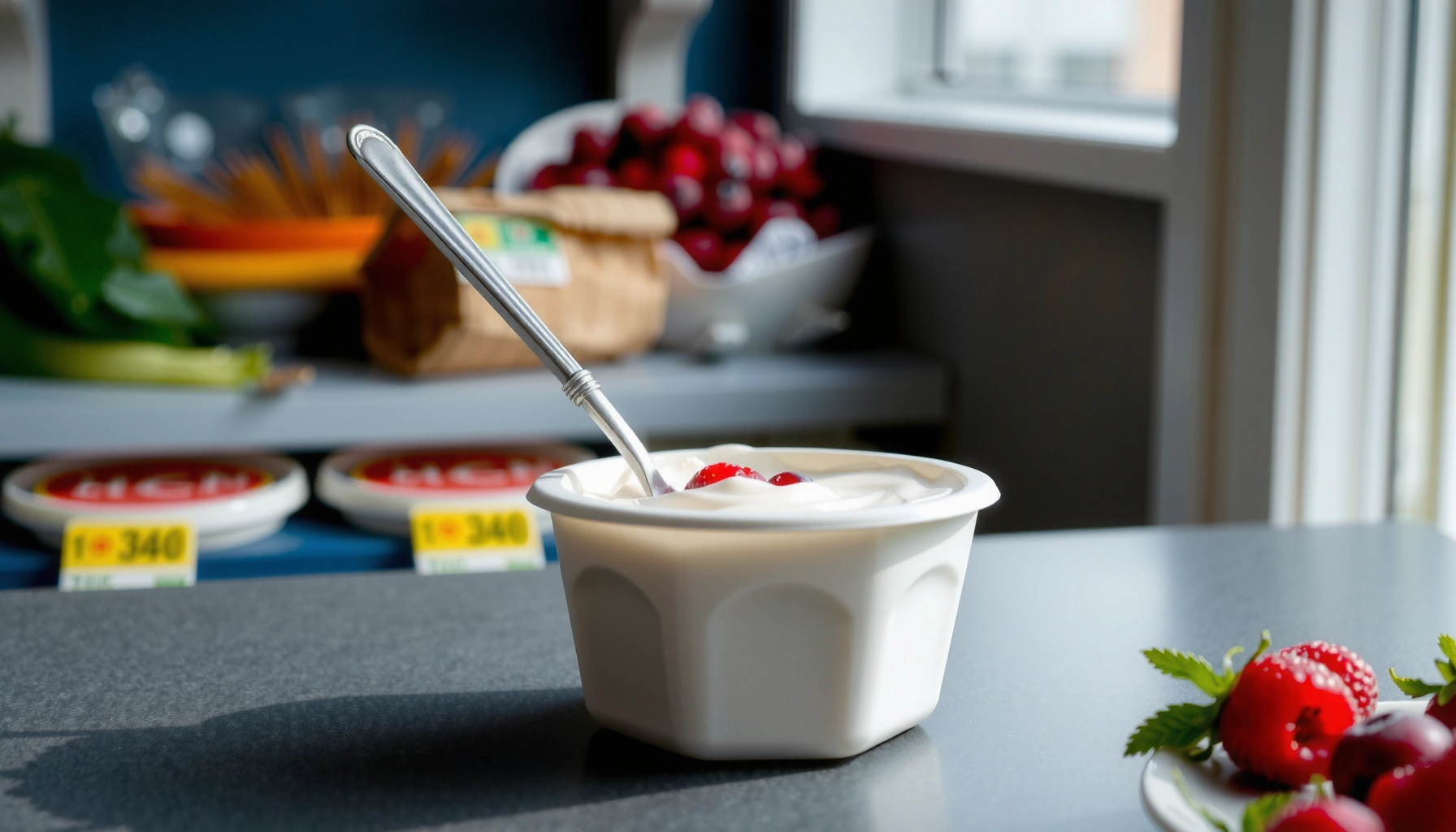
* Unsweetened Dairy and Alternatives: Dairy products can be a good source of calcium and vitamin D, but many commercial dairy items contain significant amounts of added sugars. The key is to choose plain, unsweetened varieties. Opt for plain, unsweetened Greek yogurt (high in protein and probiotics), unsweetened milk, or unsweetened plant-based alternatives like almond milk, soy milk, or oat milk. Always scrutinize nutrition labels to ensure there are no hidden sugars, flavorings, or sweeteners. Greek yogurt, in particular, with its higher protein content, can be a satisfying snack that has a minimal impact on blood sugar, especially when paired with a few berries or a sprinkle of nuts.
Understanding Glycemic Index & Load
For individuals managing diabetes, understanding how different carbohydrate-containing foods affect blood sugar is paramount. The Glycemic Index (GI) and Glycemic Load (GL) are valuable tools in this regard.
* Focus on Low GI Foods: The Glycemic Index (GI) is a ranking system for carbohydrate-containing foods based on how quickly and how much they raise blood sugar levels after consumption. Foods with a high GI are rapidly digested and absorbed, causing a quick and sharp rise in blood glucose, while low GI foods are digested and absorbed more slowly, resulting in a more gradual and sustained rise. Prioritizing low-GI foods, such as most non-starchy vegetables, legumes, whole grains (like oats and barley), and certain fruits (like berries and apples), can significantly aid in managing post-meal glucose spikes. Incorporating low-GI foods into your daily diet helps to provide a steady energy release and prevents the rapid fluctuations that can be detrimental to long-term diabetes control.
* Consider Glycemic Load (GL): While the GI is useful, it doesn’t account for typical serving sizes. This is where Glycemic Load (GL) offers a more complete picture. GL takes into account both the GI of a food and the amount of carbohydrates in a standard serving, providing a more realistic assessment of a food’s impact on blood sugar. A food might have a high GI, but if a typical serving contains very few carbohydrates (like watermelon), its GL can be low. Conversely, a food with a moderate GI but consumed in large quantities can have a high GL. Focusing on low-GL meals helps ensure that both the quality and quantity of carbohydrates are managed effectively, offering more precision in meal planning.
* Balance Your Plate: The practical application of GI and GL principles involves not just choosing individual foods but also balancing your entire plate. You can mitigate the impact of even higher GI foods by pairing them with sources of lean protein, healthy fats, and fiber-rich non-starchy vegetables. For example, having a small portion of a moderate-GI fruit with a handful of nuts (healthy fats and protein) or plain Greek yogurt (protein) will result in a lower overall GL for that snack compared to consuming the fruit alone. This balancing act slows down digestion, moderates glucose absorption, and contributes to greater satiety, leading to better blood sugar control and sustained energy levels.
Foods to Limit or Strictly Avoid
Managing diabetes effectively necessitates not only prioritizing beneficial foods but also strictly limiting or entirely avoiding certain items that can severely disrupt blood sugar control and contribute to complications.
* Eliminate Sugary Drinks & Added Sugars: This is perhaps the most critical dietary modification for individuals with diabetes. Sugary beverages, including sodas, energy drinks, sweetened teas and coffees, sports drinks, and even 100% fruit juices, are significant sources of added sugars. These sugars are rapidly absorbed into the bloodstream, causing immediate and dramatic blood sugar spikes that are challenging for the body to manage. Beyond drinks, hidden added sugars are rampant in many processed foods, desserts, candies, pastries, and even seemingly savory items like sauces and condiments. Regularly consuming these contributes to insulin resistance, weight gain, and poor glycemic control. Carefully reading food labels for ingredients like high-fructose corn syrup, sucrose, dextrose, and maltose is crucial.
* Reduce Refined Grains & Processed Foods: Refined grains, such as white bread, white pasta, white rice (unless wild or brown rice is specified), and many breakfast cereals, have had their fiber-rich bran and germ removed. This refining process strips away essential nutrients and leaves behind carbohydrates that are quickly digested and absorbed, leading to rapid blood sugar increases similar to those caused by added sugars. Processed foods, including packaged snacks, fast food, frozen meals, and many pre-made items, often combine refined grains with unhealthy fats, excessive sodium, and added sugars. These foods offer little nutritional value, contribute to inflammation, and can exacerbate insulin resistance, making diabetes management significantly more difficult while also posing risks to heart health.
* Minimize Unhealthy Fats: While healthy fats are vital, unhealthy fats—specifically trans fats and excessive saturated fats—should be strictly limited or avoided. Trans fats, often found in fried foods, commercially baked goods (doughnuts, cookies, cakes), and some margarines (listed as “partially hydrogenated oil” on labels), significantly raise “bad” LDL cholesterol and lower “good” HDL cholesterol, dramatically increasing the risk of heart disease, a common complication of diabetes. Saturated fats, prevalent in fatty cuts of red meat, processed meats, full-fat dairy products, and certain tropical oils (like coconut and palm oil), should be consumed in moderation as they can also raise LDL cholesterol levels. Prioritizing lean protein sources and plant-based fats helps protect cardiovascular health.
Creating a Diabetic-Friendly Meal Plan
Translating these dietary principles into a sustainable, daily meal plan is key to long-term diabetes management. Structured approaches and consistent habits can significantly improve blood sugar control.
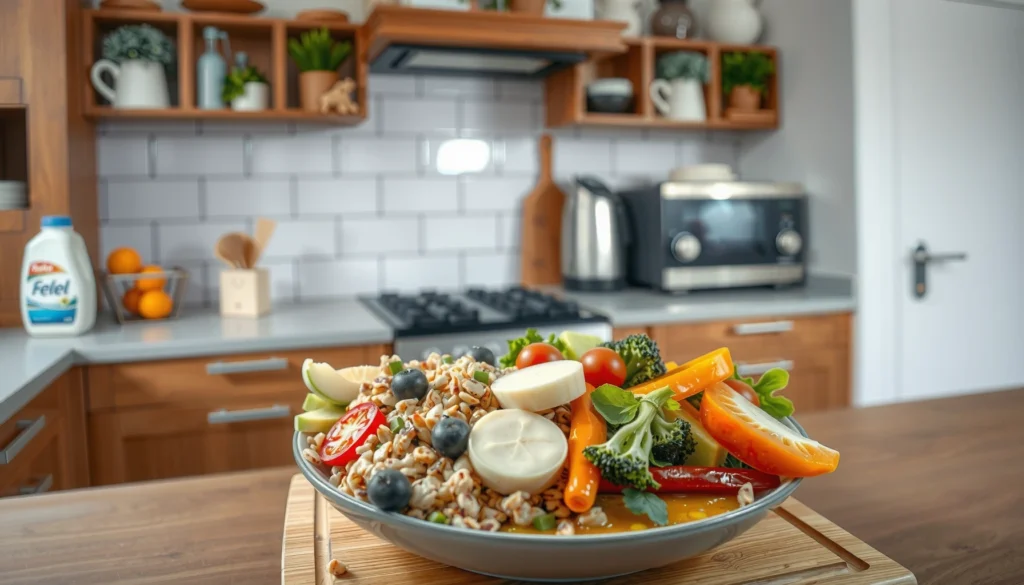
* Adopt the Plate Method: The Plate Method is a simple, visual guide that makes meal planning straightforward and effective. To use it, imagine your plate divided into sections:
* Half (50%) should be filled with non-starchy vegetables (e.g., broccoli, spinach, bell peppers, green beans). These are low in calories and carbohydrates but rich in fiber and nutrients.
* One-quarter (25%) should contain lean protein sources (e.g., grilled chicken, fish, tofu, beans). Protein helps with satiety and has minimal impact on blood sugar.
* One-quarter (25%) should be dedicated to whole grains or starchy vegetables (e.g., brown rice, quinoa, whole-wheat pasta, sweet potato, corn). These provide complex carbohydrates for energy.
This method ensures a balanced meal with appropriate portion sizes, helping to prevent overeating and stabilize blood glucose levels without complex calculations.
* Consistent Meal Times: Eating meals and snacks at regular, predictable intervals throughout the day is crucial for maintaining stable blood sugar levels. Skipping meals or having erratic eating patterns can lead to significant fluctuations in blood glucose, making it harder for the body to manage insulin effectively. Consistent meal times help regulate your body’s insulin response, prevent extreme hunger that can lead to overeating, and support the effective action of any diabetes medications. Aim for three balanced main meals and 1-2 small, planned snacks if needed, ensuring they incorporate fiber, protein, and healthy fats to prolong satiety and blood sugar stability.
* Hydration is Key: Water is the best beverage for individuals with diabetes, hands down. Staying well-hydrated is essential for overall health, and it plays a direct role in blood sugar management by helping the kidneys flush out excess glucose. Furthermore, drinking plenty of water can help you feel full, reducing the temptation to reach for sugary drinks or unnecessary snacks. Make water your primary beverage choice, and avoid all sugary drinks, including regular soda, sweetened tea, and fruit juices. If you desire flavor, opt for unsweetened sparkling water with a squeeze of lemon or lime, or infuse water with fresh fruits and herbs without adding sugar.
Building a diabetic-friendly diet is a powerful step towards managing your condition and improving overall health. By focusing on whole, nutrient-dense foods, you can effectively control blood sugar, support heart health, and maintain energy levels. Remember that individual needs vary, so consulting with a healthcare professional or a registered dietitian can provide personalized guidance tailored to your specific health requirements and dietary preferences.
Frequently Asked Questions
What are the best foods for diabetics to help manage blood sugar effectively?
The best foods for diabetics are nutrient-dense options that have a minimal impact on blood sugar levels while providing essential vitamins and minerals. Prioritize non-starchy vegetables like leafy greens, broccoli, and bell peppers, along with lean proteins such as chicken breast, fish, and tofu. Incorporating whole grains like oats and quinoa in moderation, and healthy fats from avocados, nuts, and olive oil, forms a balanced and effective diabetic diet plan to manage blood sugar effectively.
How can diabetics choose carbohydrate-rich foods wisely to prevent blood sugar spikes?
Diabetics can choose carbohydrate-rich foods wisely by opting for complex carbohydrates high in fiber, such as whole grains, legumes, and certain root vegetables, instead of refined sugars and processed grains. Fiber slows down sugar absorption, helping to prevent sharp blood sugar spikes. Always practice portion control with any carbohydrate, and consider pairing carbs with protein or healthy fats to further stabilize glucose response, which is crucial for blood sugar management.
Why are lean proteins and healthy fats important components of a diabetic meal plan?
Lean proteins and healthy fats are crucial components of a diabetic meal plan because they significantly contribute to satiety, helping to prevent overeating and regulate appetite. Proteins have a minimal impact on blood sugar and are essential for muscle maintenance and repair. Healthy fats, found in avocados, nuts, and olive oil, also slow down carbohydrate digestion, which helps stabilize blood sugar levels and supports heart health, a key concern for many with diabetes.
Which fruits are safe and beneficial for people with diabetes to include in their diet?
Many fruits can be safely and beneficially included in a diabetic diet, especially those with a lower glycemic index and high fiber content. Excellent choices include berries (strawberries, blueberries, raspberries), apples, pears, oranges, and grapefruit, all of which provide essential vitamins and antioxidants. It’s important to consume whole fruits in moderation, rather than juices, and distribute fruit intake throughout the day to help manage blood sugar levels effectively.
What are some quick and healthy snack ideas for diabetics to keep blood sugar stable between meals?
For diabetics, quick and healthy snacks that combine protein with fiber or healthy fats are ideal for maintaining stable blood sugar between meals. Consider options like a handful of almonds or walnuts, a small container of plain Greek yogurt with a few berries, or vegetable sticks with hummus. Hard-boiled eggs or a slice of avocado on a whole-grain cracker are also excellent choices that promote fullness and help prevent sudden blood sugar drops or spikes, making them best food diabetics options for snacking.
References
- https://diabetes.org/food-and-activity/what-to-eat/diabetes-superfoods
- https://www.cdc.gov/diabetes/managing/eat-well.html
- Healthy Living with Diabetes – NIDDK
- Diabetes diet: Create your healthy-eating plan – Mayo Clinic
- https://www.health.harvard.edu/diseases-and-conditions/type-2-diabetes-and-the-foods-you-eat
- https://www.ucsfhealth.org/conditions/diabetes/eating-well-with-diabetes
- https://www.hopkinsmedicine.org/health/wellness-and-prevention/eating-healthy-with-diabetes
- Diabetes management