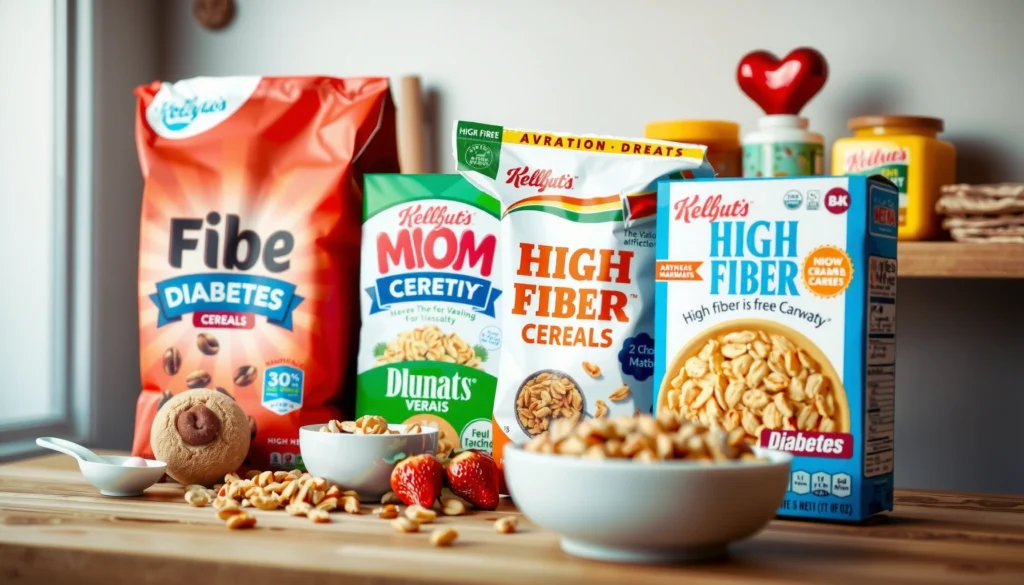

When managing diabetes, choosing the “best” cereal means prioritizing options that support stable blood sugar levels, primarily those high in fiber, low in added sugars, and made from whole grains. These characteristics are crucial for slowing glucose absorption and providing sustained energy without causing spikes. This guide will help you navigate the cereal aisle, providing key insights into making informed choices that fit your dietary needs.



The Nutritional Pillars of Diabetic-Friendly Cereal
Selecting a cereal that supports diabetes management hinges on a few fundamental nutritional principles. Understanding these pillars empowers individuals to make informed choices that positively impact blood glucose control and overall health.
– High Fiber Content: Fiber is an unsung hero in diabetes management. It’s a type of carbohydrate that the body cannot digest, meaning it doesn’t raise blood sugar levels. Instead, fiber slows down the digestion and absorption of other carbohydrates, leading to a more gradual rise in blood glucose and preventing sharp spikes. Furthermore, fiber promotes satiety, helping you feel fuller for longer, which can aid in weight management – a critical factor for many people with diabetes. There are two main types: soluble fiber, found in oats and barley, forms a gel-like substance that can also help lower cholesterol, while insoluble fiber, prevalent in whole wheat and bran, adds bulk and aids digestive health. Aim for cereals that offer at least 3-5 grams of fiber per serving, but ideally more for maximum benefit. Many health organizations recommend a daily fiber intake of 25-38 grams, and a high-fiber breakfast cereal can significantly contribute to this goal.
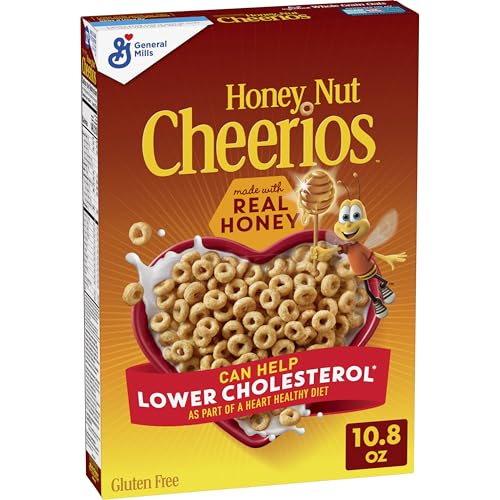
– Low Sugar and Added Sugars: This is perhaps the most critical factor to scrutinize when choosing cereal for diabetes. Excess added sugar rapidly elevates blood glucose levels, making it a primary culprit for blood sugar instability. Many popular cereals, particularly those marketed to children or as “frosted” or “honey-nut” varieties, are laden with significant amounts of added sugars. These sugars provide empty calories and can contribute to insulin resistance over time. The American Heart Association recommends that men consume no more than 36 grams (9 teaspoons) of added sugar per day, and women no more than 25 grams (6 teaspoons). For individuals managing diabetes, stricter limits are often advisable. Look for cereals with minimal to no added sugars, ideally less than 5 grams per serving. Even better, seek out options where the sugar content comes predominantly from naturally occurring sources within the whole grains themselves, not from sweeteners added during processing.
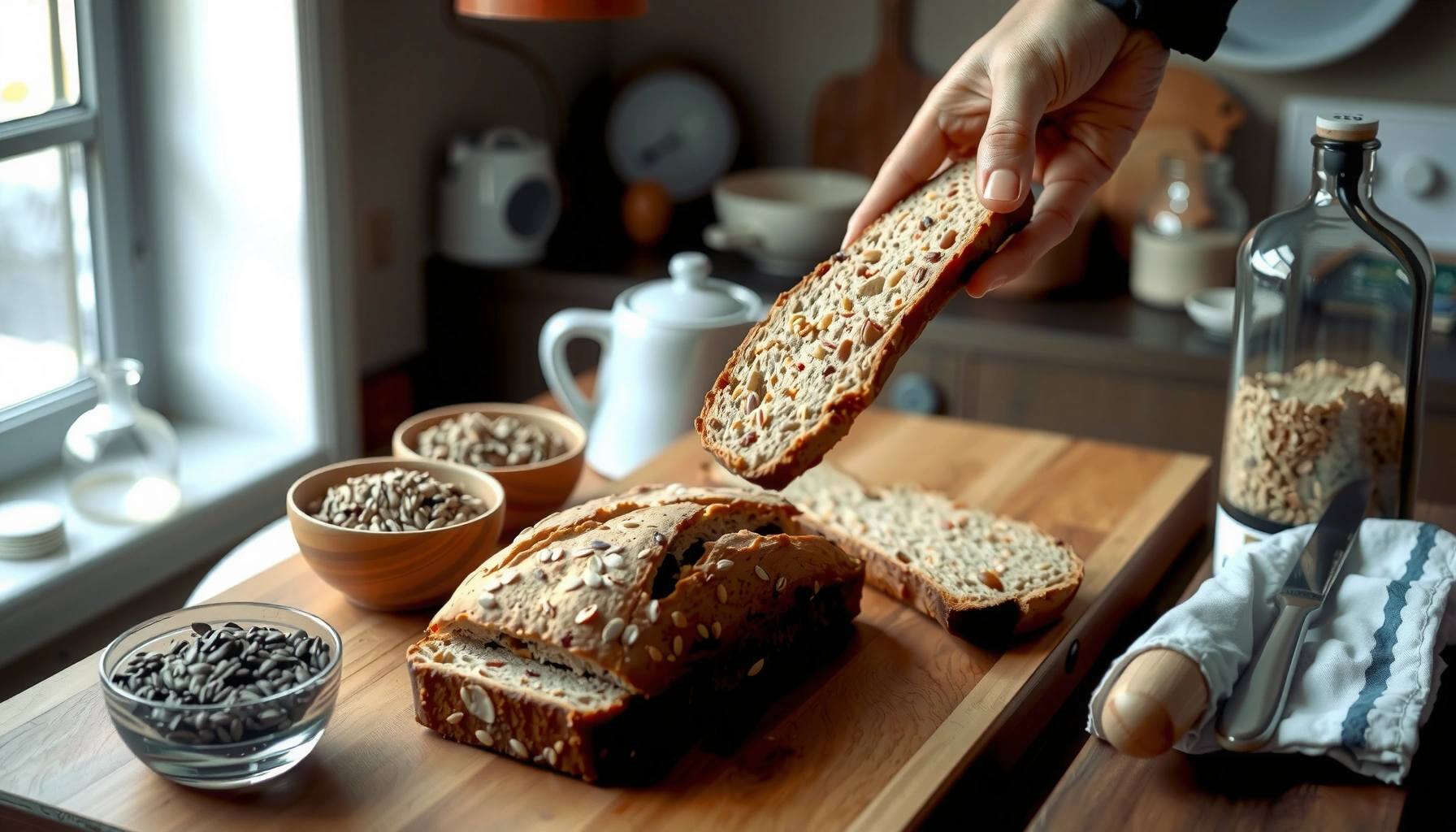
– Whole Grains are Key: Whole grains are fundamentally different from refined grains. A whole grain kernel consists of three parts: the bran (outer layer, rich in fiber, B vitamins, and antioxidants), the germ (embryo, packed with healthy fats, vitamin E, B vitamins, and protein), and the endosperm (inner part, primarily starch and protein). Refined grains, in contrast, have the bran and germ removed during processing, stripping away most of the fiber, vitamins, and minerals. Whole grains (like oats, whole wheat, barley, quinoa, brown rice) provide complex carbohydrates that digest much more slowly than refined grains. This slow digestion translates to a steadier, more sustained release of glucose into the bloodstream, offering stable energy without the sharp peaks and valleys associated with refined carbohydrates. Beyond blood sugar benefits, whole grains are associated with a reduced risk of heart disease, certain cancers, and improved digestive health.
Decoding Cereal Labels for Diabetes Management
Navigating the myriad options in the cereal aisle requires a keen eye for detail on nutrition labels. Understanding what to look for can turn a daunting task into an informed decision-making process.
– Understanding Glycemic Index (GI): The Glycemic Index (GI) is a system that ranks carbohydrate-containing foods by how quickly they raise blood sugar levels after consumption. Foods with a high GI are rapidly digested and absorbed, causing a quick and significant rise in blood glucose, while low GI foods produce a slower, more gradual rise. While GI values are not typically listed on cereal packaging, you can infer a lower GI by prioritizing cereals made with whole, minimally processed ingredients and high fiber content. For example, steel-cut oats generally have a lower GI than instant oats, due to their less processed nature. Focusing on ingredients like whole grains, nuts, and seeds, and avoiding refined flours and added sugars, is an effective strategy to select cereals that likely have a lower GI and, more importantly, a lower Glycemic Load (GL), which accounts for both the quality and quantity of carbohydrates.
– Checking the Nutrition Facts Panel: This panel is your most powerful tool. Always begin by reviewing the serving size, as nutritional information is based on this amount, and it’s often smaller than what people typically consume. Next, focus on:
* Total Carbohydrates: This figure includes sugars, starches, and fiber. While fiber is a carbohydrate, it doesn’t impact blood sugar in the same way, so some individuals calculate “net carbs” by subtracting fiber from total carbohydrates, although this isn’t universally recommended or necessary for everyone.
* Fiber: As discussed, aim for at least 3-5 grams per serving, but higher is always better.
* Sugars (and Added Sugars): This is where you identify the amount of sugar. Crucially, look for the “Added Sugars” line (now standard on many labels) and keep it as low as possible, ideally below 5 grams per serving.
* Protein: While not a primary pillar for cereal, a higher protein content (e.g., from nuts, seeds, or fortified cereals) can contribute to satiety and further temper blood sugar response.
* Sodium: Be mindful of sodium content, especially if you have hypertension, as some cereals can be surprisingly high.
– Identifying “Hidden” Sugars: Food manufacturers often use various names for sugar to make products appear healthier or to avoid listing “sugar” as the first ingredient. Becoming familiar with these aliases is crucial for effective diabetes management. Be aware of ingredients like corn syrup (high-fructose corn syrup), dextrose, fructose, maltose, sucrose, molasses, glucose, brown rice syrup, cane juice, fruit juice concentrate, and evaporated cane syrup. If any of these appear high on the ingredient list (which is ordered by weight), the cereal likely contains a significant amount of added sugar, regardless of what the front of the box claims. A good rule of thumb: if a sugar word appears multiple times under different names, or if any sugar word is among the first three ingredients, it’s probably a high-sugar product.
Top Cereal Categories and Ingredients to Prioritize
When stocking your pantry with diabetic-friendly cereals, certain categories and ingredients consistently rise to the top for their nutritional profile and positive impact on blood sugar.
– Whole Grain Oats (Plain): Plain oats, whether rolled or steel-cut, are a gold standard for diabetic-friendly breakfast. They are naturally high in soluble fiber, specifically beta-glucan, which is exceptionally beneficial for blood sugar management. Beta-glucan forms a viscous gel in the digestive tract, slowing glucose absorption and helping to stabilize blood sugar levels. This type of fiber is also known for its ability to lower LDL (“bad”) cholesterol. Steel-cut oats are the least processed, offering the highest fiber content and slowest digestion, followed by old-fashioned rolled oats. Instant oats, while convenient, are more processed and can have a higher glycemic impact, so they should be consumed in moderation or avoided if you find they spike your blood sugar. Always choose plain, unsweetened varieties and add your own flavorings.
– High-Fiber Bran Cereals: Bran cereals, when chosen carefully, can be an excellent source of dietary fiber. The “bran” refers to the outer layer of the grain kernel, packed with insoluble fiber, which promotes digestive regularity and adds bulk to food, contributing to satiety. Look specifically for unfortified bran cereals with a very high fiber count (e.g., 7-10+ grams per serving) and critically, a very low sugar content (ideally under 5 grams per serving). Many popular bran cereals are often sweetened, so reading the label is paramount. When selecting a bran cereal, focus on those where “wheat bran” or “oat bran” is the primary ingredient, and the list of other ingredients is short and recognizable. These cereals can significantly boost your daily fiber intake and help regulate blood glucose.
– Shredded Wheat (Plain, Unsweetened): Simple, whole-grain shredded wheat biscuits are another top contender. The classic varieties contain just one ingredient: whole wheat. This makes them remarkably low in sugar and high in fiber, aligning perfectly with the nutritional pillars for diabetes management. Unlike many heavily processed cereals, shredded wheat retains much of its whole-grain integrity, ensuring a slower digestive process and a gentler impact on blood sugar. When purchasing, always double-check the label to ensure it’s the plain, unsweetened version and not a frosted or sweetened variant, which would negate its benefits. Shredded wheat can be a versatile base, allowing you to control the additions and customize it to your taste and nutritional needs.
What to Avoid in Cereals When Managing Diabetes
Just as important as knowing what to choose is understanding what to avoid. Many cereals on the market can be detrimental to blood sugar control and overall health for individuals with diabetes.
– Sugary Kids’ Cereals and Frosted Varieties: These are unequivocal no-gos. Cereals explicitly designed for children or those boasting “frosted,” “honey,” or “chocolate” in their names are almost universally loaded with excessive amounts of added sugars and often made from refined carbohydrates. A single serving can contain more added sugar than an adult with diabetes should consume in an entire day, leading to rapid and significant blood sugar spikes, followed by energy crashes. Beyond the immediate blood sugar impact, regular consumption of such cereals contributes to poor dietary habits and offers minimal nutritional value, exacerbating the challenges of diabetes management. Their appealing flavors and textures are often achieved at the cost of your metabolic health.
– Refined Grains and White Flour: Cereals made primarily from refined grains, such as white flour, rice flour, or corn grits (unless they are whole grain), should be avoided. As previously mentioned, the refining process removes the bran and germ, stripping the grain of its essential fiber, vitamins, and minerals. What remains is primarily the starchy endosperm, which is rapidly digested and absorbed, causing quick blood sugar surges similar to consuming pure sugar. Examples include many puffed rice cereals, corn flake varieties (unless whole grain and unsweetened), and highly processed shapes that lack discernible whole-grain texture. These cereals offer little satiety and contribute to less stable blood glucose control, making it harder to manage diabetes effectively. Always look for “whole grain” as the first ingredient to ensure you’re getting the beneficial parts of the grain.
– Artificially Sweetened Options: While seemingly a healthier alternative to sugary cereals, artificially sweetened options warrant caution. Products labeled “sugar-free” or “diet” that rely on artificial sweeteners (e.g., aspartame, sucralose, saccharin) might not raise blood sugar directly, but emerging research suggests they can still impact gut health and glucose metabolism in complex and potentially adverse ways. Some studies indicate that artificial sweeteners might alter the gut microbiome, which in turn could influence insulin sensitivity and glucose tolerance. Furthermore, they can perpetuate a preference for sweet tastes, making it harder to appreciate the natural sweetness of whole foods. It’s often better to choose naturally low-sugar options and sweeten them sparingly with small amounts of whole fruit or natural, unprocessed sweeteners like a tiny drizzle of pure maple syrup or honey, if your blood sugar allows, rather than relying on artificial compounds.
Beyond the Bowl: Enhancing Your Diabetic-Friendly Cereal
Choosing the right cereal is just the first step. How you prepare and consume it can significantly amplify its benefits for blood sugar management and overall satisfaction.
– Practicing Portion Control: Even the healthiest cereals contribute carbohydrates to your diet, and over-consuming them, regardless of their quality, can lead to elevated blood sugar levels. Portion control is paramount. Always measure your serving accurately according to the nutrition facts panel, rather than free-pouring. Using a measuring cup helps you understand precisely how many carbohydrates you’re consuming per meal, which is fundamental for effective diabetes management, especially if you count carbohydrates or are on insulin. Many individuals with diabetes find a single serving (often around 1/2 to 3/4 cup, dry) is appropriate, but your specific carbohydrate target should be determined in consultation with your healthcare provider.
– Adding Protein and Healthy Fats: Enhancing your cereal with sources of protein and healthy fats is a powerful strategy to boost satiety and further slow the digestion and absorption of carbohydrates. This helps to create a more gradual and sustained rise in blood sugar, preventing sharp spikes.
* Protein: Add a dollop of plain, unsweetened Greek yogurt or cottage cheese, a scoop of protein powder (ensure it’s low in sugar), or sprinkle on chopped nuts. Protein contributes to fullness and helps stabilize blood sugar.
* Healthy Fats: Incorporate a small handful of unsweetened nuts (almonds, walnuts, pecans) or seeds (chia seeds, flax seeds, pumpkin seeds). These healthy fats not only contribute to satiety but also provide essential micronutrients and can have anti-inflammatory benefits. Chia and flax seeds, in particular, are also excellent sources of fiber.
– Pairing with Low-Fat Milk Alternatives: The liquid you add to your cereal also impacts its nutritional profile and sugar content. Many conventional dairy milks contain lactose, a natural sugar, and while generally well-tolerated, can add to your carbohydrate count. Opt for unsweetened plant-based milk alternatives like almond milk, soy milk, or coconut milk, which typically have fewer carbohydrates and calories than dairy milk. If you prefer dairy milk, choose low-fat (1% or skim) or unsweetened varieties to minimize added sugars and saturated fat. Always check the nutrition label on plant-based milks to ensure they are truly unsweetened, as many flavored or original versions can contain substantial amounts of added sugars.
Making the Best Choice for Your Unique Needs
Diabetes management is highly personal. What works well for one individual may not be ideal for another, underscoring the importance of a tailored approach.
– Consider Your Individual Blood Sugar Response: The most effective way to determine if a cereal (or any food) is suitable for *your* diabetes management is to observe your body’s response. Monitor your blood sugar levels before eating a new cereal and then again 1-2 hours after consumption. This immediate feedback will reveal how your body processes that specific food and portion size. Factors like medication, activity level, and other foods consumed with the cereal can all influence the outcome. Keep a food diary to track what you eat and how it affects your blood sugar, helping you identify patterns and fine-tune your dietary choices. This empirical approach is invaluable for personalized nutrition.
– The Importance of Consulting a Dietitian or Doctor: While this guide offers comprehensive advice, it is not a substitute for professional medical and dietary guidance. A registered dietitian (RD or RDN) specializing in diabetes can provide personalized dietary advice tailored to your specific condition, medication regimen, and lifestyle. They can help you calculate appropriate carbohydrate targets, interpret food labels, develop meal plans, and address any specific nutritional deficiencies or concerns. Your doctor can also provide crucial insights into how different foods interact with your diabetes medication and overall health plan. Collaborating with a healthcare team ensures that your dietary choices are safe, effective, and optimized for your unique health needs.
– Trial and Error for Personal Preference: Managing diabetes is a lifelong journey, and sustainability is key. Don’t be afraid to experiment within the healthy categories to find cereals you genuinely enjoy. A diet that is too restrictive or unappealing is difficult to maintain long-term. Start with the recommended options, then try different brands, vary your toppings, and explore new healthy additions. You might discover a love for steel-cut oats with berries and almonds, or plain shredded wheat with a sprinkle of cinnamon and chia seeds. Finding palatable options that fit well into your diabetes management plan will make it easier to adhere to your healthy eating goals and ensure that breakfast remains an enjoyable part of your day.
Choosing the best cereal for diabetes involves a mindful approach to nutrition labels, prioritizing fiber-rich, whole-grain options with minimal added sugars. By making these informed choices and incorporating strategies like portion control and healthy add-ins, you can enjoy cereal as part of a balanced diet that supports your blood sugar goals. Remember to always consult with your doctor or a registered dietitian for personalized dietary recommendations that align with your individual health status and medication regimen.
Frequently Asked Questions
What are the key nutritional factors to consider when choosing the best cereal for diabetes?
When selecting cereal for diabetes management, prioritize options high in fiber, low in added sugars, and made with whole grains. High fiber content helps slow sugar absorption and promotes satiety, while minimizing added sugars prevents rapid blood sugar spikes. Look for at least 3-5 grams of fiber and less than 5 grams of added sugar per serving, focusing on ingredients like oats, wheat, or barley.
Which specific cereal brands and types are generally recommended for people with diabetes?
For individuals managing diabetes, excellent choices include plain shredded wheat, steel-cut oats, oat bran, or high-fiber, low-sugar varieties. Brands like original Cheerios, Kashi GO, and Fiber One (original) are often suitable. Always scrutinize the nutrition label to ensure the cereal aligns with your specific dietary needs regarding net carbs, sugar content, and portion size to help manage blood sugar effectively.
How can I make my diabetic-friendly cereal more enjoyable and satisfying without impacting blood sugar levels?
Enhance your cereal’s flavor and nutritional value by adding a handful of fresh berries for natural sweetness and antioxidants, a sprinkle of nuts or seeds for healthy fats and protein, or a dash of cinnamon, which may offer blood sugar benefits. Pairing it with unsweetened almond milk or a small serving of plain Greek yogurt can further boost protein, making it a more filling and balanced meal that supports stable blood sugar.
Why is it crucial to pay close attention to portion sizes even with “healthy” cereals when you have diabetes?
Even the best cereals for diabetes can elevate blood sugar if consumed in excessive portions, as carbohydrate content accumulates quickly. It’s vital to measure your serving accurately according to the nutrition label, as overeating, even healthy ingredients, can lead to unexpected blood sugar spikes. Consistent portion control is a cornerstone of effective diabetes management and maintaining stable glucose levels.
Are there any specific “no-go” cereals or ingredients that people with diabetes should strictly avoid?
Yes, individuals with diabetes should strictly avoid cereals high in added sugars, refined grains, and artificial ingredients whenever possible. Cereals marketed towards children or those with frosted coatings often contain excessive sugar, leading to rapid blood sugar spikes. Refined grains, common in many processed cereals, lack fiber and can behave similarly to sugar in the body, making whole grain alternatives a much better choice for glycemic control.
References
- https://diabetes.org/healthy-living/recipes-nutrition/eating-healthy/breakfast-cereals
- https://www.mayoclinichealthsystem.org/hometown-health/speaking-of-health/best-and-worst-cereals-for-diabetes
- https://health.clevelandclinic.org/best-and-worst-cereals-for-people-with-diabetes/
- https://www.health.harvard.edu/blog/the-best-cereal-to-eat-for-diabetes-202302062899
- https://www.cdc.gov/diabetes/managing/eat-well/index.html
- Healthy Living with Diabetes – NIDDK
- Diabetic Diet | MedlinePlus