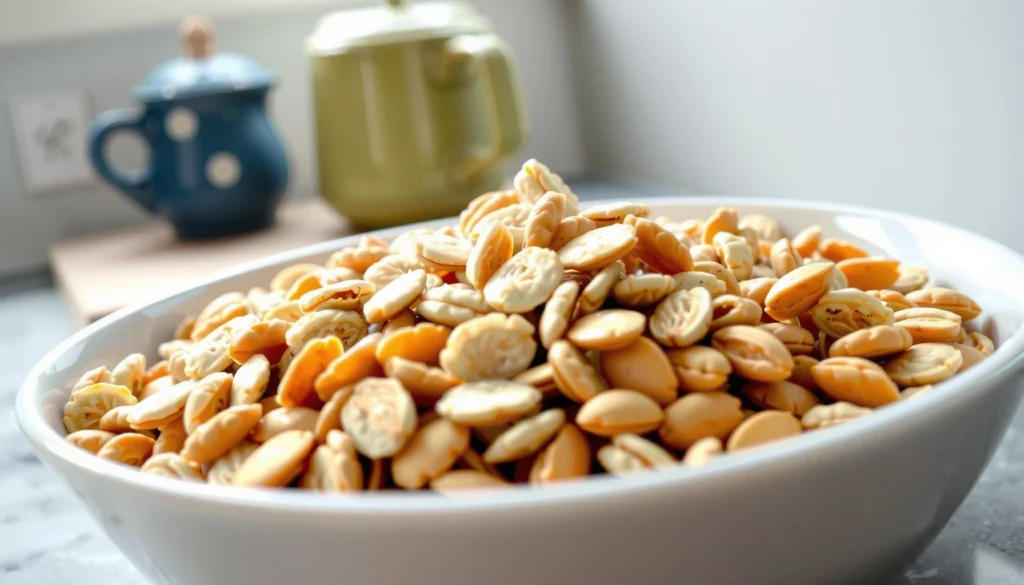

When navigating dietary choices for managing cholesterol and diabetes, the best cereals are unequivocally those that are high in fiber, low in added sugars, and made from whole grains. Think beyond sugary breakfast options and prioritize plain rolled oats, steel-cut oats, and unsweetened shredded wheat or bran flakes, as these provide the essential nutrients without the detrimental additives that can negatively impact blood sugar and lipid levels. Making informed cereal choices is a foundational step in controlling both conditions, offering sustained energy, promoting satiety, and contributing to overall cardiovascular and metabolic health.
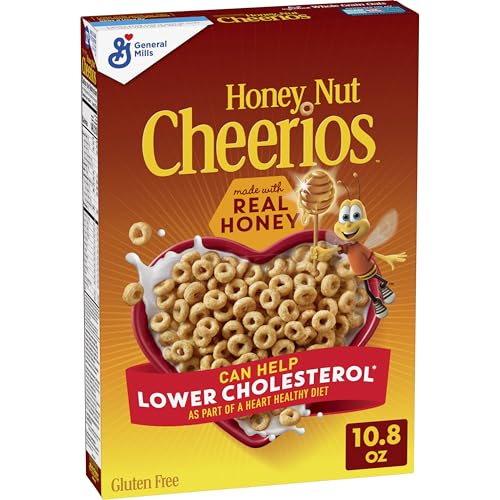



Nutritional Pillars: What to Look For in Your Cereal
Selecting the optimal cereal requires a keen eye for specific nutritional attributes. Focusing on these key pillars will ensure your breakfast choice actively supports your health goals rather than hindering them.
– High Fiber Content: Fiber is perhaps the most critical nutrient for individuals managing cholesterol and diabetes. Aim for cereals with at least 5 grams of fiber per serving. This is especially true for soluble fiber, a type of dietary fiber that dissolves in water to form a gel-like substance. Soluble fiber is crucial for lowering LDL (bad) cholesterol by binding with bile acids in the digestive tract, preventing their reabsorption and forcing the liver to use existing cholesterol to produce more. Furthermore, soluble fiber slows the absorption of sugar into the bloodstream, which helps stabilize blood glucose levels and prevents rapid spikes after meals, a significant benefit for diabetes management. Insoluble fiber, while not directly impacting cholesterol, aids in digestive health, promoting regularity and contributing to a feeling of fullness, which can be beneficial for weight management—a common co-morbidity for both conditions. Look for ingredients like oats, barley, psyllium, and whole wheat to ensure a robust fiber profile.
– Low Added Sugars: The detrimental effects of added sugars on blood sugar control and cardiovascular health are well-documented. For cereals, it is imperative to opt for varieties with 5 grams or less of added sugars per serving. High sugar intake leads to rapid blood glucose spikes, prompting an overproduction of insulin, which can exacerbate insulin resistance over time. Beyond diabetes, excessive sugar consumption can elevate triglyceride levels, lower HDL (good) cholesterol, and contribute to systemic inflammation, all factors that increase the risk of heart disease. Always check the “Nutrition Facts” label for “Added Sugars” rather than just “Total Sugars,” as total sugars can include naturally occurring sugars from ingredients like fruit. Prioritizing unsweetened options allows you to control the sweetness yourself, perhaps with natural alternatives like a sprinkle of cinnamon or a few fresh berries.
– Whole Grains First: The foundation of a healthy cereal for cholesterol and diabetes management lies in its grain base. Ensure “whole grain” is listed as the first ingredient on the label (e.g., whole oats, whole wheat, whole barley, quinoa). Whole grains retain all three parts of the grain kernel—the bran, germ, and endosperm—each contributing valuable nutrients. The bran provides fiber, B vitamins, and antioxidants. The germ offers healthy fats, vitamin E, and more B vitamins. The endosperm contains carbohydrates and protein. In contrast, refined grains have had the bran and germ removed, stripping away much of their fiber, vitamins, and minerals. This refining process results in a product that is digested more quickly, leading to sharper blood sugar responses and less sustained energy. Whole grains provide a complex carbohydrate source that digests slowly, offering a gradual release of glucose into the bloodstream, which is ideal for maintaining stable blood sugar levels and promoting lasting satiety.
Top Cereal Picks for Dual Management
Armed with knowledge of what to look for, let’s explore the specific cereals that stand out as excellent choices for managing both cholesterol and diabetes. These options are nutrient-dense, versatile, and highly effective.
– Plain Rolled Oats or Steel-Cut Oats: These are true powerhouses for individuals focused on metabolic and cardiovascular health. Both types of oats are rich in beta-glucan, a highly effective soluble fiber. Numerous clinical studies have demonstrated that beta-glucan significantly lowers LDL cholesterol by forming a gel in the digestive tract that binds to bile acids, prompting the body to pull cholesterol from the bloodstream to create new ones. For diabetes management, beta-glucan slows gastric emptying and the absorption of glucose, leading to a more gradual rise in blood sugar and a more stable insulin response. Steel-cut oats, being less processed, typically have a slightly lower glycemic index and a firmer texture, requiring longer cooking times. Rolled oats are quicker to prepare but still retain their full nutritional benefits. Crucially, choose plain, unflavored varieties to avoid added sugars and sodium often found in instant, flavored oatmeal packets. You can then customize them with healthy toppings.
– Unsweetened Shredded Wheat: This classic cereal is an excellent choice due to its simplicity and nutritional profile. Made from 100% whole wheat with absolutely no added sugar, it delivers an impressive amount of fiber, primarily insoluble fiber. This type of fiber is paramount for digestive health, adding bulk to stools, preventing constipation, and promoting regularity. For diabetes management, the complex carbohydrates in whole wheat are digested slowly, providing a steady release of energy and helping to prevent blood sugar spikes. Its inherent low-sugar nature means you’re starting with a clean slate, allowing for healthy additions without inadvertently consuming excess sugars. Always confirm the “unsweetened” label, as some shredded wheat variants may contain glazes or coatings with added sugars.
– Low-Sugar Bran Flakes: When selecting bran flakes, the emphasis is heavily on choosing varieties with minimal added sugar. Bran flakes are typically high in insoluble fiber, derived from the outer layer of wheat kernels (the bran). This rich fiber content contributes significantly to digestive regularity, helps with satiety (making you feel fuller for longer), and supports gut health. While the fiber in bran flakes is primarily insoluble, which doesn’t directly lower cholesterol in the same way soluble fiber does, its role in overall digestive health and weight management is indirectly beneficial for both conditions. Many commercial bran flakes can be laden with sugars and even high amounts of sodium, so careful label reading is essential to ensure you are selecting a truly low-sugar, heart-healthy option. Look for brands where sugar is not among the first few ingredients and ideally falls within the 5 grams or less per serving guideline for added sugars.
The Science of Fiber: Cholesterol & Blood Sugar Benefits
Fiber is not merely a digestive aid; it is a critical nutrient with profound and scientifically proven benefits for both cholesterol and blood sugar regulation. Understanding its mechanisms illuminates why it’s so vital.
– Soluble Fiber’s Impact: This remarkable type of fiber exerts a dual benefit on metabolic health. In the gut, soluble fiber, such as beta-glucan found in oats and barley, forms a viscous, gel-like substance. This gel traps bile acids, which are compounds made from cholesterol by the liver and released into the intestines to aid fat digestion. By binding to these bile acids, soluble fiber prevents their reabsorption into the bloodstream, prompting the liver to draw more cholesterol from the circulation to produce new bile acids. This continuous removal leads to a significant reduction in LDL (bad) cholesterol levels. Simultaneously, this gel also slows the rate at which carbohydrates are digested and absorbed into the bloodstream. This slower absorption results in a more gradual and controlled rise in blood glucose levels after a meal, preventing sharp spikes that are particularly harmful for individuals with diabetes. Furthermore, it can enhance insulin sensitivity, allowing the body’s cells to respond more effectively to insulin.
– Insoluble Fiber’s Role: While insoluble fiber doesn’t directly interact with cholesterol absorption or glucose metabolism in the same way soluble fiber does, its contributions are equally important. Insoluble fiber, found abundantly in whole grains, vegetable skins, and nuts, adds bulk to stool and speeds up the transit time of food through the digestive system. This promotes regularity and prevents constipation. Indirectly, insoluble fiber aids in weight management, a critical factor for both diabetes and cholesterol control. By promoting a feeling of fullness and satiety, it helps reduce overall caloric intake. Furthermore, a healthy digestive system supported by adequate insoluble fiber can positively impact the gut microbiome, which is increasingly recognized for its influence on metabolic health and inflammation.
– Daily Recommendations: To harness these widespread benefits, adults should aim for a daily fiber intake of 25 to 38 grams, with specific recommendations often varying slightly based on age and gender (e.g., 25 grams for women, 38 grams for men). Most individuals in Western societies fall short of this target, consuming only about half the recommended amount. Incorporating high-fiber cereals is an excellent way to boost your daily intake, but it’s important to gradually increase fiber consumption to allow your digestive system to adapt, mitigating potential discomfort like gas or bloating. Concurrent with increasing fiber, ensuring adequate hydration is crucial, as water helps fiber move efficiently through the digestive tract.
Understanding the Risks: Sugar and Refined Grains
While the benefits of healthy cereals are clear, it’s equally important to understand the significant risks posed by their less healthy counterparts—those laden with added sugars and made from refined grains.
– Blood Sugar Spikes: Cereals high in added sugars and refined grains are rapidly digested and absorbed, leading to abrupt and significant increases in blood glucose levels. For individuals with diabetes, this can be particularly dangerous, as their bodies struggle to produce or effectively use insulin to bring these levels down. Frequent blood sugar spikes can lead to insulin resistance, where cells become less responsive to insulin, requiring the pancreas to work harder. Over time, this can lead to beta-cell burnout in the pancreas and worsening glycemic control. Even for those without diabetes, these spikes are followed by a “crash,” resulting in fatigue, irritability, and increased cravings, perpetuating a cycle of unhealthy eating.
– Inflammation and Cholesterol: Diets consistently high in added sugars contribute to chronic low-grade systemic inflammation, a known risk factor for various chronic diseases, including heart disease. Sugar intake also profoundly impacts lipid profiles. Excessive sugar, particularly fructose (often found in high-fructose corn syrup used in many processed cereals), can be metabolized by the liver into triglycerides, leading to elevated triglyceride levels. High triglycerides are a significant marker of increased cardiovascular risk. Additionally, high sugar intake can lead to a decrease in beneficial HDL cholesterol and contribute to the formation of smaller, denser LDL particles, which are considered more atherogenic (plaque-forming) and thus more harmful to arteries. This combination of effects significantly escalates the risk of atherosclerosis and cardiovascular disease.
– Lack of Nutrients: Refined grains, which form the base of many popular breakfast cereals, undergo a milling process that strips away the bran and germ. While this process extends shelf life and creates a finer texture, it also removes the vast majority of fiber, B vitamins, iron, magnesium, and other vital trace minerals and antioxidants. What remains is primarily the starchy endosperm, offering “empty calories” that provide quick energy without lasting nutritional value. While some refined grains are “fortified” with a few synthetic vitamins, this cannot replicate the synergistic benefits of a whole grain, which contains hundreds of naturally occurring phytochemicals and nutrients working together. Consequently, cereals made from refined grains offer less satiety, leaving you hungry sooner and potentially leading to overeating, further complicating weight management and metabolic control.
Elevating Your Cereal Experience
Even the healthiest whole-grain cereal can be transformed into a more delicious and nutritionally robust meal with thoughtful additions. These enhancements not only boost flavor but also provide additional health benefits.
– Nutrient-Rich Toppings: Beyond just making your cereal tastier, carefully chosen toppings can significantly enhance its nutritional value.
* Fresh Berries: Blueberries, raspberries, strawberries, and blackberries are packed with antioxidants, vitamins (like Vitamin C and K), and natural fiber, all without added sugars. Their natural sweetness can also reduce the need for other sweeteners. Berries are known for their anti-inflammatory properties and can contribute to better glycemic control due to their fiber content.
* Unsalted Nuts and Seeds: A small handful of unsalted almonds, walnuts, pecans, or pumpkin seeds provides healthy monounsaturated and polyunsaturated fats, protein, and additional fiber. Walnuts and flaxseeds are particularly rich in omega-3 fatty acids (ALA), which are beneficial for heart health and reducing inflammation. Chia seeds are another excellent choice, swelling in liquid to add texture and providing a significant boost of fiber and omega-3s. These additions help increase satiety and contribute to sustained energy release.
* Spices: Cinnamon, nutmeg, or cardamom can add a wonderful depth of flavor without any sugar. Cinnamon, in particular, has been researched for its potential role in improving insulin sensitivity and helping to regulate blood sugar levels, making it an excellent choice for individuals with diabetes.
– Dairy and Non-Dairy Choices: The liquid you pair with your cereal also matters.
* Unsweetened Options are Key: Whether you choose dairy or plant-based milk, always opt for unsweetened varieties. Many flavored or regular milk alternatives can contain as much added sugar as a soft drink.
* Low-Fat Dairy Milk: Skim or 1% milk provides protein, calcium, and vitamin D, without the saturated fat content of whole milk. The protein helps slow digestion and contributes to satiety.
* Unsweetened Plant-Based Milks: Unsweetened almond milk, soy milk, oat milk, or cashew milk are excellent alternatives. Soy milk offers comparable protein to dairy milk, while almond and cashew milks are typically lower in calories. Always check the labels for fortification with calcium and vitamin D, as these nutrients are crucial.
– Portion Control: Even with the healthiest cereals and toppings, portion sizes remain critical for managing both cholesterol and diabetes. While whole grains and fiber are beneficial, they still contain carbohydrates and calories. Adhering to the recommended serving size listed on the nutrition label is paramount to effectively manage carbohydrate intake, prevent calorie overconsumption, and maintain stable blood glucose levels. Using measuring cups can help ensure accuracy, especially when you are initially learning appropriate portions. Over-consuming even healthy foods can lead to an excess of calories, potentially hindering weight management efforts which are often intertwined with managing both conditions.
Choosing the right cereal is a simple yet impactful step in managing both cholesterol and diabetes. By prioritizing high-fiber, whole-grain, and low-sugar options like plain oats and unsweetened shredded wheat, you can actively support heart health, maintain stable blood sugar levels, and enjoy a satisfying, nutritious start to your day. Remember that dietary management is a continuous journey requiring diligence in label reading and a commitment to whole, unprocessed foods. Always consider consulting a registered dietitian or healthcare provider for personalized dietary advice tailored to your specific health needs and goals. They can provide guidance on integrating these choices into a comprehensive health plan for optimal well-being.
Frequently Asked Questions
What are the best types of cereal recommended for managing both high cholesterol and diabetes?
The best cereals for managing high cholesterol and diabetes are those made from 100% whole grains, low in added sugars, and high in fiber. Excellent choices include plain rolled or steel-cut oats, shredded wheat (without added sugar), and 100% whole-wheat bran flakes. These options help stabilize blood sugar levels and provide soluble fiber crucial for lowering LDL (“bad”) cholesterol.
What specific nutritional information should I prioritize when choosing a cereal for cholesterol and diabetes management?
When selecting cereal for cholesterol and diabetes, prioritize fiber content, especially soluble fiber, aiming for at least 3-5 grams per serving. Crucially, look for cereals with minimal added sugars, ideally less than 5 grams per serving, and ensure “whole grain” is listed as the first ingredient. Also, check for low saturated fat and sodium levels to further support heart health.
How does choosing a high-fiber, low-sugar cereal specifically benefit individuals with both high cholesterol and diabetes?
A high-fiber, low-sugar cereal significantly benefits individuals by slowing down glucose absorption, which prevents rapid spikes in blood sugar levels and improves insulin sensitivity. The soluble fiber found in many whole-grain cereals also binds to cholesterol in the digestive tract, aiding its excretion and helping to lower LDL cholesterol. This dual action supports both blood sugar control and cardiovascular health simultaneously.
Why is plain, unsweetened oatmeal consistently recommended as a top choice for cholesterol and diabetes?
Plain, unsweetened oatmeal is consistently recommended because it’s an excellent source of soluble fiber, particularly beta-glucan, which is highly effective at lowering LDL cholesterol and managing blood sugar. Its low glycemic index means it causes a slower, more gradual rise in blood glucose compared to many other carbohydrates. Furthermore, it offers versatility for adding healthy ingredients like nuts, seeds, and berries without added sugars.
What common cereal ingredients or types should people with high cholesterol and diabetes generally avoid?
Individuals managing high cholesterol and diabetes should generally avoid cereals with excessive added sugars, including high-fructose corn syrup, honey, or molasses listed early in the ingredient list. Refined grain cereals (like many puffed rice or corn flake varieties) are also best avoided due to their low fiber content and high glycemic impact. Always steer clear of cereals with sugary coatings, artificial flavors, and those high in saturated fats or partially hydrogenated oils.
References
- https://www.diabetes.org/healthy-living/recipes-nutrition/eating-well/whole-grains
- Not Found | American Heart Association | American Heart Association
- Cholesterol: Top foods to improve your numbers – Mayo Clinic
- Diabetes diet: Create your healthy-eating plan – Mayo Clinic
- https://health.clevelandclinic.org/what-is-the-best-breakfast-for-diabetes/
- Whole Grains • The Nutrition Source
- Healthy Living with Diabetes – NIDDK
- Fiber • The Nutrition Source