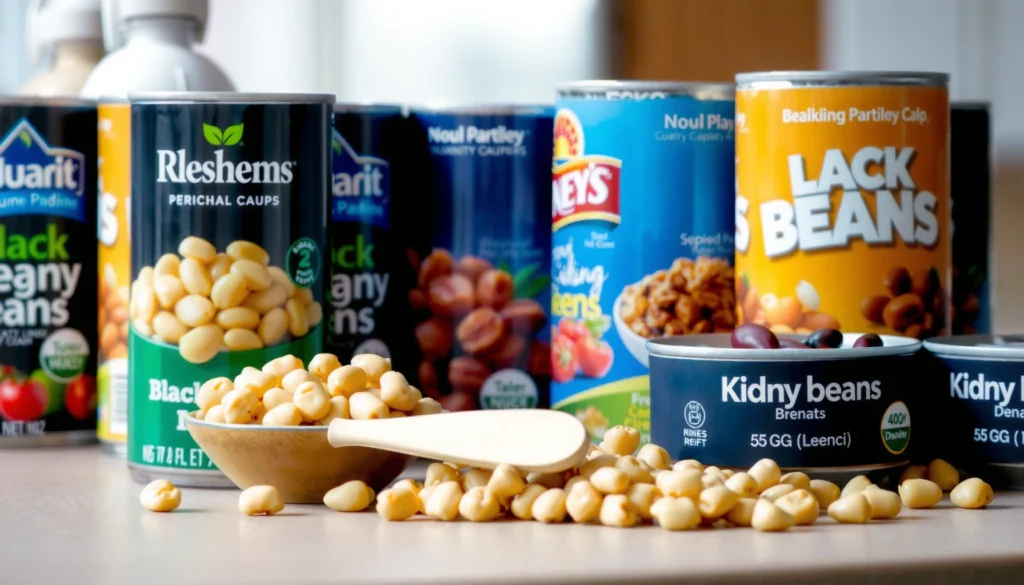

Navigating dietary choices with diabetes can be challenging, but incorporating the right canned beans is a fantastic way to boost nutrition and manage blood sugar. The best canned beans for diabetics are overwhelmingly low-sodium varieties of black beans, kidney beans, pinto beans, and chickpeas, prioritizing those labeled “no salt added” or “low sodium” and always rinsing them thoroughly to further reduce sodium content. These legumes offer a powerful combination of fiber, protein, and essential nutrients that support stable glucose levels and overall health, making them a smart and convenient addition to a diabetic-friendly diet.




Why Canned Beans are Excellent for Diabetics
Canned beans, when chosen and prepared correctly, represent a nutritional powerhouse for individuals managing diabetes. Their unique composition provides multiple benefits that directly address key aspects of diabetic health, from glycemic control to cardiovascular well-being.
– Fiber Powerhouse: Beans are exceptional sources of both soluble and insoluble fiber, each playing a crucial role in diabetes management. Soluble fiber forms a gel-like substance in the digestive tract, which effectively slows down the absorption of glucose into the bloodstream. This deliberate pace prevents sharp post-meal blood sugar spikes, leading to more stable and predictable glucose levels. Furthermore, soluble fiber contributes to lower LDL (“bad”) cholesterol levels, a significant benefit given the elevated cardiovascular risk in diabetic populations. Insoluble fiber, while not directly impacting glucose absorption, adds bulk to stool, promoting regular bowel movements and overall digestive health. A diet rich in fiber also contributes to greater satiety, reducing the likelihood of overeating and supporting healthy weight management—a cornerstone of effective diabetes control. Health organizations often recommend a daily fiber intake of 25-38 grams for adults, and a single cup of cooked beans can provide a substantial portion of this.
– Sustainable Energy: Unlike simple carbohydrates that provide a quick burst followed by a crash, the combination of complex carbohydrates, protein, and fiber in beans ensures a steady and sustained release of energy. The complex carbohydrates are broken down slowly, while fiber further moderates this process. The protein content helps to maintain muscle mass and also contributes to satiety. This sustained energy release prevents the roller-coaster effect of blood sugar fluctuations, which can lead to fatigue, irritability, and cravings. For individuals with diabetes, maintaining stable energy levels throughout the day is vital for consistent medication adherence, physical activity, and overall quality of life. By providing long-lasting fullness, beans help regulate appetite, making it easier to stick to a balanced meal plan without feeling deprived.
– Nutrient-Dense & Low GI: Beyond their macronutrient profile, beans are packed with a wide array of essential vitamins and minerals crucial for metabolic health. They are particularly rich in magnesium, which plays a vital role in insulin signaling and glucose metabolism. Potassium, another abundant mineral in beans, is important for blood pressure regulation, helping to mitigate the risk of hypertension, a common comorbidity with diabetes. Beans also supply folate, iron, zinc, and various B vitamins, all contributing to overall cellular function and energy production. Crucially, beans possess a low glycemic index (GI), typically ranging from 10 to 40. The glycemic index is a value assigned to foods based on how quickly they raise blood glucose levels. Foods with a low GI are digested and absorbed slowly, resulting in a gradual rise in blood sugar, which is ideal for diabetes management. In contrast to high-GI foods like white bread or sugary snacks, which can cause rapid and significant blood sugar spikes, beans offer a gentle and controlled impact, making them a preferred choice for maintaining stable glucose levels.
Top Canned Bean Varieties for Diabetics
While many bean varieties offer excellent health benefits, certain types stand out for their particular nutritional advantages and versatility in a diabetic meal plan. The key is always to opt for “no salt added” or “low sodium” versions.
– Black Beans: Renowned for their dark, shiny appearance and earthy flavor, black beans are a nutritional powerhouse. They are an excellent source of dietary fiber, with approximately 15 grams per cup, significantly contributing to the daily recommended intake and aiding in glycemic control. Beyond fiber, black beans are loaded with antioxidants, particularly anthocyanins, which give them their distinctive color. These powerful compounds help combat oxidative stress and inflammation, factors implicated in the progression of diabetic complications. Black beans are incredibly versatile and can be seamlessly incorporated into a wide array of dishes, from traditional Latin American recipes like rice and beans or tacos, to modern uses in salads, homemade veggie burgers, soups, and even healthy dips.
– Kidney Beans: Named for their shape resembling a human kidney, these robust beans are a staple in chilis, stews, and salads. Kidney beans are particularly high in resistant starch, a type of carbohydrate that behaves similarly to fiber. Resistant starch is not fully digested in the small intestine but instead ferments in the large intestine, feeding beneficial gut bacteria. This process has been shown to improve insulin sensitivity, meaning the body’s cells respond more effectively to insulin, leading to better blood sugar management. Furthermore, the resistant starch in kidney beans contributes to increased satiety, helping with weight control. They provide a significant amount of fiber, protein, and essential minerals like iron and manganese, making them a hearty and nutritious component of any diabetic diet.
– Pinto Beans: Characterized by their speckled, “painted” appearance before cooking, pinto beans are widely popular, especially in Mexican and Southwestern cuisines. They offer an excellent balance of fiber and protein, contributing to both stable blood sugar levels and prolonged feelings of fullness. Pinto beans have a creamy texture when cooked, making them ideal for dishes like refried beans (when prepared healthily with minimal fat and sodium), burritos, or as a flavorful side dish. They are also a good source of folate, which is crucial for cell growth and repair, and manganese, an important antioxidant mineral. Their mild flavor profile allows them to absorb the flavors of other ingredients, making them a versatile base for many culinary creations.
– Chickpeas (Garbanzo Beans): These round, nutty-flavored legumes are incredibly versatile and packed with nutritional benefits. Chickpeas are an exceptional source of plant-based protein, making them an excellent choice for individuals seeking to reduce meat consumption or following vegetarian and vegan diets. Their high protein and fiber content work synergistically to promote satiety and help regulate blood sugar responses. Chickpeas are perhaps best known as the primary ingredient in hummus, but they are also fantastic in salads, roasted as a crunchy snack (seasoned with spices, not excess salt), added to curries, stews, or made into falafel. They also provide significant amounts of folate, iron, and phosphorus. While slightly higher in carbohydrates compared to some other beans, their fiber and protein content ensure a slow, steady glucose release, making them an ideal choice in appropriate portion sizes.
What to Look for When Buying Canned Beans
Making smart choices at the grocery store is the first step toward incorporating canned beans effectively into a diabetic-friendly diet. The label holds crucial information that can significantly impact the healthfulness of the product.
– “Low Sodium” or “No Salt Added”: This is arguably the most critical factor when selecting canned beans for diabetics. Managing blood pressure is paramount for individuals with diabetes, as hypertension is a common comorbidity that significantly increases the risk of cardiovascular disease, kidney damage, and stroke. High sodium intake directly contributes to elevated blood pressure. The U.S. Food and Drug Administration (FDA) defines “low sodium” as 140 milligrams (mg) or less of sodium per serving, while “no salt added” means there is no sodium added during processing, although a small amount may naturally occur in the beans themselves. Always prioritize “no salt added” varieties whenever possible. If only “low sodium” options are available, ensure the sodium content is as close to 0 mg as possible. This vigilant label-reading ensures you’re not inadvertently consuming excessive sodium, which can undermine your diabetes management efforts.
– Minimal Ingredients: A good rule of thumb for any healthy food choice is to look for a short and understandable ingredient list. For canned beans, the ideal list should contain only beans, water, and perhaps a small amount of salt if it’s a “low sodium” rather than “no salt added” product. Avoid cans that list numerous additives, preservatives, or unfamiliar chemicals. These unnecessary ingredients rarely offer nutritional benefit and can sometimes detract from the natural goodness of the beans. Simple, whole ingredients indicate a less processed product, which is always preferable for optimal health.
– Avoid Added Sugars or Preservatives: While less common in plain canned beans, some flavored or seasoned varieties might contain hidden sugars (e.g., high-fructose corn syrup, sucrose, dextrose) or artificial sweeteners. Always scrutinize the ingredient list to ensure no forms of added sugar are present, as these will directly impact blood glucose levels and counteract the benefits of the beans. Similarly, be wary of excessive or unnecessary preservatives. While some common preservatives like calcium chloride (used to maintain firmness) are generally recognized as safe, a simpler, more natural product is always best. The goal is to consume the beans in their most natural, unadulterated state to maximize their health benefits and avoid unwanted additives.
Preparing Canned Beans for Optimal Diabetic Health
Even after selecting the best canned beans, how you prepare them can significantly enhance their nutritional profile and ensure they contribute positively to your diabetic meal plan. Simple steps can make a big difference.
– Rinse Thoroughly: This is a simple yet incredibly effective step. Canned beans are typically packed in a liquid solution that often contains a significant amount of sodium, even in “low sodium” varieties. Draining the liquid from the can and rinsing the beans thoroughly under cold, running water in a colander can reduce their sodium content by up to 40%. This practice is crucial for minimizing sodium intake, which is vital for managing blood pressure—a key concern for individuals with diabetes. Beyond sodium reduction, rinsing also helps remove excess starches, which can improve the texture and digestibility of the beans.
– Season Smartly: One of the greatest advantages of using plain, low-sodium canned beans is the control you gain over seasoning. Instead of relying on high-sodium seasonings or unhealthy fats, embrace a vibrant palette of herbs, spices, garlic, and onion to infuse flavor.
– Herbs: Fresh or dried herbs like cilantro, parsley, oregano, thyme, rosemary, and bay leaves add depth and aroma without sodium.
– Spices: Cumin, chili powder, smoked paprika, turmeric, black pepper, and coriander can transform the flavor profile of beans, making them exciting and delicious. Turmeric, for instance, has additional anti-inflammatory benefits.
– Aromatics: Sautéing fresh garlic, onion, and ginger in a small amount of healthy oil (like olive oil) before adding beans creates a robust flavor base.
– Acids: A splash of fresh lemon juice, lime juice, or a good quality vinegar (like apple cider vinegar or red wine vinegar) can brighten flavors and add a zesty finish without extra salt.
Avoid pre-made seasoning packets or sauces, as these are often laden with sodium, sugars, and undesirable additives.
– Cooking Methods: Canned beans are incredibly versatile and can be integrated into countless dishes.
– Soups and Stews: Add rinsed beans towards the end of the cooking process to prevent them from becoming too mushy. They will absorb the flavors of the broth and other ingredients beautifully, adding bulk, fiber, and protein.
– Salads: Cold, rinsed beans are a fantastic addition to green salads, grain salads, or even pasta salads. They provide texture, substance, and a boost of nutrients.
– Dips and Spreads: Blend beans with fresh herbs, garlic, lemon juice, and a touch of olive oil to create healthy, homemade dips like hummus (with chickpeas) or a savory black bean dip. This allows you to control all the ingredients, avoiding the high sodium and unhealthy fats often found in store-bought versions.
– Main Dishes: Use beans as a meat extender or a complete meat alternative in tacos, burritos, casseroles, or as a hearty side dish with grilled lean proteins and vegetables. Their convenience makes them perfect for quick weeknight meals.
Incorporating Beans into Your Diabetic Meal Plan
Integrating canned beans into your daily diet doesn’t have to be complicated. Their versatility makes them an ideal candidate for various meal applications, adding significant nutritional value and helping with blood sugar management.
– Salad Booster: Transform any ordinary salad into a nutrient-dense meal by adding a handful of rinsed canned beans.
– For a Mediterranean twist, sprinkle chickpeas over a bed of mixed greens with cucumbers, tomatoes, bell peppers, olives, and a light lemon-tahini dressing.
– Create a vibrant Southwestern salad with black beans, corn, diced avocado, cilantro, and a lime vinaigrette.
– Kidney beans can be a hearty addition to a classic chef’s salad, providing plant-based protein alongside lean meats or eggs. The fiber and protein in the beans will increase satiety, preventing hunger pangs later on, and contribute to a more stable blood glucose response compared to salads lacking these components.
– Soup & Stew Staple: Canned beans are a perfect convenience food for bulking up and enriching your favorite soups and stews. They add a creamy texture and substantial body without relying on unhealthy fats or excessive calories.
– A hearty minestrone can be enhanced with cannellini or kidney beans.
– Black beans are excellent in a vegetarian chili or a Cuban-style black bean soup.
– Pinto beans are a classic choice for a robust beef or turkey chili, or a flavorful Mexican stew. Adding beans means you can often reduce the amount of meat needed, making the meal more economical and potentially lower in saturated fat. They absorb the rich flavors of the broth and spices, making every spoonful satisfying and nutritious.
– Plant-Based Protein: For individuals looking to reduce meat consumption or explore vegetarian and vegan options, beans are an invaluable source of high-quality plant-based protein.
– In tacos, burritos, or quesadillas, mashed or whole black beans or pinto beans can completely replace ground meat. Combine them with corn, salsa, and plenty of fresh vegetables for a flavorful and fiber-rich meal that supports stable blood sugar.
– Create delicious and healthy bean burgers using mashed black beans or chickpeas as the base, seasoned with spices and bound with oats or breadcrumbs. Serve them on whole-grain buns or lettuce wraps with plenty of fresh toppings.
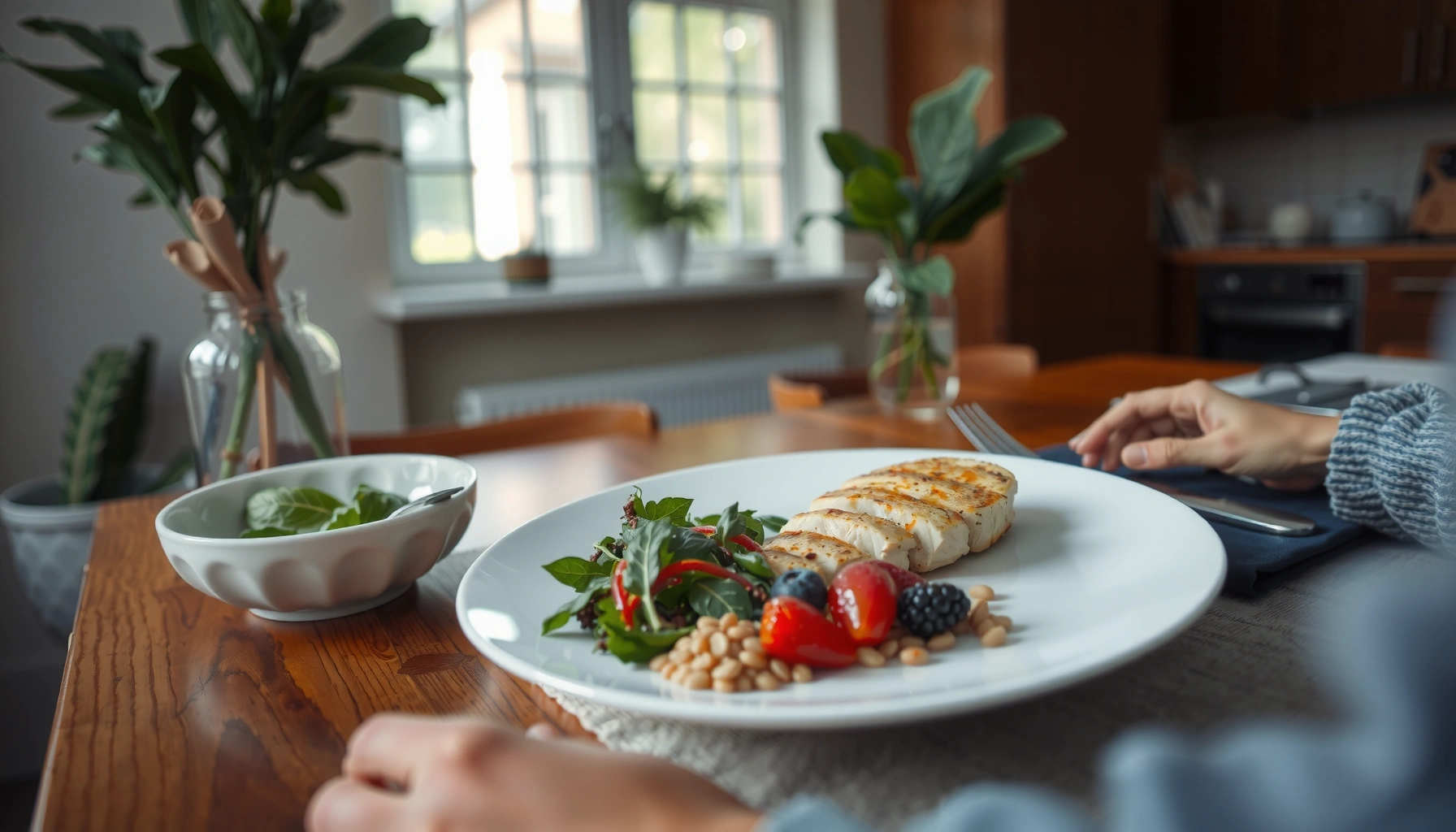
– Beans can also serve as a hearty side dish. A simple preparation of seasoned black beans or pinto beans alongside grilled chicken or fish and a vibrant vegetable medley makes for a complete and balanced meal. This strategy allows you to easily meet your protein needs while benefiting from the beans’ fiber and complex carbohydrates, which are key for effective diabetes management.
Embracing canned beans in your diabetic diet is a simple yet effective strategy for better blood sugar management and overall well-being. By choosing low-sodium varieties and preparing them thoughtfully, you can unlock a world of delicious and nutritious meals that support your health goals. Their fiber, protein, and low glycemic index make them an indispensable ally in maintaining stable glucose levels and promoting cardiovascular health. Start experimenting with these versatile legumes today to discover new favorite dishes that keep your blood sugar in check and your taste buds happy, contributing significantly to a sustainable and healthy lifestyle.
Frequently Asked Questions
What are the best types of canned beans for diabetics to help manage blood sugar?
The best types of canned beans for diabetics are generally those high in fiber and protein, which help slow glucose absorption and stabilize blood sugar levels. Excellent choices include black beans, kidney beans, chickpeas (garbanzo beans), pinto beans, and cannellini beans. These varieties offer a low glycemic index and can be a staple in a diabetic-friendly diet, contributing to better blood sugar management.
How can diabetics ensure their canned beans are low in sodium?
To ensure canned beans are low in sodium, diabetics should diligently look for labels that explicitly state “no salt added,” “low sodium,” or “reduced sodium.” Additionally, rinsing and draining regular canned beans thoroughly under running water can significantly reduce their sodium content by up to 40%. Opting for varieties packed in water rather than brine also helps minimize sodium intake, which is crucial for managing blood pressure.
Why are canned beans considered a good food choice for individuals with diabetes?
Canned beans are an excellent food choice for individuals with diabetes due primarily to their high fiber and lean protein content. This powerful combination helps regulate blood sugar levels, promotes satiety to aid in weight management, and supports digestive health. Their low glycemic index means they cause a slower, more gradual rise in blood glucose compared to many other carbohydrate sources.
Which canned bean brands offer healthier options specifically for diabetics?
Many reputable brands now offer healthier canned bean options suitable for diabetics by focusing on reduced sodium content. Look for brands like Eden Organic, Goya (specifically their “Low Sodium” or “No Salt Added” lines), Bush’s Best (also look for “Reduced Sodium” or “No Salt Added” varieties), and O Organics. Always prioritize products clearly labeled “no salt added” or “low sodium” to ensure they align with diabetic dietary needs.
Should diabetics rinse canned beans, and what difference does it make?
Yes, diabetics should absolutely rinse canned beans thoroughly under cold, running water before consumption. This simple step makes a significant difference by removing a substantial amount of the added sodium and other preservatives found in the canning liquid. Rinsing helps reduce overall sodium intake, which is crucial for managing blood pressure—a common concern for individuals with diabetes—without sacrificing the nutritional benefits of the beans.
References
- https://www.diabetes.org/healthy-recipes/ingredients/beans-peas-and-lentils
- https://www.diabetes.org/healthy-living/recipes-nutrition/understanding-carbs/good-carbohydrates-people-diabetes
- https://www.cdc.gov/diabetes/managing/healthy-eating.html
- Healthy Living with Diabetes – NIDDK
- Diabetes diet: Create your healthy-eating plan – Mayo Clinic
- https://www.hsph.harvard.edu/nutritionsource/legumes-and-diabetes/
- https://www.heart.org/en/health-topics/high-blood-pressure/changes-you-can-make-to-manage-high-blood-pressure/dietary-approaches-to-stop-hypertension-dash-diet