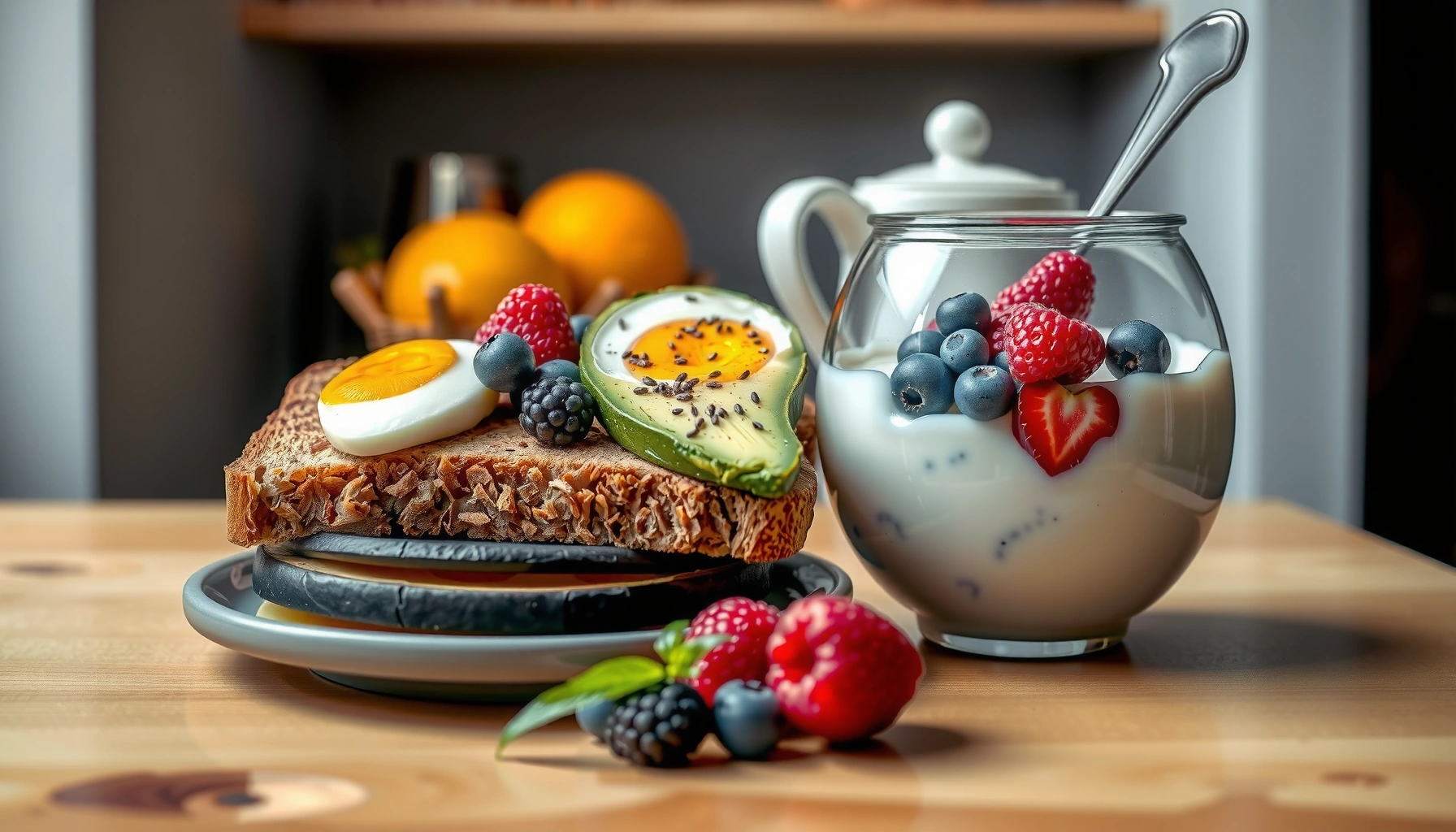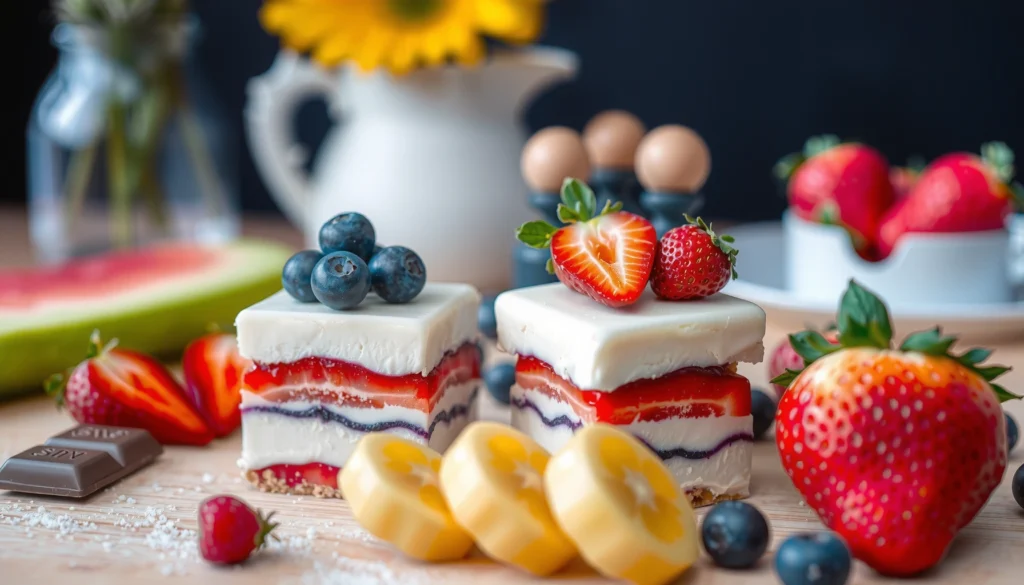

For diabetics looking to satisfy a sweet tooth safely, the best sweets are those that are low in added sugars, high in fiber, or use natural, non-caloric sweeteners, always consumed in moderation. Options range from fresh fruits and high-cocoa dark chocolate to specially formulated sugar-free desserts and homemade treats made with alternative flours and sweeteners. Understanding the ingredients and their impact on blood sugar is key to enjoying these indulgences without health concerns.




Understanding Diabetic-Friendly Sweeteners
Navigating the world of sweeteners is paramount for individuals managing diabetes. Not all sweetness is created equal, and discerning between options that support blood sugar management versus those that can destabilize it is critical.
* Focus on Natural Alternatives: The most recommended sweeteners for diabetics are those derived from natural sources that do not significantly impact blood glucose levels.
* Stevia: Extracted from the leaves of the *Stevia rebaudiana* plant, stevia is hundreds of times sweeter than sugar but contains no calories and has a glycemic index (GI) of zero. It’s available in various forms, from liquid drops to powdered blends.
* Erythritol: A sugar alcohol naturally found in some fruits, erythritol is about 70% as sweet as sugar but contains almost no calories and is largely excreted unchanged by the body, causing minimal to no blood sugar spike. It’s often favored in baking for its texture.
* Monk Fruit: Derived from the monk fruit (lo han guo), this sweetener is also calorie-free and has a GI of zero, offering an intensely sweet profile without affecting blood glucose.
These alternatives allow for the enjoyment of sweet flavors without the metabolic consequences of refined sugars, making them staples in diabetic-friendly cooking and product formulation.
* Limit Added Sugars: The primary culprits behind blood sugar spikes are added sugars, which should be severely restricted or eliminated from a diabetic diet.
* High Fructose Corn Syrup (HFCS): A prevalent sweetener in processed foods, HFCS is metabolized differently by the body, potentially contributing to insulin resistance and rapid glucose absorption.
* Sucrose (Table Sugar): A disaccharide composed of glucose and fructose, sucrose directly elevates blood sugar levels.
* Other Refined Sugars: This category includes brown sugar, raw sugar, agave nectar, maple syrup, honey, and fruit juice concentrates. While some may offer marginal nutrient benefits over table sugar, their primary effect on blood sugar is similar. These sugars are quickly absorbed, leading to sharp increases in blood glucose, which can be detrimental to long-term diabetes management and overall health. Diligent label reading to identify these hidden sugars, which often appear under various aliases, is essential.
* Carbohydrate Count Matters: A common misconception is that “sugar-free” automatically means “diabetic-friendly.” This is not always the case.
Even if a product contains no added sugars, it can still be high in carbohydrates from other ingredients such as refined flours (wheat, corn), starches, or certain sugar alcohols (like maltitol).
* Sugar alcohols such as maltitol, sorbitol, and xylitol do contain carbohydrates and calories, and while they have a lower impact on blood sugar than sucrose, they can still raise glucose levels, especially in larger quantities. Maltitol, in particular, has a GI closer to that of table sugar than erythritol or stevia.
* The total carbohydrate count on the nutrition label, alongside the fiber content, provides a more accurate picture of a food’s potential impact on blood sugar. Diabetics must calculate net carbs (total carbs minus fiber and half of certain sugar alcohols) to properly manage their intake, understanding that individual responses to various carbohydrates can vary.
Naturally Sweet & Whole Food Indulgences
Embracing the natural sweetness found in whole foods is one of the safest and most nutritious ways for diabetics to enjoy treats. These options come packed with fiber, vitamins, and minerals, mitigating the glycemic impact.
* Fresh Fruits as a Top Choice: Fruits are nature’s candy, offering sweetness alongside a wealth of health benefits.
* Berries (strawberries, blueberries, raspberries, blackberries): These are particularly excellent due to their high fiber content and potent antioxidants. Their relatively low glycemic index means they cause a slower, more controlled rise in blood sugar compared to other fruits.
* Apples and Pears: With their skin left on, apples and pears provide significant dietary fiber, which aids in slowing down sugar absorption. They also offer essential vitamins.
* Oranges and Grapefruit: Citrus fruits are rich in Vitamin C and fiber. Their natural sugars are balanced by their fiber content, making them suitable in moderation.
The fiber in whole fruits acts as a natural buffer, preventing rapid blood sugar spikes. Portion control remains important, but prioritizing fruits over processed sweets offers superior nutritional value and better glycemic control.
* Dark Chocolate (70%+ Cocoa): For chocolate lovers, high-cocoa dark chocolate can be a suitable indulgence when consumed in small, controlled portions.
* Lower Sugar Content: Dark chocolate with 70% cocoa or higher contains significantly less sugar than milk chocolate or most commercial sweets.
* Antioxidant Benefits: It’s rich in flavonoids and polyphenols, powerful antioxidants that may improve insulin sensitivity and heart health.
* Healthy Fats: The fats in dark chocolate (primarily stearic acid) have a neutral effect on cholesterol.
A small square (15-30 grams) can satisfy a craving without derailing blood sugar management. Pairing it with a handful of nuts can further slow glucose absorption.
* Mindful Use of Dried Fruits: While dried fruits are natural, their concentrated sugar content warrants extreme caution and moderation for diabetics.
* Concentrated Sugar: When fruits are dried, their water content is removed, leading to a much higher concentration of natural sugars per serving compared to their fresh counterparts. For example, a small handful of dates or prunes can contain as much sugar as a full-sized fresh fruit or more.
* Pairing for Slower Absorption: If consumed, dried fruits should be limited to very small portions and ideally paired with sources of protein or healthy fats, such as a few almonds or walnuts. This pairing helps to slow down the digestion and absorption of sugars, mitigating a sharp blood sugar response. Examples include a single date stuffed with almond butter.
Due to their potency, dried fruits should be considered an occasional treat rather than a regular staple in a diabetic diet.
Sugar-Free and Low-Carb Dessert Alternatives
The market and home kitchens offer numerous innovative ways to create delicious desserts without relying on traditional high-sugar and high-carb ingredients. These alternatives cater specifically to managing blood sugar while satisfying cravings.
* Baked Goods with Alternative Flours: Replacing conventional wheat flour with low-carb alternatives is a cornerstone of diabetic-friendly baking.
* Almond Flour: Made from ground almonds, it’s gluten-free, low in carbohydrates, high in protein, and rich in healthy fats. It lends a moist texture and nutty flavor to baked goods like cakes, cookies, and muffins. Its fiber content also helps in blood sugar regulation.
* Coconut Flour: Derived from dried coconut meat, coconut flour is also gluten-free and very high in fiber, making it extremely low in net carbs. It’s highly absorbent, so recipes often require less flour and more liquid. It imparts a subtle coconut flavor.
* Oat Flour (Gluten-Free): While oat flour contains more carbohydrates than almond or coconut flour, it’s a good source of soluble fiber (beta-glucan), which can help stabilize blood sugar. When used in moderation, especially gluten-free certified versions, it can contribute to a healthier carb profile in baked goods.
These flours provide structural integrity and flavor to desserts without the significant carb load of white or whole wheat flour.
* Sweeteners for Baking: Incorporating the right sugar substitutes is crucial for achieving desired sweetness in diabetic-friendly baking.
* Erythritol: Its granular texture and ability to caramelize slightly make it an excellent 1:1 substitute for sugar in many recipes, though it’s less sweet. It provides bulk and can be blended with other sweeteners for a more intense sweetness.
* Stevia Blends: Many stevia products are blended with erythritol or other fillers to match the bulk and measure of sugar, making them easier to use in baking. Always check the label for specific conversion ratios.
* Monk Fruit: Available in liquid and granulated forms, monk fruit is highly concentrated, so only small amounts are needed. It’s often blended with erythritol for volume and texture in baking.
Experimentation with these sweeteners is often required as their properties (e.g., how they brown, moisture retention) differ from sugar. Using a combination can often yield the best results in terms of taste and texture.
* Examples of Safe Treats: Beyond baking, several simple, ready-to-prepare or easily customizable treats are suitable.
* Sugar-Free Gelatin: Brands like Jell-O offer sugar-free options that are virtually carb and calorie-free, providing a light, refreshing dessert.
* Low-Carb Cheesecakes: Made with a base of almond flour or crushed nuts and sweetened with erythritol or stevia, these cheesecakes use cream cheese and often Greek yogurt for a rich, satisfying texture with minimal sugar impact.
* Puddings Made with Unsweetened Almond Milk: By using unsweetened almond, coconut, or soy milk as a base, and thickening with chia seeds or a small amount of cornstarch (mindful of carb count), and sweetening with natural alternatives, delicious and creamy puddings can be created. Adding cocoa powder for chocolate pudding or berries for fruit flavors enhances the experience.
Decoding Store-Bought Diabetic Treats
While the convenience of store-bought diabetic treats is appealing, a discerning eye and a thorough understanding of nutrition labels are essential to ensure they align with dietary goals. Not all “diabetic-friendly” labels are created equal.
* Read Nutrition Labels Carefully: This is the most critical step when evaluating any packaged food, especially those marketed to diabetics.
* Total Carbohydrates: This figure includes all forms of carbohydrates that can affect blood sugar. Pay close attention to this, as even if sugars are low, high total carbs from other sources can still cause a spike.
* Fiber Content: A higher fiber content is beneficial as it helps to slow down sugar absorption and reduces the net carbohydrate count. Look for products with at least 3-5 grams of fiber per serving.
* Sugar Alcohols: These are often used as sugar substitutes. While they have a lower glycemic impact than sugar, they still contain carbohydrates. Some sugar alcohols (like maltitol) can significantly raise blood sugar in certain individuals, and consuming large amounts can cause digestive discomfort (gas, bloating, diarrhea). Identify which sugar alcohols are present and factor them into your carbohydrate count.
* Hidden Sugars: Be vigilant for various names of added sugars like dextrose, maltose, corn syrup solids, fruit juice concentrate, molasses, and evaporated cane juice. Food manufacturers often use these to make products seem healthier or to mask the true sugar content.
* “Sugar-Free” Doesn’t Mean Carb-Free: This is a crucial distinction that often trips up consumers.
A “sugar-free” label simply indicates that the product contains less than 0.5 grams of added sugar per serving. However, the product may still contain ingredients like refined flours (e.g., white flour, potato starch), natural fruit sugars, or certain sugar alcohols, all of which contribute to the total carbohydrate count and can impact blood glucose levels.
For example, a “sugar-free” cookie made with white flour will still have a high glycemic load due to the rapidly digestible carbohydrates from the flour, potentially causing a significant blood sugar spike.
Always refer to the total carbohydrate count and understand how it aligns with your daily carbohydrate limits.
* Beware of Artificial Ingredients: Highly processed diabetic treats may contain a host of artificial additives that, while not directly impacting blood sugar, might pose other health concerns or digestive issues.
* Artificial Colors and Flavors: While generally recognized as safe by regulatory bodies, some individuals may experience sensitivities.
* Excessive Sugar Alcohols: As mentioned, consuming large quantities of certain sugar alcohols (especially maltitol, sorbitol, xylitol) can lead to gastrointestinal distress, including bloating, gas, and diarrhea, as they are not fully absorbed by the body. This can be particularly uncomfortable and should be considered when choosing store-bought options.
Opt for products with a short ingredient list that contains recognizable, whole-food-based ingredients where possible. Prioritizing quality ingredients over merely “sugar-free” labels is a more holistic approach to health.
Simple Homemade Diabetic Dessert Ideas
Creating your own diabetic-friendly desserts at home offers unparalleled control over ingredients, allowing you to tailor sweetness and carb content precisely to your needs. These simple recipes are both delicious and easy to prepare.
* Berry Chia Seed Pudding: This is a fantastic option that combines natural sweetness with a significant fiber boost.
* Ingredients: 1/4 cup chia seeds, 1 cup unsweetened plant-based milk (almond, coconut, or soy), 1/2 cup mixed fresh berries (raspberries, blueberries, blackberries), a few drops of liquid stevia or a teaspoon of erythritol to taste.
* Preparation: Combine chia seeds and plant-based milk in a jar or container. Stir well, then add your chosen sweetener. Refrigerate for at least 4 hours, or preferably overnight, until thickened. Top with fresh berries before serving.
* Benefits: Chia seeds are packed with fiber and omega-3 fatty acids, which help to slow down sugar absorption. Berries add natural sweetness and antioxidants, making this a nutritious and satisfying dessert or even breakfast.
* Almond Flour Mug Cakes: Perfect for a quick, single-serving treat, mug cakes are an excellent way to control portions and ingredients.
* Ingredients (for one mug cake): 3-4 tablespoons almond flour, 1 tablespoon unsweetened cocoa powder (for chocolate version), 1/4 teaspoon baking powder, 1-2 tablespoons granulated erythritol or stevia blend, 1 tablespoon melted butter or coconut oil, 1 egg, 1 tablespoon unsweetened almond milk (optional, for consistency).
* Preparation: In a microwave-safe mug, combine dry ingredients. Stir in melted butter/oil and egg until just combined. If batter is too thick, add almond milk. Microwave on high for 60-90 seconds (cooking time varies by microwave).
* Benefits: Using almond flour dramatically reduces the carb count, while the egg provides protein. It’s a quick fix for a sweet craving without the temptation of a larger cake. Customize with sugar-free chocolate chips or a dollop of sugar-free whipped cream.
* Sugar-Free Frozen Yogurt Bites: These refreshing bites are ideal for warmer weather and provide a healthy dose of probiotics.
* Ingredients: 1 cup plain unsweetened Greek yogurt, 1/2 cup fresh berries (finely chopped or mashed), 1-2 teaspoons liquid stevia or erythritol to taste.
* Preparation: Line a baking sheet with parchment paper. In a bowl, combine Greek yogurt, mashed berries, and sweetener. Mix thoroughly. Drop small spoonfuls of the mixture onto the prepared baking sheet. Freeze for at least 2-3 hours, or until solid. Store in an airtight container in the freezer.
* Benefits: Greek yogurt is high in protein and beneficial probiotics, aiding digestion and satiety. The natural sweetness of berries combined with a sugar-free sweetener creates a guilt-free, refreshing dessert that won’t spike blood sugar.
The Golden Rule: Moderation and Portion Control
Even with the safest and most diabetic-friendly sweet options, the fundamental principle of moderation and meticulous portion control remains the cornerstone of effective diabetes management.
* Even Healthy Sweets in Moderation: It’s a common misconception that because a sweet is “sugar-free,” “low-carb,” or “natural,” it can be consumed in unlimited quantities. This is simply not true.
* Calorie Intake: Even sugar substitutes can be part of desserts that are high in calories from fats (e.g., nut flours, cheese) or other carbohydrates. Excessive calorie intake, regardless of source, can lead to weight gain, which negatively impacts insulin sensitivity.
* Carbohydrate Accumulation: While individual servings of diabetic-friendly sweets may have a low carbohydrate count, consuming multiple servings can quickly accumulate carbohydrates, potentially leading to blood sugar spikes. For instance, two servings of a “low-carb” cake might push you over your carb limit for a meal.
* Individual Tolerance: Every individual with diabetes has unique metabolic responses. What one person tolerates well in a larger portion, another might find raises their blood sugar significantly. This highlights the need for personalized moderation.
* Pair with Protein or Fat: A strategic approach to consuming sweets, even healthy ones, is to pair them with macronutrients that can help mitigate their glycemic impact.
* Slow Down Glucose Absorption: Protein and healthy fats digest more slowly than carbohydrates. When consumed alongside a sweet treat, they can slow down the overall rate at which glucose enters the bloodstream, resulting in a more gradual and less dramatic rise in blood sugar.
* Examples: Instead of eating a piece of fruit alone, pair it with a handful of almonds or a tablespoon of peanut butter. If indulging in a small piece of dark chocolate, have it with a few walnuts. Adding a scoop of Greek yogurt (protein-rich) to a berry compote is another excellent strategy. This pairing not only helps with blood sugar control but also enhances satiety, making you feel fuller and less likely to overeat.
* Monitor Blood Sugar Levels: The most reliable way to understand how any sweet treat affects *your* body is through consistent blood glucose monitoring.
* Understand Individual Responses: After trying a new diabetic-friendly dessert or even a familiar one in a different quantity, check your blood sugar levels one to two hours later. This direct feedback will show you how your body processes the particular ingredients and portion size.
* Adjust Choices Accordingly: If you observe an undesirable spike, you’ll know to reduce the portion size next time or choose a different option. Conversely, if your levels remain stable, it confirms that the treat is a safe indulgence for you.
* Empowerment through Data: This practice empowers you to make informed, personalized dietary choices, transforming abstract guidelines into actionable insights tailored to your unique metabolic profile. Regular monitoring is key to enjoying sweets safely and sustainably as part of your diabetes management plan.
Finding the best sweets for diabetics involves a combination of smart choices, careful label reading, and unwavering moderation. By opting for naturally sweet whole foods, utilizing appropriate sugar substitutes, and being mindful of portion sizes, you can safely enjoy delicious treats without compromising your health goals. Always consult with your doctor or a registered dietitian to tailor these suggestions to your individual dietary needs and health plan, ensuring your sweet indulgences are always a healthy choice.
Frequently Asked Questions
What are the best types of sweets diabetics can enjoy without guilt?
Diabetics can enjoy a variety of sweets responsibly by focusing on options low in added sugar and rich in fiber or healthy fats, which help manage blood glucose. Excellent choices include fresh fruits (especially berries), small portions of high-quality dark chocolate (70%+ cocoa), sugar-free desserts made with natural sweeteners like stevia or erythritol, and baked goods using whole grains with reduced sugar. These *diabetic-friendly sweets* allow individuals to satisfy cravings while maintaining stable blood sugar levels.
How can diabetics choose store-bought desserts that won’t spike blood sugar?
When selecting *store-bought diabetic desserts*, it’s crucial to meticulously check the nutritional label for total carbohydrates, added sugars, and fiber content. Prioritize products explicitly labeled “sugar-free” or “no added sugar,” but also be mindful of ingredients like sugar alcohols, which can still contain carbohydrates and may cause digestive upset in large amounts. Focus on items with low net carbs and reasonable serving sizes to help prevent blood sugar spikes.
Why is moderation crucial even when consuming “diabetic-friendly” sweets?
Even *diabetic-friendly sweets* often contain carbohydrates, which can still affect blood glucose levels, albeit less severely than refined sugars. Many sugar-free products may use alternative flours or sugar alcohols that contribute to the total carbohydrate count, and excessive intake can still lead to elevated blood sugar. Therefore, practicing moderation with all *diabetic sweets* is essential for effective blood sugar management and maintaining overall dietary balance.
Which natural sweeteners are considered safe for diabetics to use in desserts?
Several natural sweeteners are excellent choices for diabetics due to their minimal impact on blood sugar. Stevia and monk fruit extract are popular options that provide sweetness without calories or carbohydrates. Erythritol, a sugar alcohol, is also highly recommended because it’s not fully metabolized by the body, resulting in a very low glycemic impact, making it ideal for creating *diabetic dessert recipes*.
Are there any truly delicious homemade dessert recipes suitable for diabetics?
Absolutely! There are numerous delicious *homemade diabetic dessert recipes* that prove healthy eating doesn’t mean sacrificing flavor. Look for recipes that replace refined sugars with natural sweeteners like stevia or erythritol, use whole-wheat or almond flour, and incorporate nutrient-rich ingredients like berries, nuts, or unsweetened cocoa powder. Examples include sugar-free berry crumbles, avocado chocolate mousse, or almond flour cookies, demonstrating that *diabetic-friendly sweets* can be genuinely enjoyable and satisfying.
References
- https://www.diabetes.org/healthy-living/recipes/desserts
- https://www.diabetes.org/healthy-living/recipes/healthy-desserts-sweeteners-and-sugar-substitutes
- https://www.mayoclinic.org/diseases-conditions/diabetes/in-depth/diabetes-friendly-desserts/art-20047395
- https://health.clevelandclinic.org/best-and-worst-desserts-for-people-with-diabetes/
- Healthy Living with Diabetes – NIDDK
- https://www.canr.msu.edu/news/sweeteners_and_diabetes
- Sugar substitute