
For diabetics seeking to manage blood sugar levels without sacrificing sweetness, the best sugar substitutes generally include natural options like stevia and monk fruit, alongside sugar alcohols such as erythritol and xylitol. These alternatives provide sweetness with minimal to no impact on glucose, making them excellent choices for maintaining a balanced diet. This guide will explore the top sugar substitute options, their benefits, and how to choose the right one for your individual needs.




Understanding Sugar Substitutes for Diabetics
The Need for Alternatives
Managing blood sugar levels is paramount for individuals with diabetes. Uncontrolled high blood glucose can lead to a cascade of severe long-term complications, including cardiovascular disease, neuropathy (nerve damage), nephropathy (kidney disease), retinopathy (eye damage), and increased risk of infections. Dietary sugar, particularly added sugars found in processed foods and beverages, is a primary driver of rapid blood glucose spikes. By replacing conventional sugar with suitable alternatives, diabetics can significantly reduce their carbohydrate and calorie intake, mitigate post-meal glucose fluctuations, and achieve better glycemic control. This strategic dietary modification is not about deprivation but about empowerment—enabling individuals to enjoy palatable foods while actively safeguarding their health and preventing the progression of diabetic complications.
Key Characteristics of Suitable Substitutes
A “diabetic-friendly” sweetener is defined by several critical characteristics that ensure it supports, rather than hinders, blood sugar management. Primarily, it must have a low or zero glycemic index, meaning it causes little to no rise in blood glucose levels after consumption. This is crucial for avoiding the dangerous spikes that conventional sugar produces. Secondly, these substitutes typically offer minimal to no caloric content, contributing to weight management, which is often a significant factor in diabetes control. Lastly, and perhaps most importantly, they should have a negligible impact on insulin secretion. While some sweeteners might not directly raise glucose, an excessive insulin response could still be counterproductive. Therefore, the ideal substitute delivers sweetness without disrupting the delicate balance of glucose and insulin in the body, making it a safe and effective tool for a diabetic diet.
Natural Zero-Calorie Sweeteners
Stevia
Stevia is a natural sweetener derived from the leaves of the Stevia rebaudiana plant, native to South America. Its sweet compounds, primarily steviol glycosides like Rebaudioside A (Reb A), are responsible for its intense sweetness, which can be 200 to 400 times sweeter than table sugar. Stevia is available in various forms, including highly purified extracts, liquid drops, and powdered blends often combined with bulking agents like erythritol or dextrose to mimic sugar’s volume. A significant advantage of stevia for diabetics is its zero-calorie nature and its inability to raise blood sugar levels, making it an excellent choice for beverages, baking, and cooking. It is heat-stable, allowing for versatility in both hot and cold applications. While generally well-tolerated and recognized as safe (GRAS) by the FDA, some individuals report a slight licorice-like or bitter aftertaste, especially with less purified forms or higher concentrations.
Monk Fruit
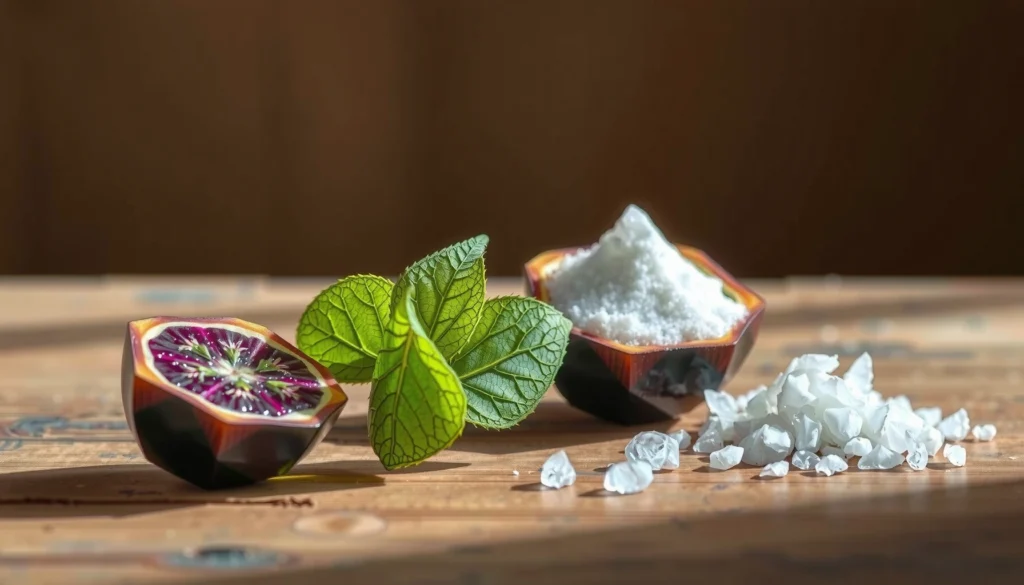
Monk fruit, also known as Siraitia grosvenorii, is a small, round fruit native to Southeast Asia, cherished for centuries for its unique sweetness. The sweet compounds in monk fruit are called mogrosides, which are powerful antioxidants and responsible for its sweetness, ranging from 150 to 250 times that of sugar. Monk fruit extract is zero-calorie and does not impact blood glucose levels, making it another superb natural option for diabetics. It is praised for its clean taste profile, with many users reporting no bitter or artificial aftertaste, distinguishing it from some stevia products. Monk fruit is highly heat-stable, making it suitable for a wide range of culinary uses, from baking and cooking to sweetening drinks and desserts. Its growing popularity is a testament to its desirable characteristics as a natural, non-caloric sweetener with a pleasant flavor.
Sugar Alcohols (Polyols)
Erythritol
Erythritol is a sugar alcohol that stands out due to its unique properties. It is naturally found in some fruits and fermented foods and is produced commercially through the fermentation of glucose. Erythritol is about 70% as sweet as sugar but contains almost no calories (0.2 kcal/g), significantly less than other sugar alcohols. What makes it particularly appealing is its excellent digestive tolerance. Unlike most other polyols, erythritol is largely absorbed in the small intestine and then excreted unchanged in the urine, minimizing its exposure to gut bacteria. This greatly reduces the likelihood of digestive upset, such as gas, bloating, or a laxative effect, which can occur with other sugar alcohols when consumed in larger quantities. Its clean taste, low caloric impact, and good digestive profile make it highly versatile for baking, cooking, and sweetening beverages, often used as a primary ingredient in commercial “sugar-free” blends.
Xylitol
Xylitol is another widely used sugar alcohol, naturally present in many fruits and vegetables, and commercially produced from birch wood or corn cobs. It boasts a sweetness profile very similar to sucrose (table sugar), making it an easy one-to-one substitute in recipes. While it contains calories (2.4 kcal/g), it’s significantly fewer than sugar (4 kcal/g) and has a minimal impact on blood sugar and insulin levels, making it suitable for diabetics. A significant benefit of xylitol, beyond its sweetness, is its positive impact on dental health; it inhibits the growth of bacteria that cause cavities and can help prevent plaque buildup. However, a crucial caution regarding xylitol is its extreme toxicity to pets, particularly dogs, even in small amounts, making it imperative to keep it away from animals. Like other sugar alcohols, excessive consumption can lead to gastrointestinal discomfort, including a laxative effect.
Other Polyols
Beyond erythritol and xylitol, several other sugar alcohols are commonly used in “sugar-free” products. These include sorbitol, maltitol, and isomalt.
* Sorbitol: Found naturally in fruits like apples and pears, sorbitol is about 60% as sweet as sugar and provides about 2.6 kcal/g. It’s often used in sugar-free gums, candies, and baked goods due to its ability to retain moisture. However, it is less completely absorbed than erythritol and can cause significant digestive upset, including gas and a laxative effect, in larger amounts.
* Maltitol: Derived from maltose, maltitol is 75-90% as sweet as sugar with about 2.1 kcal/g. It’s a popular choice in “sugar-free” chocolates and candies because its texture and mouthfeel closely resemble sugar. However, maltitol has a higher glycemic index than other polyols and can still cause a moderate rise in blood sugar in some individuals, making it less ideal for strict diabetic management. It also has a strong laxative effect when consumed in excess.
* Isomalt: Made from sucrose, isomalt is 45-65% as sweet as sugar and provides about 2 kcal/g. It is highly resistant to crystallization and humidity, making it excellent for hard candies, lozenges, and decorative sugar work. Like sorbitol, it can cause gastrointestinal discomfort in larger doses.
When choosing products containing these polyols, it is essential for diabetics to be mindful of serving sizes and monitor their individual blood sugar response and digestive tolerance, especially with maltitol which can affect blood glucose more significantly than other sugar alcohols.
Artificial Sweeteners: A Closer Look
Sucralose (Splenda)
Sucralose, commercially known as Splenda, is a high-intensity artificial sweetener derived from sucrose. Through a chemical process, three hydrogen-oxygen groups on the sugar molecule are replaced with chlorine atoms, making it 600 times sweeter than sugar and rendering it indigestible by the body, thus providing zero calories. Sucralose is highly heat-stable, allowing it to maintain its sweetness even at high temperatures, which makes it suitable for baking, cooking, and canning. It is widely used in a vast array of processed foods, beverages, chewing gums, and desserts. The FDA has deemed sucralose generally recognized as safe (GRAS) for human consumption, and numerous studies have affirmed its safety for diabetics, showing no significant impact on blood glucose or insulin levels.
Aspartame (Equal, NutraSweet)
Aspartame is an artificial sweetener composed of two amino acids, aspartic acid and phenylalanine. It is approximately 200 times sweeter than sugar, meaning only a tiny amount is needed to achieve desired sweetness. Aspartame is commonly found in “diet” soft drinks, sugar-free yogurts, chewing gums, and tabletop sweeteners like Equal and NutraSweet. While safe for the general population, it is crucial to note that individuals with phenylketonuria (PKU), a rare genetic disorder, must avoid aspartame. Their bodies cannot metabolize phenylalanine, leading to a buildup that can cause brain damage. Additionally, aspartame’s chemical structure can degrade under prolonged heat, which is why it is typically recommended for cold applications and added after cooking or baking.
Saccharin (Sweet’N Low)
Saccharin is one of the oldest artificial sweeteners, discovered in 1879. It is 300-400 times sweeter than sugar and is often recognized by its brand name, Sweet’N Low. Despite a period of controversy in the 1970s regarding potential carcinogenicity, extensive research has since confirmed saccharin’s safety for human consumption, leading to its removal from the FDA’s list of potential carcinogens. Saccharin is heat-stable and can be used in baking, cooking, and various food products. While generally safe and effective for blood sugar management, some individuals report a distinct metallic or bitter aftertaste, particularly at higher concentrations, which can affect its palatability for certain uses.
Choosing the Right Substitute for You
Taste Preferences and Aftertaste
The most significant factor in choosing a sugar substitute often boils down to individual taste preferences and sensitivity to aftertaste. What one person finds delightfully sweet, another might perceive as having an unpleasant chemical or bitter note. For instance, some individuals detect a slight licorice-like aftertaste with stevia, while others find monk fruit to have a cleaner finish. Erythritol sometimes imparts a “cooling” sensation in the mouth. Aspartame and saccharin can also have distinct aftertastes for certain palates. The best approach is often to experiment with small quantities of different sweeteners to determine which one aligns best with your personal sensory profile and specific dietary needs, ensuring long-term adherence to your diabetic management plan.
Cooking and Baking Stability
The performance of sugar substitutes varies significantly when exposed to heat, impacting their suitability for cooking and baking. Traditional sugar provides not just sweetness but also bulk, texture, moisture retention, and browning properties that are challenging to replicate.
* Heat Stability: Most artificial sweeteners (sucralose, saccharin) and natural zero-calorie sweeteners (stevia, monk fruit) are heat-stable and maintain their sweetness during cooking. Aspartame, however, degrades under prolonged heat, losing its sweetness.
* Bulk and Texture: Sweeteners like stevia and monk fruit are intensely sweet, meaning only tiny amounts are needed. In recipes where sugar provides significant bulk (e.g., cakes, cookies), these substitutes may need to be combined with bulking agents (like erythritol or fiber) to achieve the desired volume and texture. Sugar alcohols like erythritol and xylitol provide more bulk and can contribute to a more familiar texture.
* Browning: Sugar caramelizes and browns beautifully, a property that most sugar substitutes lack. Baked goods made with substitutes may appear paler, requiring adjustments like slightly higher oven temperatures or specific browning agents.
* Moisture Retention: Xylitol can retain moisture well, making it a good choice for some baked goods. Other substitutes may result in drier products, potentially requiring added moisture to recipes.
For successful baking, it’s often best to use blends specifically formulated for baking or to follow recipes that have been tested with particular sugar substitutes.
Potential Digestive Impact
While sugar substitutes offer significant benefits for diabetics, it is important to be aware of their potential digestive impact, especially with sugar alcohols. When consumed in large quantities, polyols such as sorbitol, maltitol, and even xylitol and erythritol can cause gastrointestinal discomfort. This is because they are not fully absorbed in the small intestine and can ferment in the large intestine, leading to symptoms like gas, bloating, abdominal cramping, and a laxative effect. Individual tolerance varies greatly. Some people might experience symptoms after only a small amount, while others can tolerate larger quantities without issue. To minimize potential discomfort, it is advisable to introduce sugar alcohols gradually into your diet and to consume them in moderation. Always pay attention to your body’s response and adjust your intake accordingly.
Incorporating Substitutes into Your Diabetic Diet
Start Small and Monitor
When introducing new sugar substitutes into your diet, a cautious approach is highly recommended. Begin with small quantities to assess your personal tolerance and taste preference. It’s crucial to observe how your body reacts, particularly concerning potential digestive issues and, most importantly, your blood sugar levels. Many individuals with diabetes find it beneficial to monitor their glucose readings before and after consuming foods containing a new sweetener. This direct feedback allows you to understand how different substitutes impact your unique metabolism, ensuring they contribute positively to your glycemic control without unexpected spikes or adverse effects. Keep a food diary to track consumption and corresponding blood sugar responses for a comprehensive understanding.
Mindful Consumption
While sugar substitutes offer a valuable tool for managing diabetes, they are not a license for unlimited consumption of sweet foods. Mindful consumption is key; these substitutes should complement an overall healthy, balanced diet rich in whole, unprocessed foods like vegetables, lean proteins, healthy fats, and complex carbohydrates. The primary focus should always be on nutrient-dense foods that naturally support stable blood sugar levels and provide essential vitamins and minerals. Over-reliance on sweeteners, even zero-calorie ones, can perpetuate a preference for intense sweetness, potentially displacing healthier food choices or leading to overconsumption of processed “sugar-free” items that may still contain unhealthy fats or refined flours. Embrace moderation and prioritize nutritional value over simply eliminating sugar.
Check Food Labels
Navigating the world of packaged foods with diabetes requires diligent label reading. Sugar substitutes often appear under various names on ingredient lists, and it’s important to recognize them. For example, stevia might be listed as “steviol glycosides” or “Reb A,” while monk fruit is “mogrosides.” Sugar alcohols will be identified by their specific names like “erythritol,” “xylitol,” “sorbitol,” or “maltitol.” Artificial sweeteners will appear as “sucralose,” “aspartame,” or “saccharin.” Furthermore, be aware that many “sugar-free” or “diet” products may contain a blend of sweeteners and often include bulking agents or other ingredients that could affect blood sugar or contribute to calorie intake. Always check the total carbohydrate count, including sugar alcohols if applicable, and consider serving sizes to manage your total intake effectively and avoid unintended glycemic impact.
Choosing the best sugar substitute for managing diabetes involves understanding the various options available, from natural extracts like stevia and monk fruit to sugar alcohols such as erythritol, and even artificial sweeteners. Each offers a way to enjoy sweetness without significantly impacting blood glucose, but personal preference, dietary needs, and how you plan to use them will guide your final decision. By starting small, monitoring your body’s response, practicing mindful consumption, and carefully checking food labels, you can effectively integrate these alternatives into your diet. Consult with your healthcare provider or a registered dietitian to determine the most suitable choices for your individual diabetes management plan and to ensure these substitutes complement your overall health goals.
Frequently Asked Questions
What are the safest and most effective sugar substitutes for diabetics?
For diabetics, the safest and most effective sugar substitutes are generally non-nutritive sweeteners that do not raise blood glucose levels. Excellent choices include stevia, monk fruit extract, and erythritol, which provide sweetness without impacting blood sugar. These options are often recommended because they offer significant sweetness with minimal to no calories or carbohydrates, making them ideal for managing blood sugar control. Always consult with a healthcare professional or registered dietitian to determine the best sugar substitute for your individual dietary needs.
How do common sugar substitutes like stevia, erythritol, and sucralose impact blood sugar levels?
Most common sugar substitutes like stevia, erythritol, and sucralose are designed to have minimal to no impact on blood sugar levels, making them safe for diabetics. Stevia and monk fruit are natural non-nutritive sweeteners, while erythritol is a sugar alcohol that is not fully metabolized, so they do not cause a glycemic response. Sucralose, an artificial sweetener, also passes through the body largely undigested, effectively preventing blood sugar spikes. This allows individuals with diabetes to enjoy sweet foods and beverages without compromising their glucose management.
Are “natural” sugar alternatives always better for diabetics than artificial sweeteners?
Not necessarily; the “natural” label doesn’t automatically mean a sugar alternative is superior or safer for diabetics. While natural options like stevia and monk fruit are excellent choices, some “natural” sweeteners like agave nectar or honey still contain significant amounts of sugar and carbohydrates, which can raise blood glucose. On the other hand, artificial sweeteners like sucralose and aspartame are rigorously tested and approved for safety, providing sweetness without impacting blood sugar. The key is to choose low-glycemic or non-nutritive options, regardless of whether they are marketed as natural or artificial.
Which sugar substitutes are best for baking and cooking applications for someone with diabetes?
For baking and cooking, selecting the right sugar substitute for diabetics involves considering how it performs under heat and its bulk. Erythritol is a popular choice for baking as it provides bulk similar to sugar and browns well, though it’s less sweet. Blends containing erythritol with stevia or monk fruit can offer a more balanced sweetness. Certain sucralose-based sweeteners are also formulated to withstand high temperatures, making them versatile for various culinary uses while ensuring blood sugar remains stable.
Why is it important for diabetics to choose sugar substitutes carefully, beyond just avoiding calories?
For diabetics, careful selection of sugar substitutes extends beyond calorie avoidance to crucial factors like glycemic impact and digestive tolerance. Some “sugar-free” products might still contain ingredients that raise blood glucose or cause digestive issues, such as certain sugar alcohols if consumed in large quantities. Choosing substitutes that truly do not affect blood sugar is paramount for diabetes management, preventing unwanted spikes and contributing to overall metabolic health. Additionally, some individuals may find certain sweeteners have an aftertaste or lead to gastrointestinal discomfort, making personal preference and tolerance important considerations.
References
- https://diabetes.org/healthy-living/recipes-nutrition/sweeteners
- Page Not Found – Site Help – Mayo Clinic
- https://www.health.harvard.edu/diseases-and-conditions/artificial-sweeteners-and-other-sugar-substitutes
- https://www.niddk.nih.gov/health-information/diabetes/overview/diet-eating-physical-activity/artificial-sweeteners
- https://health.clevelandclinic.org/what-are-the-best-and-worst-sugar-substitutes/
- Sugar substitute
- https://www.ucsfhealth.org/education/healthy-sweeteners-and-sugar-substitutes