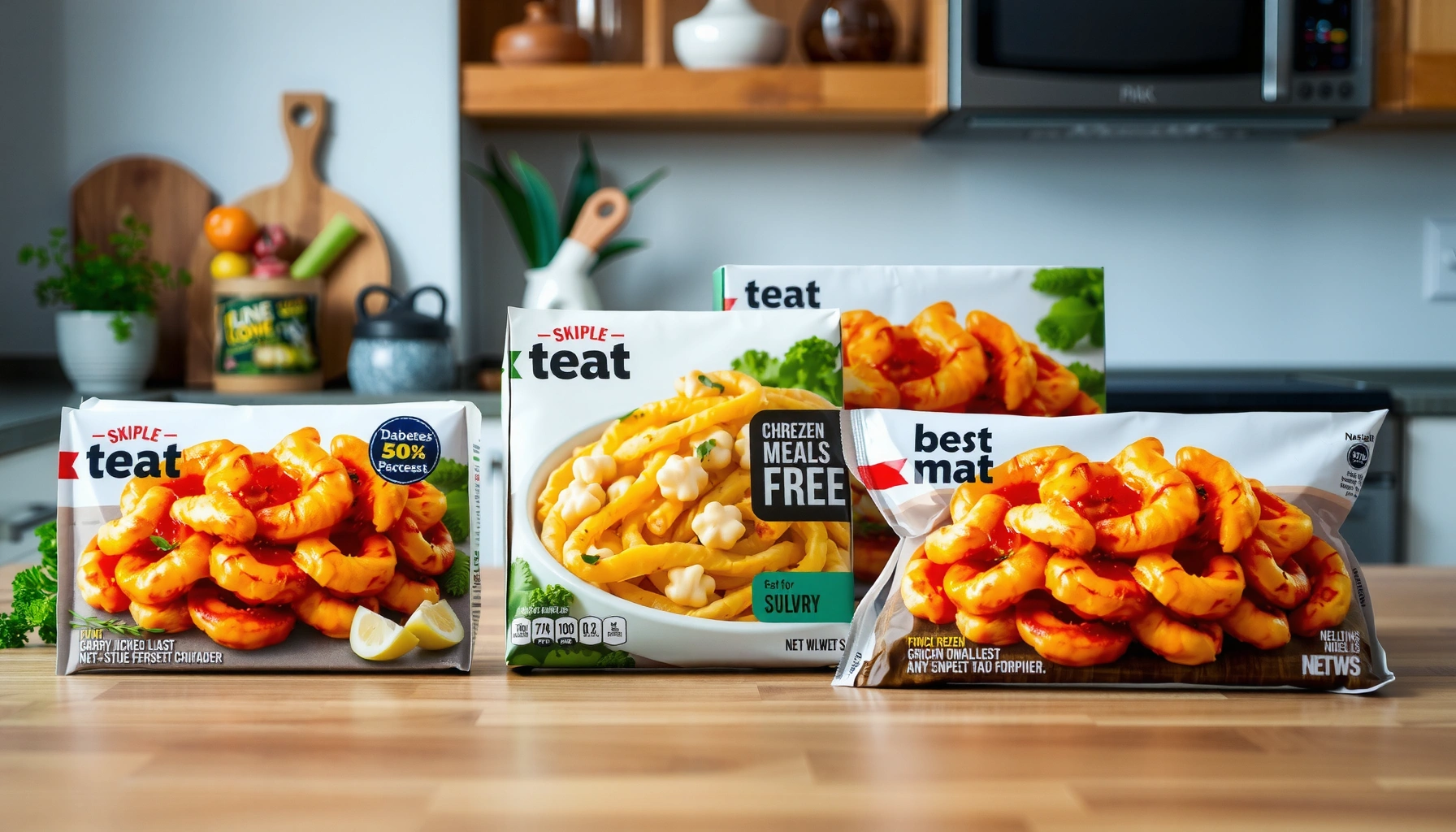

For individuals managing diabetes, the best frozen meals are those meticulously designed with controlled carbohydrates, high fiber, lean protein, and reduced sodium and added sugars. These options offer unparalleled convenience without compromising blood glucose management, making it easier to maintain a balanced diet even on busy days. By focusing on specific nutritional criteria and smart label reading, you can confidently select frozen meals that support your health goals and contribute positively to your overall well-being.




What Makes a Frozen Meal “Diabetic-Friendly”?
A frozen meal earns the “diabetic-friendly” designation by adhering to specific nutritional parameters crucial for blood glucose management and overall health. These parameters ensure that while offering convenience, the meal actively supports stable blood sugar levels and cardiovascular health, which is often a primary concern for individuals with diabetes.
* Controlled Carbohydrates: The cornerstone of diabetic meal planning is carbohydrate management. Diabetic-friendly frozen meals are formulated with moderate net carbohydrate counts, strategically balanced with fiber to mitigate rapid blood sugar spikes. “Net carbs” refers to the total carbohydrates minus fiber and, sometimes, sugar alcohols, as these components have a lesser impact on blood glucose. Aim for meals that provide a consistent and predictable carbohydrate portion, typically between 30-45 grams per meal, though individual needs may vary based on activity level and medication. This helps individuals easily integrate the meal into their daily carbohydrate budget.
* High Fiber Content: Fiber is a crucial dietary component for individuals with diabetes. Meals rich in dietary fiber—found abundantly in vegetables, whole grains, and legumes—help to slow down the digestion and absorption of carbohydrates, thereby preventing sharp rises in blood sugar. Furthermore, fiber promotes satiety, which can assist in weight management, and supports gut health. A truly diabetic-friendly meal should ideally contain at least 5-8 grams of fiber per serving, contributing significantly to the recommended daily intake.
* Lean Protein Sources: Adequate intake of lean protein is vital for managing hunger and maintaining muscle mass, with minimal direct impact on blood glucose levels. Protein also contributes to satiety, helping to reduce the likelihood of overeating or snacking on less healthy options between meals. Look for meals featuring lean protein sources such as chicken breast, turkey, fish (salmon, cod, tilapia), lean beef, tofu, tempeh, lentils, or beans. These options provide essential amino acids without excessive saturated fat, which is important for cardiovascular health.
* Reduced Sodium & Added Sugars: For individuals with diabetes, who often have an increased risk of heart disease and high blood pressure, minimizing sodium intake is paramount. Diabetic-friendly meals should contain significantly reduced sodium levels, ideally below 600mg per serving. Similarly, added sugars can cause rapid blood glucose spikes and contribute to unnecessary calorie intake without nutritional benefit. Prioritize meals with little to no added sugars, distinguishing them from naturally occurring sugars found in fruits and dairy. Monitoring these two components helps support heart health and maintain stable blood sugar.
Decoding the Nutrition Label for Diabetics
Mastering the art of reading nutrition labels is an indispensable skill for anyone managing diabetes. It empowers you to make informed decisions beyond marketing claims, ensuring that your frozen meal choices align with your health goals.
* Prioritize Total & Net Carbs: When reviewing a nutrition label, always start with the “Total Carbohydrate” count. For individuals with diabetes, understanding the difference between total and net carbs is key. To calculate net carbs, subtract the “Dietary Fiber” from the “Total Carbohydrate” amount. Some labels may also list “sugar alcohols” which can also be partially subtracted, though their impact on blood sugar varies. Consistency in carbohydrate counting, whether total or net, is crucial for effective blood glucose management. Aim for meals that offer a consistent and manageable carbohydrate portion that fits within your personalized meal plan.
* Scrutinize Added Sugars: This section warrants particular attention. The label distinguishes between “Total Sugars” and “Added Sugars.” While total sugars include those naturally present in ingredients like fruits and dairy, “Added Sugars” are those directly incorporated during processing. For diabetic-friendly meals, aim for products with very low or, ideally, zero added sugars to prevent unnecessary blood glucose spikes and minimize empty calories. Be vigilant for various names for added sugars in the ingredient list, such as corn syrup, dextrose, fructose, maltose, sucrose, honey, agave nectar, and fruit juice concentrate.
* Monitor Sodium Levels: High sodium intake can elevate blood pressure, increasing the risk of cardiovascular complications, which is a particular concern for individuals with diabetes. Look for frozen meals that specify “low sodium” or contain less than 600mg of sodium per serving. Ideally, try to select options below 400mg per serving for optimal heart health. Comparing products is essential, as sodium content can vary dramatically even within similar meal categories from different brands.
* Assess Fat Quality: While fat doesn’t directly raise blood sugar, the type of fat consumed impacts heart health. Prioritize meals with healthy fats, predominantly monounsaturated and polyunsaturated fats (found in olive oil, nuts, seeds, avocados), and lower levels of saturated and trans fats. Check the “Total Fat” and then specifically look at “Saturated Fat” and “Trans Fat.” Aim for saturated fat to be less than 10% of total calories and avoid trans fats entirely. Meals featuring healthy fats can contribute to satiety and overall well-being.
Top Frozen Meal Brands and Categories to Consider
The frozen food aisle offers an increasing array of options suitable for a diabetic diet. Knowing which brands and categories generally align with your nutritional needs can significantly streamline your shopping experience.
* Diabetic-Specific Brands and Lines: Several well-known brands have recognized the growing demand for health-conscious options and have developed specific lines catering to dietary needs such as diabetes. Brands like Healthy Choice Power Bowls often feature whole grains like quinoa or brown rice, lean proteins, and ample vegetables, while keeping sodium and added sugars in check. Lean Cuisine offers various “Balance Bowls” or “Hearty & Satisfying” options that frequently align with controlled carb and calorie targets. Amy’s Kitchen, known for its organic and vegetarian offerings, also has “Light & Lean” selections that focus on whole ingredients, making them suitable choices when carefully reviewed for carbohydrate content. Always cross-reference with their specific nutritional information, as formulations can vary.
* Whole Grain & Vegetable-Rich Options: Prioritize frozen meals where vegetables and whole grains are listed as primary ingredients and are visibly abundant. Meals centered around ingredients such as quinoa, brown rice, farro, or whole wheat pasta, coupled with a generous serving of non-starchy vegetables (broccoli, spinach, bell peppers, green beans), naturally tend to be higher in fiber and lower on the glycemic index. Examples include vegetable stir-fries with brown rice, lentil-based stews, or quinoa bowls with roasted vegetables. These options provide essential nutrients and fiber, supporting satiety and stable blood sugar.
* High-Protein Meals: Selecting meals with a strong emphasis on high-quality, lean protein can be highly beneficial for blood sugar management and satiety. Protein helps slow digestion and absorption of carbohydrates, reducing post-meal glucose spikes. Look for frozen entrees featuring grilled chicken, baked fish (like salmon or cod), lean beef, or plant-based proteins such as tofu, tempeh, or substantial legume dishes (e.g., black bean burgers, lentil shepherd’s pie). These meals not only stabilize blood sugar but also help maintain muscle mass and keep hunger at bay, preventing impulsive snacking.
Smart Strategies for Choosing Your Meals
Navigating the vast selection of frozen meals requires a strategic approach. Beyond basic label reading, employing these tactics will ensure you consistently make the best choices for your health.
* Read Ingredient Lists: The ingredient list provides a transparent look at what truly makes up your meal. Prioritize meals with whole, recognizable ingredients at the top of the list, indicating their higher proportion in the product. Look for ingredients you would use in your own kitchen—lean proteins, whole grains, and a variety of vegetables. Be wary of products with long lists of artificial additives, preservatives, excessive amounts of sodium or sugar, and unpronounceable chemicals. The fewer highly processed ingredients, the better for overall health and blood sugar control.
* Compare Nutritional Panels: Never settle for the first option. Always compare the nutritional panels of different brands and varieties of similar frozen meals. Lay out several options side-by-side (mentally or physically) and compare total carbohydrates, fiber, added sugars, and sodium levels. You might find significant differences that aren’t obvious from the packaging. For instance, one brand’s chicken stir-fry might have 30g of carbs and 5g of fiber, while another has 50g of carbs and only 2g of fiber. This critical comparison empowers you to select the meal with the most favorable nutritional profile for your specific dietary needs.
* Check Portion Sizes: The nutritional information is always based on a specific serving size. It’s crucial to check if the listed serving size aligns with what you typically eat or what your dietary plan dictates. Some frozen meals may appear to be a single serving but are actually designed for two, leading to unintentional overconsumption of calories, carbohydrates, and sodium. Conversely, some “single-serving” meals might be too small to be satisfying. Be prepared to adjust your intake or supplement with additional low-carb, high-fiber components if the portion size doesn’t match your needs to avoid blood sugar fluctuations or hunger pangs.
Enhancing Your Frozen Meal for Optimal Health
While frozen meals offer convenience, they can sometimes lack the freshness and nutrient density of a home-cooked meal. Fortunately, with a few simple additions, you can significantly boost their nutritional value and make them even more beneficial for managing diabetes.
* Add Fresh Vegetables: This is perhaps the easiest and most impactful enhancement. Frozen meals often fall short in their vegetable content. By adding a generous portion of fresh or lightly steamed non-starchy vegetables, you immediately increase the fiber, vitamin, and mineral content without significantly impacting carbohydrates or calories. Think a side salad with a light vinaigrette, steamed broccoli, roasted asparagus, sautéed spinach, or sliced bell peppers. This strategy helps you feel fuller, aids digestion, and provides a broader spectrum of essential micronutrients.
* Incorporate Healthy Fats: While many frozen meals are designed to be lower in fat, incorporating a small amount of healthy fats can enhance satiety and aid in the absorption of fat-soluble vitamins. Drizzle your meal with a tablespoon of extra virgin olive oil, sprinkle a few nuts (almonds, walnuts) or seeds (chia, flax, pumpkin) over it, or add a few slices of avocado. These healthy fats are known to support heart health and can help stabilize blood sugar by slowing gastric emptying, contributing to a more sustained feeling of fullness.
* Boost Protein: Sometimes, even “high-protein” frozen meals might not meet your individual protein needs for optimal satiety and blood sugar control. To further boost the protein content, consider adding a hard-boiled egg, a scoop of cottage cheese, a small portion of grilled chicken or fish (if you have leftovers), or a sprinkle of nutritional yeast. This extra protein will help keep you feeling full longer, minimize cravings, and support muscle maintenance, which is particularly important for individuals managing diabetes.
* Hydrate Mindfully: Pair your enhanced frozen meal with a beverage that supports your health goals. Water is always the best choice, as it aids digestion, hydration, and can help you feel fuller. Unsweetened tea (green, black, or herbal) or unsweetened sparkling water are also excellent options. Avoid sugary sodas, fruit juices (even 100% juice can cause blood sugar spikes due to concentrated sugars), and sweetened beverages, as these can quickly undermine your efforts to manage blood glucose and contribute to unnecessary calorie intake.
Common Pitfalls and What to Avoid
Despite the convenience and growing number of healthier options, the frozen meal aisle still harbors potential pitfalls for individuals managing diabetes. Being aware of these common traps can help you make consistently better choices.
* “Diet” or “Light” Misconceptions: The terms “diet,” “light,” or “low-calorie” on packaging can be highly misleading. These labels often refer to reduced fat or calorie content, but they don’t automatically guarantee suitability for a diabetic diet. A “light” meal might still be surprisingly high in carbohydrates, added sugars, or sodium. For instance, a low-fat dessert meal might compensate with excessive sugar, or a low-calorie pasta dish might lack sufficient fiber and protein to prevent a blood sugar spike. Always, and without exception, cross-reference these claims with the full nutrition label, focusing specifically on net carbs, fiber, added sugars, and sodium.
* Hidden Sodium Bombs: Even seemingly healthy or vegetarian frozen meals can be surprisingly high in sodium. Manufacturers often use sodium not just for flavor, but also as a preservative, extending shelf life. Meals like frozen soups, pasta dishes with creamy sauces, Asian-inspired entrees (teriyaki, soy-based sauces), and many casseroles can easily exceed your daily recommended sodium intake in a single serving. High sodium intake is a significant concern for individuals with diabetes due to its strong link to hypertension and increased risk of cardiovascular disease. Always check the sodium content, aiming for options under 600mg, and ideally lower, per meal.
* Over-reliance on Frozen Meals: While convenient, over-reliance on frozen meals as the sole component of your diet can lead to a lack of dietary diversity and potential nutrient gaps. Even the best frozen meals cannot fully replicate the broad spectrum of nutrients, antioxidants, and beneficial plant compounds found in a diet rich in fresh, whole, unprocessed foods. Use frozen meals as a convenient supplement—a solution for busy days or when cooking isn’t feasible—rather than the default for every meal. Strive for a balanced approach that incorporates fresh produce, lean proteins, and whole grains prepared at home whenever possible to ensure optimal nutrition and variety.
Integrating the right frozen meals into your diet can be a convenient and effective way to manage diabetes without sacrificing flavor or nutrition. By becoming a savvy label reader and choosing options rich in fiber, lean protein, and controlled carbs, while mindful of sodium and added sugars, you can empower yourself to make healthier choices that support stable blood glucose and overall well-being. Start exploring the variety of diabetic-friendly frozen meals available today, and consider consulting with a registered dietitian to tailor choices to your individual needs and create a comprehensive, sustainable meal plan.
Frequently Asked Questions
What key nutritional factors should diabetics look for when buying frozen meals?
Diabetics should prioritize frozen meals with controlled carbohydrate counts, ideally 30-45 grams per meal, as carbs directly impact blood sugar. Look for high fiber content (3-5+ grams) to help manage glucose levels and promote satiety. Additionally, choose options low in sodium (under 600mg) to support cardiovascular health and limit saturated and trans fats for overall well-being when selecting diabetic-friendly frozen meals.
Why are many frozen meals unsuitable for diabetics, and what should I be wary of?
Many conventional frozen meals are unsuitable for diabetics due to excessively high sodium levels, which can contribute to high blood pressure, and hidden sugars that spike blood glucose. They often also contain refined carbohydrates and lack sufficient fiber, leading to poor blood sugar control. Be wary of large portion sizes and meals heavy in creamy sauces or processed meats, as these tend to be calorie-dense and nutritionally unbalanced for diabetes management.
What types of frozen meals are typically recommended for people with diabetes?
Look for frozen meals featuring lean proteins like chicken breast or fish, paired with non-starchy vegetables such as broccoli, spinach, or green beans. Meals emphasizing whole grains, like quinoa or brown rice in controlled portions, are also good choices. Opt for options clearly labeled “low-carb,” “healthy heart,” or “diabetes-friendly” that provide clear nutritional information, allowing you to easily check carb, fiber, and sodium counts suitable for diabetic frozen meals.
How can I make frozen meals a healthier part of my diabetic meal plan?
To enhance the nutritional value of diabetic-friendly frozen meals, supplement them with fresh components. Add a side salad with light dressing, a serving of steamed non-starchy vegetables, or a handful of berries to boost fiber and nutrient intake. Always check the portion size and, if needed, divide a larger meal into two servings to better manage carbohydrate and calorie consumption for stable blood sugar control.
Can frozen meals labeled “healthy” or “diet” truly benefit blood sugar control for diabetics?
While “healthy” or “diet” labels on frozen meals can be a starting point, it’s crucial for diabetics to always scrutinize the nutrition label, as marketing terms can be misleading. A meal might be low-calorie but still high in refined carbs, added sugars, or sodium, which negatively impacts blood sugar and overall health. Focus on the actual macronutrient breakdown, fiber content, and ingredients list to ensure it truly aligns with your diabetes management goals and supports stable blood sugar.
References
- https://diabetes.org/healthy-living/recipes-nutrition/healthy-food-choices/convenience-foods
- https://www.health.harvard.edu/staying-healthy/ask-the-doctor-what-about-processed-foods-and-type-2-diabetes
- Healthy Living with Diabetes – NIDDK
- Diabetes diet: Create your healthy-eating plan – Mayo Clinic
- https://www.ucsfhealth.org/education/eating-for-a-healthy-heart-and-diabetes
- https://wexnermedical.osu.edu/blog/diabetes-awareness-month-easy-swaps-for-meal-prep
- https://health.clevelandclinic.org/how-to-eat-healthy-when-youre-short-on-time/