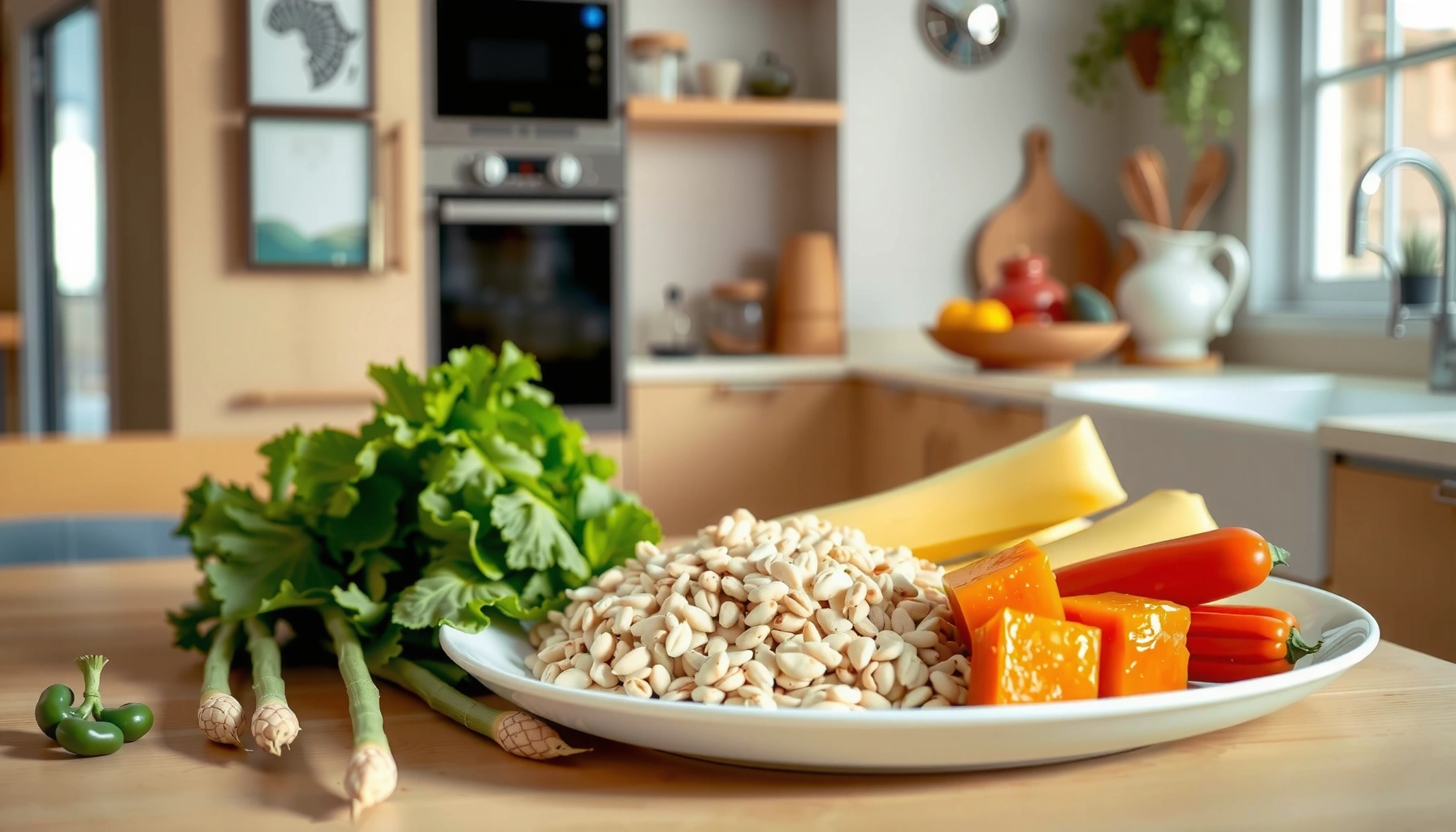

To best prevent diabetes, prioritize a diet rich in whole grains, fiber-rich vegetables, lean proteins, and healthy fats, while limiting processed foods and sugary drinks. These dietary choices play a crucial role in stabilizing blood sugar, improving insulin sensitivity, and maintaining a healthy weight, which are all vital for preventing the onset of type 2 diabetes. This article outlines the specific foods you should incorporate into your daily routine to significantly reduce your risk by empowering your body’s natural metabolic processes and fostering long-term well-being.




Whole Grains and Fiber-Rich Powerhouses
The foundation of a diabetes-preventative diet often rests on complex carbohydrates, which are digested slowly, providing a steady release of glucose into the bloodstream rather than rapid spikes. Opt for truly whole grains like oats, quinoa, brown rice, barley, farro, and bulgur. Unlike their refined counterparts (white bread, white rice), these grains retain their bran and germ, which are packed with fiber, vitamins, and minerals. This fibrous outer layer acts as a natural barrier, slowing the enzymatic breakdown of starches into sugars, thus preventing sharp increases in blood glucose levels and reducing the demand on insulin production. Consuming complex carbohydrates in this manner provides sustained energy, eliminating the energy crashes often associated with simple sugars and refined grains.
Furthermore, significantly increasing your intake of dietary fiber, particularly from legumes such as black beans, lentils, chickpeas, and kidney beans, as well as whole-grain breads (ensuring they are 100% whole grain with high fiber content), is paramount. Fiber, both soluble and insoluble, plays a multifaceted role in improving insulin sensitivity and digestive health. Soluble fiber, found abundantly in oats and legumes, forms a gel-like substance in the digestive tract, further slowing glucose absorption and helping to lower cholesterol. Insoluble fiber, present in many vegetables and whole grains, adds bulk to stool, promoting regular bowel movements and supporting a healthy gut microbiome, which recent research suggests has a profound impact on metabolic health and inflammation. A robust gut microbiome can influence how nutrients are absorbed and metabolized, potentially improving the body’s response to insulin.
Beyond its impact on blood sugar and gut health, fiber is an exceptional tool for weight management. Foods high in fiber are typically more voluminous and require more chewing, which contributes to feelings of satiety and fullness. This enhanced satiety helps to naturally reduce overall calorie intake, preventing overeating and unnecessary snacking. Given that obesity and excess weight are among the strongest risk factors for type 2 diabetes, maintaining a healthy weight through a fiber-rich diet is a critical, proactive step in prevention. Studies consistently demonstrate that individuals with higher dietary fiber intake exhibit a lower risk of developing type 2 diabetes, underscoring its pivotal role.
Non-Starchy Vegetables: Your Plate’s Foundation
Making non-starchy vegetables the cornerstone of your meals is one of the most effective strategies for diabetes prevention. A simple yet powerful rule is to fill half your plate with a vibrant assortment of colorful vegetables suchs as spinach, broccoli, bell peppers, kale, leafy greens (like romaine and collard greens), asparagus, cauliflower, cucumbers, and zucchini. These vegetables are nutritional powerhouses, delivering a broad spectrum of vitamins, minerals, and phytonutrients with minimal caloric impact. Their high water and fiber content means they are incredibly filling without contributing significantly to your daily calorie count, making them invaluable for weight management.
Crucially, non-starchy vegetables have a negligible impact on blood sugar levels, making them a “free food” in terms of carbohydrate counting for many individuals. Their low glycemic index ensures that they do not trigger rapid glucose spikes, thereby reducing the burden on the pancreas to produce insulin. This characteristic is particularly important for individuals at risk of prediabetes or those looking to stabilize their blood glucose proactively. Incorporating a wide variety of these vegetables into every meal—whether raw in salads, steamed, roasted, or sautéed—ensures a diverse intake of beneficial compounds.
Beyond their low-calorie and low-sugar profile, these vegetables are exceptionally rich in antioxidants and vital vitamins, playing a direct role in supporting overall metabolic health and reducing systemic inflammation. Antioxidants, such as vitamin C, vitamin E, beta-carotene, and various flavonoids, combat oxidative stress, a cellular imbalance implicated in the development of insulin resistance and chronic diseases like diabetes. For instance, the sulforaphane in broccoli and the lutein in spinach offer powerful protective effects. Chronic low-grade inflammation is a significant contributor to insulin resistance, where the body’s cells become less responsive to insulin. By providing anti-inflammatory compounds, non-starchy vegetables help to mitigate this inflammation, improving cellular function and enhancing the body’s ability to utilize glucose efficiently. This rich nutrient profile supports not just glucose metabolism but also cardiovascular health and immune function, creating a robust internal environment resistant to disease.
Lean Proteins for Stable Blood Sugar
Incorporating adequate lean protein into every meal is a crucial dietary strategy for diabetes prevention, as it plays a significant role in blood sugar regulation and metabolic health. Excellent sources include fish, particularly fatty fish like salmon, tuna, mackerel, and sardines, which are rich in omega-3 fatty acids; skinless chicken breast and turkey; plant-based options such as tofu, tempeh, and edamame; eggs; and low-fat dairy like Greek yogurt and cottage cheese. Prioritizing lean protein ensures you get essential amino acids without excessive saturated fat, which can contribute to insulin resistance and cardiovascular issues.
Protein’s primary mechanism for supporting stable blood sugar lies in its ability to slow gastric emptying, meaning food moves more slowly from the stomach to the small intestine. This deceleration of digestion results in a more gradual absorption of glucose into the bloodstream, preventing the sharp, rapid blood sugar spikes that challenge insulin function. Consequently, the pancreas doesn’t need to release as much insulin at once, reducing the overall stress on the insulin-producing cells over time. This sustained release of energy also helps to maintain consistent blood glucose levels between meals, minimizing the risk of hypoglycemia and subsequent cravings.
Beyond its direct impact on glucose absorption, protein is essential for promoting satiety and supporting muscle mass, both of which are critical for diabetes prevention. Protein is the most satiating macronutrient; it keeps you feeling full for longer, reducing the likelihood of overeating and snacking on less healthy options. This enhanced satiety is invaluable for weight management, a cornerstone of diabetes prevention. Furthermore, adequate protein intake is vital for the maintenance and growth of muscle tissue. Muscle is metabolically active tissue, meaning it burns more calories at rest compared to fat tissue. More importantly, muscle cells are major sites for glucose uptake, even independent of insulin to some extent during physical activity. Building and preserving muscle mass through a combination of protein-rich foods and regular strength training can significantly improve insulin sensitivity and the body’s ability to manage blood sugar effectively. By supporting these physiological processes, lean proteins contribute powerfully to preventing both weight gain and insulin resistance.
Healthy Fats: Essential for Metabolic Health
Contrary to outdated dietary advice, healthy fats are not to be feared but embraced as essential components of a diet aimed at preventing diabetes. The key lies in incorporating monounsaturated fatty acids (MUFAs) and polyunsaturated fatty acids (PUFAs), particularly omega-3s, while limiting unhealthy trans and saturated fats. Excellent sources include avocados, which are rich in MUFAs and fiber; a variety of nuts like almonds, walnuts, pecans, and pistachios; seeds such as chia, flax, pumpkin, and sunflower seeds; and high-quality extra virgin olive oil. Fatty fish like salmon and mackerel are also superb sources of omega-3 PUFAs.
These healthy fats play a pivotal role in improving insulin sensitivity, a cornerstone of diabetes prevention. MUFAs and PUFAs help to maintain the fluidity and integrity of cell membranes, which are crucial for insulin receptors to function effectively. When cell membranes are healthy, insulin can bind more efficiently to its receptors, allowing glucose to enter cells more readily. This enhanced sensitivity reduces the pancreas’s need to produce excessive insulin, thereby preserving its function over time. Research consistently shows that diets rich in these beneficial fats are associated with a lower risk of insulin resistance and type 2 diabetes.
Moreover, healthy fats are instrumental in reducing systemic inflammation throughout the body. Chronic low-grade inflammation is a major contributor to insulin resistance and the progression of diabetes. Omega-3 fatty acids, found in fatty fish and flaxseeds, are particularly potent anti-inflammatory agents, helping to modulate immune responses and reduce pro-inflammatory markers. MUFAs, prevalent in olive oil and avocados, also exhibit anti-inflammatory properties. By mitigating inflammation, these fats create a more favorable internal environment for metabolic processes to function optimally.
Beyond these crucial metabolic benefits, healthy fats provide a concentrated and sustained source of energy. Unlike carbohydrates, which can lead to quick energy spikes and subsequent crashes, fats are digested slowly, offering a steady release of energy that helps stabilize blood sugar levels. This contributes to greater satiety, reducing cravings for sugary or refined carbohydrate-rich foods and supporting overall weight management. Additionally, healthy fats are essential for the absorption of fat-soluble vitamins (A, D, E, K), which are vital for numerous bodily functions, including immune health, bone health, and antioxidant defense, all contributing to overall well-being and resilience against chronic disease.
Smart Fruit Choices and Portion Control
While fruits are often lauded for their nutritional content, smart choices and portion control are key to incorporating them effectively into a diabetes-preventative diet, primarily due to their natural sugar content (fructose). The best choices are fruits with a lower glycemic index (GI) and high fiber content, as these attributes help to mitigate rapid blood sugar spikes. Excellent examples include various berries (strawberries, blueberries, raspberries, blackberries), which are packed with antioxidants and fiber; crisp apples and pears, especially with their skins on for maximum fiber; and citrus fruits like oranges, grapefruits, and tangerines. Other good options include cherries and peaches.
The fiber in these fruits is critical. It acts as a natural buffer, slowing down the absorption of fructose into the bloodstream and preventing sudden surges in blood glucose. This mechanism helps to stabilize blood sugar levels, reducing the insulin demand on the pancreas. Therefore, enjoying whole fruits in moderation allows you to reap the benefits of their abundant vitamins, minerals, and powerful antioxidants—such as vitamin C, potassium, and various polyphenols—without experiencing excessive sugar spikes. For instance, the anthocyanins in berries not only provide their vibrant color but also offer significant anti-inflammatory and antioxidant benefits that protect cells and improve metabolic health.
It is paramount to distinguish between whole fruits and fruit juices. While whole fruits come with their natural fiber intact, fruit juices (even 100% natural ones) strip away this beneficial fiber, leaving behind concentrated sugars. This lack of fiber means that the sugars in fruit juice are absorbed much more rapidly, leading to a quick and often significant spike in blood sugar. This rapid surge can place undue stress on the insulin-producing cells and contribute to insulin resistance over time. Consequently, consuming fruit juice regularly can negate the preventative benefits of whole fruits and actually increase the risk of developing type 2 diabetes. Therefore, opt for whole, unprocessed fruits and be mindful of portion sizes, aiming for one to two servings per day as part of a balanced dietary pattern.
Hydration and Unsweetened Beverages
Optimal hydration is a fundamental yet often overlooked component of a diabetes-preventative lifestyle. Making plain water your primary beverage choice is critical for supporting countless metabolic functions, maintaining electrolyte balance, and aiding in overall cellular health. Water plays a vital role in glucose metabolism, helping the kidneys remove excess glucose from the body through urine. Adequate hydration also helps maintain blood volume, which ensures efficient nutrient and oxygen delivery throughout the body, including to insulin-sensitive tissues. Furthermore, staying well-hydrated can prevent you from mistaking thirst for hunger, which can lead to unnecessary snacking and calorie intake, thus supporting healthy weight management. Aim to drink water consistently throughout the day, and consider adding slices of lemon, cucumber, or mint for natural flavor without added sugar.
Conversely, limiting sugary drinks, fruit juices, and sweetened teas is one of the most impactful dietary changes you can make to prevent diabetes. These beverages are often laden with added sugars, including high-fructose corn syrup, which can drastically spike blood sugar levels almost immediately upon consumption. Unlike the sugars found in whole fruits, these liquid sugars are absorbed very rapidly, placing an immense burden on the pancreas to produce a surge of insulin. Chronic consumption of such beverages leads to insulin resistance over time, where the body’s cells become less responsive to insulin, paving the way for prediabetes and eventually type 2 diabetes. Moreover, the empty calories in these drinks contribute significantly to weight gain and central adiposity (belly fat), both strong risk factors for the disease. Even “diet” sodas, while calorie-free, have been linked in some studies to altered gut microbiota and increased risk of metabolic syndrome, so moderation is advised.
Unsweetened coffee and green tea, on the other hand, can offer beneficial antioxidants and have been associated with a reduced risk of type 2 diabetes in some observational studies. Green tea, in particular, is rich in catechins like epigallocatechin gallate (EGCG), which have been shown to improve insulin sensitivity and reduce inflammation. Coffee also contains various antioxidants and compounds that may positively influence glucose metabolism. However, it’s crucial to consume these beverages in moderation and strictly without added sugars, artificial sweeteners, creamers, or syrups, which can undermine their potential health benefits and introduce unwanted calories or artificial ingredients. Focusing on water as your primary hydration source remains the gold standard for metabolic health and diabetes prevention.
Adopting a diet focused on whole, unprocessed foods is a powerful and proactive strategy in preventing type 2 diabetes. By consistently choosing whole grains, non-starchy vegetables, lean proteins, healthy fats, and smart fruit options, alongside adequate hydration, you empower your body to maintain stable blood sugar levels and optimize insulin function. These dietary shifts are not merely about restriction but about embracing a diverse, nutrient-rich eating pattern that supports cellular health, reduces inflammation, and fosters sustainable weight management. Start making these simple, delicious changes today to invest in a healthier, diabetes-free future, and consider consulting a healthcare professional or registered dietitian for personalized guidance tailored to your specific health needs and lifestyle.
Frequently Asked Questions
What are the best food groups to prioritize for preventing type 2 diabetes?
To effectively prevent type 2 diabetes, prioritize whole, unprocessed food groups such as non-starchy vegetables (e.g., leafy greens, broccoli), lean proteins (e.g., chicken breast, fish, beans), and healthy fats (e.g., avocados, nuts, olive oil). These foods provide essential nutrients, fiber, and healthy fats that help stabilize blood sugar levels and improve insulin sensitivity. Including a variety from these categories supports overall metabolic health.
How do fiber-rich foods specifically help in lowering the risk of developing diabetes?
Fiber-rich foods play a crucial role in diabetes prevention by slowing down the absorption of sugar into the bloodstream, which helps prevent sharp spikes in blood glucose levels. This steady release of glucose reduces the demand on insulin production, improving insulin sensitivity over time. Additionally, fiber promotes satiety, aiding in weight management, a key factor in reducing diabetes risk.
Which foods should I limit or avoid to significantly reduce my diabetes risk?
To significantly reduce your diabetes risk, it’s crucial to limit or avoid highly processed foods, sugary beverages, refined carbohydrates (like white bread, pastries), and foods high in unhealthy trans and saturated fats. These items can lead to rapid blood sugar spikes, contribute to insulin resistance, and promote weight gain, all of which are major risk factors for type 2 diabetes. Opting for whole, unprocessed alternatives is a much better choice for long-term health.
Why are healthy fats considered beneficial for diabetes prevention, and what are good sources?
Healthy fats, particularly monounsaturated and polyunsaturated fats, are beneficial for diabetes prevention because they can improve insulin sensitivity, reduce inflammation, and help manage weight by promoting satiety. Good sources include avocados, nuts (almonds, walnuts), seeds (chia, flax), olive oil, and fatty fish like salmon, which are rich in omega-3 fatty acids. Incorporating these healthy fats into your diet can support metabolic health without negatively impacting blood sugar.
What kind of healthy carbohydrates are recommended, and what are some examples to include in meals?
For diabetes prevention, focus on complex carbohydrates rich in fiber, as these are digested slowly and lead to a more gradual rise in blood sugar. Excellent examples to include in your meals are whole grains like quinoa, oats, and brown rice, along with legumes such as lentils and chickpeas. Non-starchy vegetables like spinach, bell peppers, and broccoli are also fantastic carbohydrate choices, providing essential vitamins and minerals without significant sugar spikes.
References
- Preventing Type 2 Diabetes – NIDDK
- https://www.cdc.gov/diabetes/basics/healthy-eating.html
- https://www.mayoclinic.org/diseases-conditions/type-2-diabetes/in-depth/diabetes-prevention/art-20047649
- https://www.hsph.harvard.edu/nutritionsource/disease-prevention/type-2-diabetes/
- https://diabetes.org/healthy-living/weight-loss/eating-prevent-type-2-diabetes
- https://medlineplus.gov/diabetesprevention.html
- Diet in diabetes