
For diabetic dogs, the best treats are low-calorie, low-sugar, and high in fiber or lean protein, such as plain cooked chicken, green beans, or specially formulated diabetic dog biscuits. Choosing appropriate treats is crucial for managing their blood sugar levels and overall health, ensuring they can still enjoy rewards without compromising their well-being. This guide will help you navigate safe and healthy options.


Understanding Diabetes and Treat Choices
Diabetes mellitus in dogs is a complex metabolic disorder characterized by the body’s inability to produce enough insulin (Type I, more common in dogs) or to properly use the insulin it produces (Type II). This results in elevated blood glucose levels, which, if not carefully managed, can lead to serious health complications like cataracts, kidney disease, nerve damage, and increased susceptibility to infections. The cornerstone of managing canine diabetes involves a precise combination of insulin therapy and a meticulously controlled diet.
Regular commercial dog treats often contain high levels of simple carbohydrates, sugars (like corn syrup, molasses, or sucrose), unhealthy fats, and artificial ingredients. For a diabetic dog, consuming such treats can have immediate and dangerous consequences. These ingredients are rapidly absorbed, leading to sharp and unpredictable spikes in blood glucose levels, making it exceedingly difficult to stabilize their condition. These fluctuations can counteract the effects of insulin, necessitating dosage adjustments that further complicate management. Moreover, high-fat treats can contribute to weight gain, which exacerbates insulin resistance, and may even trigger pancreatitis, a painful and potentially life-threatening inflammation of the pancreas, especially in dogs already predisposed due to their diabetic status.
Conversely, appropriate treats serve a vital role beyond mere indulgence. They significantly enhance a diabetic dog’s quality of life by allowing them to experience positive reinforcement, which is crucial for training, behavioral enrichment, and maintaining a strong human-animal bond. When selected wisely, treats can be integrated into the daily caloric intake without disrupting metabolic balance. They can act as a motivational tool during insulin administration or veterinary visits, making these necessary routines less stressful. Furthermore, certain high-fiber treats can actually contribute to better glucose regulation by slowing down sugar absorption, demonstrating how thoughtful treat choices can become an integral part of a comprehensive diabetic management plan.
What to Look for in Diabetic Dog Treats
Selecting the right treats for a diabetic dog requires a keen understanding of nutritional labels and an awareness of how different ingredients impact blood glucose. The primary goal is to find options that support stable blood sugar levels without adding unnecessary caloric burden or problematic ingredients.
* Low Calorie & Low Fat: This is paramount for diabetic dogs for several reasons. Many diabetic dogs are overweight or prone to weight gain, which can worsen insulin resistance and make blood sugar control more challenging. Low-calorie treats help manage weight effectively, allowing owners to offer rewards without contributing to obesity. Furthermore, high-fat diets, including high-fat treats, can significantly increase the risk of pancreatitis, a condition to which diabetic dogs are already more susceptible. Pancreatitis can cause severe abdominal pain, vomiting, diarrhea, and can further destabilize blood glucose levels. Therefore, treats that are lean and minimal in fat are ideal, helping to prevent both weight issues and pancreatic complications. Look for treats with less than 5% crude fat on the guaranteed analysis.
* No Added Sugars or Artificial Sweeteners: This rule is non-negotiable. Any form of added sugar, whether it’s corn syrup, sucrose, molasses, honey, fructose, or dextrose, will cause a rapid and dangerous surge in blood glucose levels. Even “natural” sugars are problematic. Critically, artificial sweeteners also pose risks. While some might not directly impact blood sugar, many are poorly studied in dogs, and one, in particular, is highly toxic: Xylitol. Xylitol, often found in human sugar-free products like gum, candies, certain peanut butters, and baked goods, causes a rapid and severe drop in a dog’s blood sugar (hypoglycemia) followed by potential liver failure. It is an emergency situation requiring immediate veterinary intervention and must be avoided at all costs. Always scrutinize ingredient lists for any form of sugar or sweetener.
* High Fiber & Lean Protein: These two components are incredibly beneficial for diabetic dogs.
* High Fiber: Dietary fiber, especially soluble fiber, plays a crucial role in regulating blood sugar. It slows down the digestion and absorption of carbohydrates, leading to a more gradual rise in blood glucose rather than a sharp spike. This contributes to greater blood sugar stability throughout the day. Fiber also promotes satiety, helping your dog feel fuller and reducing the likelihood of begging for more treats or overeating, which aids in weight management.
* Lean Protein: Protein is essential for maintaining muscle mass, supporting organ function, and providing energy without significantly impacting blood glucose levels. Lean protein sources, such as chicken breast, turkey, or certain fish, provide necessary amino acids without the excess fat and carbohydrates often found in less pure protein sources. They help maintain a healthy metabolism and support overall well-being in diabetic canines. When looking at treat labels, aim for protein content above 20-30% on a dry matter basis.
Top Store-Bought Options for Diabetic Dogs
While homemade treats offer great control, several reputable store-bought options are available that cater specifically to the dietary needs of diabetic dogs, providing convenience without compromise.
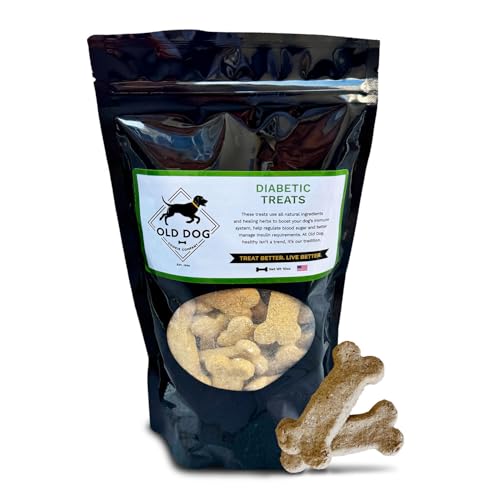
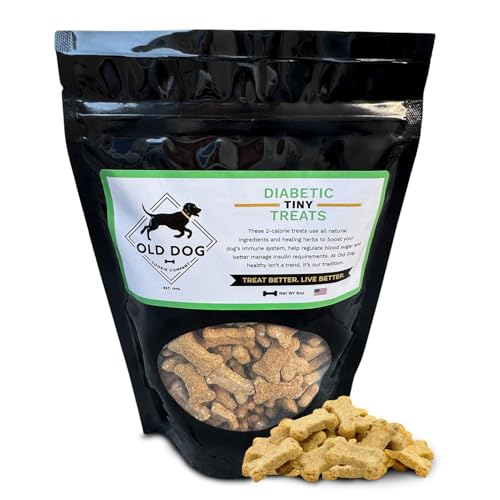
* Veterinary-Specific Diabetic Treats: These treats are often formulated by veterinary nutritionists to complement therapeutic diabetic diets. Brands like Purina Pro Plan Veterinary Diets, Royal Canin Veterinary Diet, and Hill’s Prescription Diet may offer specific treat lines designed for diabetic or weight management patients. These treats are typically low in calories, fat, and simple carbohydrates, with controlled glycemic indexes to minimize blood sugar fluctuations. They undergo rigorous testing and ingredient selection to ensure they are safe and effective within a carefully managed diabetic regimen. Always consult your veterinarian for specific recommendations from these specialized lines, as they can best advise on compatibility with your dog’s current diet and insulin protocol.
* Single-Ingredient Freeze-Dried Treats: These options are an excellent choice due to their simplicity and purity. Examples include freeze-dried chicken breast, beef liver, salmon, or sweet potato. The freeze-drying process removes moisture while preserving nutrients and flavor, resulting in a lightweight, crunchy, and highly palatable treat. The key advantage for diabetic dogs is their minimal processing and single-ingredient nature, meaning they are typically very low in carbohydrates, free from added sugars, fillers, and artificial ingredients. Freeze-dried meats are pure protein, which supports muscle health without impacting blood sugar, while freeze-dried sweet potato (in strict moderation due to natural sugars) offers a fiber source. Always double-check the label to ensure it’s truly a single ingredient with no hidden additives.
* Low-Calorie Crunchy Biscuits: Many pet food companies offer “weight management” or “healthy weight” biscuit lines that can be suitable for diabetic dogs, provided you scrutinize the ingredient list. Look for brands that explicitly state “low calorie,” “low fat,” or “diabetic-friendly.” Key ingredients to seek include whole grains (like oats or barley in moderation, as they have a lower glycemic index than wheat or corn), lean protein sources, and high fiber content (e.g., psyllium husk, beet pulp). Crucially, meticulously check the ingredient label for hidden sugars (dextrose, maltodextrin, corn syrup solids), unhealthy fats, or artificial preservatives. Ensure that the carbohydrate sources are complex and not overly abundant. A good rule of thumb is to look for options where the first few ingredients are not primarily starches or refined grains. Many brands are now offering grain-free options, but be cautious as some grain-free formulations can substitute grains with other high-starch ingredients like potatoes or tapioca, which can still cause blood sugar spikes.
Safe & Easy Homemade Treats for Diabetic Dogs
For pet owners who prefer to have complete control over their dog’s diet, preparing homemade treats is an excellent option. These treats are free from hidden ingredients and can be tailored precisely to your dog’s needs.
* Plain Cooked Lean Meats: This is arguably one of the best and simplest options. Small, bite-sized pieces of plain cooked lean meats are highly palatable, packed with protein, and virtually free of carbohydrates and sugars.
* Chicken Breast: Boiled or baked skinless, boneless chicken breast, shredded or diced, is an excellent choice. Ensure it’s cooked thoroughly without any oils, butter, salt, pepper, or other seasonings, as these can be detrimental to a dog’s health, especially one with underlying conditions.
* Turkey: Similar to chicken, lean turkey breast (without skin or bones) prepared plain is another safe and delicious option.
* Lean Beef: Small, plain pieces of boiled or baked lean beef (e.g., sirloin, round) can also be offered. Again, no seasoning, fat, or bones should be included. Always ensure the meat is well-cooked to eliminate any potential pathogens. These treats are highly motivating and easy to digest.
* Certain Vegetables: Many non-starchy vegetables are low in calories, high in fiber, and offer valuable vitamins and minerals without significantly impacting blood sugar. They provide a satisfying crunch and can be offered fresh or lightly steamed.
* Green Beans: Fresh or frozen (thawed) green beans are a fantastic, low-calorie, high-fiber treat. Many dogs love them, and they can be given in generous portions without concern for blood sugar.
* Cucumber Slices: Hydrating and extremely low in calories, cucumber slices are a refreshing and safe option.
* Carrots: While relatively low in calories, carrots do contain natural sugars, so they should be offered in moderation. Small, plain pieces are acceptable but avoid overfeeding.
* Bell Peppers: Small pieces of red or green bell pepper (avoiding the seeds and core) can be offered. They are low in calories and rich in antioxidants.
* Celery: Chopped celery is another crunchy, low-calorie, and fibrous option.
Always introduce new vegetables slowly to observe for any digestive upset, and ensure they are clean and cut into appropriate, choke-free sizes.
* Pumpkin (Plain Canned): A small spoonful of plain, unsweetened canned pumpkin (not pumpkin pie filling, which is loaded with sugar and spices) can be a beneficial treat. Pumpkin is an excellent source of dietary fiber, which can help regulate digestion and contribute to blood sugar stability by slowing carbohydrate absorption. Its high water content also aids in hydration. However, portion control is important as even plain pumpkin contains some natural sugars. A teaspoon or tablespoon for smaller to larger dogs, respectively, is usually sufficient. It can also be mixed into meals or frozen in small dollops as a cooling treat.
Treats to Absolutely Avoid for Diabetic Canines
Avoiding certain treats is as crucial as selecting appropriate ones for a diabetic dog. Inappropriate treats can have severe and immediate health consequences, ranging from dangerous blood sugar spikes to toxicity.
* High-Sugar Products: This category encompasses a vast array of human foods and many commercial pet treats that are strictly off-limits.
* Human Cookies, Candies, Pastries, Cakes: These items are notoriously high in refined sugars, unhealthy fats, and often contain ingredients like chocolate (toxic to dogs) or xylitol. Even a small amount can cause a rapid and dangerous surge in blood glucose, potentially leading to a diabetic emergency or worsening long-term complications.
* Syrups and Honey: These are concentrated forms of sugar and will cause immediate and significant blood sugar spikes. Avoid any treats that list honey, molasses, maple syrup, corn syrup, or similar ingredients.
* Fruit Juices or Sweetened Fruits: While whole fruits in moderation might be okay for some non-diabetic dogs, their concentrated sugar content makes fruit juices or overly sweet fruits (like grapes, which are also toxic) highly problematic for diabetic canines.
The rapid absorption of these sugars can overwhelm a diabetic dog’s system, making insulin management extremely challenging and posing a direct threat to their health.
* High-Fat and Starchy Items: These types of treats can also lead to significant issues beyond just blood sugar instability.
* Fatty Meats (e.g., Bacon, Sausage, Fat Trimmings): High-fat foods are detrimental as they can contribute to weight gain, which exacerbates insulin resistance. More critically, fatty treats dramatically increase the risk of pancreatitis, a severe inflammation of the pancreas that is particularly dangerous for diabetic dogs. Pancreatitis is painful and can lead to organ damage or even death.
* Cheese: While often a tempting treat, most cheeses are high in fat and calories. Even low-fat cheeses can still be too rich and contribute to weight gain or digestive upset in sensitive diabetic dogs.
* Potatoes, Bread, Pasta: These are high in complex carbohydrates (starches) that break down into sugars. While not as rapid as simple sugars, they can still cause substantial blood glucose elevations and contribute to the dog’s overall carbohydrate load, making it harder to maintain stable blood sugar levels. Avoid human table scraps like mashed potatoes, bread crusts, or pasta.
These items can disrupt a diabetic dog’s delicate metabolic balance and increase the risk of secondary health complications.
* Xylitol-Containing Products: This is perhaps the most critical item to avoid. Xylitol is a sugar alcohol used as a sugar substitute in a wide array of human products, including:
* Sugar-Free Gum and Candies
* Some Peanut Butters (always check the label!)
* Toothpaste and Mouthwash
* Baked Goods
* Certain Medications and Supplements
* Sugar-Free Syrups and Jams
Xylitol is profoundly toxic to dogs. Even a small amount can cause a rapid and life-threatening drop in blood sugar (hypoglycemia) within minutes to hours of ingestion, leading to symptoms like weakness, vomiting, ataxia (loss of coordination), seizures, and collapse. In higher doses, it can cause severe liver failure. If you suspect your dog has ingested xylitol, it is an immediate veterinary emergency. Time is critical for successful treatment. Always read labels carefully on any human product before giving it to your dog, especially if it’s labeled “sugar-free” or “low-carb.”
Portion Control and Vet Consultation for Treats
Even the best-intentioned treat choices can become problematic without proper portion control and, most importantly, ongoing communication with your veterinarian. Managing canine diabetes is a dynamic process that requires constant vigilance.
* Treats as Part of Daily Calories: Treats, regardless of how healthy they are, contribute to your dog’s total daily caloric intake. For a diabetic dog, every calorie counts. It is crucial to factor treats into their prescribed daily meal plan. A common veterinary guideline suggests that treats should not exceed 10% of a dog’s total daily calories. Exceeding this can lead to weight gain, which exacerbates insulin resistance, and can skew the delicate balance between food intake and insulin dosage. To accurately manage this, work with your vet to calculate your dog’s ideal daily caloric needs, then subtract the calories allocated for treats from their main meal portions. This ensures that their nutritional requirements are met without overfeeding or disrupting their blood glucose management. For example, if your dog needs 500 calories per day, no more than 50 of those should come from treats.
* Moderation is Key: Even for approved, low-calorie, and low-sugar treats, moderation is paramount. While green beans are healthy, feeding an excessive amount can still lead to digestive upset or disproportionately fill your dog, potentially reducing their intake of their nutritionally complete main diet. More importantly, even healthy treats can have a subtle impact on blood sugar levels if given in large quantities. Small, infrequent rewards are generally preferred over large, frequent ones. The goal is to provide positive reinforcement without creating a significant nutritional impact or causing unnecessary blood sugar fluctuations. Consistency in portion size and timing of treats can also help your veterinarian fine-tune insulin dosages.
* Always Consult Your Veterinarian: This point cannot be overstressed. Your veterinarian is your primary resource for managing your dog’s diabetes.
* Individualized Plan: Every diabetic dog is unique. Their insulin dosage, specific dietary needs, activity level, and concurrent health issues will dictate what treats are truly safe and appropriate. What works for one diabetic dog might not be suitable for another.
* Monitoring and Adjustment: Your vet relies on accurate information about your dog’s diet and treat intake to monitor blood glucose curves and make necessary adjustments to insulin dosages. Introducing new treats without their knowledge can confound these efforts, making it harder to achieve stable blood sugar control.
* Safety Assurance: Before introducing any new store-bought or homemade treat, discuss it with your vet. They can review ingredient lists, assess the nutritional profile, and advise on appropriate portion sizes. They can also provide guidance on how to observe for any adverse reactions or blood sugar changes.
Regular check-ups and open communication with your veterinary team are essential for the long-term health and well-being of your diabetic canine companion.
Choosing the right treats for your diabetic dog is a simple yet impactful way to show your love while supporting their health. By focusing on low-calorie, low-sugar, and high-fiber or lean protein options, you can safely reward your furry friend. Always prioritize veterinary advice when introducing new foods or treats to ensure they align with your dog’s individualized care plan, helping them live a long, happy, and well-managed life.
Frequently Asked Questions
What are the best dog treats for diabetic dogs?
The best dog treats for diabetic dogs are typically low in sugar, carbohydrates, and fat, while being high in protein and fiber. Excellent choices include single-ingredient meat jerkies (like dehydrated chicken or beef), crunchy vegetables such as green beans or carrots in moderation, and specially formulated commercial diabetic dog treats that explicitly state “low glycemic” or “diabetes-friendly.” Always prioritize treats that won’t cause spikes in blood sugar levels.
How do I choose safe and healthy treats for a diabetic dog?
When choosing safe and healthy treats for a diabetic dog, prioritize reading ingredient labels carefully to identify low-sugar, low-fat, and high-protein options. Look for treats with whole, recognizable ingredients and avoid those containing corn syrup, molasses, artificial sweeteners, or excessive grains that can impact blood glucose. Consulting your veterinarian for specific recommendations tailored to your dog’s condition is always the best approach to ensure optimal diabetes management.
Which ingredients should I look for and avoid in diabetic dog treats?
For diabetic dog treats, look for high-quality protein sources like lean meats (chicken, turkey, beef) and fiber-rich vegetables such as broccoli, green beans, or pumpkin. You should strictly avoid ingredients like corn syrup, molasses, fructose, honey, and other added sugars, as well as artificial sweeteners like xylitol (which is highly toxic to dogs). Also, limit treats with excessive simple carbohydrates or high-fat content, which can destabilize blood sugar.
Can I make homemade treats for my diabetic dog, and what are some good recipes?
Yes, making homemade treats is an excellent way to control ingredients and provide healthy options for your diabetic dog. Simple recipes often include baked lean ground meat (like turkey or chicken) mixed with a small amount of non-starchy vegetables such as pureed green beans or finely grated carrots. Another popular option is dehydrated lean meat strips without any added salt or seasoning. Always ensure any homemade treats are approved by your vet to maintain blood sugar stability.
Why is choosing the right treats so crucial for managing canine diabetes?
Choosing the right treats is absolutely crucial for effectively managing canine diabetes because inappropriate snacks can severely disrupt blood sugar levels, making insulin regulation challenging. High-sugar or high-carb treats can cause dangerous glucose spikes, while consistent, low-glycemic options help maintain stability and prevent serious health complications. Thoughtful treat selection is a key component of a successful diabetes management plan, directly impacting your dog’s health and well-being.
References
- Kennel Cough in Dogs – Veterinary Partner – VIN
- https://vetmed.tufts.edu/news-events/news/diabetic-dog-diet-what-feed-diabetic-dog
- https://www.vet.cornell.edu/departments-centers-and-institutes/cornell-university-hospital-animals/pets/dogs/canine-diabetes-mellitus
- https://www.vetmed.ucdavis.edu/hospital/small-animal/internal-medicine/canine-diabetes
- https://www.akc.org/expert-advice/health/canine-diabetes-what-you-need-to-know/
- https://www.vetmed.wsu.edu/outreach/Pet-Health-Topics/categories/diseases/diabetes-mellitus-in-dogs
- Diabetes in dogs – PDSA