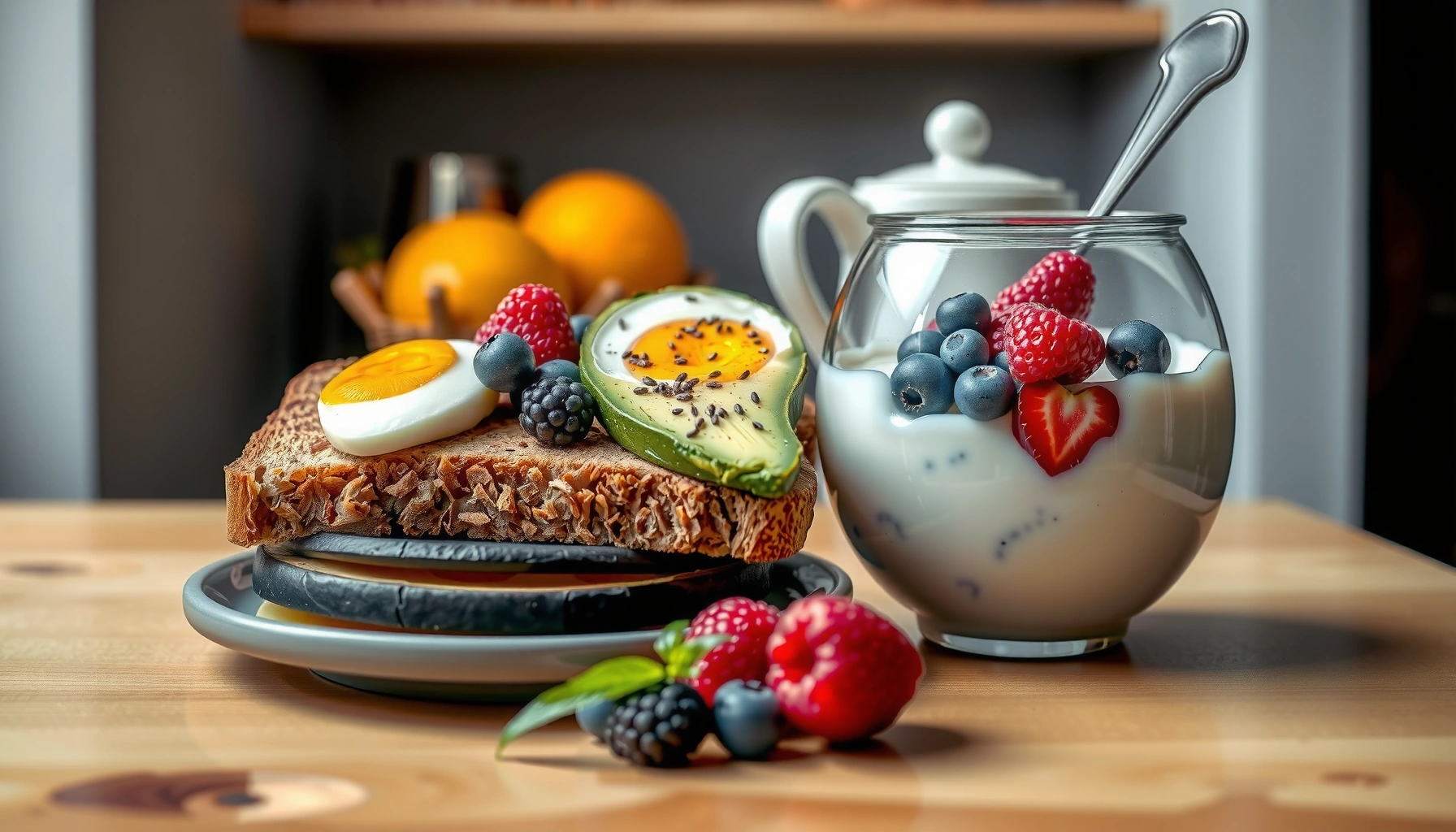
For individuals managing diabetes, the best dishes are those rich in fiber, lean protein, healthy fats, and complex carbohydrates, carefully balanced to manage blood sugar levels without sacrificing flavor. Focusing on whole, unprocessed foods like vegetables, fruits, lean meats, fish, whole grains, and legumes is paramount to maintaining stable glucose levels and overall well-being. This guide will provide you with delicious and nutritious meal ideas that support stable blood sugar and long-term health.



Understanding Diabetic-Friendly Cuisine
Navigating a diabetic-friendly diet involves more than just avoiding sugar; it’s about making informed choices that support metabolic health. A strategic approach to meal preparation and ingredient selection can significantly impact blood glucose control and overall vitality.
* Prioritize low glycemic index (GI) foods that cause a slower, more gradual rise in blood sugar. The Glycemic Index is a system that ranks carbohydrate-containing foods by how quickly they affect blood sugar levels. Foods with a low GI (55 or less) are digested and absorbed more slowly, leading to a more gradual and sustained rise in blood sugar and insulin levels. Examples include most non-starchy vegetables, berries, legumes, and whole grains like oats and barley. Conversely, high GI foods (70 or more), such as white bread, sugary cereals, and white potatoes, can cause rapid spikes in blood sugar, which is detrimental for diabetes management. By prioritizing low GI options, individuals can minimize these fluctuations, promoting better blood sugar control and sustained energy.
* Emphasize nutrient-dense, whole foods over refined or processed options. Whole foods—like fresh fruits, vegetables, lean proteins, and unrefined grains—are rich in vitamins, minerals, fiber, and antioxidants, all of which are crucial for optimal health. They also naturally lack the added sugars, unhealthy fats, and excessive sodium commonly found in highly processed foods. Refined foods, such as white flour products, sugary drinks, and convenience meals, are often stripped of their nutritional value and can contribute to inflammation, weight gain, and poor blood sugar control. Opting for nutrient-dense whole foods provides essential nutrients, promotes satiety, and supports a healthier metabolism.
* Balance macronutrients (carbohydrates, proteins, fats) in each meal to promote satiety and stable glucose. A well-balanced meal for diabetics should strategically combine carbohydrates with proteins and healthy fats. While carbohydrates have the most direct impact on blood sugar, pairing them with protein and healthy fats helps to slow down the digestion and absorption of glucose, leading to a more moderate and prolonged blood sugar response. Proteins contribute to satiety and muscle maintenance, while healthy fats provide sustained energy and support hormone function. For instance, instead of consuming carbohydrates alone, pairing a complex carbohydrate like quinoa with lean chicken and avocado provides a synergistic effect that keeps blood sugar levels stable and helps you feel full longer, preventing overeating and cravings.
Delicious Breakfast Options
Breakfast sets the tone for your blood sugar levels throughout the day. Opting for nutrient-rich, balanced choices can help prevent morning spikes and provide sustained energy.
* Oatmeal with Berries and Nuts: Steel-cut or rolled oats (not instant) are excellent sources of complex carbohydrates and soluble fiber, which helps lower cholesterol and slow glucose absorption. A serving of about half a cup of cooked oats provides a steady release of energy without rapid blood sugar spikes. Toppings like fresh berries (strawberries, blueberries, raspberries) add antioxidants and natural sweetness with minimal sugar, as they are low on the glycemic index. A sprinkle of nuts (almonds, walnuts) provides healthy monounsaturated and polyunsaturated fats, along with protein, enhancing satiety and further moderating blood sugar response. Consider adding a dash of cinnamon, which has been studied for its potential to improve insulin sensitivity.
* Scrambled Eggs with Spinach and Whole-Wheat Toast: Eggs are a complete protein source, offering all nine essential amino acids with minimal carbohydrates, making them ideal for blood sugar management. Scrambled with a handful of fresh spinach, you incorporate vital vitamins (A, K) and fiber. Spinach is also very low in carbohydrates and calories. Pair this with a single slice of 100% whole-wheat or sprouted grain toast. The key is moderation with toast, ensuring it’s truly whole grain for its fiber content, which is significantly higher than refined white bread, aiding in slower glucose digestion. Cook eggs in a small amount of olive oil or avocado oil for healthy fats.
* Greek Yogurt Parfait with Chia Seeds: Unsweetened Greek yogurt is a powerhouse of protein, providing double the protein of regular yogurt, which is crucial for satiety and muscle health. Its low carbohydrate content makes it an excellent base. Layering it with chia seeds adds an impressive amount of fiber and omega-3 fatty acids. Chia seeds absorb liquid, expanding to create a feeling of fullness, and their fiber content further aids in stabilizing blood sugar. Incorporate a small portion of low-GI fruits like a few berries or kiwi for natural sweetness and additional nutrients. Avoid flavored yogurts, which are often laden with added sugars.
Satisfying Lunch & Dinner Ideas
Lunch and dinner meals offer ample opportunity to incorporate diverse, diabetic-friendly ingredients that are both nourishing and flavorful.
* Baked Salmon with Roasted Vegetables: Salmon is a star for diabetic diets due to its rich content of omega-3 fatty acids, particularly EPA and DHA. These healthy fats are known for their anti-inflammatory properties and their role in supporting heart health, which is especially important for individuals with diabetes, who often have an increased risk of cardiovascular complications. Baking or grilling salmon is the preferred method to retain its nutritional integrity without adding unhealthy fats. Pair it with a generous serving of roasted non-starchy vegetables such as broccoli, bell peppers, asparagus, zucchini, or Brussels sprouts. These vegetables are packed with vitamins, minerals, and dietary fiber, contributing to satiety and a minimal impact on blood sugar. Season with herbs like dill, lemon, garlic, and black pepper for flavor without added sodium or sugar.
* Chicken and Vegetable Stir-Fry with Brown Rice: A stir-fry is a versatile and quick option for a balanced meal. Utilize lean chicken breast, a fantastic source of high-quality protein, which is essential for muscle repair and maintenance, and helps to slow the absorption of carbohydrates. Combine it with a colorful array of non-starchy vegetables such as broccoli florets, snap peas, bell peppers, mushrooms, and carrots. These vegetables provide a wide spectrum of vitamins, antioxidants, and fiber. Serve this vibrant stir-fry with a small, controlled portion of brown rice. Brown rice is a whole grain, meaning it retains its bran and germ, offering more fiber and nutrients than white rice, leading to a slower and steadier rise in blood sugar. Crucially, use low-sodium soy sauce or tamari, and avoid pre-made stir-fry sauces that often contain high amounts of sugar and sodium. Flavor with fresh ginger, garlic, and a touch of rice vinegar.
* Lentil Soup or Bean Chili: Legumes, including lentils and beans (such as black beans, kidney beans, chickpeas), are nutritional powerhouses for managing diabetes. They are exceptionally rich in soluble and insoluble fiber, which plays a critical role in blood sugar control by slowing carbohydrate digestion and absorption. Furthermore, they are excellent sources of plant-based protein, making these dishes incredibly filling and satisfying. A hearty lentil soup or bean chili can be loaded with additional non-starchy vegetables like diced carrots, celery, onions, and tomatoes, further boosting their nutrient profile. Use low-sodium broth as a base and flavor generously with spices like cumin, chili powder, oregano, and paprika to create depth without relying on unhealthy additives. These meals are also perfect for meal prepping, as their flavors often deepen after a day or two.
Healthy Snack & Dessert Choices
Managing cravings and preventing overeating between meals is crucial. Healthy snacks and thoughtful dessert choices can support blood sugar management without deprivation.
* Apple Slices with Peanut Butter: A medium apple is an excellent source of dietary fiber, particularly pectin, which aids in digestion and helps regulate blood sugar. It also provides natural sweetness and a satisfying crunch. Pairing apple slices with a small serving (about two tablespoons) of natural peanut butter transforms this into a balanced snack. Ensure the peanut butter is natural, meaning its only ingredients are peanuts and perhaps a little salt, without added sugars, hydrogenated oils, or excessive sodium. The protein and healthy fats in peanut butter help to slow down the absorption of the apple’s natural sugars, promoting satiety and preventing a rapid blood sugar spike.
* A Handful of Almonds or Walnuts: Nuts are nutritional powerhouses for individuals with diabetes. Almonds are rich in monounsaturated fats, vitamin E, magnesium, and fiber, all of which contribute to heart health and blood sugar control. Walnuts are unique for their high content of omega-3 fatty acids (alpha-linolenic acid or ALA), which have anti-inflammatory benefits. Both offer protein and fiber, making them incredibly satiating and effective at stabilizing blood sugar levels with minimal carbohydrate impact. A handful (approximately ¼ cup or 1 ounce) is a perfect portion size to curb hunger and provide a sustained energy release.
* Sugar-Free Gelatin or Small Fruit Salad: When a sweet craving strikes, sugar-free gelatin offers a guilt-free option. It provides a sweet taste without any carbohydrates or calories, thereby having no impact on blood sugar levels. For those who prefer natural sweetness, a small fruit salad composed of low-glycemic index fruits is an excellent choice. Focus on berries (strawberries, blueberries, raspberries), kiwi, or a small portion of melon (cantaloupe, honeydew). These fruits are lower in sugar compared to tropical fruits like mangoes or bananas, while still providing essential vitamins, minerals, and fiber. Portion control is vital even with fruit, as natural sugars can still accumulate.
Essential Tips for Cooking Diabetic Meals
Mastering healthy cooking techniques and mindful ingredient selection are foundational for preparing delicious and beneficial diabetic meals.
* Healthy Cooking Methods: The way food is prepared significantly impacts its nutritional value and fat content. Opt for cooking methods that require minimal added fats and preserve nutrients. Baking, grilling, steaming, and stir-frying are excellent choices. Baking allows for even cooking without excessive oil, while grilling imparts a smoky flavor without deep-frying. Steaming is a gentle method that locks in nutrients and moisture, particularly for vegetables. Stir-frying, when done correctly with a small amount of healthy oil (like avocado or olive oil) and lean protein, is a quick way to cook a variety of vegetables and proteins while maintaining their crispness and nutrient content. Avoid deep-frying, which adds large amounts of unhealthy saturated and trans fats, increasing calorie density and potentially contributing to inflammation and heart disease risk.
* Flavor with Herbs and Spices: Enhancing the flavor of your meals naturally is a powerful strategy to reduce the reliance on unhealthy additives. Fresh or dried herbs like parsley, cilantro, basil, oregano, and rosemary, along with aromatics such as garlic, onions, and ginger, can transform a dish with vibrant flavors and aromas. Many spices, including cinnamon, turmeric, cumin, and cayenne pepper, not only add depth but also possess beneficial anti-inflammatory and antioxidant properties. By leveraging these natural flavor enhancers, you can significantly reduce the need for added sugars, excessive salt, and unhealthy sauces or condiments that often undermine the health benefits of your meals. Experiment with different combinations to discover your favorite flavor profiles.
* Read Food Labels Carefully: Becoming a meticulous label reader is one of the most crucial skills for managing diabetes through diet. Packaged foods, even those marketed as “healthy,” can harbor hidden sugars, unhealthy fats, and excessive sodium. Look for “added sugars” under various names like high-fructose corn syrup, dextrose, sucrose, maltose, or fruit juice concentrate. Check for saturated and trans fats, aiming to minimize these as they contribute to heart disease risk. Sodium content should also be monitored, as high sodium intake can elevate blood pressure. Prioritize products with short ingredient lists composed of whole, recognizable foods. This vigilance empowers you to make informed decisions that support your blood sugar management and overall health goals.
Portion Control and Meal Planning Strategies
Effective diabetes management relies heavily on understanding and implementing consistent portion control and strategic meal planning.
* Mindful Portion Sizes: Even the healthiest foods, when consumed in excessive amounts, can negatively impact blood sugar levels and weight management. Mastering mindful portion sizes is fundamental. A helpful visual tool is the “plate method”: aim for half of your plate to be filled with non-starchy vegetables (like leafy greens, broccoli, peppers), one-quarter with lean protein (chicken, fish, tofu), and the remaining quarter with complex carbohydrates (quinoa, brown rice, whole-wheat pasta). For carbohydrate-rich foods, especially, using smaller plates and bowls can trick the eye into perceiving a larger serving, thereby aiding in portion control. Learning to recognize true serving sizes for different food groups, perhaps by using measuring cups initially, can build invaluable habits.
* Understand Carb Counting: Carbohydrate counting is a widely used and effective tool for blood sugar management, especially for individuals on insulin. It involves tracking the amount of carbohydrates consumed in meals and snacks to match it with insulin doses or to simply stay within daily carbohydrate targets. This method provides flexibility in food choices while maintaining control over blood glucose. To effectively count carbs, you must understand how to read food labels, recognize carbohydrate sources, and estimate portions. This skill is often best learned with the guidance of a registered dietitian or certified diabetes educator, who can provide personalized targets and practical strategies tailored to your specific needs and medication regimen.
* Plan Meals Ahead: Proactive meal planning is one of the most powerful strategies for consistent diabetes management. Preparing meals and snacks in advance helps prevent impulsive, unhealthy food choices, especially when hunger strikes or time is short. Dedicate a few hours each week to planning your menu, grocery shopping, and potentially batch cooking components of your meals (e.g., cooking a large batch of chicken, roasting vegetables, preparing whole grains). Having pre-portioned, diabetic-friendly options readily available can significantly reduce stress, ensure you adhere to your dietary goals, and save both time and money. This consistent approach fosters healthy eating habits and supports stable blood sugar levels over the long term.
Creating a diet of the best dishes for diabetics doesn’t mean sacrificing flavor or variety. By focusing on whole, unprocessed foods, balancing your macronutrients, and employing healthy cooking techniques, you can enjoy delicious meals that support stable blood sugar and long-term health. Remember that consistency, mindful eating, and continuous learning are key components of successful diabetes management. Always consult with your doctor or a registered dietitian to develop a personalized meal plan tailored to your specific needs, health goals, and any potential dietary restrictions.
Frequently Asked Questions
What types of dishes are generally recommended as the best meals for diabetics to manage blood sugar effectively?
The best dishes for diabetics typically prioritize lean proteins, non-starchy vegetables, and complex carbohydrates with a low glycemic index. Meals should be rich in fiber, healthy fats, and limit added sugars and refined grains to help stabilize blood sugar levels. Focusing on a balanced plate ensures comprehensive nutrition while supporting diabetes management.
How can I create a satisfying, blood sugar-friendly meal plan for diabetes management throughout the day?
To create a satisfying, blood sugar-friendly meal plan, focus on balanced meals that combine lean protein, healthy fats, and high-fiber carbohydrates. Include a variety of non-starchy vegetables at every meal, practice portion control, and space your meals and snacks consistently throughout the day to prevent blood sugar spikes. Prioritizing nutrient-dense foods is key for effective diabetes management.
What are some specific, delicious main dish ideas suitable for a diabetic diet without sacrificing flavor?
For delicious main dish ideas, consider baked salmon with roasted asparagus and quinoa, offering lean protein and complex carbs. Another great option is a vibrant chicken stir-fry packed with colorful non-starchy vegetables like broccoli and bell peppers, served with a small portion of brown rice. Lentil soup, rich in fiber and plant-based protein, paired with a small side of whole-grain bread, also makes an excellent diabetic-friendly meal.
Which key ingredients should diabetics prioritize or limit when preparing dishes for optimal health and blood sugar control?
Diabetics should prioritize lean proteins such as fish, chicken breast, and beans, alongside an abundance of non-starchy vegetables like leafy greens, broccoli, and peppers. Whole grains like oats, quinoa, and brown rice, and healthy fats from avocados, nuts, and olive oil are also crucial. It’s important to limit refined carbohydrates, added sugars, high-sodium processed foods, and unhealthy saturated or trans fats to maintain good blood sugar control.
What are the best healthy snack and dessert options for diabetics to enjoy without impacting blood sugar levels significantly?
For healthy diabetic-friendly snacks, consider Greek yogurt with a handful of berries, a small portion of nuts or seeds, or vegetable sticks with hummus. These options provide protein, fiber, and healthy fats to keep you feeling full and stable. For desserts, opt for sugar-free gelatin, a small piece of dark chocolate (70% cocoa or higher), or a baked apple with cinnamon, ensuring mindful portion sizes to prevent blood sugar spikes.
References
- https://www.diabetes.org/healthy-recipes
- https://www.diabetes.org/food-nutrition/eating-well-diabetes
- Healthy Living with Diabetes – NIDDK
- Diabetes diet: Create your healthy-eating plan – Mayo Clinic
- https://www.mayoclinic.org/healthy-lifestyle/recipes/healthy-recipes-diabetes/rc-20050731
- https://www.cdc.gov/diabetes/managing/eat-well.html
- https://www.health.harvard.edu/diseases-and-conditions/diabetes-a-to-z/diabetes-and-diet
- https://health.clevelandclinic.org/easy-diabetic-recipes-youll-actually-want-to-eat/