Yes, enjoying delicious desserts is absolutely possible even when managing diabetes, provided you make smart ingredient choices and practice portion control. The best diabetic desserts prioritize natural sweetness, incorporate fiber and healthy fats, and minimize added sugars, allowing you to satisfy your sweet tooth without compromising your health. This guide will help you discover a variety of delightful, blood sugar-friendly options to indulge in safely.



Understanding Diabetic-Friendly Desserts
Successfully incorporating desserts into a diabetic diet hinges on a foundational understanding of how different ingredients impact blood glucose levels. The goal is to minimize rapid spikes and maintain stable energy.
* Focus on desserts with low glycemic index ingredients to prevent blood sugar spikes.
The glycemic index (GI) is a system that ranks carbohydrate-containing foods based on how quickly they raise blood sugar. Choosing low GI ingredients is paramount for diabetic desserts. For instance, opting for complex carbohydrates like whole grains, nuts, and certain fruits, rather than refined sugars and white flours, ensures a slower, more gradual rise in blood glucose. Ingredients rich in fiber and healthy fats naturally have a lower GI, as these components slow down the digestion and absorption of sugars. This steady release of glucose into the bloodstream helps prevent the rapid “sugar rush” often associated with conventional desserts, mitigating the strain on the body’s insulin response. Understanding and applying GI principles is a cornerstone for creating truly diabetic-friendly sweet treats.
* Look for natural sweeteners (stevia, monk fruit, erythritol) and whole grains or nut flours.
The cornerstone of a diabetic-friendly dessert is its sweetening agent. Traditional sugar is a high GI ingredient that causes significant blood sugar spikes. Natural, zero-calorie sweeteners like stevia, derived from the Stevia rebaudiana plant, monk fruit extract, and sugar alcohols such as erythritol, provide sweetness without impacting blood glucose levels. These alternatives allow for the full enjoyment of sweet flavors without the metabolic consequences of sucrose or high-fructose corn syrup. Furthermore, the choice of flour is critical. Replacing refined white flours, which are quickly broken down into sugar, with whole grain flours (like whole wheat pastry flour), nut flours (almond, coconut), or seed flours (flaxseed meal) introduces valuable fiber, protein, and healthy fats. These alternatives significantly lower the carbohydrate load and glycemic impact of baked goods, contributing to sustained energy release and better blood sugar control.
* Prioritize fiber and healthy fats (avocado, nuts, seeds) to improve satiety and slow sugar absorption.
Fiber and healthy fats are not just nutritional bonuses; they are integral components of diabetic-friendly desserts that actively contribute to blood sugar management and overall satisfaction. Dietary fiber, particularly soluble fiber, forms a gel-like substance in the digestive tract, slowing down the absorption of glucose. This mechanism helps to flatten the post-meal blood sugar curve and reduces the need for insulin. Excellent sources of fiber in desserts include berries, whole grains, nuts, seeds (chia, flax), and even vegetables like zucchini or carrots. Similarly, healthy fats, such as those found in avocados, nuts, seeds, and extra virgin olive oil, also contribute to slowing gastric emptying. This means food stays in the stomach longer, leading to a more gradual release of sugars and an enhanced feeling of fullness, or satiety. By promoting satiety, these ingredients help prevent overeating, a common challenge when enjoying desserts, and further support stable blood glucose levels and weight management.
Fruit-Based Delights
Fruits, in their whole form, are nature’s candy, offering sweetness alongside a wealth of beneficial nutrients, making them an excellent foundation for diabetic desserts when chosen and prepared thoughtfully.
* Opt for whole fruits like berries, apples, and pears, which are rich in fiber and natural sugars.
Whole fruits are a superior choice over fruit juices or dried fruits due to their intact fiber content, which significantly moderates the absorption of natural sugars (fructose). Berries, including strawberries, blueberries, raspberries, and blackberries, are particularly excellent options. They are low in calories and carbohydrates, yet packed with antioxidants, vitamins, and a high fiber content, making them a fantastic low-glycemic choice. Apples and pears, especially with their skins on, also offer substantial fiber and a satisfying crunch. These fruits provide essential micronutrients and phytonutrients that support overall health, alongside a natural sweetness that can curb dessert cravings without the negative effects of added sugars. The fiber in these fruits helps to slow digestion, preventing rapid blood sugar spikes typically associated with sugary treats.
* Prepare simple fruit salads or baked apples with cinnamon and a sprinkle of nuts.
Simplicity often yields the best results for diabetic-friendly desserts. A vibrant fruit salad featuring a medley of low-glycemic fruits like berries, melon, and citrus segments offers a refreshing and naturally sweet option. The combination provides diverse nutrients and textures. For a warm and comforting treat, baked apples (such as Granny Smith for lower sugar content) offer an exceptional choice. Core the apples, fill the cavity with a pinch of cinnamon, a touch of a natural sweetener if desired, and a sprinkle of chopped walnuts or pecans. Cinnamon has been studied for its potential to improve insulin sensitivity, and the nuts provide healthy fats and protein, further balancing the glycemic load of the apple. This preparation method transforms a simple fruit into a sophisticated dessert that is both satisfying and blood sugar-friendly.
* Explore sugar-free fruit tarts or compotes, being mindful of portion sizes for fruits higher in natural sugar.
Venturing beyond raw fruit, sugar-free fruit tarts and compotes allow for more elaborate, yet still healthy, dessert experiences. For a tart, consider a crust made from almond flour or crushed nuts, filled with a creamy, sugar-free custard or Greek yogurt, and topped with an array of fresh berries. Compotes can be made by gently simmering fruits like berries or sliced peaches with a dash of water and a natural sweetener, creating a versatile topping for yogurt or a standalone dessert. It is crucial, however, to remain mindful of portion sizes, especially when incorporating fruits higher in natural sugars such as bananas, mangoes, or grapes. While these fruits are nutritious, their higher sugar content necessitates smaller portions to prevent exceeding carbohydrate limits and affecting blood glucose levels. Always balance these fruits with lower-sugar options and pair them with sources of fiber and healthy fats.
Low-Carb & Sugar-Free Baked Goods
Baking remains a beloved culinary art, and with smart substitutions, individuals managing diabetes can continue to enjoy a wide array of baked goods that are both delicious and carbohydrate-conscious.
* Utilize almond flour, coconut flour, or oat flour as alternatives to refined white flour in recipes.
The foundation of most traditional baked goods is refined wheat flour, which is high in carbohydrates and quickly converts to sugar in the body. For diabetic-friendly baking, it’s essential to replace this with flours that have a lower glycemic impact and higher nutritional value. Almond flour, made from finely ground blanched almonds, is a popular choice due to its low carbohydrate count, high protein, healthy fat content, and subtle flavor. It creates tender, moist baked goods. Coconut flour, derived from dried coconut meat, is another excellent option; it’s very high in fiber and low in digestible carbs, though it requires more liquid in recipes due to its absorbent nature. Oat flour, while slightly higher in carbohydrates than nut flours, offers a good source of soluble fiber (beta-glucan), which helps regulate blood sugar. When substituting, remember that these flours behave differently from wheat flour; often, recipe adjustments for liquid, leavening, and binding agents are necessary to achieve the desired texture and consistency.
* Sweeten with natural, zero-calorie alternatives like stevia, monk fruit, or erythritol instead of sugar.
The primary challenge in creating sugar-free baked goods is replacing the bulk and sweetening power of granulated sugar. Natural, non-caloric sweeteners such as stevia, monk fruit, and erythritol are indispensable. Stevia and monk fruit extracts are highly concentrated and can be used in very small amounts, offering intense sweetness without impacting blood glucose. Erythritol, a sugar alcohol, is unique because it’s naturally occurring, has a mild sweetness (about 70% of sugar), and is largely not metabolized by the body, meaning it contributes almost no calories or carbs. Many diabetic baking recipes combine these sweeteners to achieve a balanced flavor profile and to compensate for the lack of bulk that sugar provides. For example, erythritol can be used for its bulk and texture, while a touch of stevia or monk fruit can enhance sweetness. Always follow specific recipe recommendations for substitution ratios, as these can vary significantly from one sweetener to another.
* Try recipes for sugar-free muffins, cookies, or small cakes that incorporate healthy fats and protein.
Transforming classic baked treats into diabetic-friendly versions involves not only flour and sweetener substitutions but also strategic incorporation of healthy fats and proteins. Sugar-free muffins can be made with almond or coconut flour, sweetened with erythritol, and enriched with additions like chopped nuts, seeds, or a dollop of unsweetened Greek yogurt for added protein and moisture. Similarly, cookies can leverage nut butters (almond, peanut) for healthy fats and flavor, combined with a sugar-free chocolate chip option and an egg for protein. Small cakes or cupcakes, often portion-controlled by their very nature, can be prepared with similar ingredient swaps, perhaps topped with a cream cheese frosting made with a natural sweetener. The inclusion of healthy fats and proteins in these baked goods is crucial, as they not only contribute to satiety but also help slow down the digestion and absorption of any remaining carbohydrates, further stabilizing blood sugar levels.
Dairy & Creamy Treats
Dairy-based desserts can be wonderfully indulgent while remaining diabetes-friendly, provided selections focus on unsweetened options and smart pairings to manage carbohydrate and fat content.
* Create parfaits with unsweetened Greek yogurt, berries, and a sprinkle of chopped nuts or sugar-free granola.
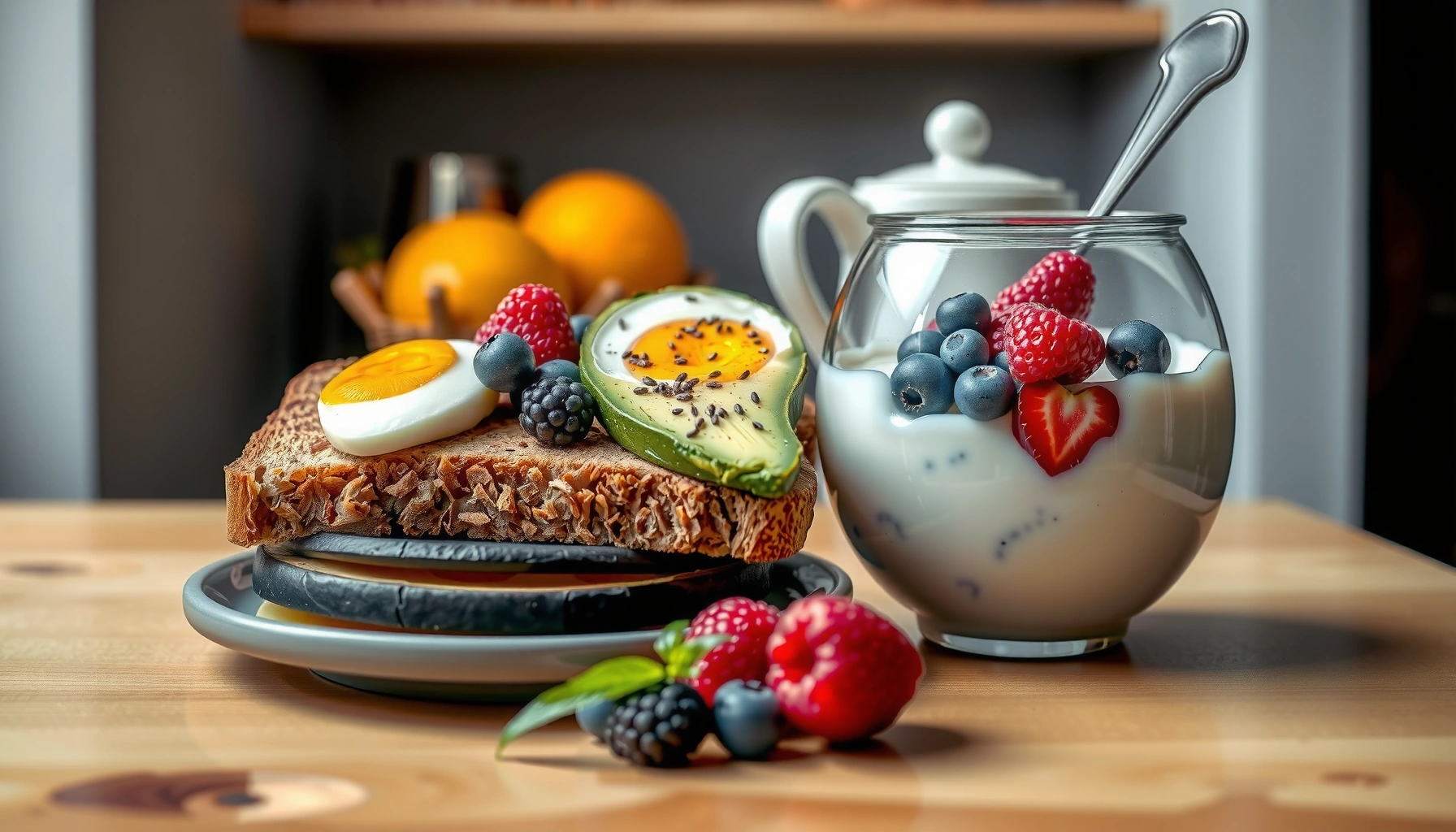
Parfaits are an ideal canvas for diabetic-friendly creamy desserts, offering layers of flavor and texture that satisfy without excess sugar. The star ingredient, unsweetened Greek yogurt, is a powerhouse of protein, which is vital for satiety and helps to mitigate blood sugar spikes. Its thick, creamy texture provides a luxurious base. Layer this with fresh berries (strawberries, blueberries, raspberries), which are low in sugar and high in fiber and antioxidants. For added crunch, healthy fats, and a boost of protein, sprinkle in some chopped nuts like almonds or walnuts, or opt for a sugar-free, low-carb granola. This combination creates a balanced dessert that is rich in protein, fiber, and healthy fats, ensuring a satisfying experience that supports stable blood glucose levels and prolonged feelings of fullness.
* Enjoy sugar-free puddings, gelatins, or homemade ‘nice’ cream made from frozen bananas or avocados.
Pre-packaged sugar-free puddings and gelatins are convenient options, but it’s essential to check labels for hidden carbs or artificial ingredients. A more wholesome approach involves homemade versions. Sugar-free puddings can be made using chia seeds, which swell to create a pudding-like consistency, combined with unsweetened almond milk, cocoa powder, and a natural sweetener. These are rich in fiber and omega-3 fatty acids. For a truly decadent yet healthy ‘nice’ cream, blend frozen ripe bananas (in moderation due to their sugar content) with a splash of unsweetened almond milk and cocoa powder for a chocolatey treat. For an even lower-carb, creamier alternative, blend ripe avocado with cocoa powder, a natural sweetener, and a dash of vanilla extract. The avocado provides healthy monounsaturated fats and an incredibly smooth texture, mimicking a rich mousse or ice cream without the dairy or added sugars.
* Look for light or sugar-free ice cream options, always checking labels for carb and sugar content.
The ice cream aisle now offers numerous “light” or “sugar-free” options, providing a convenient way to enjoy this classic dessert. However, diligent label reading is paramount. “Sugar-free” does not always equate to “carb-free,” as some products may use sugar alcohols that contribute carbohydrates or have a slight impact on blood sugar for some individuals. Look for brands that explicitly state low net carbs (total carbohydrates minus fiber and sometimes sugar alcohols). Pay close attention to serving sizes and practice strict portion control, as even these options can contribute significant calories and carbohydrates if consumed in excess. Prioritize products with natural sweeteners and minimal artificial additives. Pairing a small scoop of such ice cream with a handful of berries can further enhance its nutritional profile and provide a more balanced dessert experience.
Chocolate & Indulgent Options (Smart Choices)
For many, dessert isn’t complete without chocolate. Fortunately, even those managing diabetes can indulge, provided they make smart, informed choices and practice moderation.
* Choose dark chocolate with 70% cocoa or higher in moderation, as it contains less sugar and more antioxidants.
When it comes to chocolate, the darker, the better for diabetic-friendly indulgence. Dark chocolate with a cocoa content of 70% or higher contains significantly less sugar than milk chocolate and is rich in beneficial antioxidants, particularly flavonoids. These compounds have been linked to improved heart health, reduced inflammation, and even enhanced insulin sensitivity. However, even high-quality dark chocolate still contains some sugar and fat, so moderation is key. A small square or two (15-20 grams) can provide a satisfying sensory experience without causing a significant spike in blood sugar. It’s crucial to appreciate the complex, slightly bitter notes of high-cocoa chocolate, savoring it slowly rather than consuming it rapidly. This mindful approach helps to prevent overconsumption while still enjoying the rich indulgence.
* Prepare sugar-free chocolate mousse or avocado chocolate pudding for a rich, creamy treat.
For a truly decadent and diabetes-friendly chocolate experience, homemade options often provide the best control over ingredients. A sugar-free chocolate mousse can be crafted using unsweetened cocoa powder, heavy cream whipped with a natural sweetener (like erythritol or monk fruit), and a touch of vanilla extract. This creates an airy, rich dessert that is low in carbohydrates and high in healthy fats, which helps to slow glucose absorption. Alternatively, an avocado chocolate pudding is an ingenious way to enjoy a creamy, deeply chocolatey treat. By blending ripe avocados with unsweetened cocoa powder, a natural sweetener, unsweetened almond milk, and a pinch of salt and vanilla, you achieve a remarkably smooth, rich, and nutrient-dense pudding. The avocado provides healthy monounsaturated fats and fiber, contributing to satiety and minimizing blood sugar impact while delivering a luxurious texture.
* Remember that even “better” options still require portion control due to calorie and fat content.
This principle cannot be overstated: even with “better” or diabetic-friendly chocolate and indulgent options, portion control remains absolutely critical. While dark chocolate, sugar-free mousses, and avocado puddings are superior choices due to their lower sugar content and beneficial ingredients, they are not calorie-free. Dark chocolate, for instance, is calorie-dense due to its high fat content. Similarly, creamy desserts often derive their texture from healthy fats, which, while beneficial, are still calorically rich. Overindulging in these treats, regardless of their “diabetic-friendly” label, can lead to excessive calorie intake, potentially contributing to weight gain. Weight management is a cornerstone of diabetes management, as excess weight can worsen insulin resistance. Therefore, savor small, pre-portioned servings, and fully enjoy the taste and texture of these treats, understanding that mindful consumption is key to both enjoyment and health.
Tips for Baking & Enjoying Safely
Navigating the world of diabetic-friendly desserts requires not only knowing what ingredients to use but also adopting smart habits for preparation and consumption.
* Always read nutrition labels carefully, paying attention to total carbs, fiber, and sugar alcohols.
Becoming a diligent label reader is perhaps the most important skill for anyone managing diabetes, especially when it comes to pre-packaged dessert items or ingredients. The “Total Carbohydrate” value is crucial, but don’t stop there. Subtracting dietary fiber from total carbohydrates can give you a clearer picture of “net carbs,” which are the carbohydrates that most directly impact blood sugar. For products containing sugar alcohols (like erythritol, xylitol, maltitol), understand that while they are generally lower in calories and have less impact on blood sugar than sugar, they are still carbohydrates. Furthermore, some sugar alcohols, particularly in larger quantities, can cause digestive distress (bloating, gas, diarrhea) in sensitive individuals. Always factor in about half the sugar alcohol grams into your net carb count, or follow your dietitian’s specific advice, as individual responses can vary. This careful examination empowers you to make informed decisions and avoid hidden sugars or excessive carb loads.
* Experiment with reducing sugar in existing recipes or substituting with natural sweeteners gradually.
Transforming your favorite traditional dessert recipes into diabetic-friendly versions is a rewarding process that often involves experimentation. Start by gradually reducing the amount of sugar called for in a recipe by 25-50% without adding any substitute; you might find that your palate adjusts and the dessert is still perfectly sweet enough, especially if it contains naturally sweet ingredients like fruit. When substituting with natural sweeteners like stevia, monk fruit, or erythritol, begin with smaller amounts than you think you’ll need, as their sweetness intensity can vary greatly from sugar. Remember that these sweeteners do not provide the same bulk or browning properties as sugar, so you may need to adjust other ingredients (like adding a touch more flour or liquid, or slightly increasing baking time at a lower temperature) to maintain texture and appearance. Keep a detailed log of your adjustments and results, allowing you to fine-tune recipes over time to suit your taste and dietary needs.
* Consult with a registered dietitian for personalized advice on managing your diet and incorporating treats.
While this guide provides comprehensive strategies for enjoying diabetic-friendly desserts, individualized nutritional guidance is invaluable. A registered dietitian (RD) possesses the expert knowledge to assess your specific health profile, including your type of diabetes, medication regimen, activity level, and personal food preferences. An RD can help you establish appropriate carbohydrate targets for meals and snacks, including desserts, and provide personalized recommendations for ingredient choices and portion sizes. They can also educate you on how different foods interact with your medications and help you monitor your blood glucose responses to specific treats. Their guidance ensures that your dietary choices, including occasional desserts, are fully aligned with your overall diabetes management plan, promoting optimal health and well-being while allowing for enjoyable and safe indulgence.
Finding the best diabetic desserts doesn’t mean sacrificing flavor or enjoyment. By focusing on whole ingredients, smart sugar substitutes, and mindful portion sizes, you can continue to savor sweet treats as part of a balanced diet. Remember to consult with your healthcare provider or a registered dietitian for personalized dietary advice, and start exploring these delicious, diabetes-friendly options today to make your sweet moments healthier and happier.
Frequently Asked Questions
What characteristics define the best diabetic desserts for blood sugar management?
The best diabetic desserts are characterized by being low in added sugars, refined carbohydrates, and unhealthy fats, while being rich in fiber, protein, and healthy fats. They prioritize ingredients like whole grains, fruits, nuts, and seeds that have a minimal impact on blood glucose levels. These desserts aim to provide satisfying sweetness using natural sweeteners or sugar substitutes in moderation, ensuring they don’t cause significant blood sugar spikes.
How can I adapt my favorite traditional dessert recipes to make them more diabetic-friendly at home?
To make traditional desserts more diabetic-friendly, start by reducing refined sugar by at least half, substituting with natural, low-glycemic sweeteners like stevia, erythritol, or monk fruit. Replace white flour with whole-wheat, almond, or oat flour to boost fiber and lower the glycemic load. Incorporate more fruits, nuts, and seeds for added nutrients and satiety, and opt for healthier fats like avocado oil, unsweetened applesauce, or Greek yogurt to reduce saturated fat content in your homemade diabetic desserts.
Why should diabetics be cautious when choosing “sugar-free” store-bought desserts?
While “sugar-free” products might seem ideal for diabetic desserts, they often contain sugar alcohols (like maltitol), which can still affect blood sugar levels in larger quantities or cause digestive upset. Many “sugar-free” items also compensate for taste by increasing unhealthy fats, artificial sweeteners, or highly refined carbohydrates that can still lead to blood glucose spikes. Always scrutinize the nutrition label for total carbohydrates, fiber, and the specific types of sweeteners and fats to ensure it truly aligns with your dietary needs.
Which natural sweeteners are generally considered safe and effective for making diabetic desserts?
For creating delicious and safe diabetic desserts, natural sweeteners such as stevia, erythritol, and monk fruit are highly recommended as they have virtually no impact on blood sugar levels and are calorie-free. Small amounts of pure maple syrup, honey, or agave nectar can be used sparingly due to their higher glycemic index compared to the zero-calorie options, but they are still better alternatives to refined white sugar. Always use any sweetener in moderation and monitor your individual blood sugar response.
What are some quick and easy diabetic dessert ideas for satisfying everyday sweet cravings?
For quick and satisfying diabetic dessert ideas, consider a bowl of plain Greek yogurt topped with a handful of berries and a sprinkle of chopped nuts for protein and fiber. A small baked apple with cinnamon and a touch of natural sweetener is another excellent choice. You can also enjoy a square of dark chocolate (70% cocoa or higher) for its antioxidant benefits and lower sugar content, or prepare a simple chia seed pudding with unsweetened almond milk and a few drops of stevia for a fiber-rich treat.
References
- https://www.diabetes.org/food-nutrition/recipes/desserts
- https://www.diabetes.org/food-nutrition/recipes/holiday-recipes/holiday-desserts
- https://www.diabetes.org/food-nutrition/recipes/summer-recipes/summer-desserts
- https://www.health.harvard.edu/blog/diabetes-and-desserts-sweetening-the-deal-2018020713217
- Patients & Families | Patients & Families | UW Health
- Not Found | American Heart Association | American Heart Association
- https://www.joslin.org/patient-care/health-topics/diabetic-recipes