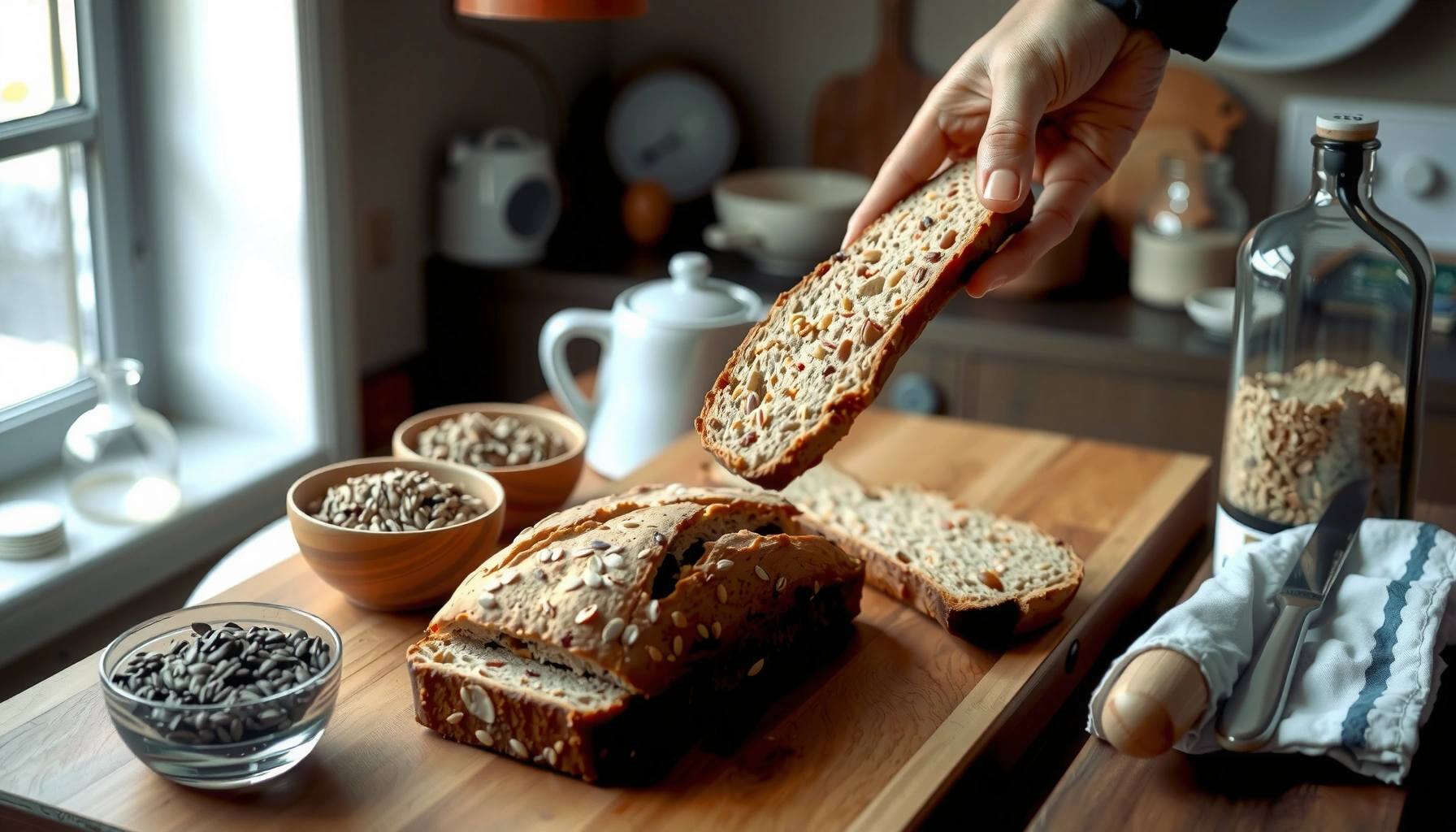
Navigating dessert choices with diabetes can seem daunting, but thankfully, there isn’t one single “best” dessert; rather, a delightful range of options exists that allow you to indulge smartly. The key lies in choosing desserts that are low in added sugars, rich in fiber, and balanced with protein or healthy fats to help manage blood glucose levels effectively. This guide will help you discover delicious, diabetic-friendly treats that satisfy your sweet tooth without compromising your health goals.



Understanding Diabetic-Friendly Desserts
For individuals managing diabetes, understanding the nutritional composition of desserts is paramount. The objective is not simply to eliminate sugar but to select ingredients and preparation methods that support stable blood glucose levels and overall health.
* Prioritize Low Glycemic Index (GI) Ingredients: The Glycemic Index is a system that ranks carbohydrate-containing foods based on their effect on blood glucose levels over a two-hour period. Low GI foods cause a slower, more gradual rise in blood sugar, which is crucial for diabetes management. When crafting desserts, focus on ingredients like whole fruits (especially berries), nuts, seeds, and certain whole grains such as oats or quinoa. These ingredients not only have a lower GI but also typically pack a punch of essential vitamins, minerals, and antioxidants, offering nutritional value beyond just sweetness. Conversely, high GI foods like white flour, refined sugars, and certain starchy vegetables can lead to rapid spikes, which are best avoided.
* Balance with Fiber, Protein, and Healthy Fats: These three macronutrients are instrumental in mitigating the impact of carbohydrates on blood sugar. Fiber, particularly soluble fiber found in fruits, vegetables, and whole grains, slows down the absorption of sugar into the bloodstream, helping to prevent sharp post-meal glucose spikes. Protein, found in dairy, nuts, and seeds, increases satiety and can reduce the overall glycemic response of a meal. Healthy fats, such as those in avocados, nuts, and seeds, also slow digestion and contribute to feelings of fullness, preventing overconsumption and further moderating blood sugar. Incorporating these elements transforms a simple sweet treat into a more balanced, blood-sugar-friendly option.
* Minimize Added Sugars: This is arguably the most critical aspect of diabetic-friendly desserts. Added sugars, found in countless processed foods and traditional dessert recipes, provide empty calories and lead to rapid and significant increases in blood glucose. Beyond their immediate impact on blood sugar, excessive consumption of added sugars contributes to weight gain, inflammation, and increased risk for cardiovascular disease. The focus should shift from desserts laden with sucrose, high-fructose corn syrup, or dextrose to those that derive their sweetness naturally from fruits or thoughtfully utilize approved, low-calorie sugar substitutes. Reading food labels meticulously to identify hidden sugars is a vital skill for effective diabetes management.
Fruit-Forward and Naturally Sweet Options
Nature provides an abundance of sweet, fiber-rich fruits that can form the cornerstone of delicious and healthy diabetic desserts. These options leverage natural sugars alongside essential nutrients.
* Berries, Apples, and Pears: These fruits are nutritional powerhouses, offering high fiber content, antioxidants, and a natural sweetness that satisfies cravings without the need for added sugars. Berries, including strawberries, blueberries, raspberries, and blackberries, are particularly excellent choices due to their relatively low glycemic index and high antioxidant levels. Apples and pears, especially with their skins on, provide ample fiber. Enjoy them fresh as a simple snack, baked into a compote with spices, or lightly stewed to enhance their natural sweetness. A baked pear with a sprinkle of cinnamon and a few chopped pecans makes for a sophisticated yet simple dessert.
* Simple Fruit Parfaits: Parfaits are a versatile and visually appealing dessert that can be easily customized. Layer unsweetened Greek yogurt—chosen for its high protein content and beneficial probiotics—with a colorful medley of fresh berries. A sprinkle of chopped nuts (like almonds or walnuts) or seeds (chia or flaxseeds) adds a delightful crunch, healthy fats, and additional fiber, making it a balanced and satisfying treat that helps stabilize blood glucose. Consider adding a dash of vanilla extract or a pinch of cardamom for an extra layer of flavor.
* Baked Apples with Cinnamon: A quintessential comforting dessert, baked apples beautifully showcase how simple ingredients can create profound flavor. Baking brings out the natural sugars in apples, often reducing the need for any added sweetener. The addition of cinnamon is not just for flavor; studies suggest cinnamon may have beneficial effects on blood sugar control. Core an apple, fill it with a mixture of chopped walnuts, a touch of cinnamon, and a tiny splash of water or lemon juice, then bake until tender. Serve warm, perhaps with a small dollop of unsweetened whipped cream or Greek yogurt for added richness and protein.
Exploring Sugar Substitutes and Alternatives
When natural fruit sweetness isn’t enough, or for recipes that traditionally rely heavily on sugar, various approved sugar substitutes offer a viable path to enjoyment without the blood sugar spike.
* Approved Sweeteners: These fall into two main categories: sugar alcohols (polyols) and non-nutritive sweeteners. Sugar alcohols like erythritol, xylitol (toxic to dogs, so handle with care), and maltitol offer sweetness with fewer calories and a lesser impact on blood sugar compared to sugar. Erythritol, in particular, is often well-tolerated digestively. Non-nutritive sweeteners such as stevia, monk fruit extract, sucralose, and aspartame provide intense sweetness with virtually no calories or carbohydrates, thus no direct impact on blood glucose levels. These can be excellent for baking or sweetening beverages.
* Understanding Different Types: It’s important to recognize that while these alternatives don’t typically raise blood sugar, individuals may react differently. For instance, some sugar alcohols, if consumed in large quantities, can cause digestive discomfort. Furthermore, while most non-nutritive sweeteners are generally recognized as safe, ongoing research continues to explore their long-term effects on gut microbiota and metabolism. Always read product labels carefully, as some “sugar-free” products might still contain carbohydrates or other ingredients that could affect blood glucose. Consulting your healthcare provider or a registered dietitian for personalized recommendations on sweetener use is always advisable.
* Sugar-Free Jellies and Puddings: These convenient options can be quick solutions for a sweet craving. They are readily available and often require minimal preparation. However, vigilance is key: always scrutinize the ingredient list to ensure they truly are sugar-free and to check for artificial colors, flavors, or other additives that you may wish to avoid. Many brands use approved sweeteners, but some might contain ingredients that could unexpectedly elevate blood sugar for certain individuals. Enhance these simple treats by adding fresh berries or a small serving of unsweetened whipped cream for added texture and nutrition.
Dairy and Protein-Rich Treats
Incorporating dairy and other protein sources into desserts can significantly improve their nutritional profile, providing satiety and helping to moderate the glycemic response.
* Unsweetened Greek Yogurt: This is a superstar ingredient for diabetic-friendly desserts, celebrated for its high protein content, which contributes to fullness and helps stabilize blood sugar. Its thick, creamy texture makes it a versatile base. Mix it with a small amount of fresh fruit—like a swirl of raspberry or a diced peach—a sprinkle of cinnamon, a few chopped almonds for crunch and healthy fats, or a dash of vanilla extract. For a chocolate treat, blend in a teaspoon of unsweetened cocoa powder and a few drops of stevia. Greek yogurt also offers probiotics, beneficial for gut health.
* Cottage Cheese Creations: Often overlooked in the dessert category, cottage cheese is a fantastic source of casein protein, which is digested slowly, providing a sustained release of amino acids. Its mild flavor makes it highly adaptable. Combine cottage cheese with a dash of vanilla extract and a few berries for a surprisingly satisfying and protein-packed dessert. For a slightly different twist, mix it with finely diced cucumber and a touch of dill for a savory-sweet experience, or blend it with a small amount of pumpkin puree and pumpkin spice for a seasonal treat.
* Protein Smoothies: When crafted thoughtfully, protein smoothies can easily double as a dessert-like shake that’s both nutritious and delicious. Start with a high-quality protein powder (whey, casein, or plant-based) and unsweetened almond milk. To make it dessert-worthy without adding excess sugar, incorporate a handful of spinach (its flavor is undetectable in smoothies but adds nutrients), a small portion of berries for natural sweetness and antioxidants, and a tablespoon of nut butter or half an avocado for healthy fats and creaminess. Adding ice will give it a thicker, more indulgent texture.
Smart Baking for Blood Sugar Management
Baking does not have to be off-limits for individuals with diabetes. By making strategic ingredient substitutions and adjustments, you can enjoy homemade baked goods that align with your health goals.
* Ingredient Swaps: Traditional baking often relies on refined white flour, which can spike blood sugar. Smart swaps include replacing white flour with almond flour, coconut flour, or whole wheat flour. Almond flour is lower in carbohydrates and higher in protein and healthy fats, while coconut flour is rich in fiber. Whole wheat flour, though still a carbohydrate, offers more fiber than its refined counterpart. Additionally, consider replacing some fats with healthier alternatives like unsweetened applesauce, mashed banana, or pureed pumpkin, which also add moisture and natural sweetness, allowing for further reduction of added sugars.
* Reduce Sweetener and Use Alternatives: Many recipes call for more sugar than is truly necessary for flavor. Experiment with gradually cutting down the amount of sugar in your favorite recipes, sometimes by as much as 25-50%, as your palate adjusts. For recipes where significant sweetness is desired, substitute with approved non-caloric sweeteners or sugar alcohols, adjusting quantities according to their sweetness intensity. Spices like cinnamon, nutmeg, ginger, and extracts such as vanilla, almond, or peppermint can enhance flavors, making desserts taste richer and sweeter even with less added sugar.
* Incorporate Healthy Fats and Fiber: These ingredients are not only beneficial for blood sugar control but can also improve the texture and richness of baked goods. Add chia seeds or ground flaxseed meal to muffins, breads, or cookies for an invisible fiber boost. Incorporate finely chopped nuts (pecans, walnuts) or seeds (sunflower, pumpkin) for healthy fats, protein, and satisfying crunch. Even mashed avocado can be discreetly added to brownies or chocolate mousses to provide healthy monounsaturated fats and a remarkably fudgy texture without imparting an avocado flavor. These additions contribute to satiety and help slow glucose absorption, making your baked treats more diabetic-friendly.
Mindful Eating and Portion Control
Even the most meticulously crafted diabetic-friendly desserts require mindful consumption to truly support blood sugar management and overall well-being.
* Small Servings are Key: While ingredients may be healthier, even “diabetic-friendly” desserts still contribute calories and carbohydrates. Consuming them in excess can still impact blood sugar levels and contribute to weight gain. Practicing portion control is paramount. Use smaller plates, measure out servings, or pre-portion treats to avoid overindulgence. Remember that the goal is to enjoy the flavor and experience without compromising your daily carbohydrate and calorie targets. Think of desserts as a small, satisfying treat rather than a large course.
* Savor Each Bite: Mindful eating involves paying full attention to the experience of eating. When enjoying a dessert, eat slowly, focusing on the flavors, textures, and aromas. This practice enhances satisfaction and allows your brain to register fullness cues more effectively, which can prevent overeating. Putting down your fork between bites, chewing thoroughly, and avoiding distractions like television or smartphones can deepen this experience. When you truly savor each bite, you often find that a smaller portion is far more satisfying than a larger, rushed one.
* Plan Your Indulgences: Spontaneous, unplanned dessert consumption is often where adherence to a diabetic meal plan falters. Instead, integrate desserts into your meal plan strategically. If you know you want to enjoy a dessert, plan for it by adjusting carbohydrates or calories in your other meals throughout the day. This proactive approach ensures that your indulgence fits within your overall dietary goals and helps maintain stable blood glucose. Planning also allows you to choose and prepare healthier options in advance, making it less likely you’ll reach for less suitable convenience foods when a craving strikes.
Embracing desserts with diabetes is entirely possible when you make informed choices and practice mindful eating. By focusing on whole, unprocessed ingredients, utilizing smart swaps for high-sugar or refined components, and conscientiously controlling portions, you can continue to enjoy delicious sweet treats as part of a healthy, balanced lifestyle. Don’t hesitate to experiment with recipes and discover your own favorite diabetic-friendly desserts; your taste buds and your blood sugar will undoubtedly thank you. Always consult with your doctor or a registered dietitian for personalized dietary advice to ensure your dessert choices align with your individual health needs and management plan.
Frequently Asked Questions
What are the best dessert options for someone with diabetes?
The best dessert options for diabetics prioritize low sugar content, healthy fats, and good fiber sources to help manage blood sugar levels effectively. Think fresh berries with a dollop of unsweetened Greek yogurt, baked apples with cinnamon, or small portions of sugar-free gelatin. Opting for desserts made with whole grains, nuts, and approved sugar substitutes can also be excellent choices for managing diabetes while satisfying a sweet craving.
How can I make regular dessert recipes more diabetic-friendly?
To adapt regular dessert recipes for a diabetic diet, start by significantly reducing added sugars or replacing them with approved sugar substitutes like stevia, erythritol, or monk fruit. Increase fiber by adding whole grains, nuts, or seeds, and incorporate healthy fats from ingredients like avocados or nut butters. You can also swap out high-carb flours for almond or coconut flour and always practice strict portion control, even with modified recipes, to keep blood sugar stable.
Why should diabetics be cautious about “sugar-free” labels, and what should they look for instead?
Diabetics should be cautious with “sugar-free” labels because these products often contain sugar alcohols or artificial sweeteners that can still affect blood glucose levels or cause digestive upset if consumed in large amounts. Furthermore, “sugar-free” doesn’t necessarily mean “carb-free” or “calorie-free,” as other ingredients like flour or fats can contribute significantly to carbohydrates. Instead, always check the *total carbohydrate* and *fiber* content on the nutrition label to make informed dessert choices that align with your dietary plan.
Which natural sweeteners are safe and recommended for diabetic desserts?
For creating delicious diabetic desserts, natural sweeteners like stevia, monk fruit, and erythritol are generally recommended because they have minimal to no impact on blood sugar levels. Stevia and monk fruit are plant-derived and significantly sweeter than sugar, requiring only tiny amounts in recipes. Erythritol is a sugar alcohol that is easily digested and has a clean taste, making it a popular choice for baking diabetic-friendly treats while keeping carbohydrate counts low.
Can fresh fruit be a good diabetic-friendly dessert, and what are some smart choices?
Yes, fresh fruit can be an excellent diabetic-friendly dessert due to its natural sweetness, fiber content, and essential vitamins, but portion control is crucial. Berries (strawberries, blueberries, raspberries) are particularly smart choices as they are low in sugar and high in fiber, which helps slow sugar absorption. Other good options include a small apple, a peach, or a handful of cherries, always pairing them with a source of protein or healthy fat like nuts or Greek yogurt to further stabilize blood sugar.
References
- https://www.diabetes.org/healthy-living/recipes/healthy-desserts
- Page Not Found – Site Help – Mayo Clinic
- Health and Nutrition Facts for You | Patients & Families | UW Health
- Healthy Living with Diabetes – NIDDK
- https://www.cdc.gov/diabetes/managing/eat-well/index.html
- https://www.health.harvard.edu/diseases-and-conditions/type-2-diabetes-nutrition-and-meal-planning
- Diet in diabetes