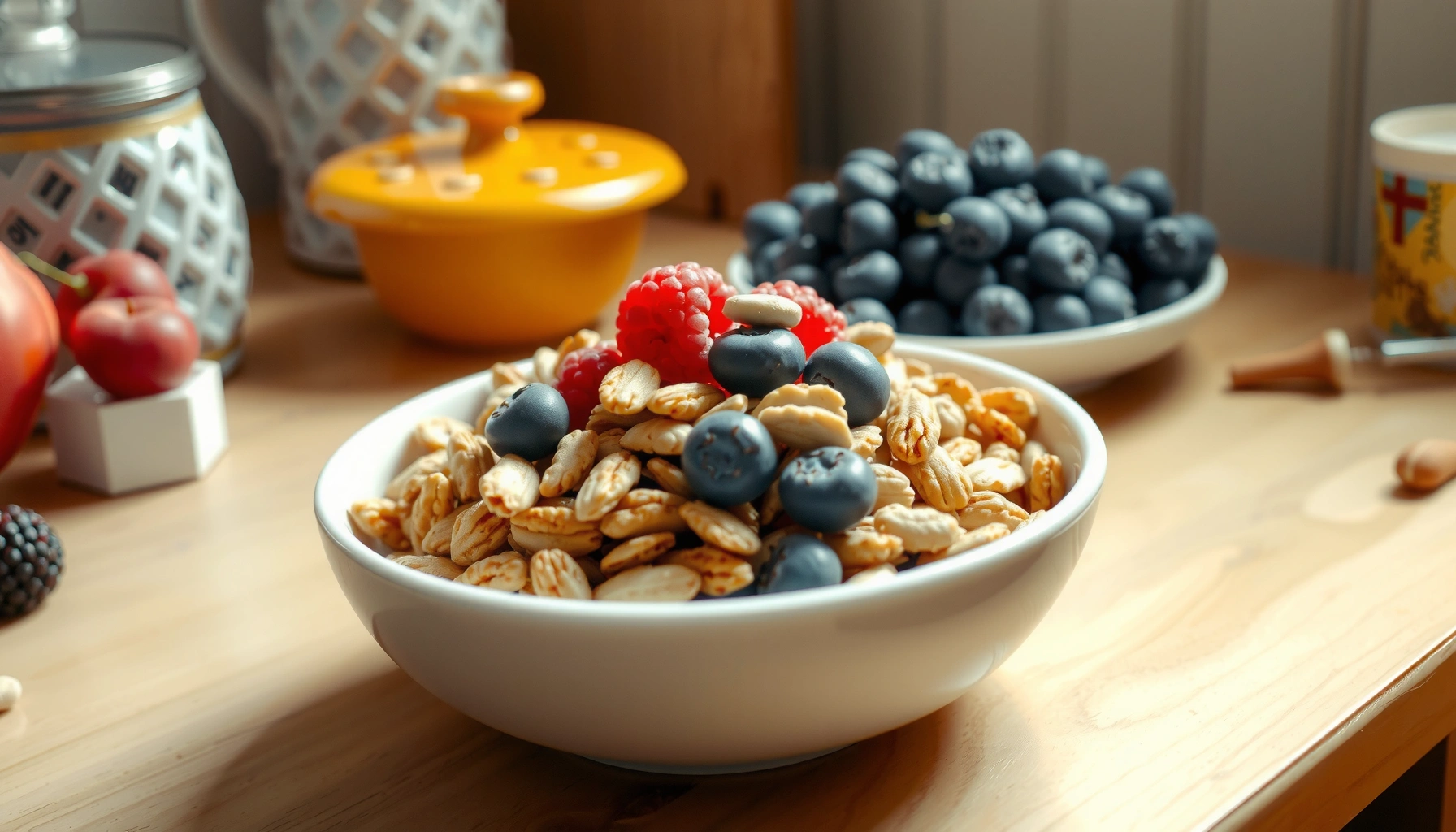

The best breakfast cereal for diabetics isn’t a single product, but rather a type of cereal that prioritizes high fiber, low added sugar, and whole grains. For those managing diabetes, selecting the right breakfast can significantly impact blood sugar control throughout the day. This guide will help you understand what to look for, what to avoid, and how to make informed choices for a healthy and delicious start to your day.



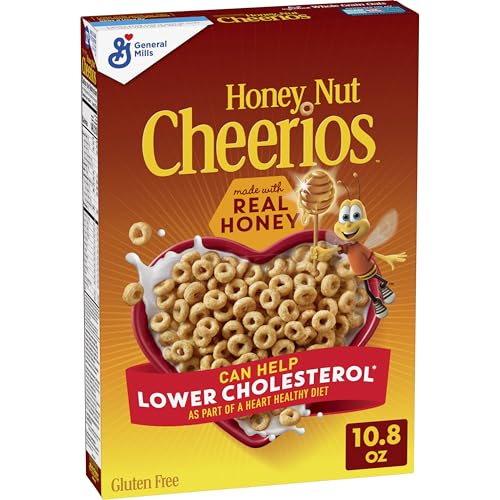
Understanding Diabetic-Friendly Cereal Essentials
Making informed cereal choices is paramount for individuals managing diabetes, as breakfast sets the metabolic tone for the entire day. The carbohydrates consumed at the initial meal of the day directly influence postprandial (after-meal) blood glucose levels. Opting for cereals rich in refined sugars and low in fiber can lead to rapid spikes in blood sugar, followed by a subsequent crash, resulting in fatigue, irritability, and increased hunger. Conversely, a breakfast composed of complex carbohydrates, fiber, and protein facilitates a slower, more sustained release of glucose into the bloodstream, thereby promoting stable energy levels and preventing significant fluctuations.
Beyond immediate blood sugar management, breakfast plays a crucial role in overall metabolic health and weight management, which are critical components of diabetes care. Consuming a balanced breakfast helps to kickstart the metabolism, encouraging the body to burn calories more efficiently throughout the day. Skipping breakfast or making poor choices can lead to increased hunger later, often resulting in overeating or making less healthy food choices at subsequent meals, contributing to weight gain and making blood sugar control more challenging. Traditional sugary and refined cereals, often marketed for their convenience and taste, are generally unsuitable for individuals with diabetes due to their high glycemic index. These cereals are typically stripped of beneficial fiber and packed with added sugars, leading to a rapid influx of glucose that can overwhelm the body’s insulin response, making them counterproductive to diabetes management goals.
Key Nutritional Factors to Prioritize
When navigating the cereal aisle, discerning the most beneficial options requires a focus on specific nutritional profiles that support blood glucose stability and overall health.
* High Fiber Content: Fiber, particularly soluble fiber, is a cornerstone of a diabetic-friendly diet. It is essential for slowing the digestion and absorption of carbohydrates, which in turn helps to prevent rapid blood glucose spikes. Fiber adds bulk to food, promoting satiety and reducing the likelihood of overeating, which is beneficial for weight management. Furthermore, adequate fiber intake supports digestive health, aiding in regular bowel movements and potentially lowering cholesterol levels. Aim for cereals that offer at least 5 grams of fiber per serving, or ideally more.
* Low Added Sugar: This is perhaps the most critical factor to scrutinize. Added sugars contribute empty calories and lead to quick, detrimental blood glucose surges. While some natural sugars may be present in whole grains, the focus should be on minimizing *added* sugars. Carefully check the nutrition label for grams of added sugar, aiming for less than 5 grams per serving. Be wary of cereals that list sugar, corn syrup, high-fructose corn syrup, or fruit juice concentrate among the first few ingredients. Opt for cereals where natural sweetness comes from whole fruits or spices rather than added sweeteners.
* Whole Grains: Whole grains are distinguished by containing all three parts of the grain kernel—the bran, germ, and endosperm—each packed with unique nutrients. Unlike refined grains, which are stripped of their bran and germ, whole grains provide complex carbohydrates that are digested slowly, ensuring a gradual release of glucose into the bloodstream. This slow release is vital for maintaining stable blood sugar levels. Beyond glycemic control, whole grains are rich in essential vitamins, minerals (such as B vitamins, iron, magnesium), and antioxidants, contributing significantly to overall health and reducing the risk of cardiovascular disease, a common comorbidity with diabetes. Look for “whole grain” or “whole wheat” as the first ingredient on the label.
* Adequate Protein: While cereals are primarily carbohydrate-based, those offering a modest amount of protein can significantly enhance their diabetic-friendliness. Protein helps to slow down gastric emptying, thereby reducing the rate at which carbohydrates are absorbed. This blunts the post-meal blood sugar response and contributes to a feeling of fullness and satiety, helping to manage appetite and prevent subsequent snacking. Aim for cereals that provide at least 3-5 grams of protein per serving, though higher amounts are even more beneficial.
What to Avoid When Choosing Cereal
To effectively manage blood sugar and promote long-term health, certain cereal characteristics must be vigilantly avoided. These common pitfalls can undermine even the most diligent dietary efforts.
* Excessive Added Sugars: This is the most significant offender in the cereal aisle. Many popular cereals are laden with various forms of sugar that contribute to rapid blood glucose spikes and insulin resistance. Be highly suspicious of ingredient lists where sugar, brown sugar, corn syrup, high-fructose corn syrup, dextrose, maltose, sucrose, honey, agave nectar, or fruit juice concentrate appear among the first few ingredients. These indicate a high sugar content, even if the “total sugars” on the nutrition facts panel seem moderate due to small serving sizes. Always aim for cereals with less than 5 grams of added sugar per serving. Regularly consuming high-sugar cereals can lead to chronic inflammation, weight gain, and increased risk of cardiovascular complications, all detrimental to diabetes management.
* Refined Grains: Cereals made predominantly from refined grains such as white flour, corn flour, or rice flour should be avoided. During the refining process, the beneficial bran and germ are removed, stripping the grain of its fiber, vitamins, and minerals. What remains is primarily starch, which is rapidly converted to glucose in the body, leading to quick and often significant blood sugar elevations. The lack of fiber in refined grains also means they offer minimal satiety, often leading to increased hunger shortly after consumption and a tendency to overeat. Always look for cereals where the first ingredient is explicitly a “whole grain,” such as “whole wheat,” “whole oats,” or “whole corn.”
* Artificial Sweeteners & Flavors: While marketed as “sugar-free,” artificial sweeteners (e.g., aspartame, sucralose, saccharin) are not necessarily benign, especially for individuals with diabetes. Research into their long-term effects is ongoing, with some studies suggesting they might alter gut microbiota, potentially influencing glucose metabolism, increasing cravings for sweet foods, or even contributing to weight gain by confusing metabolic responses. Furthermore, many cereals that use artificial sweeteners often compensate for the lack of real sugar with refined carbohydrates or unhealthy fats. Artificial flavors and dyes are also unnecessary additives that offer no nutritional value and may pose health concerns for sensitive individuals. Prioritize cereals with a clean, short ingredient list that is free from these synthetic compounds.
Top Cereal Types and Brands for Diabetics
Identifying specific products that align with diabetic-friendly nutritional guidelines can simplify the selection process. Here are some categories and examples that consistently meet the criteria:
* Unsweetened Whole Oats: Steel-cut oats and old-fashioned rolled oats are exemplary choices.
* Steel-cut oats: These are whole oat groats that have been cut into smaller pieces. They have a chewier texture and a lower glycemic index than rolled oats because they are less processed and take longer for the body to digest. This results in a slower, more sustained release of glucose.
* Rolled oats (old-fashioned): These are steamed and rolled flat, making them quicker to cook than steel-cut. While slightly more processed, they still retain their whole grain integrity and offer excellent fiber content. Avoid instant oats, which are often highly processed, have a higher glycemic index, and frequently contain added sugars and artificial flavors.
* Preparation: Always prepare oats with water or unsweetened milk and avoid adding sugar, brown sugar, or excessive amounts of maple syrup. Enhance flavor with cinnamon, nutmeg, a few berries, or a handful of nuts.
* Plain Shredded Wheat: This classic cereal, when chosen carefully, is an excellent option.
* Look for varieties made with 100% whole wheat and absolutely no added sweeteners or artificial ingredients. Brands like Post Shredded Wheat Original (large biscuit or spoon-size) fit this description.
The simple ingredient list (typically just whole wheat) ensures a high fiber content and complex carbohydrates that support stable blood sugar levels.
Its neutral flavor allows for customization with diabetic-friendly toppings without introducing unwanted sugars.
* High-Fiber Bran Cereals: Several bran cereals can be suitable, provided they meet the low-sugar criterion.
* Look for cereals with at least 5 grams of fiber per serving, and ideally less than 5 grams of added sugar.
Examples include certain varieties of Kellogg’s All-Bran or Fiber One Original. However, it’s crucial to compare different versions within these brands, as some “flavored” or “clustered” varieties can be surprisingly high in added sugars.
These cereals are often rich in insoluble fiber, which is excellent for digestive health and adds bulk to the diet, promoting satiety.
When selecting any of these, always perform a final label check to confirm the nutritional facts align with your specific dietary needs, especially regarding added sugars and total carbohydrates.
Beyond the Cereal Bowl: Smart Pairings
Even the best diabetic-friendly cereal can be enhanced with strategic additions that boost nutritional value, improve satiety, and further stabilize blood sugar. These pairings transform a simple bowl into a power-packed meal.
* Protein Boosters: Adding protein to your cereal is an excellent strategy to slow carbohydrate absorption and prolong fullness.
* Nuts: A small handful (approx. 1/4 cup) of almonds, walnuts, pecans, or pistachios provides healthy fats, fiber, and protein. Their crunch also adds a satisfying texture.
* Seeds: Chia seeds, flax seeds, and hemp seeds are nutritional powerhouses. Chia and flax seeds are rich in omega-3 fatty acids and soluble fiber, which forms a gel-like substance that further slows digestion. Hemp seeds offer a good source of plant-based protein. Sprinkle 1-2 tablespoons over your cereal.
* Plain Greek Yogurt: A dollop of plain, unsweetened Greek yogurt (full-fat or low-fat) adds a significant protein punch and beneficial probiotics, without the added sugars found in flavored yogurts. It also contributes a creamy texture.
* Healthy Fats: Incorporating healthy fats helps to increase satiety and can further mitigate blood sugar spikes by slowing digestion.
* Avocado: While less conventional in cereal, a few slices or a small dollop of mashed avocado can add healthy monounsaturated fats, fiber, and creaminess, particularly with savory oatmeal.
* Nut Butter: A tablespoon of natural, unsweetened almond butter, peanut butter, or cashew butter provides healthy fats and protein. Choose varieties with minimal ingredients (just nuts, maybe salt) to avoid added sugars and oils.
* Smart Milk Choices: The liquid component of your cereal can also impact its health profile.
* Unsweetened Almond Milk or Soy Milk: These plant-based alternatives are typically low in carbohydrates and calories, and unsweetened versions contain no added sugars. Soy milk also offers a decent protein content.
* Low-Fat or Skim Dairy Milk: For those who consume dairy, low-fat or skim milk provides protein and essential nutrients like calcium and Vitamin D, with fewer saturated fats than whole milk.
* Water: For oats, simply using water is always an option, especially if you are adding other flavorful components.
By combining your chosen diabetic-friendly cereal with these smart pairings, you create a more balanced, satisfying, and blood-sugar-stabilizing breakfast that supports your health goals throughout the day.
Mastering the Cereal Label
Navigating cereal labels effectively is an essential skill for anyone managing diabetes. Understanding what to look for and how to interpret the information provided empowers you to make consistently healthy choices.
* Serving Size Awareness: This is perhaps the most overlooked yet critical piece of information on any nutrition label. All nutritional values—calories, carbohydrates, sugar, fiber—are calculated based on the stated serving size. Many individuals inadvertently consume multiple servings without realizing it, dramatically increasing their intake of sugars and carbohydrates. Before assessing any other metric, identify the serving size (e.g., 1/2 cup, 3/4 cup) and compare it to the amount you typically pour. It’s often beneficial to measure your first few bowls to calibrate your portion estimation.
* Carbohydrate Count: For individuals managing diabetes, the total carbohydrate count is a primary focus. Carbohydrates are the macronutrient with the most direct impact on blood glucose levels. Pay close attention to the “Total Carbohydrates” value. If you are carb-counting, this number is crucial for calculating insulin doses or managing daily intake. Some individuals also consider “net carbs” (total carbs minus fiber and sometimes sugar alcohols), believing these are the carbohydrates that impact blood sugar most significantly. However, it’s vital to remember that fiber does have some caloric and blood sugar impact, albeit delayed and reduced. Always consult your healthcare provider or a registered dietitian regarding the most appropriate carbohydrate counting strategy for your individual needs. Aim for cereals that offer a moderate carbohydrate count (e.g., 20-30 grams per serving before adding milk or toppings) combined with high fiber.
* Ingredient List Scrutiny: The ingredient list provides a transparent look into what the product truly contains, ordered by quantity from most to least.
* Prioritize Whole Grains: The gold standard is for a whole grain (e.g., “whole wheat,” “whole oats,” “whole grain corn”) to be listed as the *first ingredient*. This indicates that whole grains constitute the largest proportion of the cereal. If refined flours (like “wheat flour,” “enriched flour,” “corn flour”) are listed first, the cereal is primarily refined and should be avoided.
* Short, Recognizable List: Generally, a shorter ingredient list with easily recognizable, whole food ingredients is preferable. This indicates less processing and fewer artificial additives, preservatives, and unnecessary fillers.
* Sugar Disguises: Be vigilant for multiple forms of sugar appearing under different names (e.g., “sugar,” “brown rice syrup,” “maltodextrin,” “molasses,” “dextrose,” “sucrose,” “fructose,” “honey”). When several of these are present, even if individually low on the list, their cumulative effect can be significant.
* Artificial Additives: Avoid cereals with artificial colors (e.g., Red 40, Yellow 5), artificial flavors, or synthetic preservatives. These offer no nutritional benefit and are best avoided in a health-conscious diet.
Choosing the right breakfast cereal as a diabetic can be simple once you know what to look for. By prioritizing high fiber, low added sugar, and whole grains, you can enjoy a satisfying and blood-sugar-friendly start to your day. Remember that portion control and smart pairings are equally important for managing your diabetes effectively. Always consult with your doctor or a registered dietitian to tailor dietary advice to your individual health needs and explore personalized options, ensuring your choices align with your overall health management plan.
Frequently Asked Questions
What is the best type of breakfast cereal for diabetics?
The best breakfast cereal for diabetics is generally one that is high in fiber, low in added sugars, and made from whole grains. These cereals help regulate blood sugar levels by slowing down glucose absorption, promoting satiety, and providing sustained energy throughout the morning. Look for options with at least 3-5 grams of fiber and less than 5 grams of added sugar per serving.
How can diabetics choose a healthy cereal by reading the nutrition label?
When reading a nutrition label for a diabetic-friendly cereal, prioritize the “Total Carbohydrates” and “Fiber” content first. Aim for cereals with high fiber (at least 3-5g per serving) as it helps manage blood sugar, and pay close attention to “Added Sugars,” striving for less than 5g per serving. Also, check the “Serving Size” to accurately account for carbohydrate intake and avoid hidden sugars listed under various names like corn syrup or dextrose.
Which ingredients should diabetics actively avoid in breakfast cereals?
Diabetics should actively avoid breakfast cereals with high amounts of added sugars, which often appear as sucrose, high-fructose corn syrup, brown sugar, or honey high up in the ingredient list. It’s also wise to limit cereals primarily made from refined grains like white flour, as these are low in fiber and can cause rapid blood sugar spikes. Artificial colors and flavors, while not directly impacting blood sugar, are also often found in less nutritious, heavily processed options.
Why are high-fiber, whole-grain cereals particularly beneficial for managing blood sugar?
High-fiber, whole-grain cereals are incredibly beneficial for managing blood sugar because fiber slows down the digestion and absorption of carbohydrates, leading to a more gradual rise in blood glucose levels. Whole grains retain their bran, germ, and endosperm, providing essential nutrients and complex carbohydrates that offer sustained energy. This combination helps prevent the sharp blood sugar spikes and subsequent crashes often associated with refined, sugary cereals.
What are some practical examples of diabetic-friendly breakfast cereals available in stores?
Practical examples of diabetic-friendly breakfast cereals commonly found in stores include plain rolled oats (not instant flavored varieties), shredded wheat (unsweetened), and certain bran flake cereals. Look for brands that clearly state “whole grain” as the first ingredient and have minimal to no added sugars. Always remember to check the nutrition label for fiber and sugar content to ensure they meet your specific dietary needs and carb targets.
References
- https://www.diabetes.org/healthy-living/recipes-nutrition/eating-well/breakfast-ideas-diabetes
- https://health.clevelandclinic.org/diabetes-friendly-breakfast-ideas/
- https://www.health.harvard.edu/diseases-and-conditions/choosing-healthy-grains-and-starches-for-diabetes
- Diabetes diet: Create your healthy-eating plan – Mayo Clinic
- Healthy Living with Diabetes – NIDDK
- https://www.cdc.gov/diabetes/managing/eat-well.html
- https://www.diabetes.org.uk/guide-to-diabetes/enjoy-food/eating-with-diabetes/diabetes-food-myths/breakfast-myths