

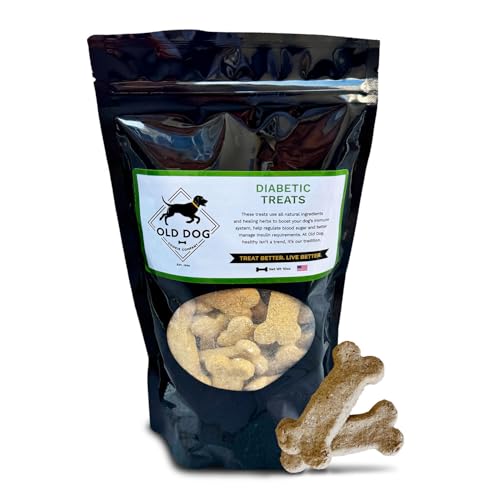
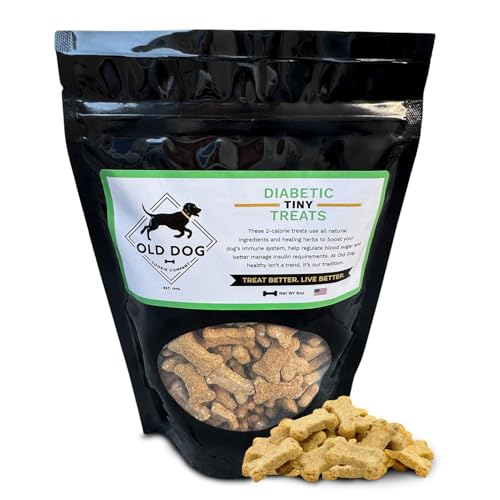
When choosing treats for a diabetic dog, the best options are those that are low in sugar, low in fat, and controlled in carbohydrates, prioritizing natural, whole ingredients. Selecting the right treats is crucial for maintaining stable blood glucose levels and supporting your dog’s overall health without compromising their diet. This guide will help you navigate safe and beneficial treat choices for your beloved companion.


What Makes a Treat “Good” for Diabetic Dogs?
Managing canine diabetes effectively requires meticulous attention to diet, and treats are no exception. For a treat to be considered “good” for a diabetic dog, it must align with several key nutritional principles designed to minimize blood glucose fluctuations and support metabolic health.
Firstly, the paramount concern is to focus on treats with low sugar and minimal simple carbohydrates. Simple sugars (like sucrose, dextrose, corn syrup, or molasses) cause rapid spikes in blood glucose, making diabetes management extremely challenging. Even complex carbohydrates, if given in large quantities, can be problematic. The goal is to provide treats that offer nutritional value without contributing to glycemic instability. Look for treats where the carbohydrate source is primarily complex and high in fiber, or ideally, a non-carbohydrate source like lean protein. Understanding a treat’s glycemic index can also be beneficial, as lower glycemic foods release glucose more slowly into the bloodstream.
Secondly, it’s essential to opt for moderate fat content and look for options high in fiber. While fat is an essential nutrient, excessive fat can lead to unwanted weight gain, increase the risk of pancreatitis (a serious condition often co-occurring or exacerbated by diabetes), and may interfere with insulin sensitivity. Therefore, treats should be lean. Fiber, conversely, is highly beneficial. It aids digestion, promotes satiety (helping to prevent overeating), and, crucially, can slow down the absorption of glucose from the digestive tract, contributing to more stable blood sugar levels. Ingredients like psyllium husk, oat bran, and certain vegetables are excellent sources of dietary fiber.
Finally, prioritize natural, whole ingredients without artificial additives, excessive salt, or unhealthy fillers. Artificial colors, flavors, and preservatives offer no nutritional benefit and can sometimes trigger adverse reactions. Unnecessary salt can contribute to dehydration or exacerbate existing health conditions. Fillers like corn, soy, or wheat gluten, especially when high on the ingredient list, often provide empty calories and can elevate carbohydrate content without sufficient fiber. Focusing on single-ingredient or minimally processed treats ensures transparency in what your dog is consuming and aligns with a wholesome, health-supportive diet.
Vet-Approved Commercial Treat Options
Navigating the vast market of commercial dog treats can be daunting, especially when searching for options suitable for a diabetic pet. However, with careful selection and veterinary guidance, safe and beneficial choices are available.
The most straightforward approach is to look for commercial treats specifically formulated for diabetic pets, often labeled “diabetic-friendly,” “low-calorie,” or “sugar-free.” These labels usually indicate that the product has been designed with specific dietary restrictions in mind, aiming for lower carbohydrate content, reduced fat, and an absence of added sugars. Brands specializing in therapeutic diets for dogs, often sold through veterinary clinics, are excellent starting points. These may include prescription diets available in treat form, which are rigorously tested for their impact on blood glucose. When considering any “low-calorie” or “sugar-free” treat, it’s vital to remember that these terms are not always regulated to the same strict standards as human food, necessitating further scrutiny of the ingredient list.
When examining any commercial treat, carefully read ingredient labels to ensure they are free from added sugars, corn syrup, and excessive starches. Hidden sugars can appear under many names, including dextrose, fructose, maltose, molasses, honey, and even fruit juice concentrates. Avoid treats where grains like wheat, corn, or soy are listed as the primary ingredients, as these can significantly contribute to the carbohydrate load. Instead, look for treats that list lean proteins (like chicken, turkey, or fish meal) or fiber-rich vegetables (like peas, green beans, or sweet potato) as their main components. Some brands use alternative sweeteners like stevia or erythritol; while generally considered safe in moderation for dogs, their long-term effects and ideal dosages for diabetic dogs should always be discussed with a vet.
Crucially, always consult your veterinarian for specific brand recommendations tailored to your dog’s individual needs and health plan. Every diabetic dog is unique, with varying insulin sensitivities, caloric requirements, and potential co-existing health conditions. Your vet possesses the medical expertise and detailed knowledge of your dog’s health profile to recommend commercial treats that complement their current medication regimen and overall dietary strategy. They can provide insights into specific products that have demonstrated positive outcomes in clinical settings or are formulated by reputable pet nutritionists. This personalized guidance is indispensable in making informed, safe choices for your canine companion.
Wholesome Homemade Treat Ideas
Creating homemade treats for your diabetic dog offers unparalleled control over ingredients, ensuring that every snack supports their health goals without unwanted additives. This approach allows for customization and often provides a more cost-effective solution.
One of the safest and simplest options is to prepare single-ingredient treats like small pieces of cooked lean chicken breast, turkey, or fish (plain, without seasoning). These proteins are naturally low in carbohydrates and provide essential amino acids without spiking blood sugar. Preparation is key: ensure meats are boiled, baked, or steamed thoroughly, and are completely unseasoned. Garlic, onions, and excessive salt are toxic or harmful to dogs. Skinless, boneless poultry or white fish such as cod or tilapia are excellent choices. Always cut them into small, manageable pieces appropriate for your dog’s size to prevent choking and ensure proper portion control. These lean protein treats can be dried in a low oven for a chewier, longer-lasting option.
For dogs who enjoy baked goods, you can bake simple treats using ingredients like oat flour, pureed pumpkin (unsweetened), green beans, or unsweetened applesauce. Oat flour is a good choice as it provides fiber and complex carbohydrates that are released more slowly than refined flours. Unsweetened pureed pumpkin is an excellent source of fiber and vitamins, while green beans can be finely chopped and incorporated for added nutrients and texture. Unsweetened applesauce can act as a natural binder and provide a hint of natural sweetness without added sugars. Consider recipes that use egg whites as a binding agent, which adds protein without extra fat. For example, a mixture of oat flour, plain pumpkin puree, and a beaten egg white, baked until firm, can yield a delicious and safe treat. It is vital to ensure that all ingredients are truly unsweetened and free from any hidden sugars or artificial additives.
A strict rule for homemade treats is to avoid any recipes that call for added sugars, artificial sweeteners (especially xylitol, which is toxic), or high-fat dairy products. Xylitol, commonly found in many sugar-free human products like gum, candies, and some peanut butters, is highly poisonous to dogs, causing a rapid and dangerous drop in blood sugar and potential liver failure. Even natural sugars like honey or maple syrup should be avoided. High-fat dairy products like cheese or full-fat yogurt are generally too high in fat and calories for diabetic dogs, potentially leading to weight gain and pancreatitis. Always scrutinize every ingredient you plan to use, ensuring it is safe and aligns with the strict dietary requirements for diabetic dogs.
Safe Fruits & Vegetables as Snacks
Fruits and vegetables can be excellent, low-calorie, nutrient-dense snacks for diabetic dogs, provided they are chosen wisely and offered in strict moderation. Their fiber content can also be beneficial for blood sugar management.
For vegetables, offer fibrous options such as green beans, carrots, celery sticks, broccoli florets, or cucumber slices in moderation. These vegetables are typically low in calories and carbohydrates, while being rich in vitamins, minerals, and dietary fiber. Green beans and cucumber slices are particularly good as they have high water content, contributing to hydration without significant caloric intake. Carrots can be given in small quantities but are slightly higher in natural sugars, so moderation is key. Broccoli florets can be offered raw or lightly steamed, providing antioxidants and fiber. Always ensure vegetables are washed thoroughly and cut into appropriate, bite-sized pieces to prevent choking. Introducing these gradually can help monitor for any digestive sensitivities.
When it comes to fruits, caution is advised due to their natural sugar content. However, small portions of certain fruits like blueberries, raspberries, or apple slices (without seeds) can be given, but sparingly. Blueberries and raspberries are packed with antioxidants and fiber, and their sugar content is relatively lower compared to other fruits. Apple slices (ensure all seeds and the core are removed, as apple seeds contain cyanide) offer fiber and vitamins. These fruits should be treated as occasional, tiny treats rather than a regular staple, to prevent any subtle increases in blood glucose. A few berries or a very thin slice of apple is sufficient. Avoid fruits that are particularly high in sugar, such as bananas, mangoes, or grapes (which are also toxic).
Critically, always confirm with your vet before introducing any new fruits or vegetables to ensure they are safe and appropriate for diabetic dogs. Your veterinarian can provide specific guidance based on your dog’s individual health status, current medication, and other dietary considerations. They can also advise on appropriate portion sizes and frequencies to ensure these healthy snacks integrate seamlessly into your dog’s diabetic management plan without causing any adverse effects or blood sugar fluctuations.
Treats to Strictly Avoid
For a diabetic dog, certain treats pose significant risks and must be rigorously excluded from their diet to prevent severe health complications and maintain blood glucose stability. Understanding what to avoid is as crucial as knowing what to offer.
Firstly, stay away from all high-sugar items, including cookies, cakes, candies, ice cream, and sugary breakfast cereals. These items are loaded with simple carbohydrates and refined sugars that cause rapid and dangerous spikes in a diabetic dog’s blood glucose levels. Such surges can lead to diabetic emergencies, complicate insulin regulation, and contribute to long-term health issues associated with poorly controlled diabetes, such as neuropathy, cataracts, and kidney damage. Even small amounts can have a detrimental effect, so absolute avoidance is the only safe approach. This also extends to many processed human foods, which often contain hidden sugars.
Secondly, do not offer fatty treats like bacon, sausage, hot dogs, processed lunch meats, or fatty table scraps. High-fat foods are problematic for several reasons. They can contribute to rapid weight gain, which exacerbates insulin resistance and makes diabetes harder to manage. More critically, high-fat foods significantly increase the risk of pancreatitis in dogs, a painful and potentially life-threatening inflammation of the pancreas. Diabetic dogs are already predisposed to pancreatitis, making fatty treats an extremely dangerous choice. Processed meats often contain high levels of sodium and artificial additives that are also unhealthy for dogs.
Finally, and with utmost importance, absolutely avoid grapes, raisins, and any products containing xylitol (a common artificial sweetener found in many human foods), as these are highly toxic to dogs. Grapes and raisins can cause acute kidney failure in dogs, even in small quantities, and the exact toxic compound remains unknown. Xylitol, on the other hand, causes a rapid and severe drop in a dog’s blood sugar (hypoglycemia) due to a sudden release of insulin, which can be fatal. It can also cause liver failure. Xylitol is present in many “sugar-free” human products, including chewing gum, mints, candies, peanut butter, toothpaste, and even some medications or nutritional supplements. Always check labels meticulously for xylitol before sharing any human food or product with your dog.
Portion Control and Blood Sugar Monitoring
Successful diabetic management extends beyond choosing the right treats; it crucially involves strict portion control and vigilant blood sugar monitoring to ensure treats support, rather than undermine, your dog’s health.
The fundamental rule for treats is that treats should never exceed 10% of your dog’s total daily caloric intake to prevent disrupting their balanced diet. This “10% rule” is a widely accepted guideline to ensure that the primary source of nutrition comes from their veterinarian-prescribed or recommended therapeutic diet. Exceeding this limit can lead to an imbalanced diet, provide excess calories resulting in weight gain (which makes diabetes management harder), and potentially displace more nutritious components of their main meals. To calculate this, you’ll need to know your dog’s total daily caloric needs (your vet can provide this) and the caloric content of the treats. For instance, if a dog requires 500 calories per day, treats should total no more than 50 calories.
Furthermore, it is vital to always factor any treats into your dog’s daily insulin and meal plan, especially if they receive insulin injections. Treats are not “free” calories; they contribute to the dog’s overall carbohydrate and caloric intake. Depending on the treat’s composition and the timing of its administration, it might necessitate adjustments to their insulin dose or the size of their main meals. Consistency is paramount in diabetic management; unpredictable caloric intake or carbohydrate spikes from treats can destabilize blood glucose levels. Your veterinarian will advise on how to integrate treats without compromising the effectiveness of their insulin regimen. For some dogs, treats might even be strategically used to prevent a rapid drop in blood sugar if, for example, insulin has been administered but the dog has not eaten their full meal.
Lastly, continuously monitor your dog’s blood glucose levels to observe how different treats affect their stability and adjust accordingly with vet guidance. This direct feedback is invaluable. After introducing a new type of treat, or if you change the quantity, perform blood glucose checks before and a few hours after the treat is given (as advised by your vet). This will reveal the treat’s glycemic impact. Keeping a detailed log of treats given, along with corresponding blood glucose readings, can help you and your veterinarian identify which treats are truly safe and effective for your dog and which should be avoided. This proactive monitoring allows for dynamic adjustments to the diabetic management plan, ensuring the best possible health outcomes for your pet.
Selecting appropriate treats for your diabetic dog is a key part of managing their condition effectively. By prioritizing low-sugar, low-fat, and natural options, whether commercial or homemade, you can safely reward your pet without compromising their health. Always discuss any new treats or dietary changes with your veterinarian to ensure they align with your dog’s specific diabetic management plan.
Frequently Asked Questions
What are the safest homemade treats for diabetic dogs?
The safest homemade treats for diabetic dogs typically consist of lean proteins and non-starchy vegetables. Options like plain boiled chicken breast, cooked lean ground turkey, or steamed green beans and carrots (in moderation) are excellent choices. These low-carbohydrate, low-fat options help maintain stable blood sugar levels without adding unnecessary sugars or starches, making them ideal healthy snacks for diabetic pups.
How do I choose store-bought treats that are safe for my diabetic dog?
When selecting commercial treats for diabetic dogs, prioritize options that explicitly state “low calorie,” “low sugar,” or “diabetic-friendly.” Carefully read ingredient labels to avoid treats containing corn syrup, molasses, artificial sweeteners, excessive grains, or high-fat content, which can all negatively impact blood glucose. Look for whole food ingredients and consult your veterinarian for specific brand recommendations that align with your dog’s dietary needs.
Why is ingredient awareness so crucial when selecting treats for a diabetic dog?
Ingredient awareness is paramount because even small amounts of sugar, high glycemic carbohydrates, or unhealthy fats in treats can significantly disrupt a diabetic dog’s carefully managed blood sugar levels. Many seemingly innocuous dog treats contain hidden sugars or starches that can lead to hyperglycemia, complicating diabetes management. Understanding and avoiding these problematic ingredients is key to maintaining your dog’s health and treatment efficacy.
Can my diabetic dog have fruit or vegetable treats, and if so, which ones are best?
Yes, many fruits and vegetables can be safe and healthy treats for diabetic dogs when given in strict moderation. Excellent choices include crisp green beans, baby carrots, broccoli florets, cucumber slices, and small pieces of apple (without seeds) or blueberries. Always consult your vet about appropriate portion sizes and specific types, as some fruits are higher in natural sugars and should be given sparingly.
What types of treats should I absolutely avoid giving to a dog with diabetes?
You should strictly avoid treats high in sugar, corn syrup, molasses, honey, or artificial sweeteners like xylitol (which is toxic to dogs). Also, steer clear of treats with excessive grains, starches, or high-fat content, as these can spike blood sugar or contribute to weight gain, further complicating diabetes management. Always prioritize low-sugar, low-fat, and low-carbohydrate options to keep your diabetic dog healthy.
References
- https://vetmed.tufts.edu/clinical-nutrition-service/pet-owner-resources/choosing-the-right-treats-for-your-dog-with-diabetes/
- https://www.vet.cornell.edu/departments-centers-and-institutes/cornell-university-hospital-animals/pet-owners/resources-and-forms/treats-pets-diabetes
- https://www.aaha.org/your-pet/pet-health-library/dog-diabetes-what-you-need-to-know/
- https://vet.purdue.edu/news/managing-diabetes-in-dogs.php
- https://www.akc.org/expert-advice/health/diabetic-dog-treats/
- https://health.ucdavis.edu/vetmed/animal-health-center/canine-diabetes-mellitus.cfm