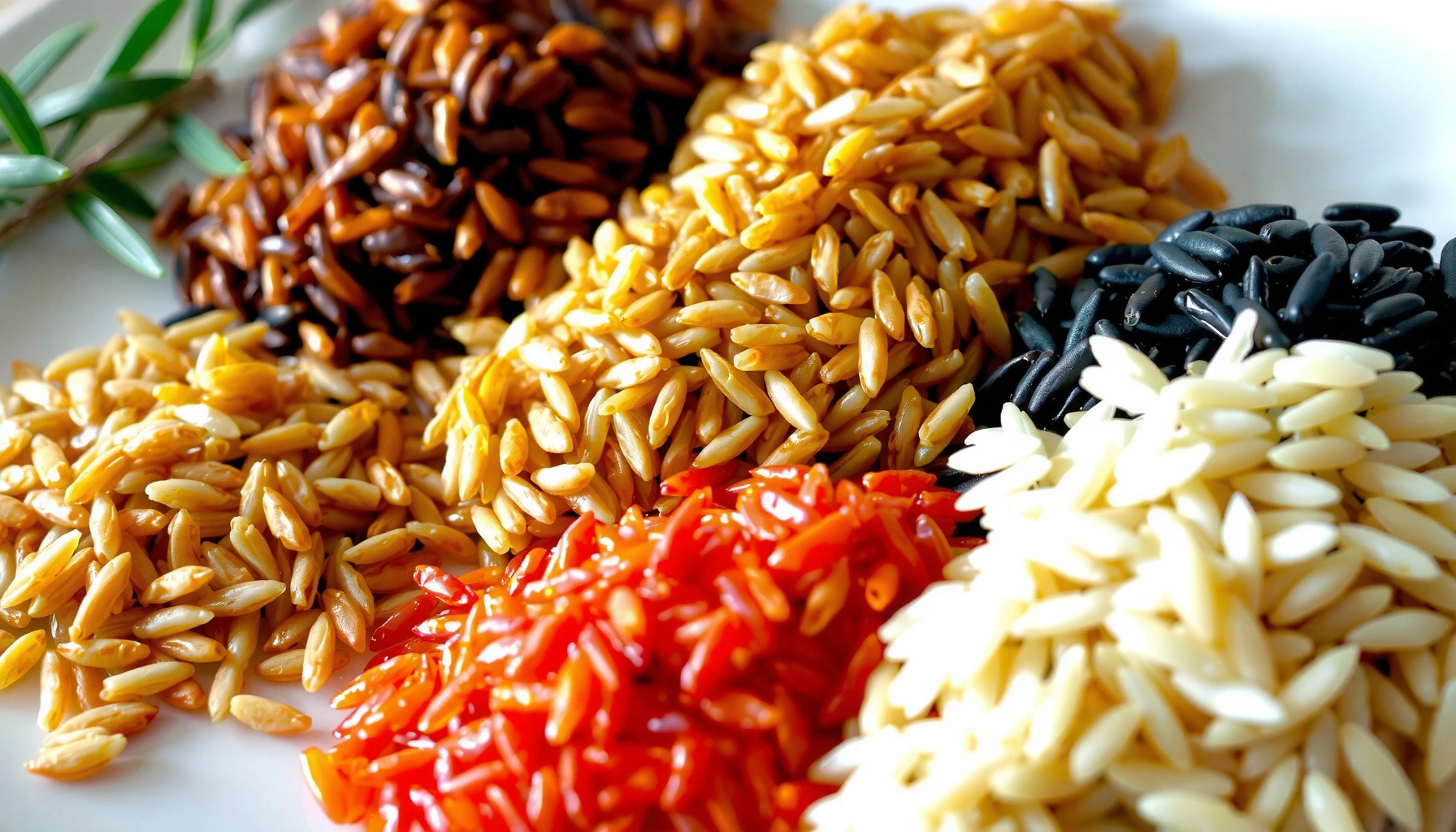

When managing diabetes, choosing the right foods is key, and rice doesn’t have to be off-limits. The best rice for diabetics typically refers to varieties with a lower glycemic index (GI) and higher fiber content, such as brown rice, wild rice, black rice, red rice, and aged basmati rice. These options cause a slower, more stable rise in blood sugar compared to high-GI white rice, allowing individuals to enjoy this staple grain as part of a balanced diet. This guide will walk you through the top healthy rice choices and practical tips for incorporating them into your meal plan.



Understanding Rice and Diabetes
Effectively managing diabetes involves a keen understanding of how different foods impact blood glucose levels. Rice, a global dietary staple, varies significantly in its nutritional profile and its effect on the body.
* Glycemic Index (GI): The Glycemic Index is a system that ranks carbohydrate-containing foods based on how quickly they raise blood sugar levels after consumption. Foods are ranked on a scale of 0 to 100, with pure glucose serving as the reference point at 100. Lower GI foods (55 or less) cause a slower, more gradual rise in blood glucose, which is highly beneficial for individuals with diabetes as it helps prevent rapid spikes and crashes. Medium GI foods range from 56-69, while high GI foods are 70 or above. Understanding the GI of various rice types empowers diabetics to make informed choices, favoring those that contribute to greater blood sugar stability and better overall glucose control.
* Carbohydrate Content: It is crucial to recognize that all types of rice, regardless of their GI, are primarily composed of carbohydrates. Carbohydrates are the body’s main source of energy, but for individuals with diabetes, the total amount consumed directly impacts blood sugar levels. Managing diabetes effectively requires not only choosing lower-GI options but also understanding and monitoring the total carbohydrate count per serving. This is fundamental for meal planning, especially for those who count carbohydrates to determine insulin doses or adhere to a specific daily carbohydrate target. Consistent portion control, even with healthier rice varieties, is therefore paramount to prevent exceeding carbohydrate limits and maintain glycemic targets.
* The Role of Fiber: Fiber is a non-digestible carbohydrate found abundantly in plant-based foods, and its presence is a defining factor in a rice variety’s suitability for diabetics. Whole grain rices, such as brown, black, and red rice, retain their bran and germ layers, which are rich in dietary fiber. This fiber plays a critical role in slowing down the absorption of glucose into the bloodstream, thus mitigating sharp post-meal blood sugar spikes. Beyond blood sugar regulation, fiber promotes satiety, helping to manage weight, and supports healthy digestion by adding bulk to stool and fostering a healthy gut microbiome. A higher fiber content is a key indicator of a diabetic-friendly rice choice.
Top Choices for Diabetics: Lower-GI Rices
Incorporating lower-GI rice varieties into a diabetic meal plan can allow individuals to enjoy this versatile grain without compromising blood sugar control. These options offer superior nutritional benefits and a more stable glycemic response.
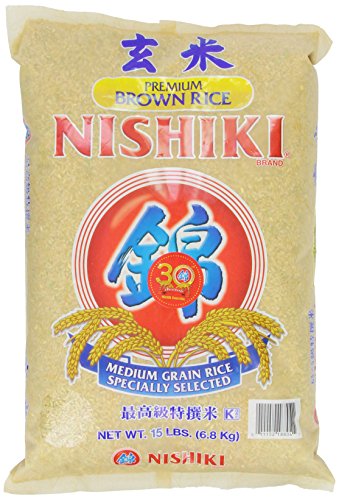
* Brown Rice: As a quintessential whole grain, brown rice retains its bran and germ layers, which are stripped away in white rice. This makes it a powerhouse of nutrition, packed with dietary fiber, magnesium, selenium, and B vitamins. Its high fiber content is directly responsible for its significantly lower glycemic index compared to white rice, typically ranging from 50 to 65 depending on the variety and cooking method. The slower digestion of brown rice translates to a more gradual release of glucose into the bloodstream, promoting sustained energy levels and preventing rapid blood sugar fluctuations. For diabetics, swapping white rice for brown rice is one of the most impactful dietary changes one can make.
* Wild Rice: Though often grouped with rice, wild rice is botanically a seed from an aquatic grass and stands out as an exceptional choice for diabetics. It boasts an impressive nutritional profile, being particularly high in protein, fiber, and various minerals like phosphorus, zinc, and magnesium. With a GI typically ranging from 35 to 45, it is considered a very low-GI food. Its high protein and fiber content contribute significantly to satiety, helping to manage appetite and weight, while ensuring a very slow and controlled release of glucose. Its chewy texture and earthy flavor make it a delicious and healthful addition to salads, soups, or as a standalone side dish.
* Aged Basmati Rice: Not all white rice is created equal, and aged basmati rice offers a notable exception for those seeking a lighter grain. Specific varieties of aged basmati rice, particularly those that have been stored for extended periods (typically 12-24 months), develop a distinct aromatic quality and, more importantly, a medium glycemic index (around 50-58). This is attributed to its unique starch composition, particularly a higher amylose content compared to other white rice varieties. Amylose is a complex carbohydrate that takes longer to digest, leading to a slower and more gentle impact on blood sugar levels than short-grain or non-aged white rices. When selecting basmati, always look for “aged” on the label to ensure this beneficial starch profile.
Other Good Options and What to Look For
Beyond the primary recommendations, several other rice types offer excellent nutritional benefits and moderate glycemic responses, making them suitable choices for individuals managing diabetes.
* Black Rice (Forbidden Rice): Historically reserved for emperors in ancient China, black rice is a treasure trove of nutrients. Its distinctive dark color comes from anthocyanins, powerful antioxidants also found in blueberries and blackberries, which offer anti-inflammatory benefits and may even help improve insulin sensitivity. Black rice is rich in fiber and protein, contributing to a lower glycemic index (typically around 42-49). Its chewy texture and slightly nutty, earthy flavor make it a unique and visually appealing alternative to traditional rice, perfect for adding a gourmet touch to meals while delivering significant health advantages.
* Red Rice: Similar to black rice, red rice varieties, such as Bhutanese red rice or Camargue red rice, derive their vibrant hue from anthocyanins, making them excellent sources of antioxidants. These whole grain rices also provide a substantial amount of dietary fiber and protein, contributing to a moderate glycemic index (ranging from 55-65 depending on the variety). Red rice offers a slightly nutty flavor and a firm, chewy texture that holds up well in various dishes, from pilafs to stir-fries. Its nutritional density and beneficial antioxidant profile make it a superior choice over refined white rice.
* Parboiled Rice: While technically a processed white rice, parboiled rice undergoes a unique process that alters its nutritional and glycemic profile favorably. Before milling, the paddy rice is partially boiled in its husk, which forces nutrients from the bran into the grain and modifies the starch structure. This process results in a grain that is easier to cook and, more importantly for diabetics, has a slightly lower glycemic index (typically 38-50) than regular white rice. It also retains more vitamins and minerals. While it lacks the full fiber content of whole grains, parboiled rice can be a “better-than-white” alternative for those accustomed to white rice texture and flavor, offering a more controlled blood sugar response.
Rices to Limit or Avoid
For effective blood sugar management, certain rice varieties should be consumed sparingly or, ideally, avoided altogether due to their high glycemic index and minimal nutritional value.
* White Rice: This is perhaps the most common rice variety, but it is also the least suitable for individuals with diabetes. White rice undergoes extensive milling, a process that strips away the outer bran layer and germ, which are rich in fiber, vitamins, and minerals. What remains is primarily the starchy endosperm. Consequently, white rice has a high glycemic index (typically 70 or above), causing a rapid and significant surge in blood sugar levels shortly after consumption. Its lack of fiber also means it offers little satiety, potentially leading to overeating. For these reasons, white rice is often referred to as “empty calories” and should be largely excluded from a diabetic-friendly diet.
* Sticky Rice/Glutinous Rice: Widely used in Asian cuisine for its adhesive texture, sticky rice (also known as glutinous rice, though it is gluten-free) poses a particular challenge for diabetics. This type of rice is characterized by an exceptionally high amylopectin content, a type of starch that is rapidly digested and absorbed into the bloodstream. As a result, sticky rice has an extremely high glycemic index, often exceeding 90, leading to very fast and substantial increases in blood glucose levels. Its consumption can make blood sugar management exceedingly difficult and should be strictly avoided by individuals with diabetes.
* Pre-packaged Flavored Rice Mixes: Convenience often comes at a cost, and pre-packaged flavored rice mixes are a prime example of foods detrimental to diabetic health. These products are frequently made with highly refined white rice and are laden with hidden ingredients that undermine blood sugar control and overall health. They often contain significant amounts of added sugars (suchor as dextrose, corn syrup, or maltodextrin), unhealthy fats (like hydrogenated oils), excessive sodium, and artificial flavors or preservatives. Such a combination can lead to unpredictable and high blood sugar spikes, contribute to weight gain, and elevate the risk of cardiovascular complications. Always prioritize preparing rice from scratch using whole, natural ingredients.
Beyond the Grain: Portion Control and Preparation
While selecting the right type of rice is crucial, how you consume and prepare it plays an equally vital role in managing blood sugar levels for individuals with diabetes.
* Mindful Portion Sizes: Even the healthiest, lowest-GI rice options contain carbohydrates, and consuming too much will still impact blood sugar. Therefore, strict portion control is an absolute necessity. A typical recommended serving size for cooked rice is about 1/2 cup (approximately 80-100 grams), which usually contains around 20-30 grams of carbohydrates. However, individual carbohydrate needs vary based on factors like activity level, medication, and specific dietary plans. Consulting with a registered dietitian or doctor to determine personalized portion sizes is highly recommended to effectively manage total carbohydrate intake and prevent post-meal blood sugar spikes.
* Cooking Methods: The way rice is cooked can subtly influence its glycemic impact. Cooking rice “al dente” – meaning it’s slightly firm to the bite rather than overly soft and mushy – can result in a marginally lower glycemic index. This is because overcooking can break down the starch structure further, making it more readily digestible. Additionally, recent research suggests that cooling cooked rice in the refrigerator for at least 12 hours before reheating can increase its resistant starch content. Resistant starch acts like fiber, passing through the digestive system undigested, which further reduces its impact on blood sugar and benefits gut health.
* Pairing with Protein and Fiber: A highly effective strategy for slowing glucose absorption and stabilizing blood sugar is to always combine rice with lean protein sources, healthy fats, and plenty of non-starchy vegetables. Protein and fat slow gastric emptying, meaning food stays in the stomach longer, resulting in a more gradual release of glucose. Non-starchy vegetables are rich in fiber and micronutrients, adding bulk and further slowing digestion without significantly contributing to carbohydrate load. For example, instead of plain rice, opt for a meal combining brown rice with grilled chicken or fish, avocado, and a generous serving of steamed broccoli, leafy greens, or a vibrant mixed salad. This creates a balanced meal that supports stable blood glucose levels.
Integrating Rice into Your Diabetic Meal Plan
Successfully incorporating rice into a diabetic diet requires strategic planning and consistent monitoring. It’s about making rice a supportive component of a larger, balanced nutritional framework.
* Meal Balancing: The “plate method” is an excellent visual guide for meal balancing. When incorporating a healthy rice option, aim to fill half your plate with non-starchy vegetables (e.g., spinach, broccoli, bell peppers), one-quarter with lean protein (e.g., chicken, fish, tofu, beans), and the remaining one-quarter with a measured portion of your chosen lower-GI rice. This ensures a balanced intake of macronutrients, provides ample fiber, and helps control the carbohydrate load of the meal. Remember that vegetables, proteins, and healthy fats all contribute to satiety, which helps prevent overconsumption of the starchy component.
* Blood Sugar Monitoring: One of the most critical aspects of integrating any new food into a diabetic diet is monitoring its effect on your personal blood glucose levels. Use a glucometer to check your blood sugar before eating your rice meal and then again one to two hours after the first bite. This practice provides invaluable feedback on how your body responds to specific types and portions of rice, as individual glycemic responses can vary significantly. This data allows you to make informed adjustments to your portion sizes, cooking methods, or meal pairings, optimizing your dietary strategy for better glycemic control.
* Variety is Key: While this guide highlights several excellent rice choices, it’s beneficial to embrace variety in your diet beyond just different types of rice. Rotating various healthy grains and starches, such as quinoa (a complete protein and low GI), barley (high in soluble fiber), farro, or steel-cut oats, can ensure a diverse intake of essential nutrients and micronutrients. This approach not only provides a wider spectrum of health benefits but also helps prevent dietary boredom, making your diabetic meal plan more sustainable and enjoyable in the long run. Experiment with different textures and flavors to keep your meals interesting and nutritious.
Making informed choices about the type and quantity of rice you eat can significantly impact your blood sugar management. Opting for fiber-rich, lower-GI varieties like brown, wild, black, red, or aged basmati rice, combined with diligent portion control and balanced meal pairing, allows you to enjoy rice safely and healthily. Always consult with your doctor or a registered dietitian to tailor these recommendations to your specific health needs and dietary plan.
Frequently Asked Questions
What is the best type of rice for diabetics to eat?
The best types of rice for diabetics are whole grain varieties like brown rice and wild rice, and certain types of basmati rice, particularly aged or parboiled versions. These options have a lower glycemic index (GI) compared to regular white rice, meaning they cause a slower and more gradual rise in blood sugar levels, which is crucial for effective diabetes management. Their higher fiber content also contributes to better satiety and digestive health.
Why is brown rice often recommended over white rice for people with diabetes?
Brown rice is highly recommended for diabetics primarily because it is a whole grain that retains its bran and germ layers, which are rich in fiber, vitamins, and minerals. This fiber content significantly slows down the digestion and absorption of carbohydrates, preventing sharp spikes in blood sugar that are common with refined white rice. Its lower glycemic index helps maintain more stable glucose levels, supporting better long-term glycemic control.
How can diabetics incorporate rice into their diet safely without spiking blood sugar?
Diabetics can safely incorporate rice by practicing strict portion control, typically limiting servings to half a cup cooked or less. It’s also vital to pair rice with plenty of non-starchy vegetables, lean protein, and healthy fats, as these components help further slow down glucose absorption and reduce the overall glycemic impact of the meal. Opting for whole grain rice varieties and monitoring post-meal blood sugar are also key strategies for safe inclusion.
Are there specific “low GI” rice brands or cooking methods that are beneficial for diabetics?
While specific “diabetic-friendly” rice brands are emerging, consumers can look for varieties naturally lower in GI, such as aged Basmati rice, parboiled rice, or traditional brown and wild rice. Additionally, cooking rice and then cooling it completely before reheating can create resistant starch, which behaves more like fiber and has a lower glycemic response, offering a beneficial cooking method for blood sugar management.
Which rice alternatives are good options if someone with diabetes wants to avoid rice altogether?
Excellent low-carb and low-GI rice alternatives for diabetics include cauliflower rice, which is very low in carbohydrates and calories. Other nutritious options are quinoa and barley, both whole grains packed with fiber and protein that offer a lower glycemic impact than most rices. Shirataki rice, made from konjac root, is another virtually carb-free substitute that can be very helpful for managing blood sugar levels effectively.
References
- https://diabetes.org/food-and-fitness/what-can-i-eat/making-healthy-food-choices/grains-and-starchy-vegetables
- https://www.health.harvard.edu/diseases-and-conditions/is-white-rice-bad-for-you
- https://www.ncbi.nlm.nih.gov/pmc/articles/PMC8900083/
- https://www.ncbi.nlm.nih.gov/pmc/articles/PMC8624137/
- Whole Grains • The Nutrition Source
- https://www.bbc.com/news/health-18544974
- Get to Know Grains: Why You Need Them, and What to Look For | American Heart Association