

Stevia, Monk Fruit, and Erythritol are widely considered the best sweeteners for diabetics because they are natural, zero-calorie options that do not spike blood sugar or insulin levels. While synthetic options like Sucralose (Splenda) are technically safe, these natural sugar substitutes typically offer a better long-term safety profile with fewer potential side effects regarding gut health and metabolic response. Navigating the aisle of sugar substitutes can be overwhelming given the sheer volume of choices, but understanding the distinction between natural extracts, sugar alcohols, and synthetic chemicals is crucial for long-term health. The following guide details the pros and cons of these top choices to help you manage your glucose levels effectively while still enjoying the foods you love.
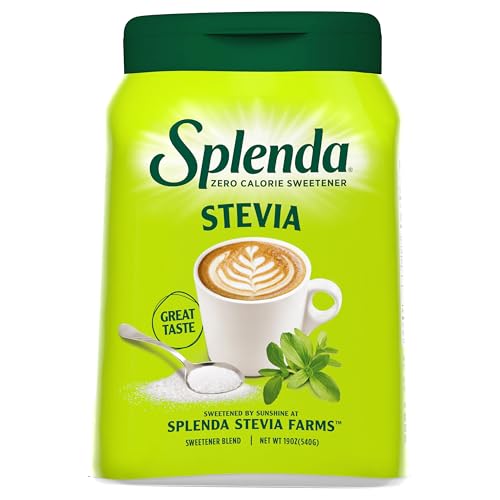



1. Stevia: The Most Popular Natural Choice

Stevia is frequently cited by endocrinologists and nutritionists as the gold standard for diabetic-friendly sweeteners. Extracted from the leaves of the Stevia rebaudiana plant, native to South America, this sweetener is a powerhouse of potency. It is approximately 200 to 300 times sweeter than standard table sugar (sucrose), meaning only a microscopic amount is required to achieve the desired sweetness in beverages or foods. Because it passes through the body without being metabolized for energy, Stevia contains zero calories and zero carbohydrates.
The primary benefit of Stevia for those managing diabetes is its impact—or lack thereof—on the glycemic index (GI). Stevia has a GI of zero. Clinical studies have consistently shown that pure Stevia extract does not raise blood glucose or insulin levels, making it perfectly safe for daily blood sugar management. For individuals with Type 2 diabetes, swapping sugar for Stevia can be a significant tool in weight management and glycemic control, as it removes the caloric load of sugar without sacrificing sweetness.
However, the taste profile of Stevia is often debated. Some users report a distinct, slightly bitter, or “licorice-like” aftertaste. This is largely dependent on the specific glycosides used in the extraction process. Cheaper brands may use the whole leaf or lower-quality extracts (Stevioside), which tend to carry more bitterness. To minimize this, experts recommend looking for high-quality extracts labeled as “Rebaudioside A” (or Reb A), which is the sweetest and least bitter part of the stevia leaf. Additionally, liquid drops often have a cleaner taste profile compared to powdered versions, which may contain flow agents.
2. Monk Fruit Extract: The Best Taste Profile
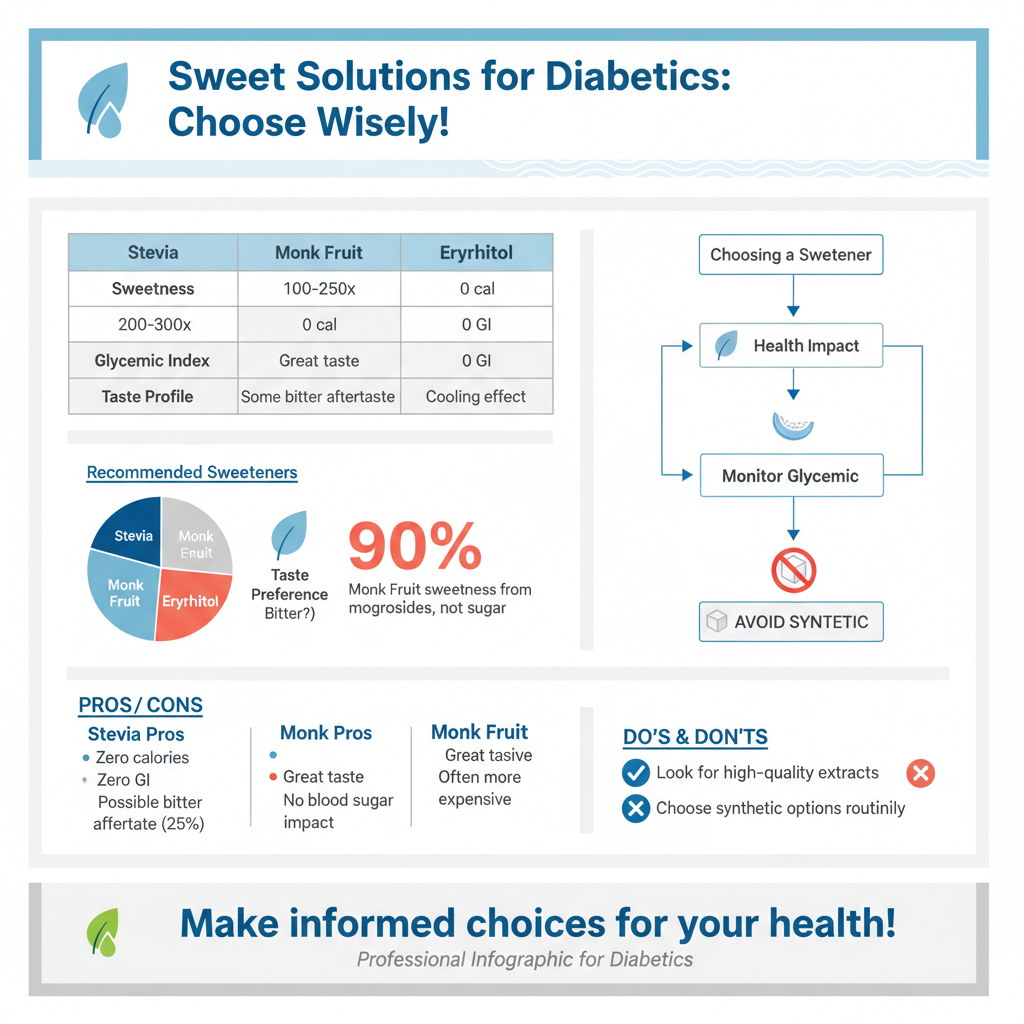

For those who find the aftertaste of Stevia unpalatable, Monk Fruit (also known as Luo Han Guo) is widely regarded as the superior alternative regarding flavor. Harvested from a small green melon native to southern China, Monk Fruit derives its sweetness from antioxidants called mogrosides rather than fructose or glucose. This results in a sweetness profile that is remarkably close to white sugar, lacking the metallic or licorice notes often associated with Stevia.
Like Stevia, pure Monk Fruit extract is a zero-calorie, zero-carbohydrate sweetener with zero glycemic impact. It does not stimulate insulin secretion, making it an excellent option for maintaining stable blood sugar levels. Because it is heat-stable, it can be used in cooking and baking, although its high potency usually requires recipe adjustments. The primary downside to Monk Fruit is availability and cost; the fruit is difficult to grow and harvest, making the pure extract significantly more expensive than other sweeteners on the market.
A critical advisory when purchasing Monk Fruit is to scrutinize the ingredient label. Because pure Monk Fruit extract is roughly 150 to 200 times sweeter than sugar, manufacturers rarely sell it in its pure form. Instead, they blend it with bulking agents to make it measurable like sugar (1:1 ratio). Consumers must be vigilant, as some manufacturers blend Monk Fruit with cheaper fillers like dextrose, molasses, or maltodextrin. These fillers are essentially sugar and will spike blood glucose levels, negating the benefits of the Monk Fruit. Always look for blends that use Erythritol or Allulose as the carrier, rather than high-glycemic fillers.
3. Erythritol: The Best for Baking
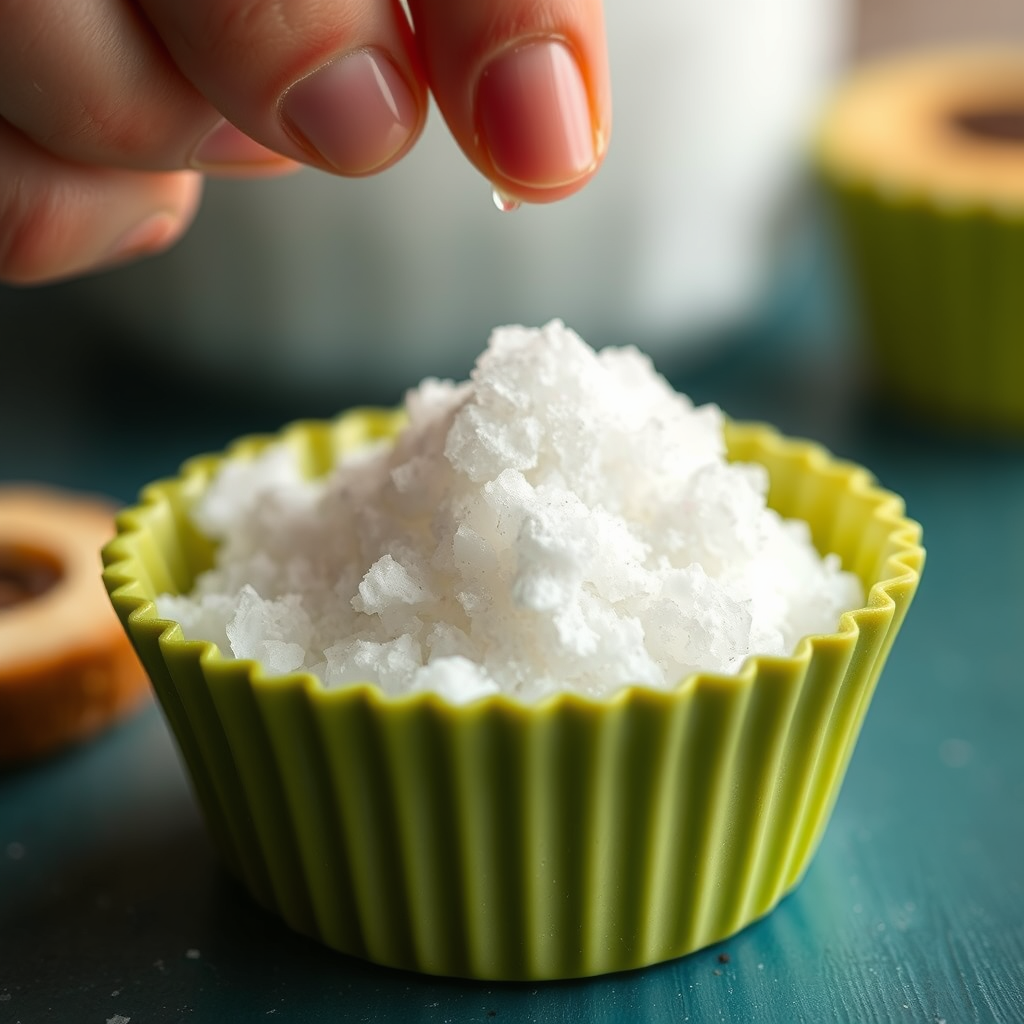
Erythritol represents a different category of sweetener known as sugar alcohols (polyols). It occurs naturally in certain fruits and fermented foods but is produced commercially via the fermentation of corn starch. Unlike high-intensity sweeteners like Stevia and Monk Fruit, Erythritol is only about 70% as sweet as sugar. Its unique chemical structure allows it to pass through the human body mostly undigested. It is absorbed into the bloodstream in the small intestine and then excreted unchanged in the urine, resulting in a negligible impact on blood glucose and insulin.
Erythritol shines most brightly in the kitchen, specifically for baking. High-intensity extracts (Stevia/Monk Fruit) lack the volume required to provide structure to cakes, cookies, and muffins. If you remove 200 grams of sugar and replace it with 1 gram of Stevia, the chemical structure of the baked good collapses. Erythritol provides the necessary bulk and texture similar to white sugar, allowing for browning and crisping that extracts cannot mimic. It also has a “cooling effect” in the mouth (similar to mint) when used in high concentrations, which pairs well with citrus or minty desserts.
Furthermore, Erythritol has a distinct advantage over other sugar alcohols regarding digestion. Because 90% of it is absorbed before reaching the large intestine, it causes significantly fewer digestive issues than xylitol or maltitol. However, moderation is still key. Excessive consumption in a single sitting can still lead to minor bloating or nausea in sensitive individuals.
4. Synthetic Artificial Sweeteners (Sucralose and Aspartame)
Synthetic sweeteners, commonly known by brand names such as Splenda (Sucralose) and Equal or Nutrasweet (Aspartame), have been the standard for decades. These are FDA-approved and are broadly considered safe for diabetics because they are non-nutritive, meaning they contain no calories and do not directly raise blood sugar levels upon ingestion. They remain popular due to their low cost, high availability, and ability to retain sweetness under high heat (in the case of Sucralose).
However, the medical community’s stance on these sweeteners has become more nuanced in recent years. While they do not contain glucose, emerging research suggests they may not be biologically inert. Some studies indicate that synthetic sweeteners might negatively impact gut health by altering the microbiome—the balance of good and bad bacteria in the digestive tract. An imbalance here can theoretically impair the body’s natural ability to manage glucose. Furthermore, there is ongoing research into the “cephalic phase insulin response,” where the brain senses extreme sweetness and triggers a release of insulin in anticipation of sugar that never arrives, potentially contributing to insulin resistance over time.
Given these considerations, it is generally recommended to use synthetic options as secondary choices. If natural sweeteners like Stevia or Monk Fruit are unavailable, palatable, or cost-prohibitive, Sucralose and Aspartame are acceptable alternatives to sugar, but they should ideally be consumed in moderation rather than as a dietary staple.
5. Sugar Alcohols to Consume with Caution
Not all sugar alcohols are created equal. While Erythritol is highly recommended, diabetics should exercise extreme caution with other polyols such as Maltitol, Xylitol, and Sorbitol. These are ubiquitous in “Sugar-Free” candies, chocolates, and protein bars because they are cheap to produce and mimic the mouthfeel of sugar perfectly.
The danger lies in their metabolic impact. Unlike Erythritol, sugar alcohols like Maltitol are partially digested and absorbed by the body. Maltitol, for example, has a glycemic index that can range from 35 to 52 (compared to table sugar at 60-65). This means that eating a “sugar-free” chocolate bar sweetened with Maltitol can still cause a significant spike in blood sugar levels, which can be dangerous if a diabetic has calculated their insulin dosage assuming the product has zero impact.
Additionally, these sugar alcohols are notorious for causing severe gastrointestinal distress. Because a significant portion reaches the large intestine unabsorbed, they ferment, creating gas, bloating, and a strong laxative effect often referred to as “osmotic diarrhea.” For many people, the physical discomfort and the hidden glucose spike make these sweeteners options to avoid whenever possible.
6. How to Read Labels for Hidden Sugars
Effective diabetes management requires vigilance, specifically when reading nutrition labels on “diet” or “low-carb” products. The front of the package is marketing; the back of the package is where the truth lies. One of the most common traps is the use of bulking agents in powdered sweeteners. A packet of Stevia may list “dextrose” or “maltodextrin” as the first ingredient. These are derived from corn or wheat starch and have a higher glycemic index than table sugar. While the amount per packet is small, using multiple packets throughout the day can accumulate enough glucose to affect your levels.
It is also vital to understand the difference between “Total Carbohydrates” and “Net Carbs.” For a diabetic on insulin, this calculation is essential. Net carbs are calculated by taking Total Carbohydrates and subtracting fiber and sugar alcohols (like Erythritol). Since fiber and Erythritol do not impact blood sugar, you only dose insulin for the net carbs. However, if the product uses Maltitol, you cannot subtract the full amount of sugar alcohol, as roughly half of it converts to glucose.
Finally, be wary of the label “No Added Sugar.” This simply means the manufacturer did not dump white sugar into the vat. The product could still be sweetened with concentrated fruit juice, date paste, or honey—all of which are natural but are essentially pure sugar to a diabetic’s body. Always check the total grams of sugar per serving, regardless of the source.
Finding the right sweetener is a personal journey that balances taste, budget, and blood sugar response. Start by incorporating natural options like Stevia or Monk Fruit into your diet, as these generally provide the best health benefits with the least impact on glucose. If baking is your passion, Erythritol serves as a safe, structural alternative to sugar. Always consult your healthcare provider or dietitian before making significant changes to your diet, and most importantly, test your blood sugar after trying a new sweetener. Every body reacts differently, and your glucometer will provide the ultimate truth regarding which options are safe for your specific biology.
Frequently Asked Questions
What are the best natural sugar substitutes for diabetics to control blood sugar?
The top natural choices for diabetics are generally Stevia, Monk Fruit, and Erythritol because they have a zero glycemic index and do not cause blood sugar spikes. These sweeteners are derived from plants or fermentation processes rather than chemical synthesis, making them popular for those seeking “clean label” ingredients. However, it is crucial to check nutrition labels to ensure manufacturers haven’t added fillers like dextrose or maltodextrin, which can negatively impact glucose levels.
Which diabetic-friendly sweetener is best for baking and cooking?
For baking, Erythritol and Allulose are widely considered the best options because they mimic the volume and texture of sugar better than high-intensity drops like liquid Stevia. Allulose is particularly effective because it browns and caramelizes like real sugar without the bitter aftertaste often associated with other substitutes. Many bakers also prefer using 1:1 granular blends (often Monk Fruit mixed with Erythritol) that allow you to follow traditional recipes without doing complex math conversions.
Do artificial sweeteners trigger an insulin response in the body?
Most non-nutritive sweeteners, such as Sucralose (Splenda) and Aspartame, pass through the body without digestion and do not directly trigger an insulin spike in the vast majority of people. However, some studies suggest that the sweet taste alone might trigger a “cephalic phase insulin release” in certain individuals, though this effect is usually minimal compared to eating actual sugar. To be safe, diabetics should monitor their glucose levels when trying a new sweetener to see how their unique metabolism reacts.
What is the difference between sugar alcohols (like Xylitol) and artificial sweeteners?
Sugar alcohols, such as Xylitol, Sorbitol, and Erythritol, are a type of carbohydrate with a chemical structure that resembles both sugar and alcohol, providing sweetness with fewer calories and a lower impact on blood glucose. Unlike purely synthetic artificial sweeteners (like Saccharin), sugar alcohols add bulk and texture to food, but they can cause digestive issues like bloating or gas if consumed in large quantities. Xylitol is a popular choice for dental health, but pet owners must be aware that it is highly toxic to dogs.
Which sugar substitute tastes the most like real sugar without an aftertaste?
Allulose and Erythritol are frequently cited as tasting the closest to table sugar (sucrose) because they offer a clean sweetness with a very similar mouthfeel. While Stevia is excellent for blood sugar management, many users complain of a metallic or licorice-like aftertaste, especially in higher concentrations. To combat this, many brands now offer “Monk Fruit with Erythritol” blends, which balance out the flavor profiles to create a taste that is nearly indistinguishable from sugar.
References
- Artificial sweeteners: Any effect on blood sugar? – Mayo Clinic
- https://diabetes.org/food-nutrition/understanding-carbs/get-to-know-carbs/sugar-substitutes
- Low-Calorie Sweeteners • The Nutrition Source
- https://health.clevelandclinic.org/safe-sweeteners-for-diabetes
- Aspartame and Other Sweeteners in Food | FDA
- https://www.hopkinsmedicine.org/health/wellness-and-prevention/facts-about-sugar-and-sugar-substitutes
- Sugar, sweeteners and diabetes | Diabetes UK
- https://www.ncbi.nlm.nih.gov/pmc/articles/PMC3772345/


Pingback: Finding the Best Spaghetti Sauce for Diabetics - Best For Diabetics
Pingback: Best Protein Powder for Diabetic Patients: Top Choices - Best For Diabetics
Pingback: Best Gummies for Diabetes: What to Look For - Best For Diabetics
Pingback: Best Diabetic Candy: Sweet Options for Diabetics - Best For Diabetics
Pingback: Which Sweetener is Best for Diabetics? Understanding Your Choices - Best For Diabetics
Pingback: Best Coffee Creamer for Diabetics - Best For Diabetics
Pingback: The Best Ice Cream for Diabetics - Best For Diabetics
Pingback: Best Sugar-Free Yogurts for Diabetics: Top Picks - Best For Diabetics
Pingback: Best Salads for Diabetics: Healthy Options - Best For Diabetics
Pingback: Best Frozen Yogurt Options for Diabetics - Best For Diabetics