
Finding the best protein drink for managing diabetes involves prioritizing options that are low in sugar, controlled in carbohydrates, and rich in high-quality protein to help stabilize blood sugar and support overall health. The ideal choice will also align with your individual dietary needs and preferences, offering a convenient way to supplement your protein intake without unwanted spikes in glucose.




Understanding Diabetic-Friendly Protein Requirements

Living with diabetes means paying close attention to what you eat and drink, and protein plays a pivotal role in this. It’s not just about building muscles; for diabetics, protein is a powerful ally in managing blood sugar and supporting overall well-being. Let’s dive into why it’s so important.
– Blood Sugar Management: Protein helps slow down the absorption of carbohydrates, preventing rapid blood sugar spikes and promoting more stable glucose levels. When you consume protein, your body processes it differently than carbs, which typically break down quickly into glucose. Protein-rich foods and drinks help to moderate this process, leading to a gentler rise in blood sugar. This steady release of energy is incredibly beneficial for maintaining consistent glucose levels throughout the day and avoiding the roller-coaster effect of high and low blood sugars.
– Satiety and Weight Control: High protein content can increase feelings of fullness, reducing overall calorie intake and aiding in weight management, which is crucial for diabetes. Studies have consistently shown that protein is the most satiating macronutrient. Feeling fuller for longer means you’re less likely to reach for unhealthy snacks or overeat at meals. For many with type 2 diabetes, managing weight is a key component of improving insulin sensitivity and achieving better blood sugar control, making protein drinks a valuable tool in their dietary strategy.
– Muscle Health: Adequate protein supports muscle maintenance and growth, essential for metabolism and overall physical well-being in individuals with diabetes. Muscles are not just for strength; they are metabolic powerhouses. More muscle mass means a higher resting metabolic rate, which helps burn more calories even at rest. Furthermore, muscle tissue is highly insulin-sensitive, meaning it can absorb glucose from the blood more efficiently. Maintaining strong, healthy muscles through adequate protein intake and regular exercise is fundamental for improving glucose utilization and overall metabolic health for diabetics.
Essential Nutritional Criteria: What to Look For
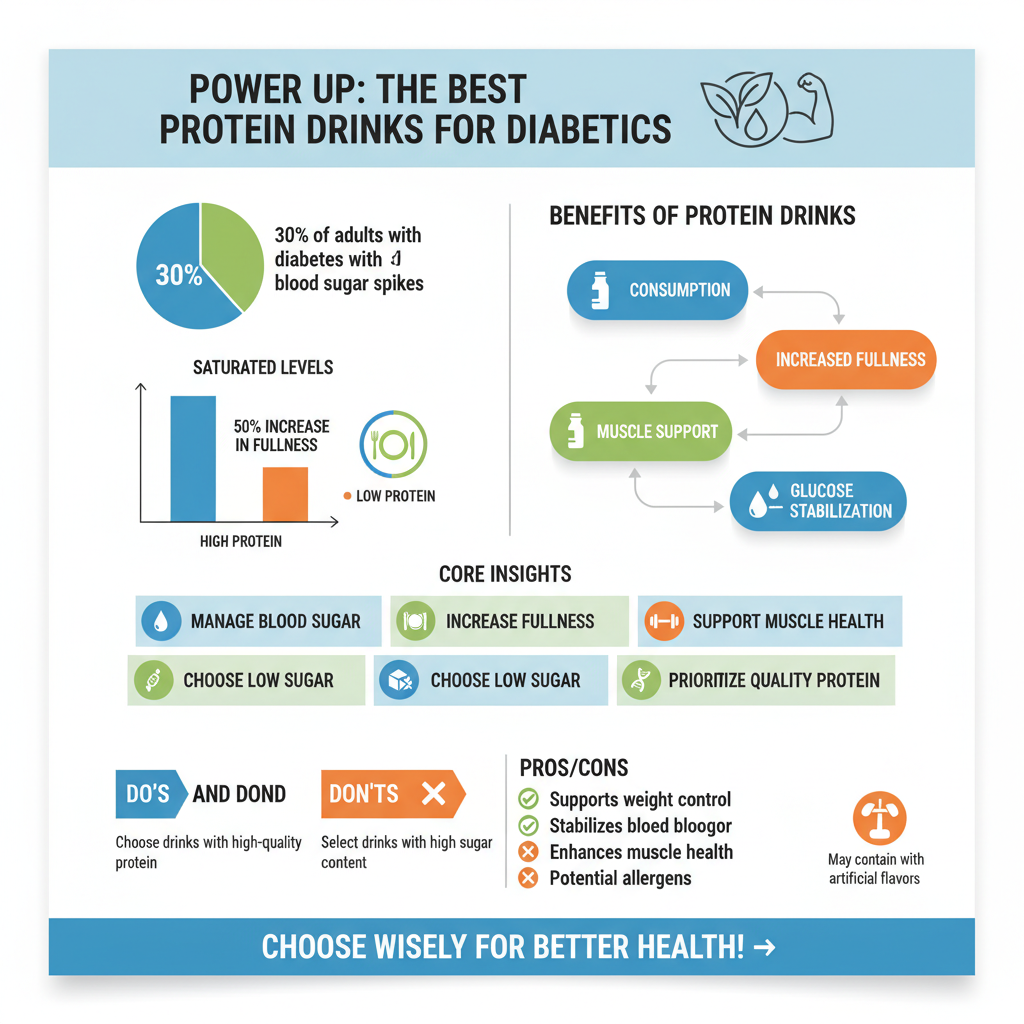

When you’re navigating the countless protein drink options available, knowing exactly what to look for on the nutrition label is your superpower. For diabetics, certain nutritional criteria are non-negotiable to ensure the drink supports rather than hinders your health goals.
– Low Sugar Content: Prioritize drinks with minimal or no added sugars. Look for options sweetened with natural, low-glycemic alternatives or artificial sweeteners in moderation, if preferred. The biggest red flag for a diabetic-friendly drink is a high sugar content. Added sugars can cause immediate and significant spikes in blood glucose, directly undermining your diabetes management efforts. Aim for drinks with 5 grams or less of total sugar per serving, and ideally, 0 grams of *added* sugar. If a sweetener is used, natural options like stevia or monk fruit are often preferred over artificial ones like sucralose or aspartame, though the latter can be used in moderation if they don’t cause digestive upset or other issues for you. Always double-check the ingredient list for hidden sugar names like dextrose, maltodextrin, or corn syrup solids.
– Controlled Carbohydrate Count: Choose drinks with a balanced carbohydrate profile, ideally with a good amount of fiber, to minimize impact on blood glucose. While protein is king, carbohydrates are not the enemy if managed correctly. The key is *controlled* carbs, especially those accompanied by dietary fiber. Fiber slows digestion, which helps prevent rapid sugar absorption and contributes to feelings of fullness. Look for drinks that offer a moderate amount of carbohydrates (e.g., 5-15 grams total per serving, depending on your individual meal plan), with a significant portion coming from fiber. This balance helps provide sustained energy without overwhelming your system with a quick glucose load. Calculating “net carbs” (total carbs minus fiber and sometimes sugar alcohols) can also be a useful strategy, but always monitor your blood sugar to see how your body responds.
– High-Quality Protein Sources: Opt for drinks featuring complete protein sources that provide all essential amino acids, such as whey, casein, or a blend of plant-based proteins. The quality of the protein in your drink matters for muscle repair, satiety, and overall nutritional benefit. Complete proteins contain all nine essential amino acids that your body cannot produce on its own. Dairy-based proteins like whey and casein are excellent examples. For those following plant-based diets or with dairy sensitivities, look for blends of plant proteins (like pea and rice protein combined) or individual sources like soy or hemp protein, which offer complete amino acid profiles. High-quality protein ensures your body has the building blocks it needs to function optimally, supporting everything from immune health to metabolic processes, all vital for a diabetic lifestyle.
Types of Protein Sources and Their Benefits
The world of protein powders and drinks offers a diverse range of sources, each with its own unique characteristics and benefits. Understanding these differences can help you pick the best fit for your diabetes management and personal preferences.
– Dairy-Based Proteins (Whey & Casein): Whey is fast-absorbing, good for post-workout. Casein is slow-digesting, providing sustained amino acid release. Both offer complete protein profiles. Derived from milk, whey and casein are the gold standard for many because they are complete proteins, meaning they provide all essential amino acids. Whey protein is famous for its rapid absorption, making it an excellent choice for post-workout recovery when your muscles are primed to absorb nutrients for repair and growth. It can also have an insulinotropic effect, which can be beneficial in certain contexts for diabetics when paired with a balanced meal. Casein, on the other hand, digests slowly, releasing amino acids gradually over several hours. This “timed-release” property makes it ideal for sustained muscle support, such as before bedtime or between meals, helping to maintain stable blood sugar levels over a longer period. Both are powerful tools, but your choice might depend on *when* you plan to consume your drink.
– Plant-Based Proteins (Pea, Soy, Hemp, Rice): Excellent alternatives for those with dairy allergies or following vegetarian/vegan diets. Pea protein is particularly popular for its complete amino acid profile and digestibility. As more people explore plant-based diets or manage sensitivities, the variety of plant proteins has exploded. Pea protein has emerged as a front-runner due to its impressive amino acid profile, often considered a complete protein, and its relatively low allergenicity and good digestibility. Soy protein is another complete plant-based option, but some individuals choose to limit it. Hemp protein provides a good source of fiber and essential fatty acids in addition to protein, while rice protein (often combined with pea protein to create a complete profile) is hypoallergenic. These options are fantastic for individuals with lactose intolerance, dairy allergies, or those who prefer to avoid animal products, ensuring they can still access high-quality protein to support their diabetes management.
– Hydrolyzed Protein: Proteins broken down into smaller peptides, which can be easier to digest and absorb, potentially leading to quicker nutrient delivery. Hydrolyzed proteins, whether whey, casein, or plant-based, undergo a process called hydrolysis, which breaks down the protein into smaller peptides. This pre-digestion essentially gives your digestive system a head start. The benefit for diabetics, especially those who might experience digestive issues or have specific absorption needs, is that these smaller peptides can be absorbed more quickly and efficiently. This rapid delivery of amino acids can be advantageous for muscle recovery right after exercise. However, it’s worth noting that due to this processing, hydrolyzed proteins can sometimes have a slightly bitter taste compared to their non-hydrolyzed counterparts, and they are often a bit pricier.
Reading Labels: Making an Informed Choice
Becoming a pro at reading nutrition labels is one of the most empowering steps you can take in managing your diabetes, especially when it comes to choosing the right protein drink. Manufacturers can be clever with their marketing, so knowing how to decipher the facts is crucial.
– Scrutinize the “Nutrition Facts”: Pay close attention to serving size, total carbohydrates, dietary fiber, sugars (including added sugars), and protein content. This is your go-to section. Start by looking at the *serving size* – often, a container might have multiple servings, which drastically changes the nutritional impact. Then, immediately check *Total Carbohydrates*. For diabetics, this is a key number to manage. Look for products with lower total carbs, especially when considering a protein drink as a snack. Next, analyze *Dietary Fiber*: more fiber is generally better, as it helps slow sugar absorption. Crucially, examine *Sugars* and, even more specifically, *Added Sugars*. This distinction is vital; aim for minimal to no added sugars. Finally, check the *Protein* content to ensure it aligns with your protein goals, typically looking for 15-30 grams per serving in a protein drink.
– Identify Sugar Aliases: Be aware of hidden sugars like corn syrup, dextrose, fructose, maltose, and sucrose, which can elevate blood sugar. Food manufacturers often use various names for sugar to make a product seem healthier or to spread the sugar content across several ingredients lists. Don’t be fooled! Common aliases include high-fructose corn syrup, anhydrous dextrose, maltodextrin, brown sugar syrup, evaporated cane juice, fruit juice concentrate, glucose, honey, invert sugar, lactose, molasses, and many more ending in “-ose” (like dextrose, fructose, glucose, maltose, sucrose). If these ingredients appear high up on the ingredient list, it means they are present in larger quantities and can still cause blood sugar spikes, regardless of their fancy name. A good rule of thumb is if you see several different types of sugar listed, even if each individually seems small, collectively they can add up quickly.
– Check for Artificial Sweeteners: Understand if the drink uses artificial sweeteners (e.g., sucralose, aspartame) or natural, low-calorie alternatives (e.g., stevia, monk fruit), and choose based on personal preference and tolerance. Many low-sugar or sugar-free protein drinks rely on non-nutritive sweeteners to provide taste without calories or carbohydrates. Artificial sweeteners like sucralose (Splenda), aspartame (Equal), saccharin (Sweet’N Low), and acesulfame potassium (Ace-K) are widely used and approved for consumption. Natural, low-calorie alternatives like stevia and monk fruit extract are also popular. While these sweeteners generally don’t impact blood sugar, some individuals prefer to limit artificial sweeteners due to personal health philosophies or potential digestive discomfort. Others might find that certain artificial sweeteners leave an aftertaste. It’s important to understand what you’re consuming and choose based on your comfort level, taste preference, and how your body reacts individually.
Incorporating Protein Drinks into a Diabetic Diet
Protein drinks can be a fantastic, convenient addition to a diabetic diet, but like any dietary change, thoughtful integration is key. They aren’t a magic bullet, but rather a tool to help you achieve your nutritional goals.
– As a Snack or Meal Replacement: A well-formulated protein drink can serve as a convenient, balanced snack or a quick meal replacement when time is short, ensuring stable energy levels. Life gets busy, and sometimes preparing a full, balanced meal isn’t feasible. In these moments, a protein drink can be a lifesaver. When choosing one for a snack, opt for a lower-carb option. For a meal replacement, consider adding healthy fats (like a tablespoon of nut butter or half an avocado) and fiber (like a handful of spinach or berries) to your shake to create a more balanced and filling meal that won’t leave you hungry shortly after. This ensures you’re getting a complete nutritional profile, not just protein, which helps keep blood sugar steady and energy levels consistent.
– Post-Workout Recovery: Protein drinks can aid in muscle repair and recovery after physical activity, especially important for individuals with diabetes engaged in exercise. Exercise is incredibly beneficial for diabetes management, improving insulin sensitivity and aiding weight control. After a workout, your muscles need protein to repair and rebuild. A fast-absorbing protein, like whey, taken within 30-60 minutes after exercise, can kickstart this recovery process effectively. This can help reduce muscle soreness and prepare your body for your next workout, making your fitness routine more sustainable and enjoyable. For diabetics, combining protein with a small amount of healthy carbohydrates post-workout can also help replenish glycogen stores while the muscles are most receptive, all while keeping an eye on blood sugar levels.
– Consult a Healthcare Professional: Always discuss any dietary changes or the addition of supplements like protein drinks with your doctor or a registered dietitian to ensure it aligns with your specific diabetes management plan. This is perhaps the most important piece of advice. Every individual with diabetes is unique, with different medications, dietary needs, activity levels, and personal health goals. What works well for one person might not be ideal for another. Your healthcare team, particularly a registered dietitian specializing in diabetes, can provide personalized guidance. They can help you determine the right amount of protein, the best type of protein drink for your situation, and how to integrate it safely and effectively into your overall diabetes management plan without interfering with medications or other health conditions. Their expertise is invaluable in making informed and safe choices.
Choosing the best protein drink for diabetes is a personal journey that requires careful label reading and an understanding of your body’s needs. By focusing on low-sugar, controlled-carb, and high-protein options, you can effectively support your blood sugar management and dietary goals. Always consult with your doctor or a registered dietitian to ensure your chosen protein drink integrates safely and beneficially into your specific diabetes management plan.
Frequently Asked Questions
What key nutritional factors should diabetics prioritize when choosing a protein drink?
Diabetics should prioritize protein drinks that are low in added sugars and total carbohydrates, ideally with high fiber content. Look for options with minimal artificial sweeteners or choose natural ones like stevia, ensuring they don’t cause blood sugar spikes. High-quality protein sources like whey, casein, or plant-based proteins (pea, soy) are crucial for muscle health and satiety.
How do protein drinks specifically benefit blood sugar management for individuals with diabetes?
Protein drinks can significantly aid blood sugar management by slowing down the digestion and absorption of carbohydrates, thus preventing sharp glucose spikes. Protein also promotes satiety, which can help reduce overall calorie intake and support weight management, a critical factor in diabetes control. Furthermore, adequate protein intake helps preserve muscle mass, which is important for insulin sensitivity.
Which types of protein sources are generally recommended for diabetics in protein drinks?
For diabetics, both animal-based proteins like whey and casein, and plant-based options such as pea, soy, or brown rice protein are generally recommended. Whey protein is fast-acting, ideal for post-workout, while casein offers a slower, sustained release of amino acids. Plant-based proteins provide excellent alternatives, often with added fiber, and are suitable for those with dietary restrictions or preferences, all supporting stable blood sugar.
Are all “sugar-free” or “diet” protein drinks safe for diabetics, or should they be cautious about specific ingredients?
While “sugar-free” protein drinks are a good starting point, diabetics should exercise caution and always check the full ingredient list and nutrition label. Some products may contain hidden carbohydrates, excessive sugar alcohols (which can cause digestive upset), or artificial sweeteners that some individuals may react negatively to. Always prioritize drinks with clear, simple ingredient lists and ensure they align with your daily carbohydrate limits.
How can diabetics effectively incorporate protein drinks into their daily meal plan to optimize health benefits?
Diabetics can strategically use protein drinks as a convenient snack between meals to stabilize blood sugar, as a post-workout recovery aid, or as a component of a balanced meal replacement. To maximize benefits, consider pairing your protein drink with a source of healthy fats (like a few nuts) or additional fiber (like spinach in a smoothie) to further enhance satiety and glucose control. Always consult your healthcare provider or a registered dietitian for personalized dietary advice.
References
- https://www.diabetes.org/healthy-living/recipes-nutrition/eating-healthy/protein
- Diabetes diet: Create your healthy-eating plan – Mayo Clinic
- Healthy Living with Diabetes – NIDDK
- https://my.clevelandclinic.org/health/articles/11186-diabetes-and-diet
- https://www.health.harvard.edu/diseases-and-conditions/diabetic-diet-a-complete-guide
- https://www.cdc.gov/diabetes/managing/eat-well/index.html
- Diabetic Diet | MedlinePlus