

When navigating the world of natural sweeteners for diabetes, the leading choices that stand out for their minimal impact on blood sugar and zero-calorie profile are Stevia and Monk Fruit. These plant-derived options offer sweetness without the glucose spike, making them popular and safe alternatives for managing blood sugar levels, though other natural choices like erythritol and xylitol also have benefits worth considering. Choosing the right sweetener can significantly enhance your ability to enjoy a balanced diet while effectively managing your blood sugar, allowing you to satisfy your sweet tooth without compromising your health goals.




Understanding Natural Sweeteners and Diabetes Management

* What Defines “Natural”: In the context of sweeteners, “natural” generally refers to substances derived directly from plants, fruits, or are sugar alcohols found inherently in various foods. Unlike artificial sweeteners created synthetically in a lab, natural sweeteners like stevia come from the leaves of the *Stevia rebaudiana* plant, while monk fruit extract is pulled from the *Siraitia grosvenorii* fruit. Sugar alcohols such as erythritol are also considered natural because they occur in many fruits and fermented foods, though they are often commercially produced through a fermentation process. The key takeaway is that their origin lies in nature, and they often undergo minimal processing compared to some artificial counterparts, maintaining a closer connection to their original source.
* Why Sweetener Choices Matter: For individuals managing diabetes, every food choice carries significance, particularly those containing carbohydrates or sugars. The body breaks down carbohydrates into glucose, which then enters the bloodstream, raising blood sugar levels. Poorly managed blood glucose can lead to a host of short-term complications like hyperglycemia and long-term issues affecting the heart, kidneys, eyes, and nerves. Sweeteners offer a fantastic way to enjoy the taste of sweetness without the associated carbohydrate load or the subsequent blood sugar spikes that come with table sugar. This allows diabetics to maintain better control over their blood glucose, reducing the need for compensatory insulin release and supporting overall metabolic health.
* Glycemic Impact: The Glycemic Index (GI) is a system that ranks carbohydrate-containing foods based on how quickly and how much they raise blood glucose levels after eating. Foods with a high GI (like white bread or pure sugar) cause a rapid and significant rise in blood sugar, while low-GI foods (like most vegetables or whole grains) lead to a slower, more gradual increase. For diabetics, prioritizing low-GI or, even better, zero-GI options is crucial. Natural sweeteners like stevia and monk fruit fall into the zero-GI category, meaning they have virtually no impact on blood glucose. This makes them ideal for maintaining stable blood sugar levels, a cornerstone of effective diabetes management.
Top Contenders: Stevia and Monk Fruit Extract
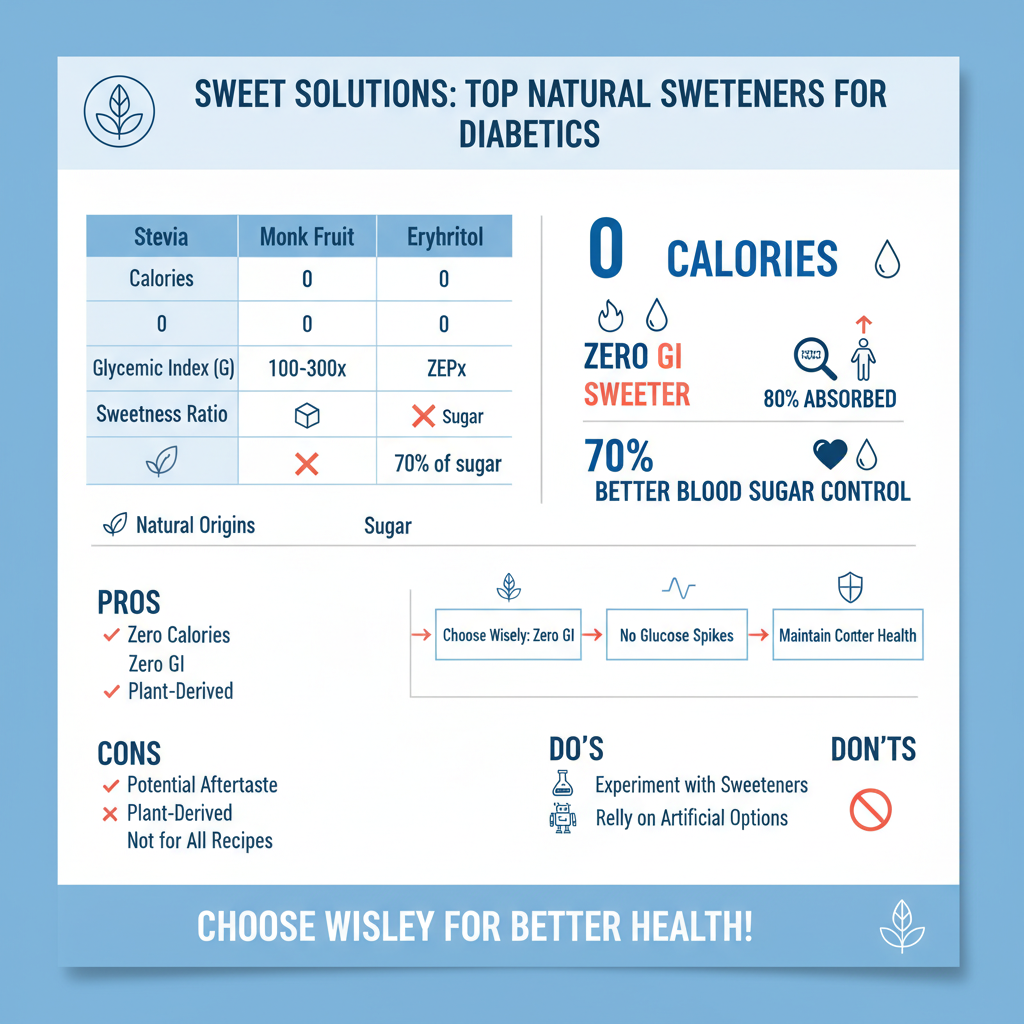
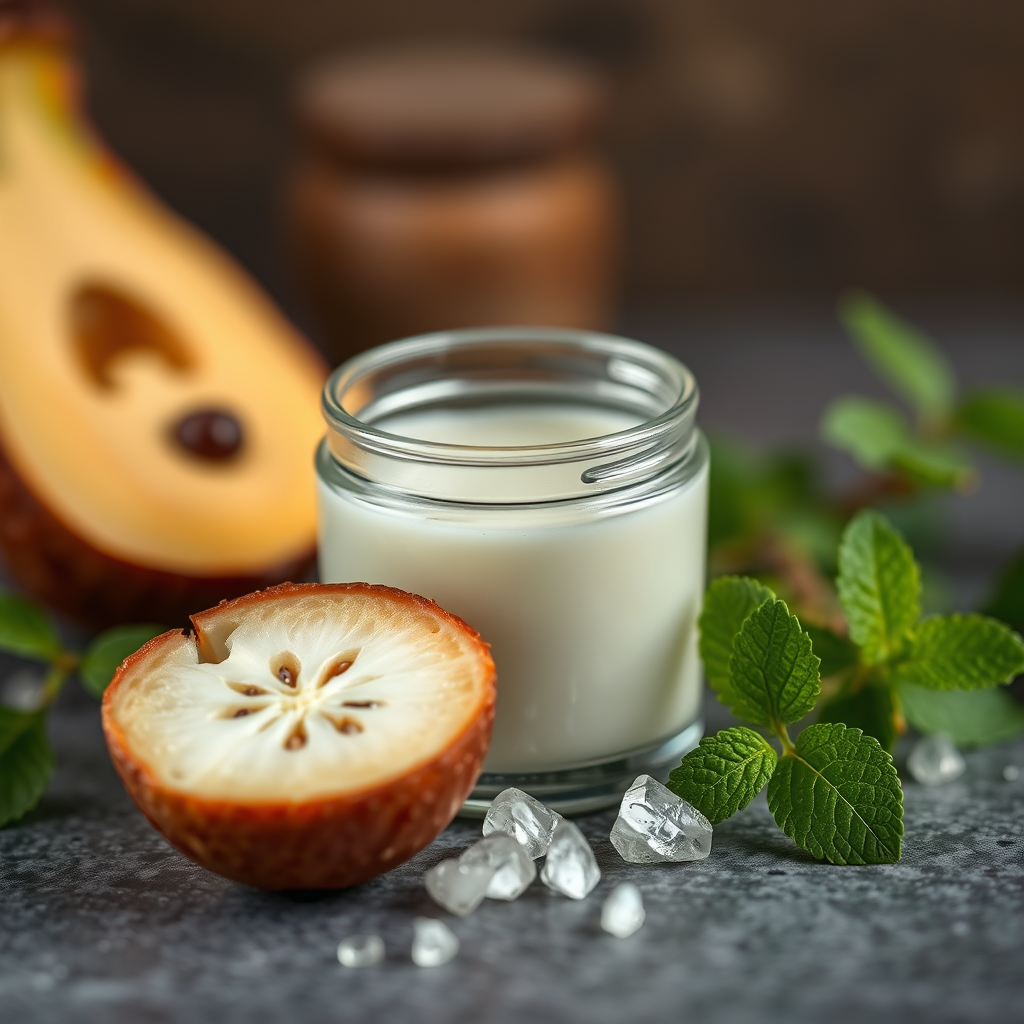
* Stevia (Steviol Glycosides): Stevia is a natural sweetener derived from the leaves of the *Stevia rebaudiana* plant, native to South America. It’s truly a powerhouse of sweetness, being 200-400 times sweeter than sugar, yet it contains zero calories and does not impact blood sugar levels. The sweet components are called steviol glycosides, with Reb A (Rebaudioside A) being the most common form found in many commercial products. However, newer forms like Reb M and Reb D are gaining popularity because they are often considered to have a cleaner taste profile, more closely mimicking sugar without the characteristic licorice-like or slightly bitter aftertaste that some people associate with Reb A. Stevia is widely used in beverages, baked goods, and as a tabletop sweetener, offering a versatile way to reduce sugar intake.
* Monk Fruit Extract (Mogrosides): Hailing from Southeast Asia, monk fruit (also known as *luo han guo*) has been used for centuries for its unique sweetness and traditional medicinal properties. The sweetness comes from compounds called mogrosides, primarily Mogroside V, which are 150-250 times sweeter than sugar. Like stevia, monk fruit extract is zero-calorie and does not raise blood glucose levels, making it another excellent choice for diabetics. Many people prefer monk fruit extract due to its remarkably clean and pure taste, often described as having virtually no aftertaste, which can be a significant advantage over some stevia varieties. Beyond its sweetness, mogrosides also possess antioxidant properties, adding a potential health benefit to this delicious sweetener. It’s heat-stable, making it suitable for both cooking and baking.
* Blood Sugar Impact: The most significant advantage of both stevia and monk fruit for diabetics is their negligible impact on blood glucose. When you consume these sweeteners, your body does not recognize them as carbohydrates or sugars. Consequently, they pass through your digestive system without being broken down into glucose, meaning no insulin response is triggered. This non-glycemic property is what makes them exceptionally safe and effective tools for managing blood sugar. They allow individuals with diabetes to enjoy sweet foods and beverages without the worry of spikes, helping to stabilize glucose levels throughout the day and contribute positively to long-term diabetes control.
Other Natural Sweetener Options (with Considerations)
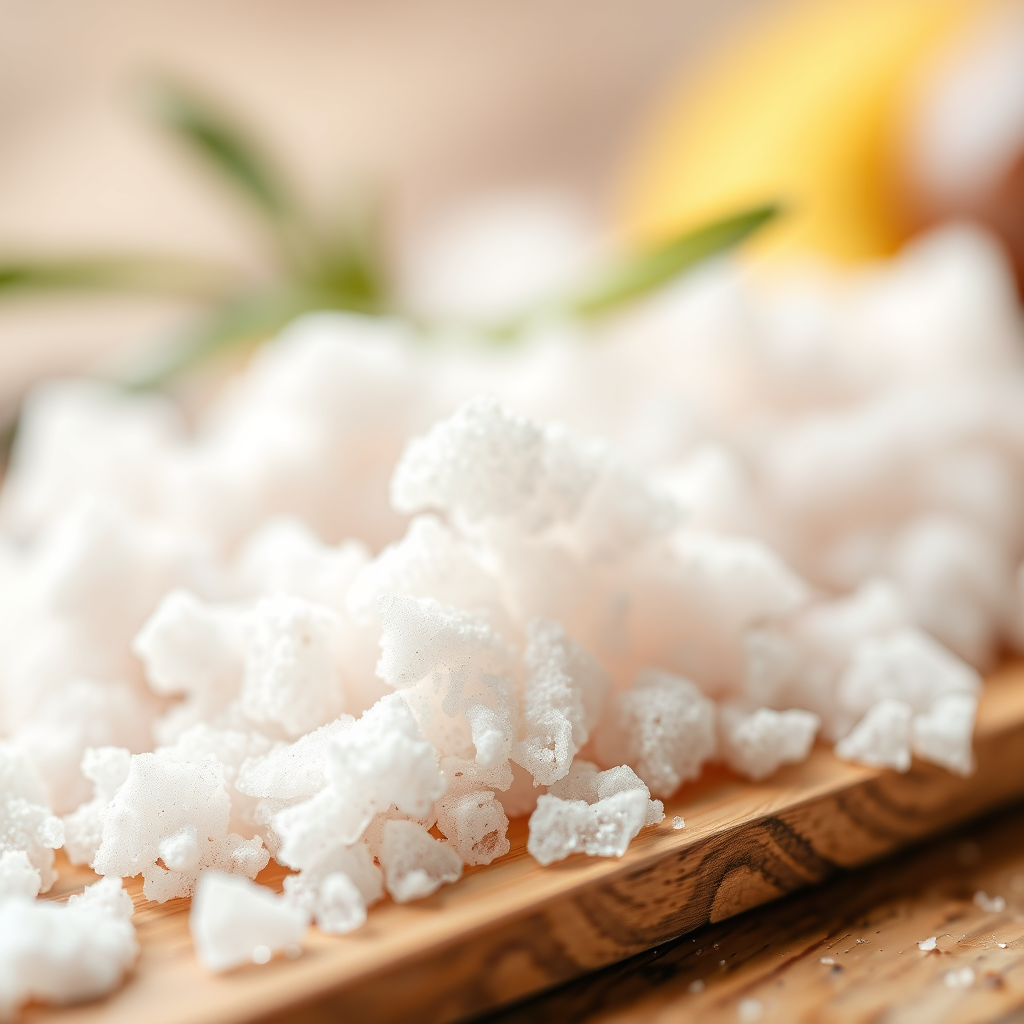
* Erythritol: Erythritol is a sugar alcohol that naturally occurs in some fruits like grapes and pears, as well as fermented foods. Commercially, it’s produced through the fermentation of glucose. What makes erythritol particularly appealing is its low-calorie content (approximately 0.2 calories per gram, compared to sugar’s 4 calories per gram) and its minimal to non-existent impact on blood sugar. Unlike some other sugar alcohols, erythritol is mostly absorbed into the bloodstream in the small intestine and then excreted unchanged in the urine, rather than being fermented by gut bacteria in the colon. This unique metabolic pathway means it’s far less likely to cause digestive discomforts like gas, bloating, or diarrhea, which can be common with other sugar alcohols when consumed in larger quantities. It’s about 70% as sweet as sugar and often provides a cooling sensation on the tongue.
* Xylitol: Another popular sugar alcohol, xylitol is naturally found in many fibrous fruits and vegetables, and it’s commercially extracted from birch trees or corn cobs. It offers a caloric reduction compared to sugar, providing about 2.4 calories per gram. Xylitol has a low Glycemic Index (around 7-13) and causes only a minimal rise in blood glucose and insulin levels, making it a better choice than sugar for diabetics. One of its most well-known benefits is its positive impact on oral health; it helps reduce the growth of bacteria that cause cavities and plaque, which is why it’s often found in sugar-free gums and toothpastes. However, moderation is key with xylitol, as consuming large amounts can lead to gastrointestinal upset, including gas, bloating, and diarrhea. Crucially, xylitol is highly toxic to dogs, even in small amounts, and can be fatal. It is imperative to keep all xylitol-containing products out of reach of pets.
* Yacon Syrup: Derived from the yacon plant, native to the Andes, yacon syrup is a lesser-known natural sweetener with unique properties. It’s primarily composed of fructooligosaccharides (FOS), which are a type of prebiotic fiber. This means yacon syrup can help nourish beneficial gut bacteria, contributing to digestive health. While it has a lower glycemic index than regular sugar (around 1, due to its high FOS content), it’s important to note that it does contain some natural sugars (fructose, glucose, and sucrose) and therefore isn’t calorie-free or entirely without blood sugar impact. Diabetics should use yacon syrup cautiously and in moderation, monitoring their blood sugar levels closely. Its taste is often described as caramel-like, making it an interesting option for certain recipes, but its use requires a more mindful approach due to its carbohydrate content.
Important Factors When Choosing a Sweetener
* Purity and Blends: When shopping for natural sweeteners, it’s absolutely crucial to scrutinize the ingredient labels. Many “natural” sweetener products on the market, especially powders, are actually blends that contain added ingredients which can undermine their health benefits for diabetics. Look out for fillers like dextrose, maltodextrin, or other forms of sugar, which can significantly raise blood sugar levels despite being marketed alongside a natural, zero-calorie sweetener. Opt for products that list pure stevia extract (ideally Reb M or Reb D for better taste), pure monk fruit extract (with high mogroside V content), or pure erythritol. The fewer ingredients, the better, to ensure you’re getting the intended benefit without hidden sugars.
* Taste and Aftertaste: Taste is incredibly personal, and what one person loves, another might find off-putting. Stevia, particularly some forms of Reb A, can have a distinct bitter or licorice-like aftertaste for a segment of the population. Monk fruit, on the other hand, is often lauded for its remarkably clean taste profile that closely resembles sugar without any lingering aftertaste. Erythritol has a mild sweetness and can sometimes impart a “cooling” sensation in the mouth. It’s highly recommended to experiment with small quantities of different pure natural sweeteners to discover which ones you genuinely enjoy and which integrate best into your daily diet without compromising your taste experience.
* Cooking and Baking Properties: Substituting sugar with natural sweeteners in recipes, especially for baking, isn’t always a straightforward one-to-one swap because sugar plays multiple roles beyond just sweetness. Sugar contributes bulk, moisture, and aids in browning and caramelization, none of which are typically provided by highly concentrated sweeteners like stevia or monk fruit. When using these, you’ll often need to adjust recipes by adding other ingredients for bulk (like mashed banana, unsweetened applesauce, or even protein powder) to maintain texture and moisture. Erythritol, while providing some bulk, does not caramelize and can sometimes lead to a slightly drier end product. Understanding these differences is key to successful sugar-free cooking and baking, ensuring your sweet treats turn out delicious every time.
Personalizing Your Sweetener Choice and Consulting Professionals
* Individual Tolerance: Your body is unique, and what works well for one person might not be ideal for another. While stevia, monk fruit, and erythritol are generally well-tolerated, some individuals might experience mild digestive upset (especially with larger amounts of sugar alcohols like erythritol or xylitol) or simply find a particular aftertaste unbearable. It’s vital to pay close attention to how your body responds to each sweetener. Start with small amounts, observe for any adverse reactions, and note how it affects your blood sugar levels. This self-awareness will be your best guide in finding the perfect natural sweetener for your individual system.
* Consult Your Healthcare Team: This step cannot be overstated. Before making any significant changes to your diet, including the regular use of new sweeteners, always consult with your doctor, endocrinologist, or a registered dietitian. These professionals can offer personalized advice tailored to your specific health conditions, current medications, and overall diabetes management plan. They can help you understand potential interactions, provide guidance on appropriate intake levels, and ensure that your sweetener choices align with your broader health goals, offering peace of mind and expert support.
* Monitoring Blood Sugar: The most effective way to truly understand the impact of any food, including natural sweeteners, on your body is through consistent blood sugar monitoring. Make it a practice to check your blood glucose levels before and a couple of hours after consuming a new sweetener. This direct feedback will provide invaluable, real-world data on how your body specifically reacts, helping you to make truly informed decisions. This proactive approach empowers you to fine-tune your dietary choices and maintain optimal blood sugar control.
Choosing the right natural sweetener can significantly help manage blood sugar levels while still allowing you to enjoy sweet treats. Stevia and monk fruit generally lead the pack for their safety and effectiveness, with erythritol and xylitol offering other viable options depending on individual tolerance. Always prioritize reading labels for purity and consult with your doctor or a registered dietitian to determine the best choice for your unique health needs and dietary plan, ensuring you make informed decisions for a healthier, sweeter life.
Frequently Asked Questions
Which natural sweeteners are recommended for diabetics to help manage blood sugar effectively?
For diabetics focused on blood sugar management, leading natural sweeteners like Stevia, Monk Fruit, and Erythritol are highly recommended. These options have minimal to no impact on blood glucose levels because they are either non-caloric or aren’t metabolized as carbohydrates by the body. They offer a sweet taste without the unwanted sugar spike, making them excellent choices for daily use.
How do natural sugar substitutes like Stevia and Monk Fruit benefit diabetics without raising blood glucose levels?
Natural sugar substitutes such as Stevia and Monk Fruit contain compounds (steviol glycosides and mogrosides, respectively) that are intensely sweet but not recognized as carbohydrates by the body. This means they pass through the digestive system largely unabsorbed, providing sweetness without contributing calories or triggering an insulin response. Consequently, they help diabetics enjoy sweet foods and beverages while keeping their blood glucose stable.
What are common misconceptions about “natural” sugar alternatives that diabetics should be aware of?
A common misconception is that all “natural” sweeteners are equally safe for diabetics; however, some, like agave nectar, are very high in fructose, which can negatively impact liver health and insulin sensitivity in large amounts. Additionally, some “natural” sugar alcohols (e.g., maltitol) can still raise blood sugar, albeit less than regular sugar, and may cause digestive upset. Always check product labels for hidden sugars or fillers that can negate the benefits of the primary natural sweetener.
Can diabetics use natural sweeteners freely, or is moderation still important for overall health?
While natural sweeteners like Stevia and Monk Fruit generally don’t impact blood sugar, moderation is still important for overall health. Over-reliance on intensely sweet flavors, even from natural sources, can potentially perpetuate a desire for sweetness, which might make it harder to appreciate naturally less sweet foods. Furthermore, some individuals may experience mild digestive discomfort with excessive intake of certain sugar alcohols or even some natural extracts, so listening to your body is key.
Which natural sweeteners are best for baking and cooking while maintaining flavor and diabetic-friendliness?
For baking and cooking, Erythritol is often highly recommended as it behaves similarly to sugar in terms of bulk and texture, and it browns slightly. Blends of Stevia or Monk Fruit with Erythritol are also excellent choices, as pure Stevia or Monk Fruit can be too potent and lack the volume necessary for certain recipes. These blends are formulated to provide a balanced sweetness and improved texture, making diabetic-friendly baking more successful and enjoyable.
References
- https://diabetes.org/food-nutrition/food-choices/sugar-substitutes
- https://www.mayoclinic.org/diseases-conditions/diabetes/expert-answers/artificial-sweeteners/faq-20058028
- https://www.health.harvard.edu/diseases-and-conditions/best-and-worst-sweeteners-for-your-health
- https://www.ncbi.nlm.nih.gov/pmc/articles/PMC6682974/
- https://health.clevelandclinic.org/are-artificial-sweeteners-bad-for-you/
- https://www.cdc.gov/diabetes/managing/eat-well/sugar-substitutes.html
- Sugar substitute
- Stevia
- https://en.wikipedia.org/wiki/Monk_fruit_extract





Pingback: Best Finger Pricker for Diabetes: Choosing the Right One - Best For Diabetics
Pingback: Best Drug Combinations for Type 2 Diabetes: What to Know - Best For Diabetics