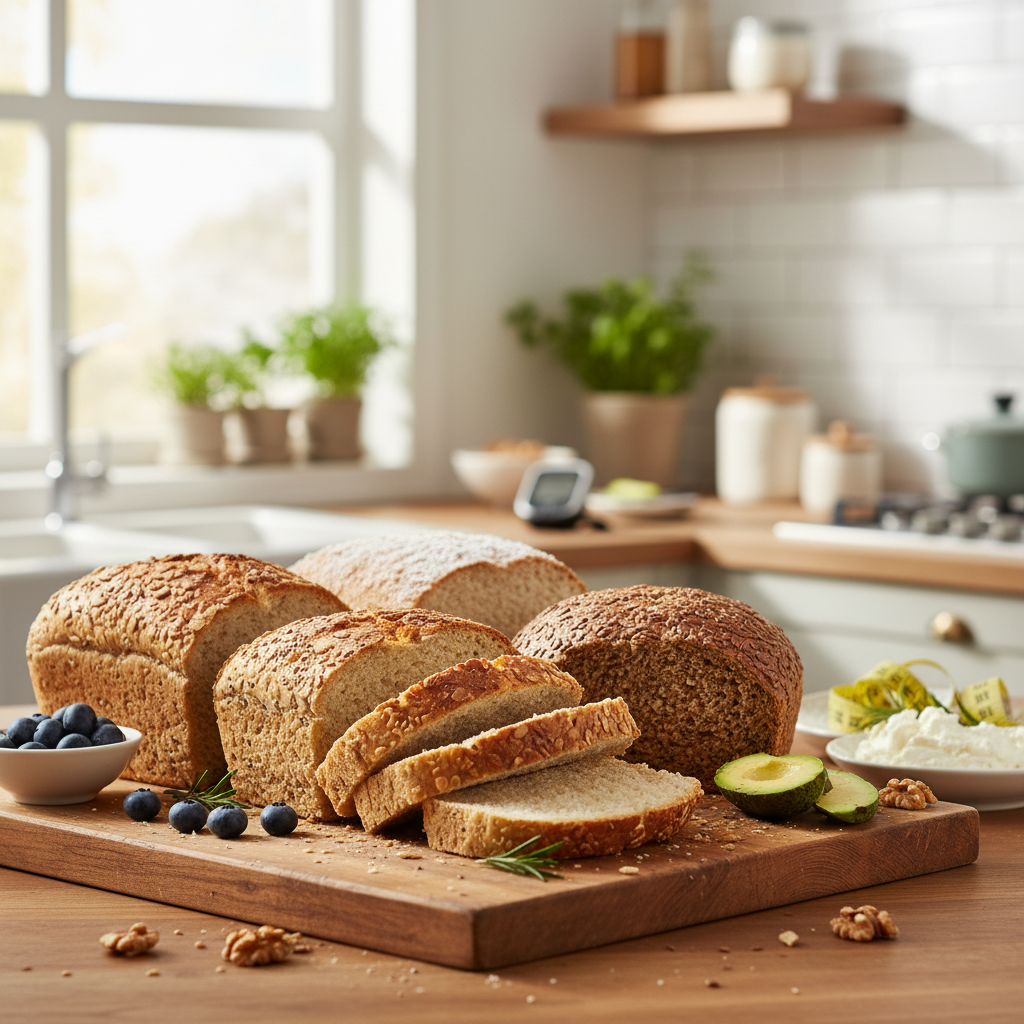

For diabetics seeking the best low-carb bread, the top choices are typically those made from alternative flours like almond flour or coconut flour, which are significantly lower in carbohydrates and higher in fiber and healthy fats compared to traditional wheat bread. These options help maintain stable blood sugar levels without sacrificing the enjoyment of bread. This guide explores the best options available, helping you make informed dietary choices.




Understanding Low-Carb Bread for Diabetes Management
Navigating your diet with diabetes can feel like a constant balancing act, but understanding the role of carbohydrates, especially in beloved foods like bread, is a powerful step. Low-carb bread isn’t just a trend; it’s a strategic dietary choice designed to support better blood sugar control.
* Why Low-Carb?
Carbohydrates are the primary nutrient that breaks down into glucose (sugar) in your bloodstream. For individuals with diabetes, the body either doesn’t produce enough insulin or can’t effectively use the insulin it produces, leading to elevated blood glucose levels after eating high-carb foods. By significantly reducing carbohydrate intake, low-carb bread helps mitigate these rapid and dramatic blood glucose spikes. This leads to more stable energy levels, reduces the workload on your pancreas, and contributes to better long-term diabetes management, helping to prevent complications associated with chronic high blood sugar. It allows you to enjoy the satisfying texture and taste of bread without the usual glycemic impact.
* Key Nutritional Metrics:
When evaluating low-carb bread options, there are a few crucial numbers on the nutrition label you’ll want to prioritize. First and foremost is net carbs, which is calculated by subtracting the fiber content from the total carbohydrates. Fiber is a type of carbohydrate that your body can’t digest, so it doesn’t raise blood sugar. A good low-carb bread for diabetics will aim for a low net carb count, ideally under 5 grams per slice. Beyond net carbs, look for a high fiber content, which not only lowers the net carb count but also aids digestion, promotes satiety, and further slows the absorption of sugars into the bloodstream. Lastly, a good amount of protein can help you feel full longer, which is excellent for weight management, and it also has a minimal impact on blood sugar, helping to keep levels steady.
* Ingredients to Prioritize:
The magic behind truly diabetic-friendly bread lies in its foundational ingredients. Forget traditional wheat flour, which is packed with starches that convert quickly to glucose. Instead, you’ll want to seek out breads made from flours like almond flour, coconut flour, flaxseed meal, and psyllium husk. Almond flour is celebrated for its low carb count, healthy fats, and protein. Coconut flour, while different in texture, offers impressive fiber content and a very low glycemic index. Flaxseed meal is a fantastic source of fiber and omega-3 fatty acids, acting as a binder and adding a nutty flavor. Psyllium husk is often used as a binder and a fiber booster, giving low-carb breads a more traditional texture and improving digestive health. These ingredients are game-changers for managing blood sugar effectively while still enjoying your daily slice of toast or sandwich.
Top Alternative Flours for Diabetic-Friendly Breads
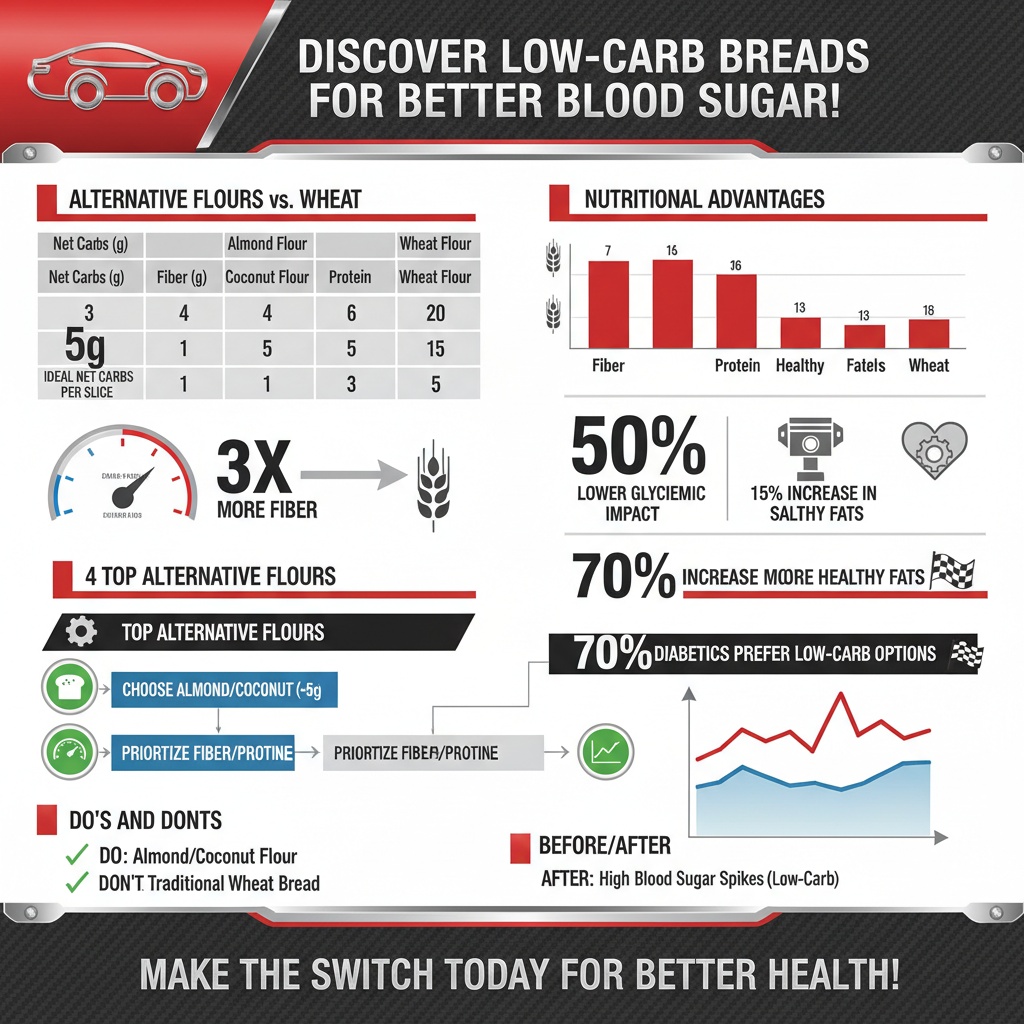
The secret to delicious, blood-sugar-friendly bread lies in moving beyond traditional wheat. Nature offers fantastic alternatives that are not only lower in carbohydrates but also packed with beneficial nutrients. Let’s dive into the stars of low-carb baking.
* Almond Flour:
Almond flour is often considered the gold standard for low-carb baking, and for good reason. Made from finely ground blanched almonds, it’s incredibly versatile and offers a wealth of nutritional benefits. It’s naturally low in carbohydrates, high in protein (which helps with satiety), and rich in healthy monounsaturated fats. These fats contribute to a feeling of fullness and also help to slow down the absorption of any carbohydrates present, preventing sharp blood sugar spikes. It has a mild, slightly nutty flavor and a fine texture that can mimic traditional flour remarkably well in many recipes, making it a fantastic choice for everything from fluffy muffins to denser sandwich breads. Its nutritional profile makes it excellent for supporting stable blood sugar levels and overall heart health.
* Coconut Flour:
Another powerhouse in the low-carb world is coconut flour, derived from dried coconut meat. While it has a different texture and baking properties compared to almond flour, it’s exceptionally low in digestible carbohydrates and boasts an impressive fiber content. This high fiber acts as a sponge, absorbing a lot more liquid than other flours, which means a little goes a long way in recipes. Its very low glycemic index means it has a minimal impact on blood sugar. Coconut flour can create a denser, slightly chewier bread with a subtle, naturally sweet coconut flavor that can be a delightful addition to your diet. It’s also often more budget-friendly than almond flour, offering an accessible option for those looking to explore low-carb baking.
* Flaxseed and Psyllium Husk:
While almond and coconut flours form the bulk of many low-carb bread recipes, ingredients like flaxseed meal and psyllium husk play crucial supporting roles. Flaxseed meal, ground from flaxseeds, is an excellent source of soluble and insoluble fiber, as well as omega-3 fatty acids. In bread, it acts as a binder, helps create structure, and adds a rich, nutty flavor. Its high fiber content contributes to a lower net carb count and promotes digestive health. Psyllium husk, derived from the seeds of the *Plantago ovata* plant, is almost pure soluble fiber. It’s renowned for its ability to absorb liquid and form a gel-like consistency, which is invaluable in low-carb baking. It provides elasticity and chewiness often missing from gluten-free, low-carb breads, making them feel more like traditional bread. Both flaxseed and psyllium husk are fantastic for reducing net carbs, aiding digestion, and further blunting blood sugar responses.
What to Look For in Store-Bought Low-Carb Breads
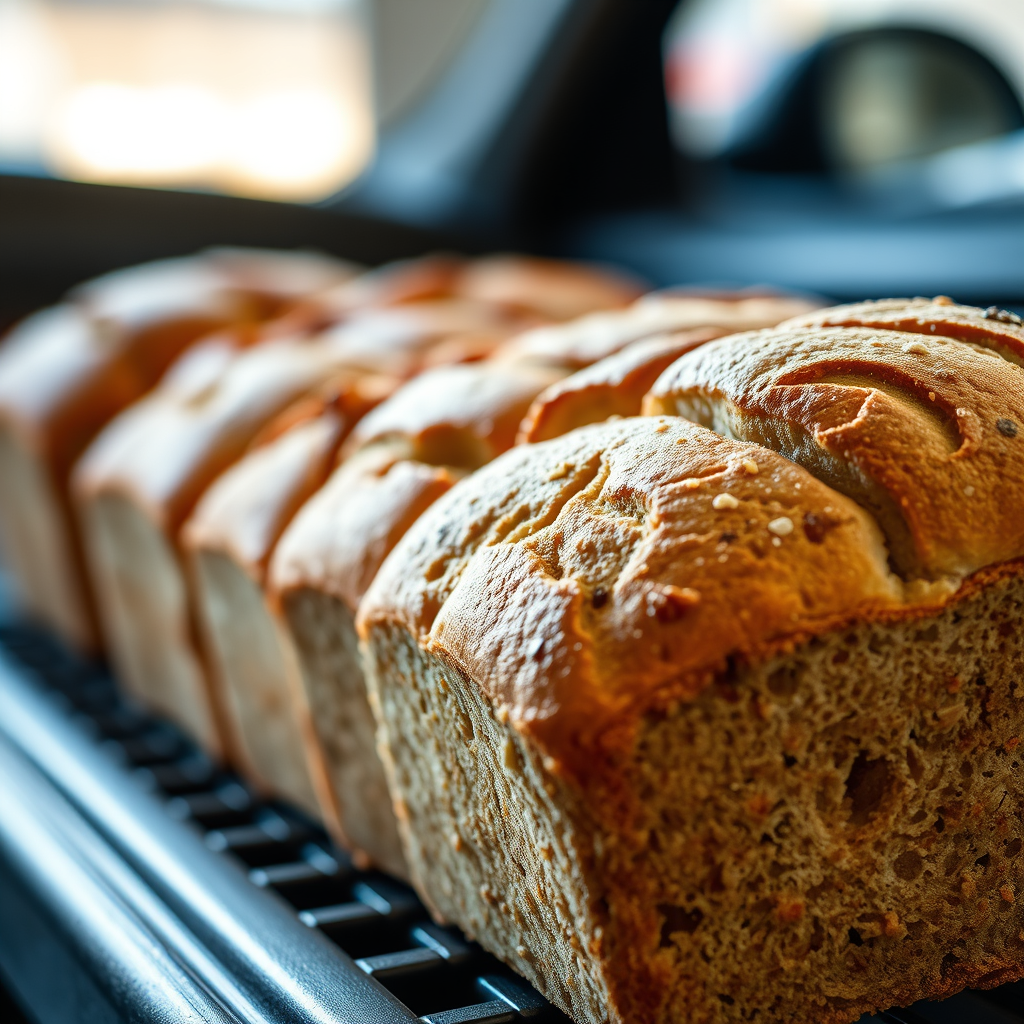
While homemade low-carb bread offers ultimate control, sometimes convenience calls. Thankfully, the market for diabetic-friendly bread has expanded significantly. Knowing what to look for on the labels will empower you to make the best choices.
* Reading Nutrition Labels:
This is your secret weapon when selecting store-bought low-carb bread. Start by checking the serving size – it’s easy to inadvertently consume more carbs by eating a larger portion. Next, look at the total carbohydrates and the fiber content. To calculate the crucial net carbs, subtract the fiber from the total carbohydrates. For diabetics, aim for breads with ideally under 5 grams of net carbs per slice. Pay close attention to added sugars; many seemingly healthy breads can hide sugars in various forms like high-fructose corn syrup, dextrose, or malt syrup, which will negate the low-carb benefits. Always scan the ingredients list for these sneaky additions.
* Ingredient Transparency:
Beyond the nutritional numbers, the actual ingredients matter. Prioritize breads with a short, recognizable ingredient list. Be wary of artificial sweeteners such as sucralose, aspartame, or acesulfame potassium, as their long-term effects on gut health and metabolism are still debated. Similarly, excessive fillers, gums (like cellulose gum), and highly processed ingredients or industrial seed oils (like highly refined canola or soybean oil) might diminish the overall health benefits, even if the net carb count is low. Look for natural, whole-food ingredients like almond flour, coconut flour, flaxseed meal, psyllium husk, eggs, and healthy fats. Transparency in ingredients ensures you’re getting a genuinely beneficial product.
* Brand Spotlights:
Several brands have made a name for themselves in the low-carb bread space, offering excellent options for diabetics. Brands like Sola, Kiss My Keto, Carbonaut, and Unbun are often recommended. What makes them suitable? They typically prioritize whole, low-carb flours, keep net carb counts very low (often 1-3g per slice), and offer a good balance of fiber and protein. Sola, for example, often uses a blend of modified wheat starch and protein to achieve a very low net carb count while maintaining a soft, familiar texture. Kiss My Keto and Carbonaut frequently use almond, coconut, and flax flours. Unbun focuses on nutrient-dense ingredients in their rolls and loaf breads. Always check the specific product label, as formulations can vary even within the same brand. These brands often provide a great starting point for finding a low-carb bread that fits your taste and dietary needs.
Homemade Low-Carb Bread Recipes and Benefits
While store-bought options offer convenience, venturing into making your own low-carb bread opens up a world of possibilities. Homemade bread isn’t just a baking project; it’s an investment in your health and taste buds.
* Customization and Control:
The biggest advantage of baking your own low-carb bread is the absolute control you have over every single ingredient. You choose the specific flours (almond, coconut, flaxseed), the type of fat (butter, olive oil, coconut oil), and any seasonings or flavorings. This means you can perfectly tailor the bread to your personal taste preferences, dietary restrictions (e.g., egg-free, nut-free if using coconut), and specific blood sugar management needs. You can avoid unwanted additives, preservatives, artificial sweeteners, or fillers that might be present in commercial brands. This level of customization ensures that every slice aligns perfectly with your health goals, giving you peace of mind with every bite.
* Simple Recipe Ideas:
Don’t be intimidated by the idea of baking from scratch; many low-carb bread recipes are surprisingly simple. For a basic almond flour bread, you’ll often combine almond flour, eggs (for binding and moisture), a leavening agent like baking powder, a touch of apple cider vinegar (to activate leavening and improve texture), and a liquid such as water or almond milk. Coconut flour breads might require more liquid and often benefit from extra eggs to compensate for its high absorbency. Many recipes are designed for quick preparation, some even allowing for single-serving microwave “mug breads” that are ready in minutes. You can find countless recipes online for everything from simple sandwich loaves to more elaborate seeded breads, all designed with a low-carb focus.
* Cost-Effectiveness and Freshness:
While the initial investment in alternative flours might seem higher, baking your own bread can often be more cost-effective in the long run, especially if you buy ingredients in bulk. A loaf of store-bought low-carb bread can be quite pricey, and making your own frequently can lead to significant savings. Beyond the financial aspect, there’s nothing quite like the experience of fresh, warm bread right out of your own oven. Homemade bread typically lacks the preservatives of store-bought versions, meaning it’s best enjoyed fresh or stored properly (often frozen) to maintain its quality. The superior freshness, aroma, and taste of a homemade loaf are often unparalleled, making the effort truly rewarding.
Integrating Low-Carb Bread into Your Diabetic Diet
Finding the right low-carb bread is a fantastic step, but knowing how to incorporate it effectively into your daily diabetic diet is where the real magic happens. It’s all about balance, mindfulness, and listening to your body.
* Portion Control is Key:
Even though these breads are low in carbohydrates, they are not “carb-free.” It’s crucial to remember that calories and carbohydrates still exist, and even healthy fats add up. While a typical slice might have 1-5 grams of net carbs, eating half a loaf would certainly have an impact on your blood sugar. Always adhere to recommended serving sizes, typically one or two slices, depending on the specific bread and your personal carbohydrate allowance for that meal. Think of low-carb bread as a helpful tool, not a free pass. Enjoy it, but be mindful of your portions to keep your blood sugar levels firmly in check.
* Pairing for Balance:
To further optimize your blood sugar response and enhance satiety, always pair your low-carb bread with healthy fats and proteins. Combining bread with these macronutrients helps to slow down digestion and the absorption of glucose into your bloodstream. For example, instead of plain toast, try it with avocado and a sprinkle of everything bagel seasoning, or top it with scrambled eggs and a slice of lean turkey bacon. Nut butters (without added sugar), olive oil, and cottage cheese are also excellent companions. These pairings not only make your meal more delicious and satisfying but also create a more balanced nutritional profile that actively supports stable blood sugar.
* Monitoring Blood Sugar Response:
Diabetes management is highly personal, and what works perfectly for one person might be slightly different for another. The best way to truly understand how a new low-carb bread (whether store-bought or homemade) impacts your body is to monitor your blood sugar response. Test your blood glucose levels before eating a new bread and again about one to two hours after. This practice, often referred to as “test and learn,” provides invaluable personal data, helping you identify which brands or recipes work best for your unique physiology. Keep a food and blood sugar log to track patterns, and always remember to discuss these findings with your healthcare provider or a registered dietitian, who can offer personalized guidance and fine-tune your dietary plan.
Choosing the right low-carb bread is a powerful step in managing diabetes without sacrificing the foods you love. By focusing on alternative flours, scrutinizing nutrition labels, and understanding your body’s response, you can confidently enjoy bread while supporting your health goals. Start exploring these nutritious options today, and always consult with your healthcare provider or a registered dietitian for personalized dietary advice.
Frequently Asked Questions
What nutritional factors should diabetics prioritize when choosing low-carb bread?
Diabetics should prioritize low-carb bread with a high fiber content and adequate protein to help stabilize blood sugar levels. Look for options made from alternative flours like almond flour or coconut flour, which naturally contain fewer carbohydrates. It’s also crucial to check for minimal or no added sugars and a low glycemic index to ensure the bread supports healthy glucose management for diabetics.
Which types of commercially available low-carb bread are generally recommended for diabetics?
For diabetics, commercially available low-carb breads made with almond flour, coconut flour, or vital wheat gluten (if not gluten-sensitive) are often recommended due to their significantly lower carbohydrate count. Brands specifically marketed as “keto bread” or “diabetic-friendly bread” typically fit these criteria, offering a good alternative to traditional high-carb loaves. Always review the nutritional label to confirm net carbs per serving are low, ideally under 5g, and that fiber content is high.
How does opting for low-carb bread specifically benefit diabetics in managing blood sugar?
Choosing low-carb bread directly benefits diabetics by significantly reducing the amount of carbohydrates consumed, which directly impacts blood sugar levels. Fewer carbohydrates mean less glucose enters the bloodstream, leading to a smaller and more controlled rise in blood sugar compared to regular bread. This helps maintain stable glucose levels, reduces the need for insulin, and can prevent hyperglycemia, making it a valuable tool in diabetes management.
Why is paying attention to “net carbs” particularly important when selecting low-carb bread for diabetics?
Paying attention to “net carbs” is crucial because it gives diabetics a more accurate picture of the carbohydrates that will actually impact their blood sugar. Net carbs are calculated by subtracting fiber and certain sugar alcohols from the total carbohydrates, as these typically have a minimal effect on glucose absorption. This calculation helps diabetics make informed choices, ensuring the low-carb bread they select aligns with their dietary goals for blood sugar control.
What common pitfalls or misleading labels should diabetics be aware of when purchasing low-carb bread?
Diabetics should be wary of labels that simply state “wheat bread” or “multi-grain,” as these often still contain high amounts of refined carbohydrates and can spike blood sugar. A common pitfall is overlooking hidden sugars, even in savory breads, or relying solely on “sugar-free” claims without checking total carbohydrate content. Always scrutinize the nutrition facts panel for net carbs, added sugars, and ingredient lists to ensure the low-carb bread genuinely supports your diabetic meal plan.
References
- https://www.health.harvard.edu/diseases-and-conditions/best-bread-for-diabetes
- https://www.mayoclinic.org/diseases-conditions/diabetes/expert-answers/diabetes-diet/faq-20058148
- https://www.ncbi.nlm.nih.gov/pmc/articles/PMC8914618/
- Glycemic index
- https://www.bbc.com/future/article/20210216-the-best-and-worst-breads-for-your-health
- https://extension.sdstate.edu/blogs/health-and-nutrition/2022/reading-food-labels-diabetes-management
- https://www.diabetes.org/food-and-fitness/what-can-i-eat/making-healthy-food-choices/carbohydrates