

For individuals managing both diabetes and high blood pressure, the best juices are predominantly those made from non-starchy vegetables and certain low-glycemic fruits, consumed in moderation and without added sugars. Juices rich in fiber, antioxidants, and nitrates—like tomato, spinach, and specific berry concoctions—can offer beneficial nutrients without significantly spiking blood sugar or contributing to elevated blood pressure. This article will guide you through making smart juice choices to support your overall health, helping you navigate the world of juicing effectively and deliciously.




The Principles of Healthy Juicing for Diabetes & High Blood Pressure

When you’re dealing with both diabetes and high blood pressure, every dietary choice counts, and juicing is no exception. It’s not just about what tastes good, but what truly nourishes your body without causing adverse effects. Adhering to a few core principles can transform your juicing habits into a powerful tool for managing these conditions.
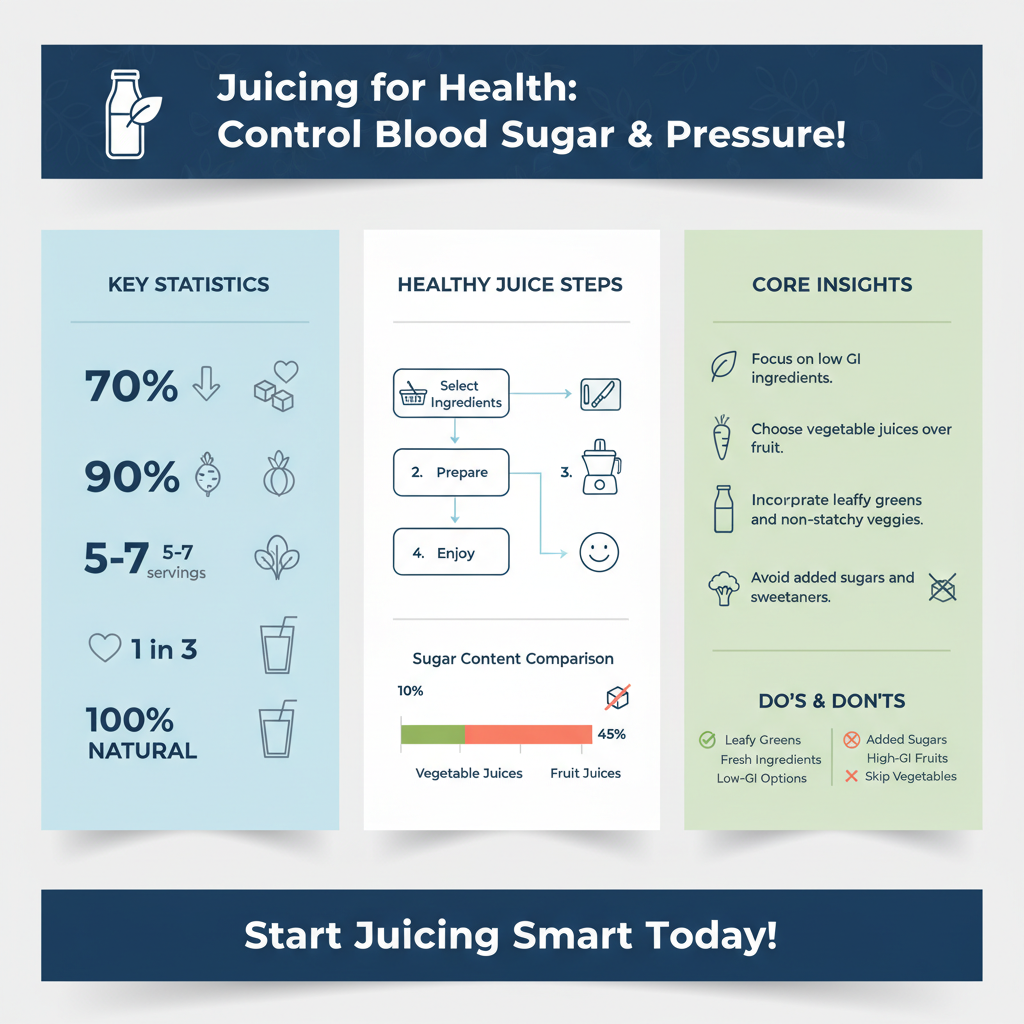
* Focus on low glycemic index (GI) ingredients to prevent blood sugar spikes.
The Glycemic Index (GI) is a system that ranks carbohydrate-containing foods based on how quickly they raise blood sugar levels after eating. For someone with diabetes, choosing low GI foods is crucial to maintain stable blood glucose and prevent sudden spikes, which can stress the body and exacerbate diabetes complications. High blood sugar over time can also damage blood vessels, contributing to high blood pressure. When juicing, this means prioritizing ingredients that release sugar slowly into your bloodstream. Think greens, most vegetables, and select berries, rather than highly sugary fruits. Understanding the GI of your ingredients is the first step towards creating juices that support, rather than hinder, your health goals.
* Prioritize vegetable-based over fruit-based juices due to lower sugar content.
While fruits offer a wealth of vitamins and antioxidants, they also contain natural sugars (fructose). When you juice fruit, you remove much of the beneficial fiber, allowing the sugars to be absorbed more rapidly into your bloodstream, potentially causing blood sugar spikes. Vegetables, on the other hand, especially non-starchy varieties, are generally much lower in sugar and carbohydrates, making them ideal for individuals managing diabetes. They are packed with essential vitamins, minerals, and phytonutrients, often without the caloric density of fruit. By making vegetables the star of your juice recipes, you can maximize nutrient intake while keeping sugar levels in check, which benefits both blood sugar and blood pressure management.
* Always choose unsweetened, 100% natural options with no added sugars or artificial sweeteners.
This principle is non-negotiable. Added sugars, whether from table sugar, high-fructose corn syrup, or fruit juice concentrates, are a major culprit in both blood sugar dysregulation and high blood pressure. They contribute to weight gain, inflammation, and insulin resistance, all of which negatively impact both conditions. Similarly, while artificial sweeteners might seem like a “healthier” alternative, research on their long-term effects is ongoing, with some studies suggesting potential negative impacts on gut health, metabolism, and even blood sugar control. Sticking to 100% natural ingredients means you’re getting pure nutrients without hidden additives that could sabotage your health efforts. Always scrutinize nutrition labels, even on products marketed as “healthy.”
Top Vegetable Juices for Blood Sugar & Pressure Control
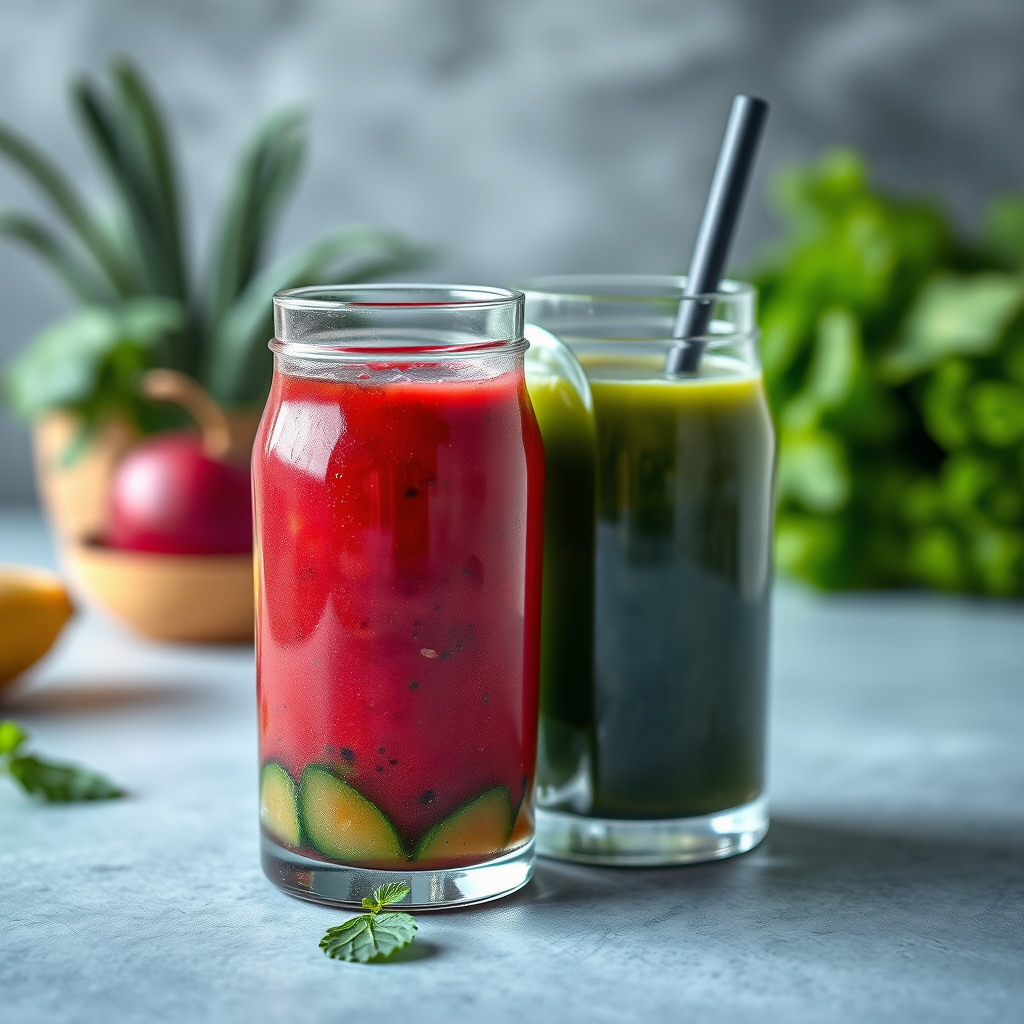
Vegetable juices are truly the superstars for anyone looking to manage diabetes and high blood pressure. They deliver a concentrated dose of nutrients with minimal sugar, making them incredibly effective allies in your health journey.
* Tomato Juice: Rich in lycopene, potassium, and vitamin C, beneficial for heart health and blood pressure regulation.
Tomato juice is more than just a breakfast staple; it’s a nutritional powerhouse. Its vibrant red hue comes from lycopene, a potent antioxidant that research suggests can significantly benefit heart health and may even reduce the risk of certain cancers. Lycopene helps combat oxidative stress and inflammation, factors that contribute to both high blood pressure and diabetes complications. Furthermore, tomatoes are an excellent source of potassium, a mineral critical for counteracting the effects of sodium in the body and maintaining healthy blood pressure levels. Potassium helps relax the walls of your blood vessels, which in turn helps to lower blood pressure. Vitamin C also plays a role in arterial health and overall immunity. When choosing tomato juice, opt for low-sodium or unsalted varieties to maximize its blood pressure-friendly benefits. Better yet, juice fresh tomatoes at home!
* Green Juices (Spinach, Kale, Celery): High in nitrates, fiber, and various vitamins, supporting blood pressure reduction and overall wellness.
Embrace the greens! Juices made from leafy powerhouses like spinach and kale, along with refreshing celery, are packed with incredible nutrients. These vegetables are particularly rich in dietary nitrates, which your body converts into nitric oxide. Nitric oxide is a gas that helps to relax and widen blood vessels, promoting better blood flow and, consequently, lower blood pressure. This vasodilation effect is a natural and powerful way to support cardiovascular health. Beyond nitrates, green juices provide essential fiber (especially if you keep some pulp), which is vital for slowing sugar absorption and promoting gut health—both key for diabetes management. They’re also loaded with a spectrum of vitamins (like K, A, and C) and minerals (magnesium, calcium) that support everything from bone health to immune function and metabolic processes, contributing to overall well-being. A blend of spinach, kale, and celery with a touch of cucumber or a slice of ginger can make a surprisingly delicious and highly beneficial drink.
* Beetroot Juice: Known for its potent blood pressure-lowering effects due to its high concentration of dietary nitrates.
If you’re serious about natural blood pressure management, beetroot juice should be on your radar. Beets are exceptionally rich in dietary nitrates, even more so than many green leafy vegetables. Once consumed, these nitrates are converted into nitric oxide in the body, leading to a significant and often rapid reduction in blood pressure. Numerous studies have confirmed beetroot juice’s efficacy in improving blood flow and lowering both systolic and diastolic blood pressure. Beyond its impressive nitrate content, beetroot also offers valuable antioxidants and anti-inflammatory compounds. Its earthy taste might take some getting used to, but it blends beautifully with carrots, apples (in small amounts), or ginger to create a more palatable drink. Start with a small serving and gradually increase, monitoring your body’s response.
Smart Fruit Juices for Dual Health Benefits (in Moderation)
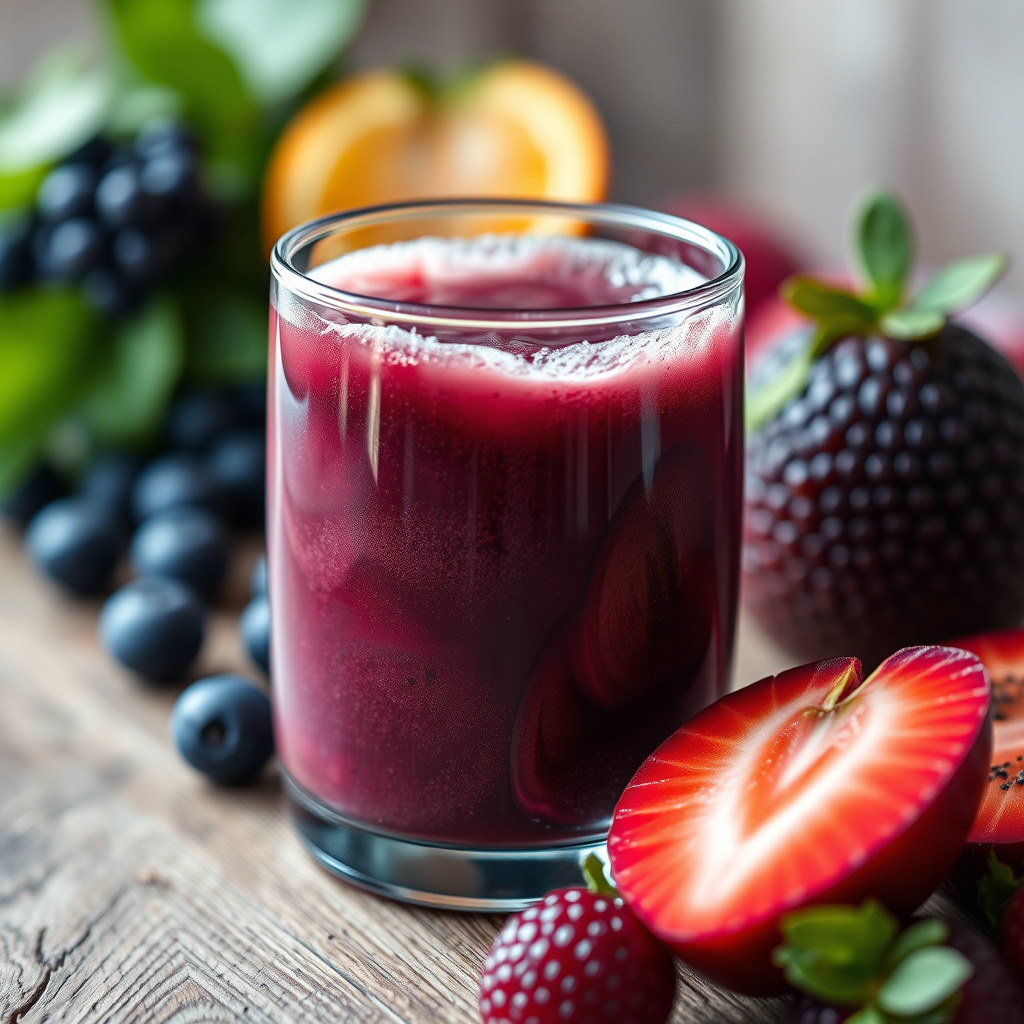
While vegetable juices generally take precedence, certain fruit juices, when consumed judiciously and in moderation, can offer unique health benefits due to their potent antioxidant profiles. The key here is “moderation” and mindful portion control to avoid blood sugar spikes.
* Berry Juices (Blueberry, Strawberry, Raspberry): Packed with antioxidants and relatively lower in sugar compared to other fruits; consume in small portions or diluted.
Berries are the darlings of the fruit world for good reason. Blueberries, strawberries, and raspberries are nutritional powerhouses, brimming with antioxidants, particularly anthocyanins, which give them their vibrant colors. These compounds are renowned for their anti-inflammatory properties and their ability to combat oxidative stress, both of which are crucial for heart health and can improve insulin sensitivity. Berries also tend to have a lower glycemic index compared to many other fruits, meaning they’re less likely to cause drastic blood sugar spikes. When juicing berries, it’s vital to remember that even their natural sugars can add up. Opt for small portions (e.g., a few ounces) or dilute your berry juice with water or a low-sugar vegetable juice (like celery or cucumber) to minimize the sugar concentration while still reaping the antioxidant benefits.
* Pomegranate Juice: Contains powerful antioxidants that may support heart health and blood pressure, but be mindful of its natural sugar content and portion size.
Pomegranate juice has gained a reputation as a heart-healthy elixir, and for good reason. It’s loaded with powerful antioxidants, specifically polyphenols, which are even more abundant than in red wine or green tea. These antioxidants can help reduce inflammation, lower oxidative stress, and potentially improve arterial health, all factors that contribute to managing high blood pressure and supporting overall cardiovascular well-being. Some studies suggest pomegranate juice may also help lower “bad” LDL cholesterol and improve blood flow. However, pomegranate juice is naturally high in sugar. Therefore, portion control is absolutely critical for individuals with diabetes. A small serving (e.g., 4-6 ounces) of unsweetened, 100% pomegranate juice, consumed occasionally, is the recommended approach. Always check labels to ensure no added sugars.
* Tart Cherry Juice: May help with inflammation and blood pressure, best consumed unsweetened and diluted, especially before bedtime.
Tart cherry juice, particularly from Montmorency cherries, is celebrated for its anti-inflammatory properties and its potential benefits for sleep and exercise recovery. Like berries, tart cherries are rich in anthocyanins and other antioxidants that can help reduce inflammation throughout the body. Chronic inflammation is a significant contributor to both insulin resistance and high blood pressure. Some research also indicates that tart cherry juice may have a modest positive effect on blood pressure levels. Furthermore, tart cherries are a natural source of melatonin, which can aid in improving sleep quality, an often-overlooked aspect of managing chronic conditions. To make the most of tart cherry juice for diabetes and high blood pressure, always opt for unsweetened varieties and consider diluting it with water. A small, diluted glass before bedtime could be a beneficial addition to your routine.
Juices to Limit or Avoid for Optimal Health
Just as there are beneficial juices, there are also those that can undermine your efforts to manage diabetes and high blood pressure. Understanding what to limit or avoid is just as important as knowing what to embrace.
* High-Sugar Fruit Juices: Avoid or strictly limit juices from fruits like apple, orange, grape, and pineapple, which can cause rapid blood sugar spikes.
While whole fruits are generally healthy, their juice counterparts are a different story. Juices made from fruits like apples, oranges, grapes, and pineapples are essentially concentrated sources of natural sugars, primarily fructose, without the crucial fiber that slows sugar absorption. When you drink these juices, the sugar enters your bloodstream very quickly, leading to rapid and significant blood sugar spikes. For someone with diabetes, this is detrimental to blood sugar control. For those with high blood pressure, these sugar spikes can contribute to inflammation and oxidative stress, further impacting cardiovascular health. Even “100% fruit juice” without added sugar still contains a lot of natural sugar, making them essentially sugary drinks. It’s always better to eat the whole fruit to benefit from its fiber and nutrients.
* Sweetened Beverages: Steer clear of sodas, fruit drinks, and any juice with added sugars or artificial sweeteners.
This category is a definitive “no-go” zone for anyone managing diabetes and high blood pressure. Sodas, fruit “drinks” (which are typically not 100% juice and are loaded with added sugars), sweetened teas, and any juice product with sugar listed in its ingredients should be avoided completely. The high amounts of added sugars in these beverages contribute significantly to weight gain, increased insulin resistance, and elevated triglycerides, all factors that worsen diabetes and high blood pressure. Furthermore, some studies suggest a direct link between sugary drink consumption and increased blood pressure. As for artificial sweeteners, while they don’t directly raise blood sugar, their long-term health effects are still debated, with some research indicating potential negative impacts on gut microbiome and metabolic health. It’s always best to stick to water or naturally unsweetened options.
* Commercial Blends: Be wary of pre-packaged “health” juices that often contain hidden sugars or fruit juice concentrates.
The health food aisle can sometimes be a minefield of misleading labels. Many commercial “health” juices or smoothie blends often appear nutritious but hide a dark secret: substantial amounts of added sugars, often disguised as “fruit juice concentrate,” “agave nectar,” or other seemingly natural sweeteners. Fruit juice concentrates are essentially dehydrated fruit juice, which, when rehydrated, behave much like sugar in your body, providing a quick hit of fructose without the fiber benefits of whole fruit. These pre-packaged blends can also be pasteurized, which can reduce some heat-sensitive nutrients. Always, always read the ingredient list and nutritional facts carefully. Look for 100% vegetable juice or blends with minimal fruit, no added sugars, and preferably ones that are cold-pressed or minimally processed.
Tips for Preparing Your Own Healthy Juices at Home
Making your own juices at home gives you complete control over the ingredients, ensuring you get the most beneficial and safest drink for your health. It’s also often more cost-effective and tastier than store-bought options!
* Use fresh, organic ingredients whenever possible to maximize nutrient content and avoid pesticides.
Starting with the best ingredients is the foundation of a healthy juice. Fresh, seasonal produce will not only taste better but will also retain higher levels of vitamins, minerals, and enzymes. Organic ingredients are preferable as they reduce your exposure to pesticides and herbicides, which can be particularly important when dealing with chronic health conditions. Pesticides can accumulate in your body and potentially interfere with endocrine function, so minimizing exposure is a smart move. Farmers’ markets are excellent places to find fresh, local, and often organic produce, ensuring you’re getting nutrient-dense ingredients for your homemade concoctions.
* Retain pulp to maximize fiber content, which helps manage blood sugar and promotes satiety.
One of the main drawbacks of traditional juicing is the removal of fiber. Fiber is crucial for individuals with diabetes as it slows down the absorption of sugar into the bloodstream, preventing rapid spikes. It also contributes to satiety, making you feel fuller for longer and helping with weight management. To maximize fiber, consider using a high-powered blender to make smoothies instead of juice, as this keeps all the pulp intact. If you prefer a smoother texture, a masticating juicer (slow juicer) tends to extract more juice while leaving behind a drier pulp, but you can always add some of the fibrous pulp back into your juice or use it in other recipes. Even a small amount of pulp can make a difference in your juice’s glycemic impact.
* Dilute fruit juices with water or vegetable juice to reduce sugar concentration and improve hydration.
This is a golden rule for making fruit juices diabetes-friendly. If you decide to include a small amount of low-glycemic fruit in your juice, significantly dilute it with water or, even better, with a non-starchy vegetable juice like celery or cucumber. Dilution effectively reduces the overall sugar and calorie concentration per serving, making it safer for your blood sugar levels. It also helps with hydration, which is beneficial for overall health and kidney function. For example, instead of a full glass of berry juice, try a quarter cup of berry juice topped up with three-quarters of a cup of water or plain celery juice. This way, you still get the beneficial antioxidants and flavor without the heavy sugar load.
Incorporating Juices into Your Diet Safely
Juices can be a wonderful addition to a healthy diet, but they must be incorporated thoughtfully, especially when managing chronic conditions like diabetes and high blood pressure. They are not a standalone solution, but rather a supportive element.
* Juices are not meal replacements; they should complement a balanced diet rich in whole foods.
It’s easy to fall into the trap of thinking juices can replace meals. However, juices, even the healthiest ones, often lack the complete nutritional profile of a balanced meal. They typically don’t provide adequate protein, healthy fats, or the full spectrum of fiber found in whole foods. A balanced diet should be rich in whole, unprocessed foods like lean proteins, complex carbohydrates (whole grains, legumes), plenty of fiber-rich vegetables, and healthy fats. Think of juices as a concentrated shot of vitamins, minerals, and antioxidants that complement your meals, not replace them. They can be a great way to boost your nutrient intake between meals or as part of a larger, balanced breakfast.
* Monitor your blood sugar levels before and after consuming new juices to understand individual responses.
Everyone’s body responds differently to foods and drinks. What works well for one person with diabetes might cause a slight spike for another. Therefore, it is critically important to monitor your blood sugar levels. Before introducing a new juice into your routine, check your blood sugar. Then, check it again about 1-2 hours after consuming the juice. This will give you invaluable insight into how your body specifically reacts to different ingredients and combinations. Keeping a food and blood sugar log can help you identify patterns and determine which juices are truly beneficial for you without negatively impacting your glycemic control. This personalized approach is key to safe and effective juicing.
* Practice strict portion control, especially with fruit-containing juices, typically limiting to 4-6 ounces per serving.
Even the best juices need to be consumed in moderation, and portion control is paramount. This is especially true for any juice containing fruit, even low-glycemic berries. While fruits offer natural sugars, consuming too much, even in juice form, can still lead to elevated blood sugar levels. A typical serving size for juice, particularly fruit-based or mixed juices, should be limited to a small glass, generally 4-6 ounces (about ½ to ¾ cup). Think of it as a nutrient boost rather than a large beverage. For purely vegetable juices, you might be able to consume slightly more, but always listen to your body and monitor your response. Consistency in portion control helps maintain stable blood sugar and blood pressure over time.
Making informed juice choices can be a supportive part of managing diabetes and high blood pressure, particularly when focusing on non-starchy vegetables and low-glycemic fruits, prepared without added sugars. By prioritizing whole foods and incorporating these smart juice selections in moderation, you can enhance your nutrient intake and contribute positively to your health goals. Remember, the journey to better health is a marathon, not a sprint, and every mindful choice, including what you sip, plays a significant role. Always consult with your healthcare provider or a registered dietitian for personalized dietary advice tailored to your specific health needs and medications, ensuring your juicing habits align perfectly with your overall treatment plan.
Frequently Asked Questions
Which juices are recommended for people managing both diabetes and high blood pressure?
For individuals managing both diabetes and high blood pressure, focus on vegetable-based juices or those made from low-glycemic fruits with no added sugar. Excellent choices include green juices made from spinach, kale, celery, and cucumber, which are rich in nutrients and low in sugar. Low-sodium tomato juice, tart cherry juice, and berry juices (like blueberry or raspberry, in moderation due to natural sugars) can also be beneficial due to their antioxidant and anti-inflammatory properties that support heart health and blood sugar regulation.
What nutritional factors should I prioritize when selecting juices for diabetes and high blood pressure?
When choosing juices, prioritize options with a low glycemic index to prevent blood sugar spikes, and those rich in potassium, magnesium, and nitrates for blood pressure management. Always opt for products with no added sugars or artificial sweeteners, and carefully check the label for sodium content, especially in vegetable juices. Focusing on fiber content, ideally by blending whole fruits and vegetables rather than just juicing, can further help regulate blood sugar absorption and improve satiety.
How can I make homemade juices that are beneficial for managing diabetes and high blood pressure?
To create beneficial homemade juices, prioritize vegetables as the base, such as celery, cucumber, spinach, and kale, which are naturally low in sugar and rich in essential minerals. Incorporate small amounts of low-glycemic fruits like berries or a green apple for flavor, ensuring they don’t significantly increase the overall sugar content. Blending whole ingredients instead of just juicing can help retain valuable fiber, which is crucial for managing blood sugar levels, improving digestive health, and promoting sustained energy.
Are there specific juices or ingredients I should definitely avoid if I have diabetes and high blood pressure?
Yes, individuals with diabetes and high blood pressure should definitely avoid commercially prepared fruit juices laden with added sugars, artificial sweeteners, and high-fructose corn syrup, as these can drastically spike blood sugar and contribute to weight gain. Also, steer clear of high-sodium vegetable juices or drinks, which can counteract efforts to manage blood pressure. High-sugar fruit juices like pineapple, mango, and grape juice, even if natural, should be consumed sparingly due to their concentrated sugar content and potential impact on blood glucose.
Beyond blood sugar and pressure control, what other health benefits can certain juices offer for individuals with these conditions?
Certain nutrient-dense juices, particularly those rich in vegetables and low-glycemic fruits, offer significant benefits beyond managing blood sugar and pressure. They provide a concentrated source of vitamins, minerals, and potent antioxidants that combat oxidative stress and inflammation, common issues in diabetes and hypertension. This nutrient boost supports overall cardiovascular health, enhances immune function, and contributes to better cellular health, making them a valuable part of a holistic management plan for both conditions.
References
- https://diabetes.org/healthy-living/recipes-nutrition/healthy-food-choices/drinks
- Diabetes diet: Create your healthy-eating plan – Mayo Clinic
- https://www.mayoclinic.org/diseases-conditions/high-blood-pressure/in-depth/high-blood-pressure-diet/art-20046924
- Healthy Drinks • The Nutrition Source
- Not Found | American Heart Association | American Heart Association
- Healthy Living with Diabetes – NIDDK