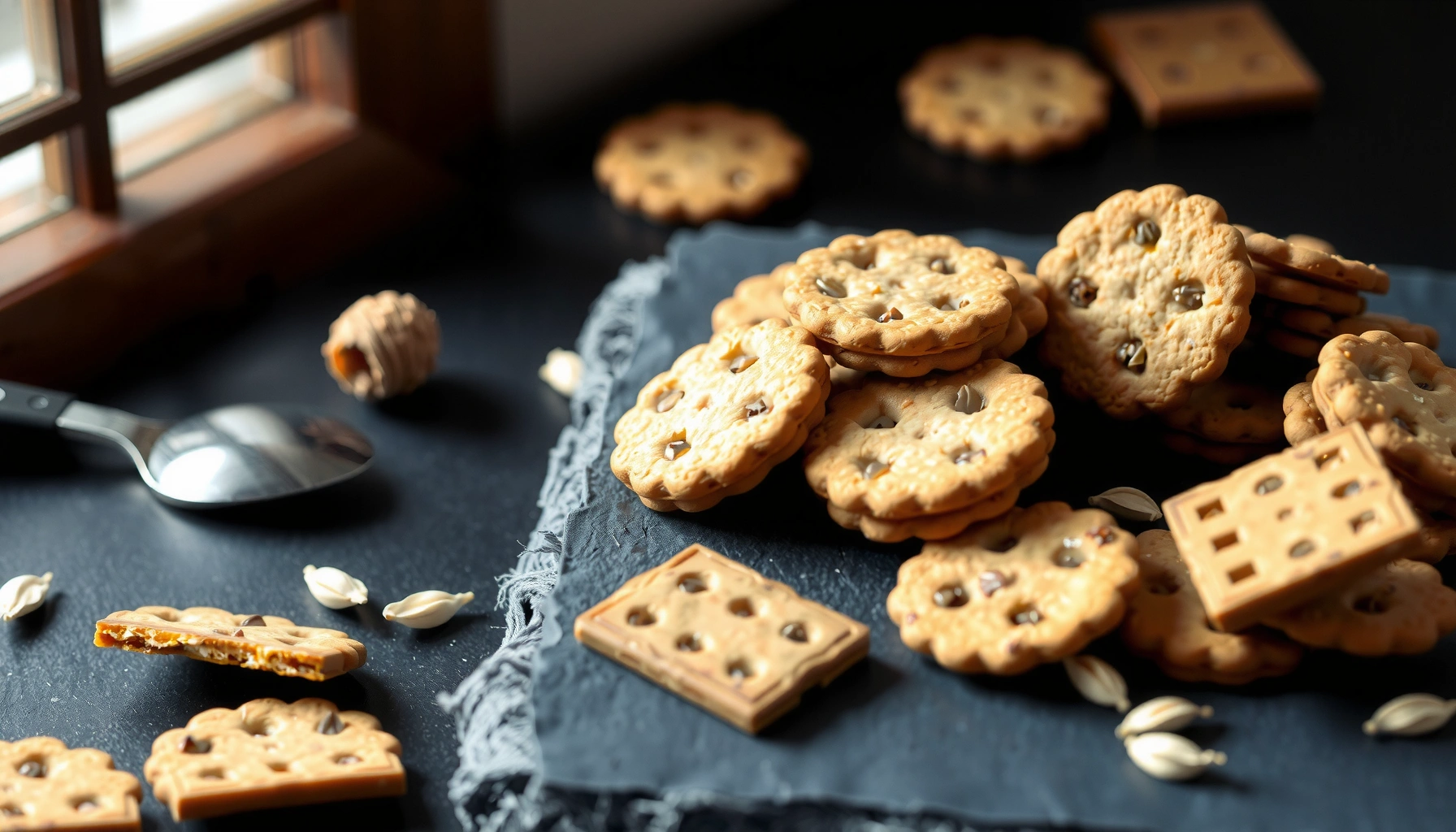

For diabetics looking to enjoy graham crackers, the “best” options are typically sugar-free, low-carb, or whole-grain varieties that emphasize fiber and minimal added sugars. While traditional graham crackers can be high in refined carbohydrates and sweeteners, the good news is that several brands now offer healthier alternatives, and knowing how to decipher nutritional labels is crucial for making smart choices that support stable blood sugar levels. Navigating the world of snacks with diabetes can feel like a minefield, but with the right knowledge, you can still indulge in a classic comfort food like graham crackers without derailing your health goals. It’s all about understanding what makes a cracker truly “diabetic-friendly” and how to incorporate it wisely into your diet.




Understanding Diabetic-Friendly Snacking
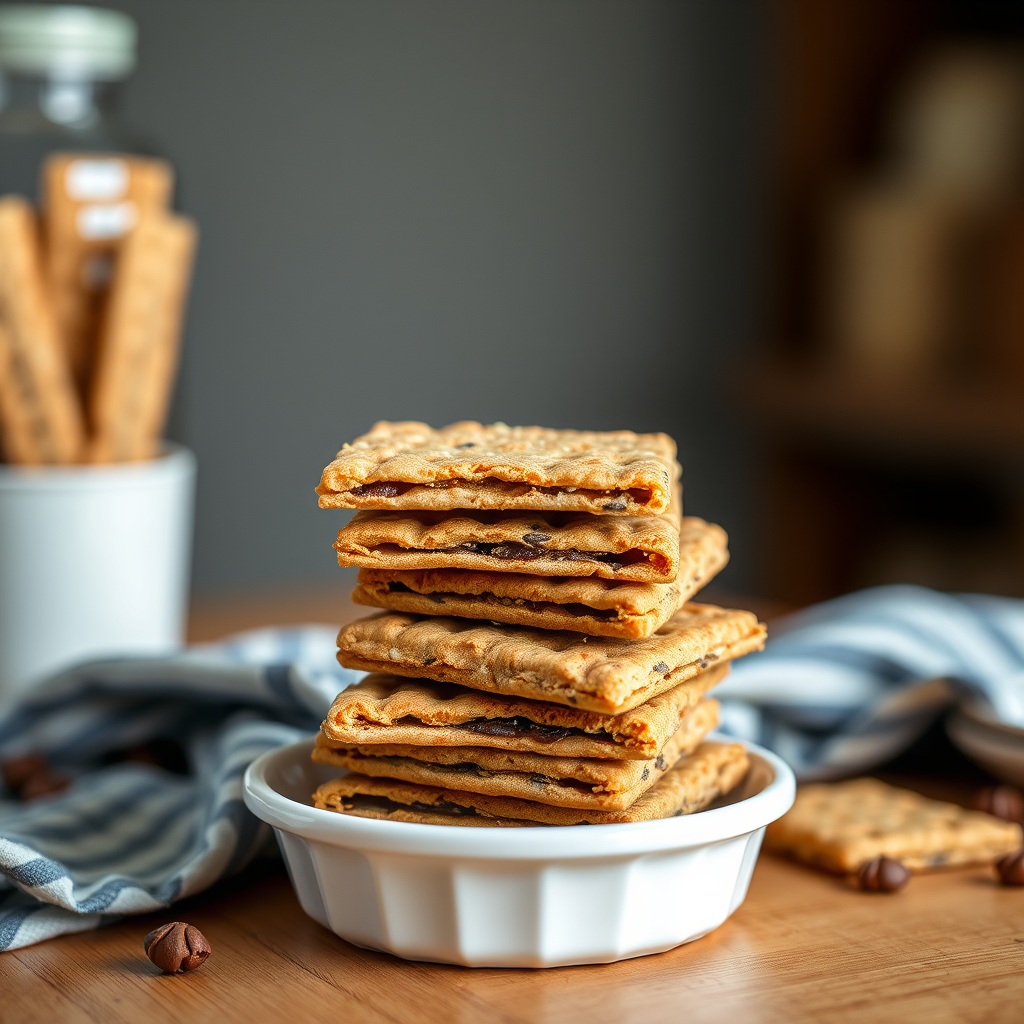
When you’re managing diabetes, every snack choice holds significance. It’s not just about avoiding “bad” foods, but about making informed decisions that actively contribute to your well-being. Diabetic-friendly snacking is a cornerstone of effective blood sugar management and overall health.
Maintain Stable Blood Sugar
The primary goal for diabetics is to prevent rapid spikes and drops in blood glucose. These fluctuations, often caused by high-sugar or high-carb foods, can lead to immediate symptoms like fatigue or irritability, and over time, contribute to serious long-term complications affecting the heart, kidneys, and nerves. Snacks designed for diabetics aim to provide sustained energy release, helping to keep blood sugar levels within a healthy target range throughout the day. This consistency is vital not only for preventing complications but also for maintaining consistent energy levels and mood. Smart snacking is a proactive step in maintaining this delicate balance.
Role of Macronutrients
Understanding the role of macronutrients – carbohydrates, proteins, and fats – is fundamental to choosing effective diabetic-friendly snacks. While carbohydrates are the primary source of glucose, not all carbs are created equal. Snacks high in fiber, healthy fats, and protein can help slow down sugar absorption from carbohydrates into the bloodstream. Fiber, found abundantly in whole grains, fruits, and vegetables, physically slows digestion, preventing a rapid glucose surge. Protein and healthy fats, like those found in nuts, seeds, or avocado, further contribute to satiety and temper the glycemic response of accompanying carbohydrates. Pairing these macronutrients strategically ensures a more gradual and manageable rise in blood sugar, providing sustained energy without the crash.
Enjoyment and Control
Managing diabetes doesn’t mean sacrificing all your favorite treats; it’s about finding delicious, controlled portions of snacks that help manage cravings without compromising health. Deprivation can often lead to overeating later, so integrating enjoyable, portion-controlled snacks is a sustainable strategy. By exploring healthier versions of beloved foods, like diabetic-friendly graham crackers, you can satisfy your sweet tooth or snack cravings in a way that aligns with your dietary needs. This approach fosters a positive relationship with food, reduces feelings of restriction, and empowers you to maintain better long-term control over your blood sugar levels and overall lifestyle.
Key Nutritional Factors for Diabetic Graham Crackers
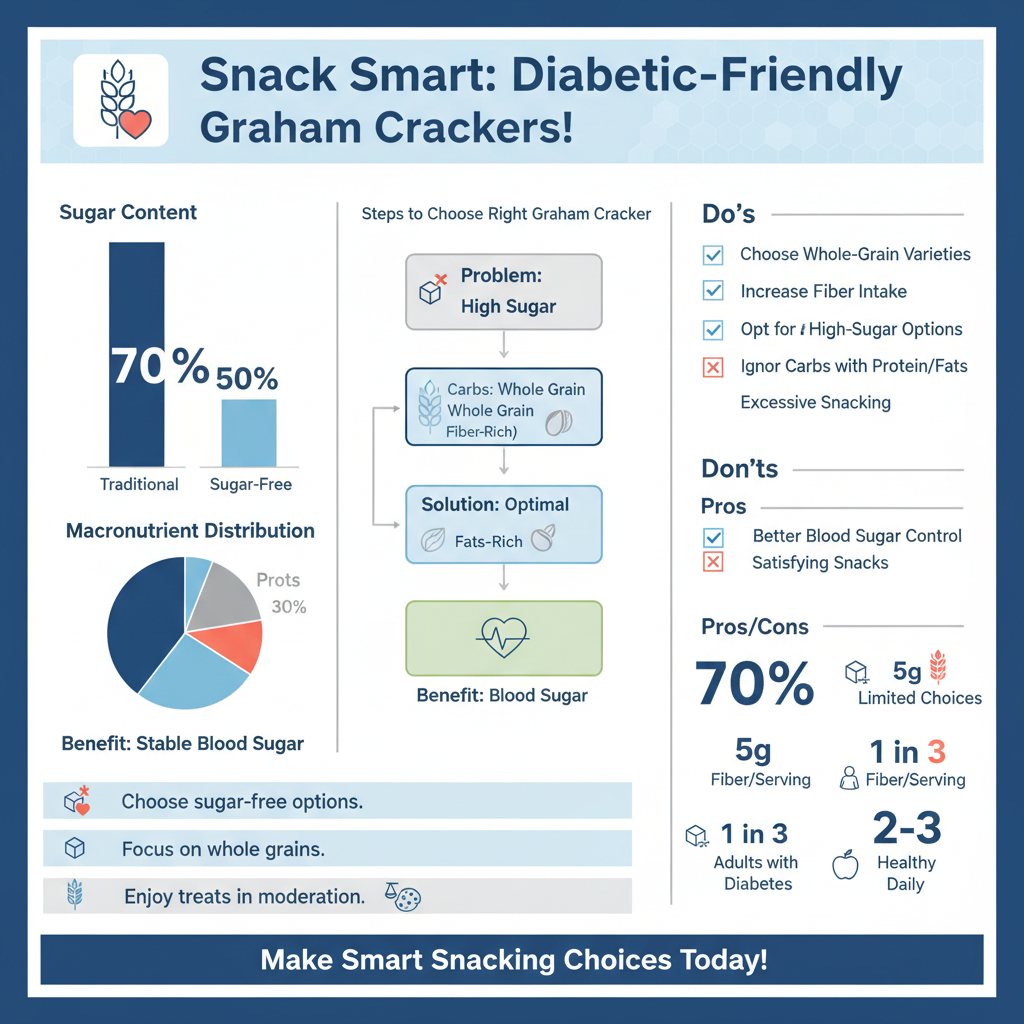
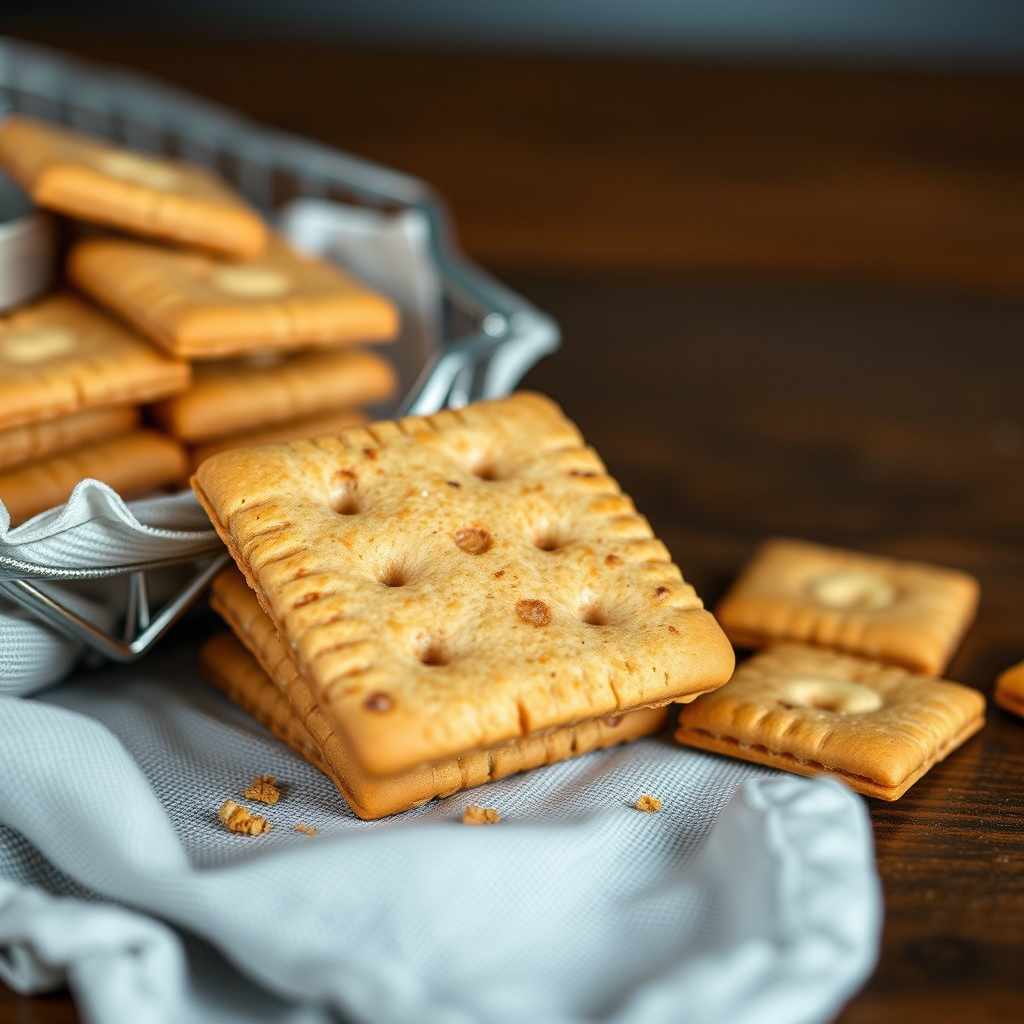
When selecting graham crackers, or any packaged food, as a diabetic, the nutrition label becomes your most powerful tool. Focusing on specific nutritional factors can guide you toward choices that support your health goals.
Reduced or No Added Sugars
This is arguably the most critical factor for diabetics. Traditional graham crackers can be surprisingly high in added sugars, which contribute directly and quickly to blood glucose levels. Look for products using natural sugar substitutes like stevia, erythritol, or monk fruit, which provide sweetness without the caloric or glycemic impact of traditional sugars. These sweeteners are generally not metabolized as glucose, offering a much safer option for diabetics. Even when a product claims to be “sugar-free,” it’s essential to check the full ingredient list to understand the type and quantity of sweeteners used, as some sugar alcohols can still have a minor impact on blood sugar or cause digestive upset in large amounts. The goal is to minimize direct sugar intake to keep blood glucose levels steady.
High Fiber Content
Fiber is a superstar nutrient for everyone, but especially for diabetics. It slows digestion and helps regulate blood sugar by tempering the absorption of glucose. When choosing graham crackers, prioritize options where whole grain flour is listed as a top ingredient, as this is a strong indicator of higher fiber content. Look for at least 3-5 grams of fiber per serving, if possible. Foods rich in soluble fiber can also help lower cholesterol levels, offering additional cardiovascular benefits often crucial for individuals with diabetes. The presence of ample fiber in your graham cracker choice means a slower, more sustained release of energy, helping you feel fuller for longer and preventing those unwanted blood sugar spikes.
Lower Net Carbohydrates
The concept of “net carbohydrates” is incredibly important for managing blood sugar. Net carbs refer to the total carbohydrates minus fiber and sugar alcohols (if applicable), as these components generally have a lesser or negligible impact on blood glucose. For a diabetic-friendly graham cracker, aiming for a lower net carbohydrate count per serving is key. Fiber is subtracted because it isn’t digested and absorbed as sugar. Sugar alcohols, while providing sweetness, are only partially absorbed and thus have a smaller glycemic effect. To calculate net carbs, simply subtract the grams of fiber (and half the grams of sugar alcohol, depending on the type) from the total carbohydrates listed on the nutrition label. This number directly impacts how much your blood sugar will rise, making it a crucial metric for smart snacking.
Top Graham Cracker Choices for Diabetics
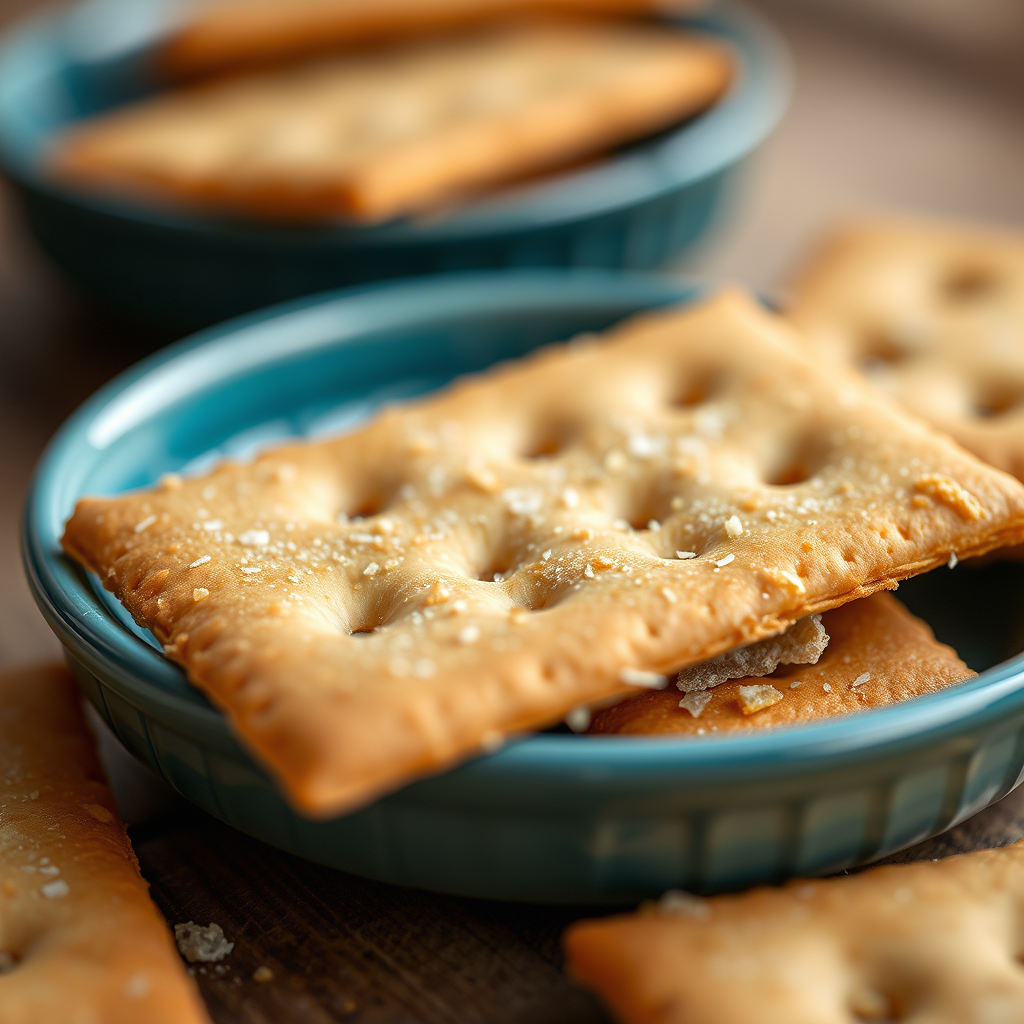
The market for diabetic-friendly snacks is growing, and that includes healthier versions of familiar favorites like graham crackers. Knowing which categories to look for can significantly narrow down your search and lead you to the best options.
Sugar-Free Varieties
Several forward-thinking brands now offer sugar-free versions of graham crackers, catering specifically to those monitoring their sugar intake. These often achieve their sweetness through sugar alcohols (like maltitol or erythritol) or non-nutritive artificial sweeteners (like sucralose or aspartame). While these can be excellent choices for reducing direct sugar impact, it’s always wise to scrutinize the full ingredient list. Some sugar alcohols, particularly in larger quantities, can cause digestive discomfort for some individuals, so starting with a small portion is a good idea to assess your tolerance. Nonetheless, sugar-free graham crackers are a fantastic starting point for enjoying the classic taste without the sugar rush, making s’mores a real possibility again!
Whole Wheat or Multi-Grain Options
Beyond just being sugar-free, opting for whole wheat or multi-grain graham crackers provides significant advantages. These versions typically use whole grain flour as their primary ingredient, which means they retain more of the grain’s natural fiber, vitamins, and minerals compared to those made with refined white flour. The increased fiber content is paramount for diabetics, as it slows down carbohydrate digestion and absorption, leading to a lower and more gradual rise in blood sugar levels. Whole grain crackers often have a slightly denser texture and a nuttier flavor profile, adding to their appeal. When choosing, ensure “whole wheat flour” or another “whole grain” is listed first on the ingredient label, rather than just “wheat flour,” which can still be refined.
Keto-Friendly Alternatives
For those following a very low-carb or ketogenic diet, or simply aiming for minimal blood sugar impact, keto-friendly alternatives are a game-changer. These specialty crackers are often crafted using low-carb flours like almond flour, coconut flour, or a blend of other nut and seed flours, combined with sugar substitutes. They are specifically designed to mimic the texture and taste of traditional graham crackers but with a dramatically reduced net carbohydrate count, sometimes as low as 1-2 grams per serving. While they might be pricier than conventional options, these crackers offer an excellent solution for satisfying a craving for the classic snack with virtually no impact on blood sugar, making them ideal for strict carb counters.
Reading Labels: What to Look For and Avoid
Becoming a savvy label reader is one of the most empowering skills for managing diabetes. It allows you to make informed decisions that directly support your health goals, especially when it comes to snacks like graham crackers.
Prioritize “Whole Grain”
When scanning the ingredient list, always ensure that “whole wheat flour” or another whole grain (like oat flour or whole rye flour) is listed as the very first ingredient. This indicates that the cracker is predominantly made from whole grains, which are rich in fiber and beneficial nutrients. Be wary of deceptive terms like “wheat flour,” “enriched flour,” or “multigrain” that don’t explicitly state “whole.” “Wheat flour” alone usually refers to refined white flour, which has had its bran and germ removed, along with much of its fiber and nutrients. “Multigrain” simply means multiple types of grains are present, but they might all be refined. Prioritizing truly whole grain products is key for a lower glycemic impact.
Scrutinize “Added Sugars”
This section of the nutrition label is incredibly important for diabetics. Aim for as low an amount of added sugars as possible; ideally, 0-5 grams per serving is a smart target. The FDA now requires “Added Sugars” to be listed separately on nutrition labels, making it easier to identify. However, also learn to recognize hidden sugars in the ingredient list, as manufacturers use many different names to disguise them. Watch out for ingredients like corn syrup, high-fructose corn syrup, dextrose, malt syrup, glucose, fructose, sucrose, honey, agave nectar, molasses, and even fruit juice concentrate. The higher up these ingredients appear on the list, the more prevalent they are in the product. The less added sugar, the better for your blood sugar control.
Monitor Total Carbohydrates
While fiber and sugar alcohols can offset some of the glycemic impact, the total carbohydrate count remains a critical number to monitor. Pay close attention to the serving size listed on the package and calculate your total carbohydrate intake based on how much you actually consume. Even with diabetic-friendly options, portion control is paramount. If a serving size is two crackers with 15 grams of carbs, and you eat four, you’ve just consumed 30 grams of carbs, which could easily exceed your daily carb allowance or target for a snack. Always factor the total carbohydrate count into your personal diabetes management plan and adjust your other meals accordingly.
Be Mindful of Sugar Alcohols
Sugar alcohols like erythritol, xylitol, maltitol, sorbitol, and lactitol are often used in sugar-free products to provide sweetness with fewer calories and a lower impact on blood sugar compared to traditional sugars. While generally considered safer for diabetics, it’s important to be mindful of their consumption. Large amounts of some sugar alcohols (especially maltitol, sorbitol, and xylitol) can cause digestive discomfort, including gas, bloating, and diarrhea, in sensitive individuals. Erythritol tends to be better tolerated. Additionally, some sugar alcohols do have a minor glycemic effect, so they should still be factored into your carbohydrate count, even if only partially. Always read the label and moderate your intake.
Portion Control and Smart Pairings
Even with the best diabetic-friendly graham crackers, intelligent eating strategies like portion control and smart pairings are crucial for maintaining stable blood sugar levels and getting the most nutritional value from your snack.
Moderation is Key
No matter how “diabetic-friendly” a graham cracker might be, moderation is always paramount. Even options with reduced sugars and higher fiber still contain carbohydrates, and consuming too many can lead to exceeding your carbohydrate limits and causing blood sugar spikes. Always stick to the recommended serving size listed on the nutrition label. It’s easy to mindlessly snack, so consider pre-portioning your graham crackers into small bags or containers. This conscious effort helps you stay within your carb budget for the snack and reinforces mindful eating habits, preventing those accidental overindulgences that can derail your glucose management.
Pair with Protein or Healthy Fats
One of the smartest ways to enjoy graham crackers as a diabetic is to pair them with sources of protein or healthy fats. This strategy is incredibly effective because protein and fats help to further slow down the digestion and absorption of carbohydrates, leading to an even more gradual and stable rise in blood sugar. Think about spreading a small amount of natural peanut butter or almond butter on your crackers, or topping them with a dollop of cream cheese or plain Greek yogurt. A slice of avocado (yes, it works for savory crackers!) or a sprinkle of chopped nuts can also add beneficial fats and protein. These pairings not only aid in blood sugar management but also increase satiety, helping you feel fuller and more satisfied for longer.
Incorporate into Balanced Snacks
Rather than viewing graham crackers as an entire snack by themselves, incorporate them as one component of a more balanced snack. This approach ensures you’re getting a wider range of nutrients and further buffering the impact of the carbohydrates. For example, instead of just eating two graham crackers, consider a snack that includes one graham cracker, a handful of berries (for additional fiber and antioxidants), and a small serving of cottage cheese or a hard-boiled egg. This multifaceted snack provides a mix of fiber, protein, healthy fats, and complex carbohydrates, optimizing blood sugar management while offering a richer, more satisfying eating experience.
Homemade Diabetic-Friendly Graham Crackers
For those who love to bake and want ultimate control over their ingredients, making your own diabetic-friendly graham crackers at home is an excellent option. This route guarantees freshness and allows for complete customization to fit your specific dietary needs.
Ingredient Control
Baking your own graham crackers puts you in the driver’s seat regarding ingredients. You can choose healthier, low-glycemic flours such as almond flour, coconut flour, oat flour, or whole wheat pastry flour, which are significantly lower in net carbs and higher in fiber than traditional refined white flour. For sweetness, you have the freedom to use natural sugar substitutes like stevia, erythritol, monk fruit, or xylitol, adjusting the amount to your personal preference without relying on artificial or high-sugar options found in commercial products. Furthermore, you can enhance the flavor and potentially add health benefits by incorporating beneficial spices like cinnamon, which is known for its potential blood sugar-lowering properties, along with nutmeg or vanilla extract for that classic graham cracker aroma.
Customizable Recipes
The world of online recipes offers a treasure trove of possibilities for low-carb or sugar-free graham crackers. Many recipes have been specifically developed for ketogenic diets or general diabetes management, providing clear guidance on how to achieve that beloved crisp texture and sweet, malty flavor. You can easily adapt these recipes to your taste preferences and dietary restrictions. Want more fiber? Add a spoonful of psyllium husk. Prefer a crispier cracker? Adjust baking time. Craving a unique flavor? Experiment with different extracts or spice blends. This flexibility means you can create a graham cracker that is perfectly tailored to your health goals, giving you complete control over the nutritional profile, from carb count to fiber content.
Freshness and No Hidden Additives
One of the most satisfying aspects of homemade snacks is the assurance of freshness and the absence of hidden additives. When you bake your own diabetic-friendly graham crackers, you can be confident that they are free from preservatives, artificial colors, high-fructose corn syrup, or other undesirable ingredients often found in commercially produced items. You know exactly what goes into your food, allowing you to avoid any potential allergens or questionable substances. Plus, there’s nothing quite like the aroma of freshly baked goods filling your kitchen, promising a wholesome and delicious treat that’s not only good for your palate but also for your diabetes management.
Navigating the snack aisle as a diabetic doesn’t mean giving up beloved treats like graham crackers entirely. By focusing on sugar-free, whole-grain, or low-carb varieties, diligently reading nutrition labels for fiber and added sugars, and practicing mindful portion control, you can still enjoy this classic snack responsibly. Remember the power of pairing your crackers with protein or healthy fats, and don’t shy away from the rewarding experience of baking your own to achieve ultimate ingredient control. Always remember to discuss new dietary choices with your healthcare provider or a registered dietitian to ensure they align with your personal diabetes management plan, as individualized advice is always best. Enjoy your smart and satisfying snack choices!
Frequently Asked Questions
What are the key nutritional factors diabetics should look for when choosing graham crackers?
When selecting graham crackers for diabetics, prioritize options low in added sugars and high in fiber, which helps regulate blood glucose levels. Look for products made with whole grains, as these provide complex carbohydrates that digest slower and prevent rapid blood sugar spikes. Checking the nutrition label for lower net carbs and a good fiber-to-carb ratio is crucial for making an informed choice.
Which brands or types of graham crackers are generally considered better options for people with diabetes?
Diabetics should seek out brands offering “sugar-free,” “no sugar added,” or “100% whole wheat” graham crackers, as these are formulated to have a lower impact on blood sugar. While specific brand availability varies, focus on products that clearly state these attributes on their packaging. Often, store brands or specialty health food brands may offer more suitable diabetic-friendly graham cracker alternatives.
How can diabetics enjoy graham crackers as a snack without significantly raising their blood sugar levels?
To enjoy graham crackers responsibly, portion control is key; stick to the recommended serving size. Pair them with healthy fats or proteins, like a small spread of natural peanut butter or a slice of low-fat cheese, which helps slow sugar absorption and promotes satiety. Additionally, monitor your blood glucose response after consumption to understand how different graham cracker types affect your individual levels.
Why are traditional graham crackers generally not recommended for individuals managing diabetes?
Traditional graham crackers are typically made with refined flours and a high amount of added sugars, which can lead to a rapid increase in blood sugar levels. Their low fiber content means carbohydrates are quickly digested, contributing to a high glycemic impact. For diabetics, consistently consuming such foods can make blood sugar management challenging and potentially lead to hyperglycemia.
Are there any healthier, diabetic-friendly alternatives to graham crackers that still offer a satisfying crunch?
Yes, several healthier alternatives can satisfy a craving for a crunchy snack while supporting diabetic dietary needs. Consider whole-grain crackers with minimal added sugar, rice cakes topped with avocado or nut butter, or even baked apple slices sprinkled with cinnamon. These options provide fiber and nutrients while helping to maintain stable blood sugar levels more effectively than traditional graham crackers.
References
- https://diabetes.org/healthy-living/recipes-nutrition/eating-well/healthy-snack-ideas
- https://www.cdc.gov/diabetes/managing/eat-well.html
- Healthy Living with Diabetes – NIDDK
- Diabetes Teaching Center
- Graham cracker
- Glycemic index
- https://www.nutrition.org.uk/healthy-living/healthy-eating/healthy-eating-for-adults-with-type-2-diabetes/
- Whole Grains • The Nutrition Source
- Not Found | American Heart Association | American Heart Association