

For diabetics seeking the best fiber supplement, options rich in soluble fiber like psyllium husk and methylcellulose are frequently recommended due to their proven benefits in blood sugar management and digestive health. While these are generally excellent starting points, selecting the truly “best” supplement depends on individual needs, tolerance, and specific health goals, always in consultation with your healthcare provider. This guide will help you understand your options and make an informed decision, empowering you to better manage your diabetes with smart fiber choices.




Why Fiber is Crucial for Diabetes Management

Fiber isn’t just a buzzword; it’s a powerhouse nutrient, especially for individuals managing diabetes. Incorporating adequate fiber into your daily routine, whether through diet or supplements, offers a multitude of benefits that directly impact glycemic control and overall well-being.
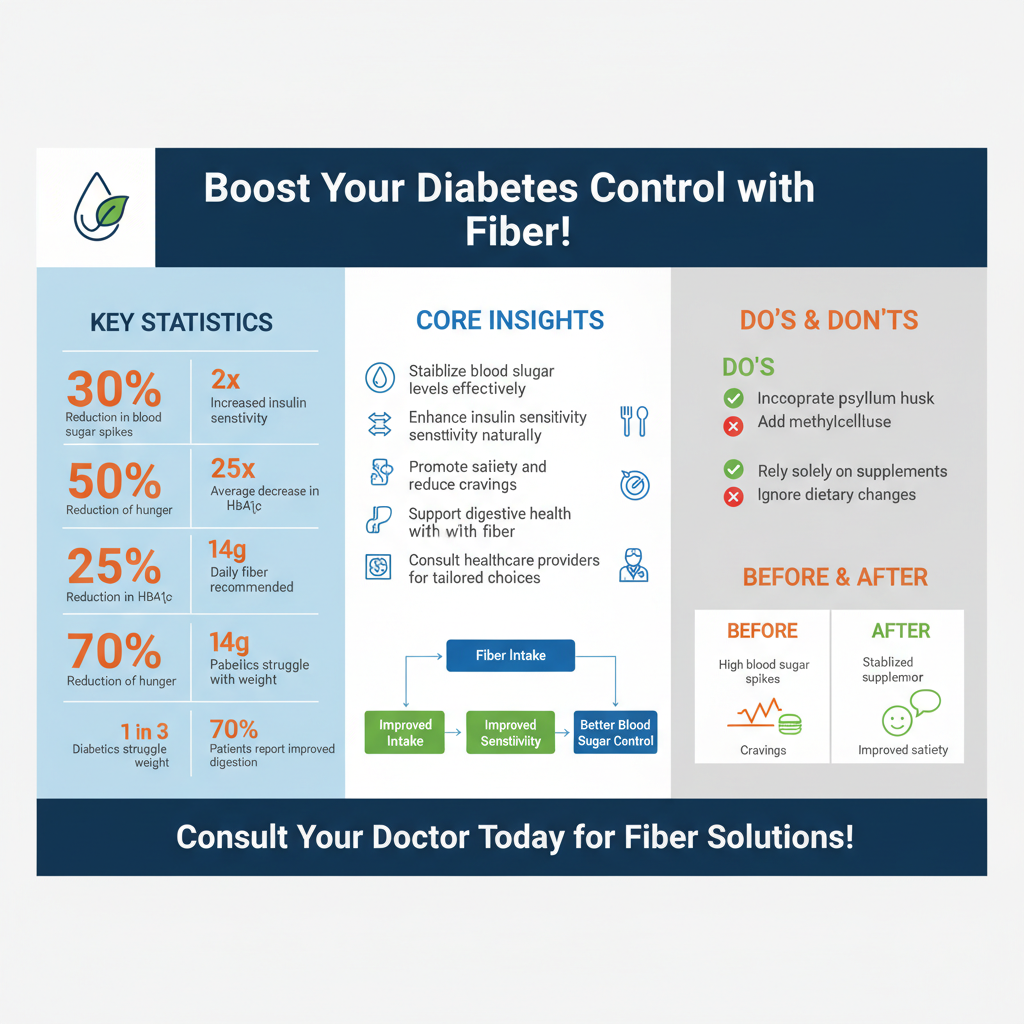
* Stabilizes Blood Sugar: One of the most significant advantages of fiber, particularly soluble fiber, for diabetics is its ability to smooth out blood sugar fluctuations. When soluble fiber mixes with water in your digestive tract, it forms a thick, gel-like substance. This gel slows down the rate at which food moves through your stomach and intestines, consequently delaying the absorption of glucose into your bloodstream. The result? Instead of sharp, rapid spikes in blood sugar after meals, you experience a more gradual, sustained release of glucose. This improved glycemic control reduces the burden on your pancreas, helps to prevent the energy crashes often associated with high blood sugar, and can significantly contribute to a lower HbA1c over time.
* Improves Insulin Sensitivity: Regular and consistent fiber intake can play a crucial role in enhancing your body’s sensitivity to insulin. Insulin resistance, a hallmark of Type 2 diabetes, means your cells don’t respond effectively to insulin, leading to higher blood sugar levels. While the exact mechanisms are still being researched, it’s believed that fiber’s ability to stabilize blood sugar, reduce inflammation, and support a healthy gut microbiome all contribute to better insulin signaling. Over time, improved insulin sensitivity means your body can utilize the insulin it produces more efficiently, making it easier to keep blood sugar levels within a healthy range.
* Promotes Satiety & Weight Management: Managing weight is a cornerstone of diabetes care, as even modest weight loss can dramatically improve blood sugar control. Fiber excels at promoting feelings of fullness, or satiety, without adding extra calories. Because fiber adds bulk to your meals and takes longer to digest, it helps you feel satisfied for extended periods, reducing the likelihood of overeating or snacking on unhealthy foods between meals. This natural appetite regulation can be a powerful ally in achieving and maintaining a healthy weight, which in turn reduces insulin resistance and the risk of diabetes complications. It’s a simple yet effective strategy for sustainable weight management.
Soluble vs. Insoluble Fiber: What Diabetics Need
When we talk about fiber, it’s important to understand that there are two main types, each offering distinct benefits. While both are essential for overall health, diabetics often benefit most from a specific focus on soluble fiber.
* Soluble Fiber Focus: This type of fiber earns its name because it dissolves in water, forming a viscous, gel-like substance as it moves through your digestive system. For diabetics, soluble fiber is often the primary focus due to its profound impact on blood sugar management and cholesterol levels. As mentioned, this gel slows down gastric emptying and glucose absorption, preventing those undesirable post-meal blood sugar spikes. Beyond blood sugar, soluble fiber also binds to cholesterol in the digestive tract, preventing its absorption and helping to lower LDL (“bad”) cholesterol levels, which is vital for heart health—a significant concern for diabetics. Many soluble fibers also act as prebiotics, feeding beneficial gut bacteria, which can further support metabolic health and immune function. Excellent sources include oats, barley, apples, citrus fruits, beans, lentils, and the popular supplements psyllium husk and methylcellulose.
* Insoluble Fiber Benefits: Unlike its soluble counterpart, insoluble fiber does not dissolve in water. Instead, it acts as a “bulking agent,” passing through your digestive system largely intact. While insoluble fiber doesn’t have the same direct blood sugar-lowering effects as soluble fiber, it is incredibly important for maintaining digestive regularity and overall gut health. It adds volume to stool, helping to prevent constipation, which is a common issue for many people. By promoting healthy, regular bowel movements, insoluble fiber ensures waste products are efficiently removed from the body, contributing to a healthy digestive tract environment. Moreover, a well-functioning digestive system is fundamental for nutrient absorption and general well-being. Good sources of insoluble fiber include whole grains, wheat bran, nuts, seeds, and the skins of many fruits and vegetables. For optimal health, a balanced intake of both soluble and insoluble fiber is recommended, but for targeted diabetes management, increasing soluble fiber intake is often prioritized.
Top Fiber Supplements Recommended for Diabetics

While getting fiber from whole foods is always the ideal, supplements can be a practical and effective way for diabetics to ensure they’re meeting their daily fiber targets, particularly for specific types of fiber. Here are some of the top choices known for their benefits in diabetes management:
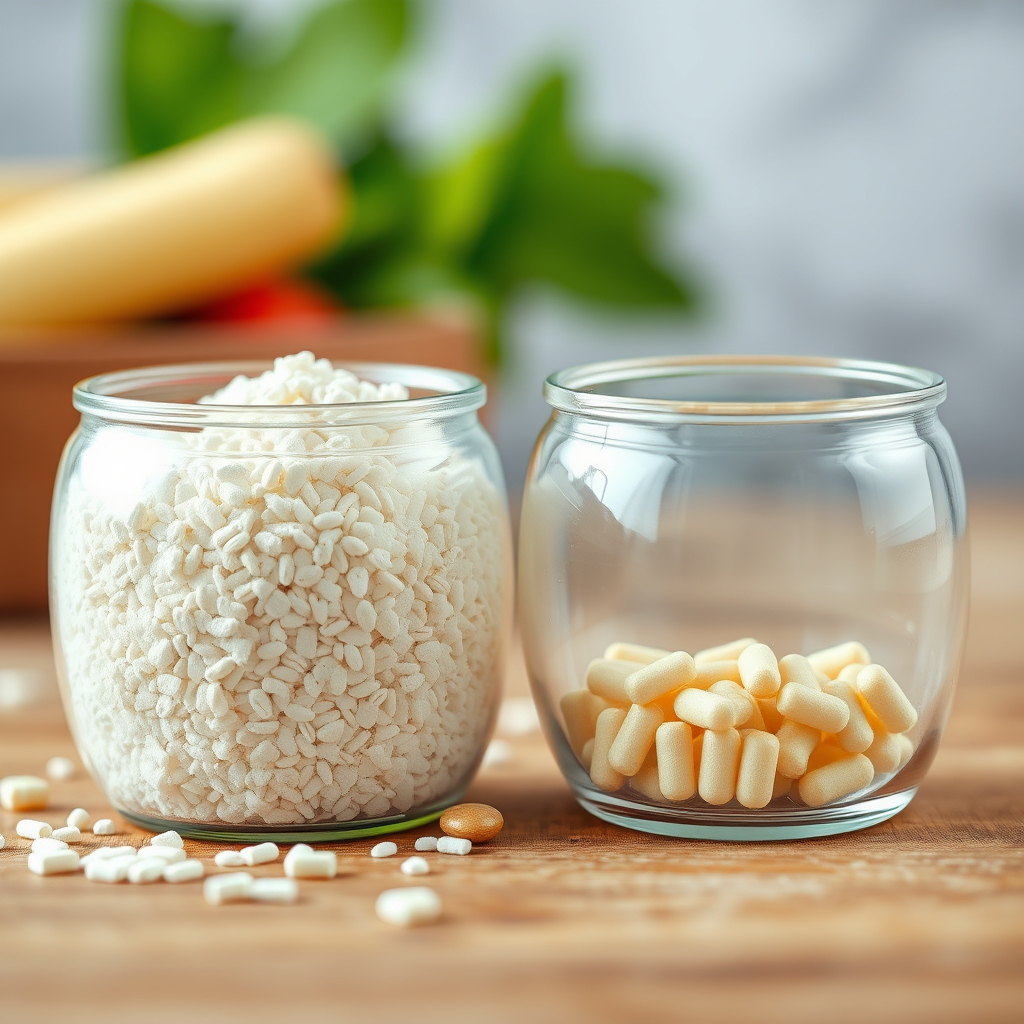
* Psyllium Husk: Derived from the seeds of the *Plantago ovata* plant, psyllium husk is perhaps the most well-known and extensively studied soluble fiber supplement. When mixed with water, it forms a remarkably thick, viscous gel that is highly effective at slowing down digestion and glucose absorption. This makes it an excellent choice for stabilizing post-meal blood sugar levels and improving overall glycemic control. Beyond blood sugar, psyllium is also renowned for its ability to lower LDL cholesterol, which is a significant advantage for diabetics who are at increased risk for cardiovascular disease. Furthermore, its bulking properties promote regular bowel movements, addressing both diarrhea and constipation. It’s widely available in powder form (often unflavored) and capsules. Just be sure to mix it thoroughly with plenty of water and drink it quickly before it gels too much.
* Methylcellulose: This soluble fiber is derived from plant cellulose and is often praised for being a gentler option for individuals with sensitive stomachs. Methylcellulose also forms a gel when mixed with water, aiding in slowed digestion and improved blood sugar control, similar to psyllium. However, unlike psyllium, methylcellulose is non-fermentable in the colon. This means it’s less likely to produce gas and bloating, making it a more comfortable choice for those who experience significant digestive discomfort with other fiber types. It effectively adds bulk to stool, promoting regularity and helping to prevent constipation. Methylcellulose is a fantastic choice for consistent digestive support without the potential for excessive gas or other common side effects experienced with highly fermentable fibers.
* Inulin (and FOS): Inulin, along with fructooligosaccharides (FOS), are soluble, prebiotic fibers naturally found in foods like chicory root, agave, garlic, onions, and asparagus. Their primary benefit lies in their role as prebiotics: they selectively feed beneficial bacteria in your gut, promoting a healthier and more diverse gut microbiome. A thriving gut microbiome is linked to improved metabolic health, better immune function, and potentially enhanced insulin sensitivity. While supporting gut health is undoubtedly beneficial for diabetics, there’s a key consideration with inulin and FOS: they are highly fermentable. This fermentation process, while good for bacteria, can lead to significant gas, bloating, and abdominal discomfort, especially in higher doses or for individuals with sensitive digestive systems like those with IBS or FODMAP sensitivities. If you choose an inulin-based supplement, it’s crucial to start with a very low dose and increase gradually, paying close attention to your body’s response. It may be better suited as a supplement to support gut health rather than the primary fiber for blood sugar management for some individuals.
Key Factors When Choosing a Fiber Supplement
Selecting the right fiber supplement isn’t just about picking a type; it involves careful consideration of several factors to ensure it supports your diabetes management without introducing new problems.
* Avoid Added Sugars & Artificial Sweeteners: This is perhaps the most critical factor for diabetics. Many fiber supplements, particularly those marketed as “tasty” or “convenient” like chewable gummies, flavored powders, or fiber bars, are often loaded with added sugars, corn syrup, or artificial sweeteners. Added sugars will directly counteract the blood sugar-stabilizing benefits of the fiber, potentially causing spikes. Artificial sweeteners, while calorie-free, may not be inert; some research suggests they could disrupt the gut microbiome or have other metabolic effects that might not be beneficial for diabetics. Always meticulously check the ingredients list. Look for unflavored powders that contain only the fiber itself, or opt for products sweetened naturally with stevia or monk fruit, though unflavored is generally the safest bet. Your goal is to add fiber, not hidden sugars.
* Dosage and Gradual Introduction: Your digestive system needs time to adjust to increased fiber intake, especially from supplements. Introducing too much fiber too quickly can lead to uncomfortable side effects like excessive gas, bloating, stomach cramps, and even constipation if not properly hydrated. The golden rule is to start low and go slow. Begin with a very small dose—perhaps half or even a quarter of the recommended serving size—for a few days or a week. Gradually increase the dose every few days or weekly, allowing your body to adapt. Pay close attention to how you feel. The aim is to slowly build up to the recommended dosage that provides benefits without causing significant discomfort. This gradual approach ensures your digestive system can comfortably process the extra fiber.
* Hydration is Key: This point cannot be stressed enough: fiber supplements *require* ample water to work effectively and safely. Fiber, particularly soluble fiber, absorbs water in your digestive tract to form its beneficial gel-like consistency. If you don’t drink enough water with your fiber supplement, it can have the opposite of the intended effect, leading to hardened stools, severe constipation, and abdominal pain. Think of fiber like a sponge; it needs liquid to expand and become soft. Always take your fiber supplement with a full glass of water (at least 8 ounces), and make a conscious effort to increase your overall daily fluid intake throughout the day. Staying well-hydrated is crucial for preventing potential side effects and maximizing the benefits of your fiber supplement.
Potential Side Effects and When to Consult Your Doctor
While fiber supplements offer numerous health benefits, it’s important to be aware of potential side effects and understand when it’s time to seek professional medical advice.
* Common Side Effects: When you first introduce a fiber supplement or increase its dosage, it’s very common to experience some mild digestive discomfort. This can include bloating, increased gas, and abdominal discomfort or cramping. These symptoms occur because the bacteria in your gut are working to ferment the fiber, and your digestive system is adjusting to the increased bulk. Generally, these side effects are temporary and tend to subside as your body adapts over a few days or weeks, especially if you followed the “start low, go slow” advice. Some individuals might also experience mild changes in bowel habits, such as slightly looser stools initially. Patience and consistent hydration are key during this adjustment period.
* Constipation: Paradoxically, while fiber is known for promoting regularity, it can sometimes worsen constipation if not accompanied by sufficient fluid intake. As discussed, fiber needs water to swell and soften. Without enough water, it can form a hard, difficult-to-pass mass in your intestines. If you find your constipation worsening after starting a fiber supplement, your first step should be to significantly increase your water intake throughout the day, particularly with each dose of fiber. If the issue persists, you might need to reduce your dosage or consider switching to a different type of fiber supplement, like methylcellulose, which can sometimes be gentler.
* Medication Interactions: This is a critical concern, especially for individuals managing diabetes who are likely taking multiple medications. Fiber, particularly the soluble gelling types, can interfere with the absorption of certain medications by binding to them in the digestive tract. This can reduce the effectiveness of vital drugs. Medications that may be affected include oral hypoglycemics (diabetes medications), thyroid hormones, blood thinners (like warfarin), certain antibiotics, antidepressants, and even some over-the-counter pain relievers. To minimize the risk of interaction, it’s generally recommended to take your fiber supplement at least 2 to 4 hours *apart* from any prescribed or over-the-counter medications. However, this is not a substitute for professional medical advice. Always consult your doctor or pharmacist before starting any new fiber supplement, especially if you are on medication. They can provide personalized advice on potential interactions and optimal timing to ensure both your medications and your fiber supplement work effectively and safely.
Incorporating the right fiber supplement can be a powerful tool in managing diabetes, supporting stable blood sugar and overall digestive health. While options like psyllium and methylcellulose are popular and effective, always prioritize a product free from added sugars and consult your doctor or a registered dietitian to tailor the best choice and dosage for your individual health profile. Start slow, stay hydrated, and empower your diabetes management journey with smart fiber choices.
Frequently Asked Questions
What are the key benefits of fiber supplements for managing diabetes?
Fiber supplements are incredibly beneficial for diabetics as they play a crucial role in blood sugar management by slowing the absorption of glucose into the bloodstream, leading to more stable levels. Beyond glycemic control, increased fiber intake can improve insulin sensitivity, promote satiety to aid in weight management, and support overall digestive health, all vital aspects of effective diabetes management.
Which types of fiber supplements are generally recommended and safest for people with diabetes?
Soluble fiber supplements like psyllium husk, glucomannan, and inulin are highly recommended for diabetics due to their proven ability to form a gel in water, which significantly delays gastric emptying and carbohydrate absorption. These types of fiber are particularly effective at improving blood sugar control and reducing cholesterol. Always prioritize sugar-free formulations to avoid unwanted glucose spikes.
How should diabetics choose a fiber supplement to ensure it doesn’t negatively impact blood sugar?
When selecting a fiber supplement, diabetics must prioritize products explicitly labeled as “sugar-free,” “low-carb,” or “no added sugar” to prevent unexpected blood glucose fluctuations. Carefully review the ingredient list for hidden sugars (like dextrose, maltodextrin, or corn syrup) and opt for supplements with minimal artificial sweeteners or natural, low-glycemic alternatives if necessary. Consulting a healthcare provider or dietitian can help personalize your choice for the best fiber supplement.
Are there specific ingredients or added sugars diabetics should avoid when selecting a fiber supplement?
Diabetics should strictly avoid fiber supplements containing added sugars such as high-fructose corn syrup, sucrose, dextrose, maltose, or any other caloric sweeteners, as these will directly elevate blood sugar levels. It’s also wise to be cautious with excessive artificial sweeteners or sugar alcohols if they cause gastrointestinal distress, though some sugar alcohols are generally safe in moderation. Focus on supplements with pure, natural fiber sources and minimal extra ingredients.
How can diabetics best incorporate a fiber supplement into their daily routine for optimal blood sugar control?
To maximize benefits for blood sugar control, diabetics should start with a low dose of their chosen fiber supplement and gradually increase it to the recommended amount, always with plenty of water, to prevent digestive discomfort. Taking the supplement ideally before or with meals can help slow glucose absorption from the food consumed. Consistency is key, so integrating it into a regular daily routine, such as with breakfast or dinner, helps ensure steady benefits for long-term diabetes management.
References
- https://diabetes.org/healthy-living/recipes-nutrition/eating-well/fiber
- Chemotherapy and sex: Is sexual activity OK during treatment? – Mayo Clinic
- https://www.cdc.gov/diabetes/library/features/healthy-eating.html
- Healthy Living with Diabetes – NIDDK
- Fiber • The Nutrition Source
- https://med.stanford.edu/news/all-news/2023/12/type-2-diabetes-fiber-diet.html
- Dietary fiber