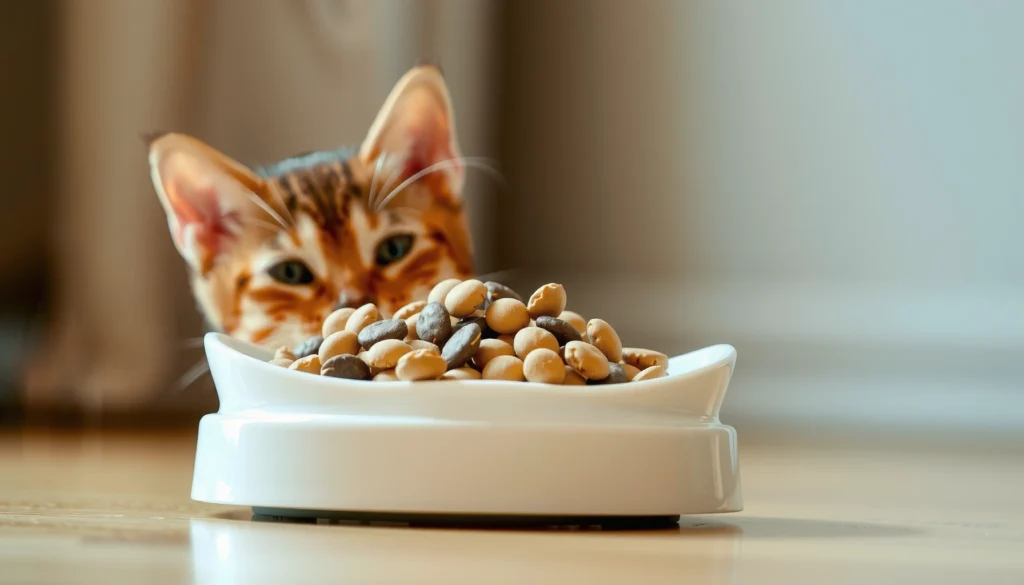

For diabetic cats, the best dry food choices are specifically formulated prescription diets, characterized by high protein, very low carbohydrate content, and moderate fat. While wet food is often recommended due to its moisture content and typically lower carbohydrate levels, if dry food is a necessity, selecting a veterinary-approved option is paramount to help manage blood glucose levels effectively and support overall health. This guide will help you understand the crucial aspects of selecting the right dry food for your feline companion with diabetes, ensuring they get the nutrition they need to thrive.




Understanding Your Diabetic Cat’s Dietary Needs

Managing diabetes in cats is a delicate balance, and their diet plays an incredibly significant role in their overall well-being. It’s not just about providing food; it’s about providing the right food that actively supports their unique metabolic challenges. Understanding these core needs will empower you to make informed decisions for your furry friend.
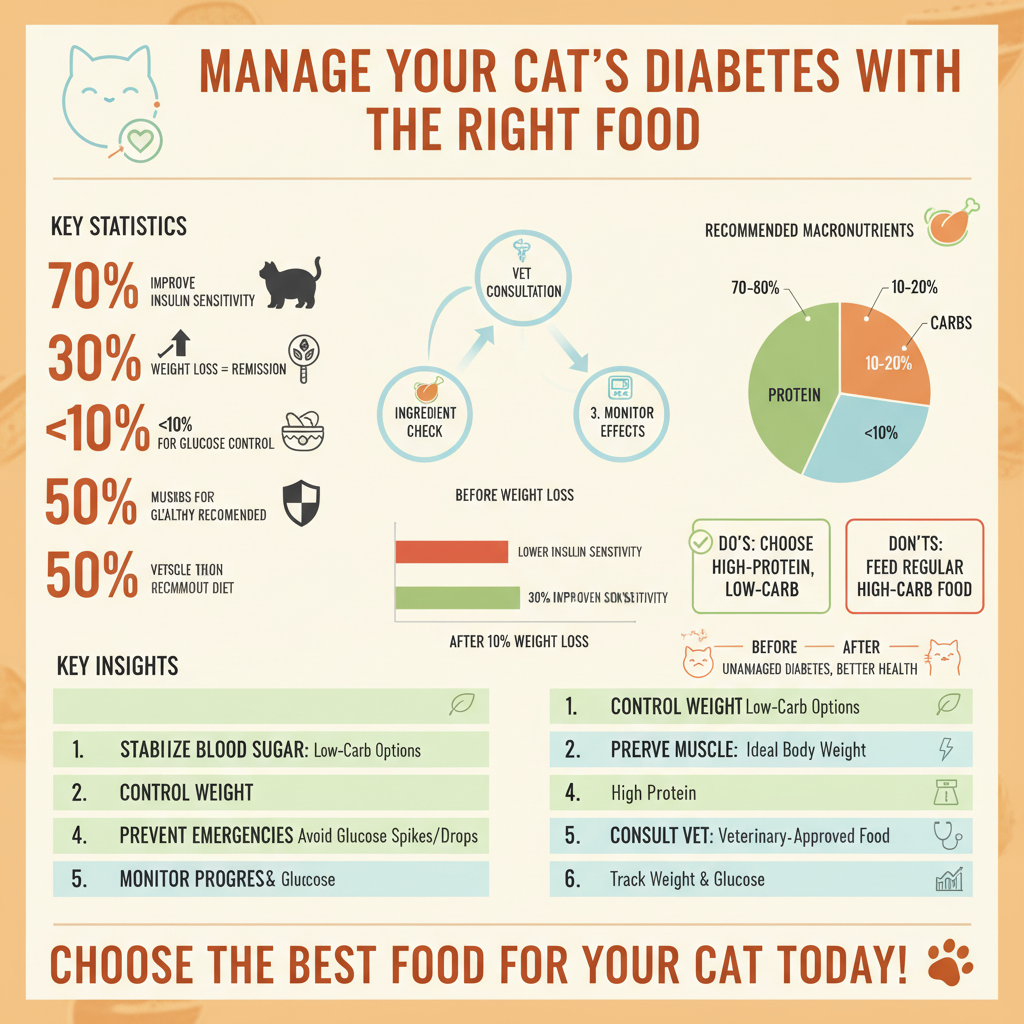
* Blood Sugar Management: This is the cornerstone of diabetic care. The primary goal of any diabetic diet is to stabilize blood glucose levels. This means preventing dangerous spikes after meals, which can lead to hyperglycemia, and avoiding sudden drops, which can cause hypoglycemia—both of which are medical emergencies. Cats, by nature, are carnivores whose bodies are not designed to process high levels of carbohydrates. When they consume carbohydrates, these are quickly broken down into glucose, causing a rapid rise in blood sugar. A diet tailored for diabetes aims to minimize this glycemic response, creating a more steady and predictable blood glucose curve that is easier to manage with insulin.
* Weight Control: Maintaining an ideal body weight is absolutely crucial for diabetic cats. Obesity is a significant risk factor for developing diabetes in felines, and it also worsens insulin resistance in cats who already have the condition. Insulin resistance means the body’s cells don’t respond effectively to insulin, requiring higher doses or leading to poorly controlled blood sugar. A properly formulated diabetic diet helps cats achieve and maintain a healthy weight by providing appropriate calorie levels and promoting satiety without excess carbs. For overweight diabetic cats, even a modest weight loss can significantly improve insulin sensitivity, sometimes even leading to diabetic remission.
* Muscle Preservation: High protein diets are vital for maintaining lean muscle mass, which is especially important for diabetic cats. Muscle tissue is metabolically active and helps with glucose utilization. When cats don’t get enough protein, their bodies can start breaking down muscle for energy, which is detrimental to their overall health and strength. Lean muscle mass also contributes to a healthy metabolism. Furthermore, as cats age or deal with chronic illnesses like diabetes, muscle wasting can become a concern. A high-quality, high-protein diet supports the preservation of this essential tissue, keeping your cat strong and healthy.
Key Nutritional Requirements for Diabetic Dry Food

When you’re staring at a wall of cat food bags, trying to decipher labels can feel like learning a new language. But for your diabetic cat, understanding these key nutritional requirements is non-negotiable. These are the pillars of a diet that will help keep their blood sugar in check and support their overall health.
* High Animal-Based Protein: This is perhaps the most critical component. Cats are obligate carnivores, meaning their bodies are designed to derive most of their nutrition from animal sources. Look for diets where meat (like chicken, turkey, fish, or specific meat meals) is listed as the primary ingredient, ideally as the first few ingredients. On a dry matter basis (DMB), you should aim for a protein content typically above 40-50%. Why so high? Animal protein provides the essential amino acids cats need, helps maintain lean muscle mass, and promotes satiety, meaning your cat feels full and satisfied without needing to consume excess carbohydrates or calories. Plant-based proteins simply aren’t as bioavailable or complete for felines.
* Very Low Carbohydrate Content: Carbohydrates are the enemy of stable blood sugar in diabetic cats. While some carbs are present in most dry foods, the goal is to keep them as low as possible. When evaluating dry food, look for options with less than 10-12% carbohydrates on a dry matter basis. This is a crucial number. Traditional commercial dry cat foods can often contain 25-50% or even higher carbohydrates, which is detrimental for a diabetic feline. Reducing carbohydrate intake directly lessens the glucose load on your cat’s system, thereby minimizing blood sugar spikes and making insulin regulation significantly easier. Many veterinarians consider this the single most impactful dietary change for diabetic cats.
* Moderate Fat Levels: Fat is essential for energy, absorption of fat-soluble vitamins, and contributes to the palatability of the food, making it appealing to even picky eaters. However, the key here is “moderate.” While fats don’t directly spike blood sugar in the same way carbohydrates do, excessive fat intake can lead to weight gain, which as we discussed, exacerbates insulin resistance. Therefore, the fat content needs to be balanced—providing enough healthy fats for your cat’s energy needs and coat health, but not so much that it contributes to obesity. Your vet can guide you on the ideal fat percentage, which is usually in a range that supports their energy without being overly calorically dense.
The Role of Prescription Diabetic Dry Diets

When it comes to managing a serious condition like feline diabetes, you’ll often hear your veterinarian recommend a “prescription diet.” These aren’t just fancy marketing terms; they represent a scientifically formulated approach to nutrition designed to support specific medical needs.
* Veterinary-Formulated: Prescription diets are not your average over-the-counter kibble. Brands like Purina DM (Diabetic Management), Royal Canin Glycobalance, and Hill’s m/d are examples of dry foods that have been specifically developed by veterinary nutritionists and scientists. They undergo rigorous research and clinical trials to ensure they meet the precise metabolic needs of diabetic cats. This means every ingredient, every nutrient level, is carefully chosen and tested to optimize blood glucose control, support healthy body weight, and maintain overall vitality in a diabetic feline. They are designed to work synergistically with insulin therapy, not against it.
* Strict Ingredient Control: What sets these diets apart is their unparalleled precision. They contain exact, controlled levels of protein, fat, and carbohydrates – ensuring the very low carb content that is so critical for diabetic management. Beyond these macronutrients, they often include a blend of beneficial ingredients like L-carnitine, which helps with fat metabolism and can aid in weight management and muscle preservation. Antioxidants are also frequently added to combat oxidative stress, which can be heightened in diabetic animals. This meticulous control ensures that your cat receives consistent, therapeutic nutrition with every meal, taking the guesswork out of dietary management.
* Necessity of Vet Consultation: This point cannot be overstressed. While these prescription diets are incredibly effective, they must *always* be started or changed under the direct supervision of your veterinarian. Your vet will consider several factors: your cat’s specific type of diabetes, their current body condition, any concurrent health issues (e.g., kidney disease, pancreatitis), and their response to insulin. Introducing a new diet, especially one that drastically changes carbohydrate intake, can significantly alter blood glucose levels. This means that insulin dosages will almost certainly need to be adjusted to prevent dangerous hypoglycemia. Your vet will recommend the best prescription option for your cat’s individual condition and guide you through the safe transition process, monitoring your cat closely to ensure the diet is achieving its desired effect.
What to Look For (and Avoid) in Dry Food Ingredients
Beyond just percentages, understanding the types of ingredients in your cat’s dry food is crucial for managing their diabetes effectively. It’s about becoming a detective of the ingredient list!
* Look For: When you pick up a bag of dry food, immediately scan the first few ingredients. You want to see high-quality, identifiable animal protein sources listed prominently. Think “chicken meal,” “turkey meal,” “salmon,” or “beef.” The term “meal” (e.g., chicken meal) is often a concentrated protein source, meaning much of the water has been removed, resulting in a higher protein content per serving compared to fresh meat. Some beneficial fibers can be helpful in moderation; ingredients like pea fiber, beet pulp, or powdered cellulose can aid in digestive health and satiety, provided they are not high-glycemic and are used in small amounts. These fibers can also help slow down digestion and nutrient absorption, which can be a small aid in blood sugar stability.
* Avoid: This is where many commercial dry foods fall short for diabetic cats. You must actively avoid high glycemic index ingredients that cause rapid and significant blood sugar spikes. These include common fillers like corn, wheat, rice (especially white rice), potatoes, sweet potatoes, tapioca, and excessive fruit fillers. These ingredients are cheaply sourced carbohydrates that convert quickly into glucose, making blood sugar control incredibly challenging. Also, be mindful of artificial colors, flavors, and preservatives. While not directly related to blood sugar, these additives offer no nutritional benefit and can be potential allergens or simply unnecessary chemicals in your cat’s diet, especially for a sensitive system.
* Glycemic Index Awareness: Don’t be fooled by labels like “grain-free.” While grain-free can be a good starting point, it doesn’t automatically mean low-carb. Many grain-free foods replace grains with other starchy ingredients like peas, lentils, chickpeas, or potatoes, which can have just as high, if not higher, glycemic indexes than traditional grains. Always look at the guaranteed analysis and, if possible, the dry matter carbohydrate content calculation (which your vet can help you with). The overall nutrient profile and the *impact* of those ingredients on blood sugar are what truly matter. Prioritize protein from animal sources and be extremely skeptical of any dry food that doesn’t explicitly state its low carbohydrate content.
Transitioning and Feeding Your Diabetic Cat’s Dry Food
Once you’ve chosen the perfect prescription dry food with your vet, the next steps involve how you introduce it and integrate it into your cat’s daily routine. Consistency and careful monitoring are key to success.
* Gradual Introduction: Never switch your cat’s food cold turkey, especially for a diabetic cat. A sudden change can cause digestive upset (vomiting, diarrhea) and make it difficult to assess how the new diet is affecting their blood glucose. A gradual transition over 7-10 days is ideal. Start by mixing a small amount (about 25%) of the new dry food with 75% of their old food for a few days. If your cat tolerates this well, increase the new food to 50% for another few days, then 75% for a few more days, until they are entirely on the new diet. Throughout this process, monitor your cat’s appetite, energy levels, and any changes in their litter box habits. More importantly, work with your vet for increased blood glucose monitoring during this transition, as insulin dosages may need to be adjusted.
* Consistent Feeding Schedule: Establishing a consistent feeding schedule is paramount for diabetic cats, particularly those receiving insulin injections. Regular meal times, often synchronized with insulin administration, help to create a predictable blood glucose curve. This makes it easier for your veterinarian to determine the correct insulin dosage and helps prevent blood sugar extremes. Many vets recommend feeding two main meals per day, roughly 12 hours apart, to align with twice-daily insulin injections. If your cat is a grazer, you might consider using an automatic feeder that dispenses small, measured portions at specific times, though a structured mealtime approach is often preferred for optimal glucose control. The goal is to avoid prolonged fasting or large, infrequent meals that could cause erratic blood sugar fluctuations.
* Portion Control and Hydration: Precise portion control is non-negotiable for diabetic cats. Overfeeding can lead to weight gain and higher blood sugar levels, while underfeeding, especially when on insulin, can lead to dangerous hypoglycemia. Use a dedicated kitchen scale to measure portions accurately, rather than just a scoop, as density differences between foods can lead to inaccurate measurements. Your veterinarian will provide specific caloric and portion recommendations tailored to your cat’s ideal body weight and activity level. Beyond food, ensuring constant access to fresh, clean water is critical, especially when feeding dry food. Dry food has very little moisture, and diabetic cats are prone to dehydration. Proper hydration supports kidney health, helps flush toxins, and is vital for overall bodily function. Consider investing in a pet water fountain to encourage increased water intake.
Selecting the best dry food for your diabetic cat is a critical decision that directly impacts their health and quality of life. Prioritize veterinary-approved, high-protein, and very low-carbohydrate options, and remember that consistent monitoring and feeding practices are key to successful management. Always work closely with your veterinarian to tailor a precise nutritional plan that best supports your cat’s specific diabetic management needs, helping your beloved feline live a long, happy, and healthy life.
Frequently Asked Questions
Why is choosing the right dry food crucial for managing feline diabetes?
Selecting the appropriate dry food is paramount for managing feline diabetes because diet directly impacts blood glucose levels. High-carbohydrate foods, common in many dry kibbles, can cause dangerous spikes in a diabetic cat’s blood sugar, making insulin regulation challenging and potentially worsening their condition. A carefully chosen low-carb, high-protein dry food can help stabilize glucose, support healthy weight, and significantly improve overall diabetic control.
What specific nutritional characteristics should I look for when selecting dry food for my diabetic cat?
When choosing dry food for a diabetic cat, prioritize options that are very low in carbohydrates (ideally under 10% on a dry matter basis) and high in animal-based protein. Look for foods with meat as the first few ingredients, minimal grains or starchy vegetables, and low glycemic index ingredients to prevent rapid sugar absorption. Consulting your veterinarian to understand the ideal macronutrient breakdown for your cat’s specific condition is always recommended.
Which types of dry cat food are generally considered suitable for diabetic cats, given their unique dietary needs?
For diabetic cats, veterinarians most often recommend prescription veterinary diets specifically formulated for diabetic management, as these are rigorously tested for low carbohydrate content and high animal protein levels. Some over-the-counter dry foods marketed as “grain-free” or “indoor cat” formulas may also be suitable if they truly meet the strict low-carb, high-protein criteria, but always verify the actual carbohydrate content on a dry matter basis and consult your vet for guidance.
How can I determine if a dry cat food is low enough in carbohydrates for my diabetic cat?
To determine if a dry cat food is low-carb enough for your diabetic cat, you’ll need to calculate the carbohydrate content on a dry matter basis from the Guaranteed Analysis on the label. Subtract the percentages of protein, fat, fiber, and moisture (and ash, if listed) from 100% to find the approximate carbohydrate level. Aim for foods with less than 10% carbohydrates on a dry matter basis, and always discuss your calculations and findings with your veterinarian, as they can provide precise guidance.
Is dry food ever the “best” option for a diabetic cat, or should I always aim for wet food?
While wet food is often preferred for diabetic cats due to its inherently lower carbohydrate content and higher moisture, some dry foods specifically formulated for diabetic felines can be a suitable option, particularly for finicky eaters or in multi-cat households. The “best” choice ultimately depends on your individual cat’s preferences, your lifestyle, and your veterinarian’s recommendation, with the primary goal being consistent consumption of a nutritionally appropriate diet that maintains stable blood glucose levels and overall health.
References
- Feline Diabetes | Cornell University College of Veterinary Medicine
- https://vetmed.tufts.edu/wp-content/uploads/FelineDiabetes.pdf
- https://www.vetmed.ucdavis.edu/hospital/small-animal/internal-medicine/feline-diabetes-mellitus
- https://catvets.com/guidelines/client-brochures/feline-diabetes-mellitus
- Kennel Cough in Dogs – Veterinary Partner – VIN
- Cat Advice – International Cat Care
- Diabetes in cats