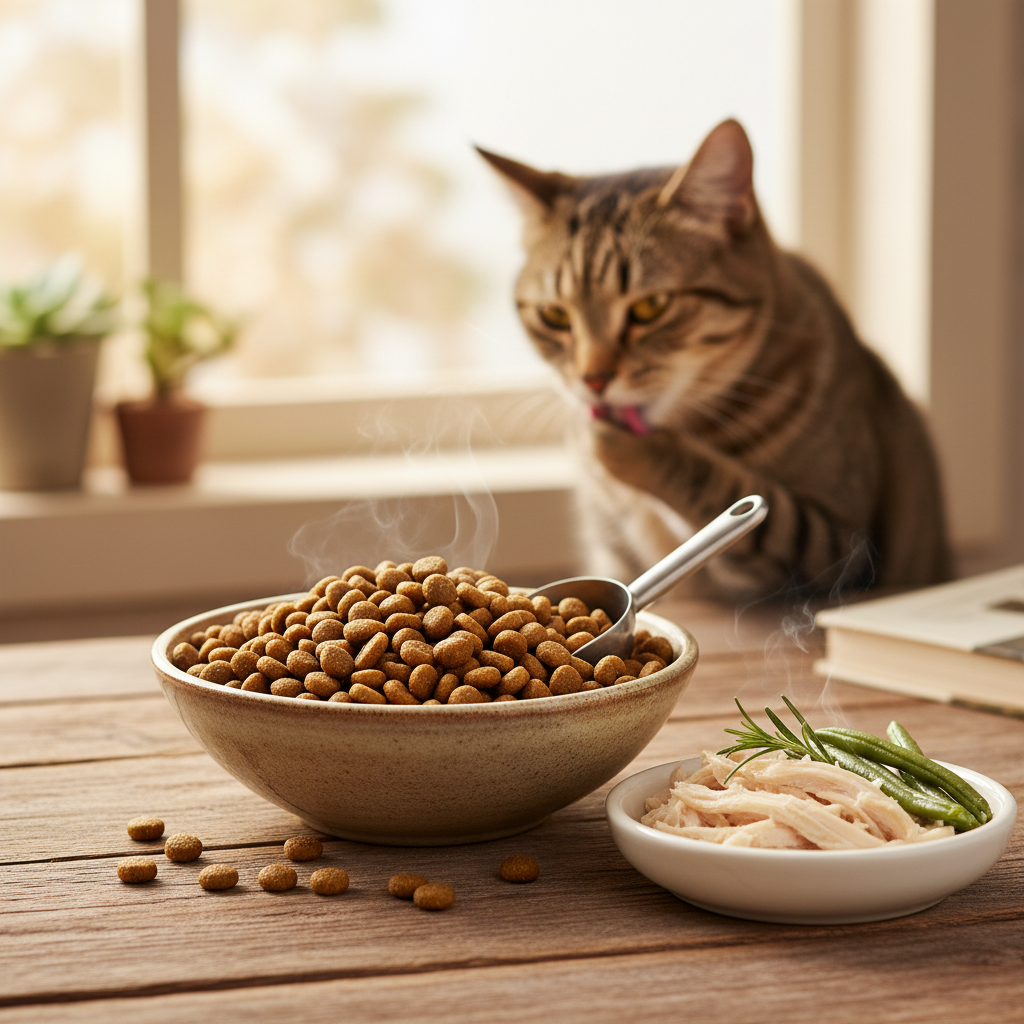

For diabetic cats, the best dry food prioritizes high protein, very low carbohydrates, and moderate fat to help manage blood sugar levels effectively. Brands like Purina Pro Plan Veterinary Diets DM Dietetic Management and Royal Canin Veterinary Diet Glycobalance are frequently recommended by veterinarians due to their specialized formulations designed to support glucose regulation. Understanding these specific nutritional needs and working closely with your vet is paramount to selecting the right diet for your feline companion, offering them the best chance at stable blood sugar and a vibrant, happy life.




Understanding Diabetic Cat Food Needs

When your beloved cat receives a diabetes diagnosis, it can feel overwhelming. However, managing feline diabetes often hinges significantly on diet. Cats are obligate carnivores, meaning their bodies are naturally designed to process a diet rich in animal protein and fat, with very minimal carbohydrates. A diabetic cat’s diet, therefore, needs to mimic this natural predisposition as closely as possible to help regulate their blood sugar. Tailoring their food to these biological needs is a cornerstone of effective diabetes management, working hand-in-hand with insulin therapy if prescribed.
High Protein Content
Protein is an absolute powerhouse for diabetic cats! It’s essential for maintaining lean muscle mass, which is crucial for metabolism and overall strength, especially in cats who might be experiencing muscle wasting due to diabetes. Unlike carbohydrates, protein doesn’t cause rapid spikes in blood sugar. Instead, it provides a steady source of energy and helps your cat feel full and satisfied, which can be a huge benefit for weight management. For a diabetic feline, a diet where protein makes up a significant portion of the caloric intake is not just recommended, it’s foundational to their well-being. Look for foods where protein is 40% or more of the dry matter content.
Very Low Carbohydrate Formula
This is perhaps the most critical dietary factor for diabetic cats. Carbohydrates, once consumed, break down into glucose (sugar) in the body, directly impacting blood sugar levels. For a diabetic cat whose body struggles to regulate glucose, a high-carbohydrate diet can be disastrous, leading to dramatic and dangerous spikes. By minimizing carbohydrate intake, we can significantly reduce the amount of glucose entering the bloodstream, making it much easier for insulin to do its job and helping to stabilize blood sugar levels. A “very low carbohydrate” formula typically means carbs make up less than 10-12% of the dry matter content. This strict limitation is vital for preventing post-meal hyperglycemia and can even lead to diabetic remission in some cases, especially if caught early.
Moderate Fat Levels
While fats often get a bad rap, they are a vital energy source for cats and can be very beneficial for diabetic felines when managed correctly. Fat provides concentrated energy without the rapid blood sugar impact of carbohydrates, contributing to satiety and overall health. However, moderation is key. Too much fat can lead to unwanted weight gain, which exacerbates insulin resistance and makes diabetes harder to control. A balanced, moderate fat level ensures your cat gets the necessary energy, supports a healthy coat and skin, and helps manage their weight effectively, supporting their overall health profile without compromising their blood sugar regulation efforts.
Top Recommended Dry Food Brands
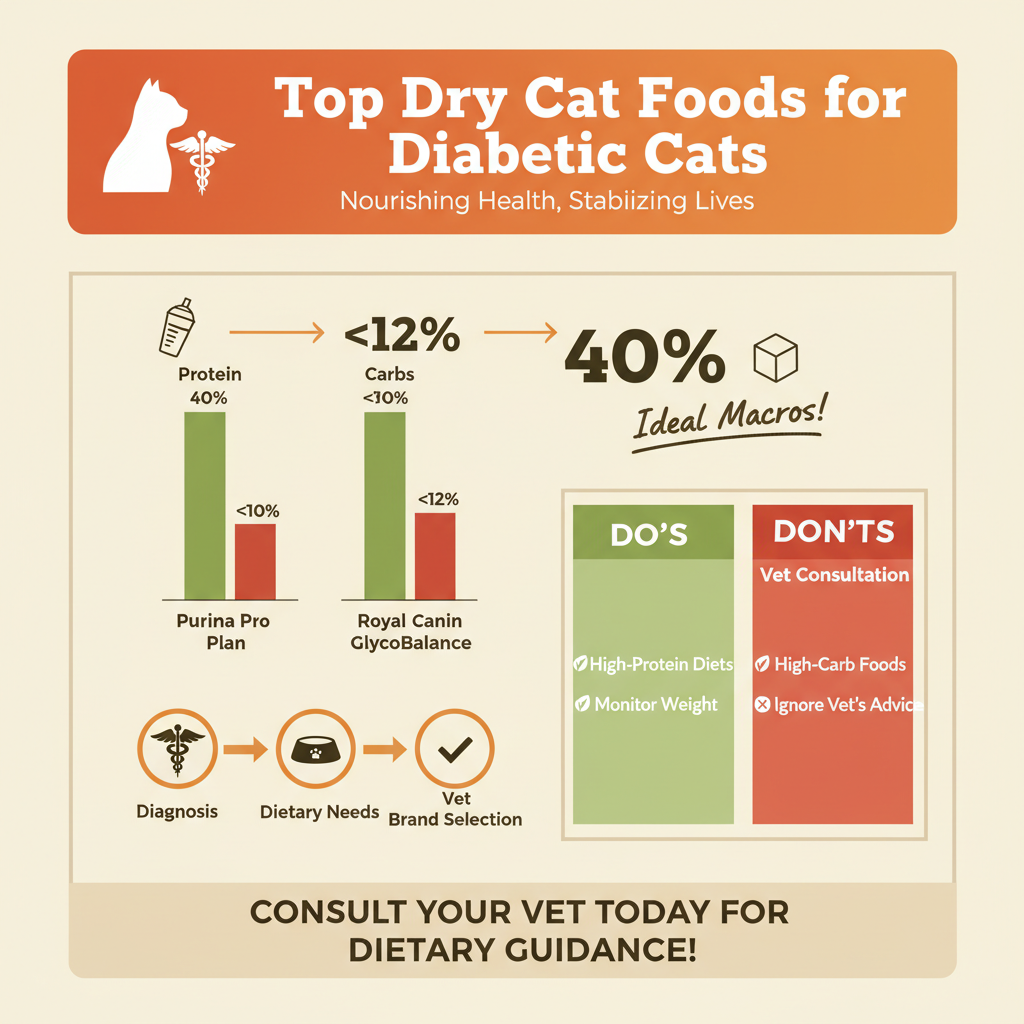

Navigating the world of specialized pet foods can be tricky, but when it comes to diabetic cats, certain brands stand out due to their veterinary-backed formulations. These aren’t just “premium” foods; they are scientifically designed dietary tools intended to work synergistically with medical treatment to help manage your cat’s diabetes.
Purina Pro Plan Veterinary Diets DM Dietetic Management Feline Formula
This formula is a true leader in veterinary nutrition for diabetic cats, and for good reason! Purina Pro Plan Veterinary Diets DM (DM stands for Dietetic Management) is specifically formulated with a very high protein content and extremely low carbohydrates. Its primary goal is to help regulate blood glucose levels by minimizing the glucose load after meals. Veterinarians frequently prescribe it because it helps to maintain lean muscle mass, supports a healthy body weight, and often improves glycemic control. Many cats on this diet show significant improvement in their blood sugar readings, making it a cornerstone of diabetic management. The precise balance of nutrients is tailored to support a diabetic cat’s unique metabolic needs, often making it easier for owners and vets to stabilize their cat’s condition.
Royal Canin Veterinary Diet Glycobalance Dry Cat Food
Another highly respected and frequently prescribed option is Royal Canin Veterinary Diet Glycobalance. As its name suggests, this food is designed to help balance glucose intake effectively. It features a targeted macronutrient profile that includes a reduced level of carbohydrates to limit post-meal blood sugar spikes, combined with appropriate protein levels to support muscle maintenance. Glycobalance also focuses on helping to manage a healthy body weight, which is incredibly important for diabetic cats as obesity can worsen insulin resistance. Royal Canin’s extensive research into feline nutrition ensures that this formula is not only effective for glucose regulation but also palatable, which is a major factor for picky eaters. Its specific blend of fibers also contributes to digestive health and can further aid in glucose stabilization.
Other Vet-Approved Options
While prescription diets like Purina DM and Royal Canin Glycobalance are the gold standard for diabetic cats, there might be specific, rare instances where a veterinarian could consider a non-prescription food. This is always done with extreme caution and under strict veterinary supervision, and typically only if the cat absolutely refuses the prescription options, or in very specific, mild cases as part of a highly individualized plan. Such non-prescription foods would still need to meet the stringent criteria of being very high in animal-based protein, extremely low in carbohydrates (often under 10% dry matter), and have moderate fat levels. Examples of qualities to look for in such cases (though a vet must approve the specific brand) would be grain-free formulas with named meat sources as the first several ingredients and an explicit guarantee of low carbohydrate content. It’s crucial to understand that these are not generally recommended as a first line of defense and should never be chosen without direct guidance and approval from your veterinarian, as their nutritional profiles are not as precisely controlled or tested for diabetic management as prescription diets.
Key Nutritional Factors & Ingredients
Understanding what goes into your cat’s food is paramount, especially for a diabetic feline. The ingredient list isn’t just a label; it’s a roadmap to their health. Knowing what to look for and what to avoid empowers you to make the best choices in collaboration with your vet.
Ingredient List Focus
When scrutinizing a dry food bag, your primary focus should be on the first few ingredients. For a diabetic cat, these must be whole meat sources. Look for named animal proteins like “chicken,” “turkey meal,” “salmon,” or “beef.” These indicate a high-quality, biologically appropriate protein source that your cat’s body is designed to utilize efficiently. Avoid products where the first ingredients are generic “meat by-products” or plant-based proteins, as these are less digestible and less beneficial for an obligate carnivore. The closer to the top of the list a named meat ingredient appears, the higher its concentration in the food, which is exactly what we want for a diabetic diet.
Carbohydrate Avoidance
This factor cannot be stressed enough. For diabetic cats, carbohydrates are the enemy. You’ll want to become a savvy label reader, identifying and avoiding common high-glycemic ingredients. These often include corn, wheat, soy, potatoes, rice, and even ingredients like peas or lentils, which, while sometimes promoted as “healthy” or “grain-free,” can still be high in starches and cause blood sugar spikes. Be wary of marketing terms like “grain-free” as they don’t automatically mean “low-carb.” Many grain-free foods replace grains with other starchy vegetables or legumes that are just as high in carbohydrates. Always check the guaranteed analysis or, if available, the “as-fed” analysis, or consult your vet for the actual carbohydrate percentage. Your goal is to find foods that explicitly state they are very low in carbohydrates, ideally below 10-12% on a dry matter basis.
Fiber Content
A balanced amount of fiber can be a helpful component in a diabetic cat’s diet, but it’s a secondary consideration to protein and carbohydrate levels. Soluble and insoluble fibers can aid digestion, promote gut health, and some types of fiber can even help slow down the absorption of sugars into the bloodstream, contributing to more stable blood glucose levels. However, too much fiber can dilute the critical protein and fat content, and certain high-fiber ingredients can themselves contribute to carbohydrate intake. Look for moderate levels of digestible fiber sources like beet pulp (in appropriate amounts), psyllium husk, or certain vegetables. The key is balance; the fiber should complement the high-protein, low-carb profile, not overshadow it.
The Role of Your Veterinarian
Your veterinarian is your most valuable partner in managing your cat’s diabetes. While online research and community forums can offer support, only your vet possesses the medical expertise and detailed knowledge of your cat’s individual health history to craft an effective treatment plan, especially when it comes to diet. Never attempt to diagnose or treat your cat’s diabetes with dietary changes alone without professional veterinary guidance.
Individualized Dietary Plans
Every diabetic cat is unique, meaning a “one-size-fits-all” approach to diet simply doesn’t apply. Your veterinarian will consider a multitude of factors when recommending a diet: your cat’s specific stage of diabetes, their current insulin dosage, any concurrent health conditions (like kidney disease or pancreatitis), their current weight, age, activity level, and even their picky preferences. They might recommend specific brands or formulations, or even guide you through calculating precise feeding amounts based on calorie needs and blood glucose monitoring results. This personalized approach is crucial for optimizing blood sugar control and ensuring your cat receives the best possible nutrition tailored to their exact needs.
Prescription Diet Necessity
You might wonder why many of the most effective diabetic cat foods are “prescription-only.” This isn’t just a marketing ploy; it’s because these diets are rigorously formulated and clinically tested to meet the specific nutritional demands of cats with conditions like diabetes. They contain precise levels of macronutrients (protein, fat, carbohydrates), vitamins, and minerals that are medically optimized for glucose regulation. These foods are not just “premium” – they are therapeutic tools. Requiring a veterinary authorization ensures that your cat is correctly diagnosed and that the diet is appropriate for their specific medical condition, preventing potential harm that could arise from an unsuitable commercial food.
Regular Monitoring
The journey of managing feline diabetes doesn’t end once the diet is chosen. Regular monitoring by your veterinarian is an indispensable part of the process. Your vet will advise on a schedule for follow-up appointments, blood glucose curves (which track blood sugar levels over several hours), fructosamine tests (which give an average blood glucose over a longer period), and routine weight checks. Based on these results, they will adjust insulin dosages, fine-tune the dietary plan, or address any emerging health concerns. Consistent communication with your vet ensures that your cat’s diabetes is managed proactively, keeping them stable and healthy for as long as possible.
Transitioning & Monitoring Your Cat’s Diet
Changing your cat’s diet, especially for a diabetic feline, requires patience and close observation. A sudden switch can lead to digestive upset, or even more critically, can impact blood sugar levels, necessitating insulin adjustments. Always consult your vet before making any changes.
Gradual Introduction
When introducing a new dry food, especially a prescription diabetic diet, slow and steady wins the race! A gradual transition over 7-10 days is typically recommended to prevent digestive upset like vomiting or diarrhea. Start by mixing a small amount of the new food (about 25%) with your cat’s old food for the first 2-3 days. If all goes well, gradually increase the proportion of the new food while decreasing the old food over the subsequent days. For example, you might move to 50% new food for another 2-3 days, then 75% for a few more days, until your cat is eating 100% of the new diet. Watch closely during this period for any signs of gastrointestinal distress or changes in appetite.
Observe Behavior and Health
This step is absolutely critical for diabetic cats during and after a diet transition. You’ll need to be extra vigilant in monitoring their overall health and behavior. Keep a close eye on their appetite – are they eating enthusiastically or refusing the new food? Monitor their energy levels; a sudden decrease or increase could be a sign of an issue. Pay attention to thirst and urination frequency, as changes in these can indicate fluctuations in blood glucose. Any signs of vomiting, diarrhea, or constipation should be reported to your veterinarian immediately. It’s often helpful to keep a daily log of these observations to share with your vet, especially since dietary changes can directly influence insulin requirements.
Weight Management
Maintaining a healthy body weight is incredibly important for diabetic cats. Obesity is a significant risk factor for developing diabetes and can make managing the condition much more challenging by contributing to insulin resistance. Regular weight checks are a must. Your veterinarian will help you determine your cat’s ideal weight and how much food they should be receiving to achieve or maintain it. You can regularly weigh your cat at home (e.g., by weighing yourself, then weighing yourself holding your cat, and subtracting the difference) or during your vet visits. A proper diabetic diet, along with appropriate portion control, plays a pivotal role in keeping your cat at a healthy weight, which in turn significantly aids in their diabetes management and overall quality of life.
Choosing the best dry food for your diabetic cat is a critical component of managing their condition and improving their quality of life. By focusing on high-protein, low-carbohydrate formulas and consistently consulting with your veterinarian, you can provide the tailored nutrition needed to stabilize blood sugar and maintain overall health. Remember, this journey is a partnership between you and your vet, working together to keep your feline friend purring happily and healthily. Don’t hesitate to schedule an appointment with your vet today to discuss the ideal dietary plan and explore the prescription options best suited for your beloved feline friend.
Frequently Asked Questions
Which dry cat food is considered best for diabetic cats?
The best dry cat food for diabetic cats is typically a prescription veterinary diet specifically formulated for diabetes management. These specialized foods, like Purina Pro Plan DM, Royal Canin GlycoBalance, or Hill’s m/d, are designed with very low carbohydrate content and high protein to help regulate blood glucose levels. Always consult your veterinarian to determine the most appropriate prescription dry food for your cat’s individual needs and health status.
What key nutritional factors should I look for in dry food for a diabetic cat?
When selecting dry food for a diabetic cat, prioritize a formula that is very low in carbohydrates (ideally under 10% on a dry matter basis) and high in animal-based protein. Look for ingredients like real meat sources (chicken, turkey, fish) as the first few ingredients, avoiding excessive plant-based fillers or grains. This nutritional profile helps stabilize blood sugar and supports lean muscle mass in diabetic felines.
Why is a low-carbohydrate, high-protein dry diet crucial for managing feline diabetes?
A low-carbohydrate, high-protein dry diet is crucial because cats are obligate carnivores whose bodies are not efficiently designed to process high levels of carbohydrates, which can spike blood sugar. Reducing dietary carbohydrates helps minimize glucose fluctuations, making insulin regulation more effective and potentially even leading to diabetic remission in some cases. The high protein content supports muscle maintenance and overall satiety, which is vital for overweight diabetic cats.
Can all diabetic cats eat dry food, or is wet food always preferred?
While wet food is often preferred for diabetic cats due to its inherently lower carbohydrate content and higher moisture, some diabetic cats can successfully manage their condition on an appropriate prescription dry food. The choice depends on the individual cat’s preferences, dental health, and the owner’s ability to monitor blood glucose. However, it’s critical that any dry food for a diabetic cat is specifically formulated to be low-carb and high-protein, approved by a veterinarian.
How do prescription dry diets for diabetic cats differ from over-the-counter options?
Prescription dry diets for diabetic cats significantly differ from most over-the-counter (OTC) options primarily in their macronutrient composition and strict quality control. Veterinary diets are specifically formulated with much lower carbohydrate levels and higher protein, often utilizing specific fiber types to aid glucose control, a balance rarely found in general OTC cat foods. These specialized formulas undergo rigorous testing to ensure they meet the precise nutritional needs required for managing feline diabetes effectively under veterinary guidance.
References
- https://www.vet.cornell.edu/departments-centers-and-institutes/cornell-feline-health-center/health-information/periodical-articles/cat-watch-newsletter/diabetes-mellitus-cats
- https://vetmed.tufts.edu/clinical-nutrition-service/pet-nutrition-resources/diabetes/
- https://www.vetmed.ucdavis.edu/hospital/small-animal/nutrition/dietary-management-diabetes
- https://vetmed.wsu.edu/outreach/pet-health-topics/categories/diseases/diabetes-in-cats/
- https://vet.osu.edu/vmc/companion/our-services/internal-medicine/feline-diabetes
- https://www.acvim.org/blog/acvim-consensus-statement-on-feline-diabetes/
- https://en.wikipedia.org/wiki/Feline_diabetes_mellitus