

For individuals managing heart health and diabetes, extra virgin olive oil and avocado oil are consistently recommended as some of the best choices due to their high content of beneficial monounsaturated fats. While there isn’t a single “magic” oil, prioritizing unrefined oils rich in monounsaturated (MUFA) and polyunsaturated (PUFA) fats, while minimizing saturated and trans fats, is key. This guide will help you navigate the options to make informed decisions for your dietary well-being, empowering you to cook deliciously and healthily.




Why Your Cooking Oil Choice Matters for Heart & Diabetes

The oil you choose isn’t just a flavor enhancer or a cooking medium; it’s a powerful ingredient that can profoundly impact your cardiovascular system and how your body manages blood sugar. Making informed choices here can be a cornerstone of managing both heart disease and diabetes effectively.
* Impact on Cholesterol: Different fats have a distinct impact on your cholesterol profile, which directly relates to your risk of heart disease. Saturated and, especially, trans fats are notorious for raising your “bad” low-density lipoprotein (LDL) cholesterol, which contributes to plaque buildup in your arteries. Conversely, healthy monounsaturated and polyunsaturated fats, found in many beneficial oils, work to lower LDL cholesterol while helping to increase “good” high-density lipoprotein (HDL) cholesterol, which helps remove excess cholesterol from your body. A better balance of these cholesterol types significantly reduces your cardiovascular risk.
* Insulin Sensitivity & Blood Sugar: For anyone managing diabetes, insulin sensitivity is a critical factor. Insulin is the hormone responsible for allowing sugar (glucose) from your bloodstream into your cells for energy. Certain fats, particularly saturated fats, can contribute to insulin resistance, making your cells less responsive to insulin and leading to higher blood sugar levels. On the other hand, a diet rich in healthy fats, particularly MUFAs and PUFAs, has been shown to improve insulin sensitivity, helping your body utilize glucose more efficiently and stabilize blood sugar.
* Inflammation Reduction: Chronic, low-grade inflammation is a silent but significant contributor to the development and progression of both heart disease and diabetes complications. Healthy oils contain a wealth of compounds, like antioxidants and specific fatty acids, that possess anti-inflammatory properties. By regularly incorporating these oils into your diet, you can help reduce systemic inflammation, protecting your blood vessels and organs from damage and fostering a healthier internal environment.
Top Heart-Healthy & Diabetes-Friendly Cooking Oils
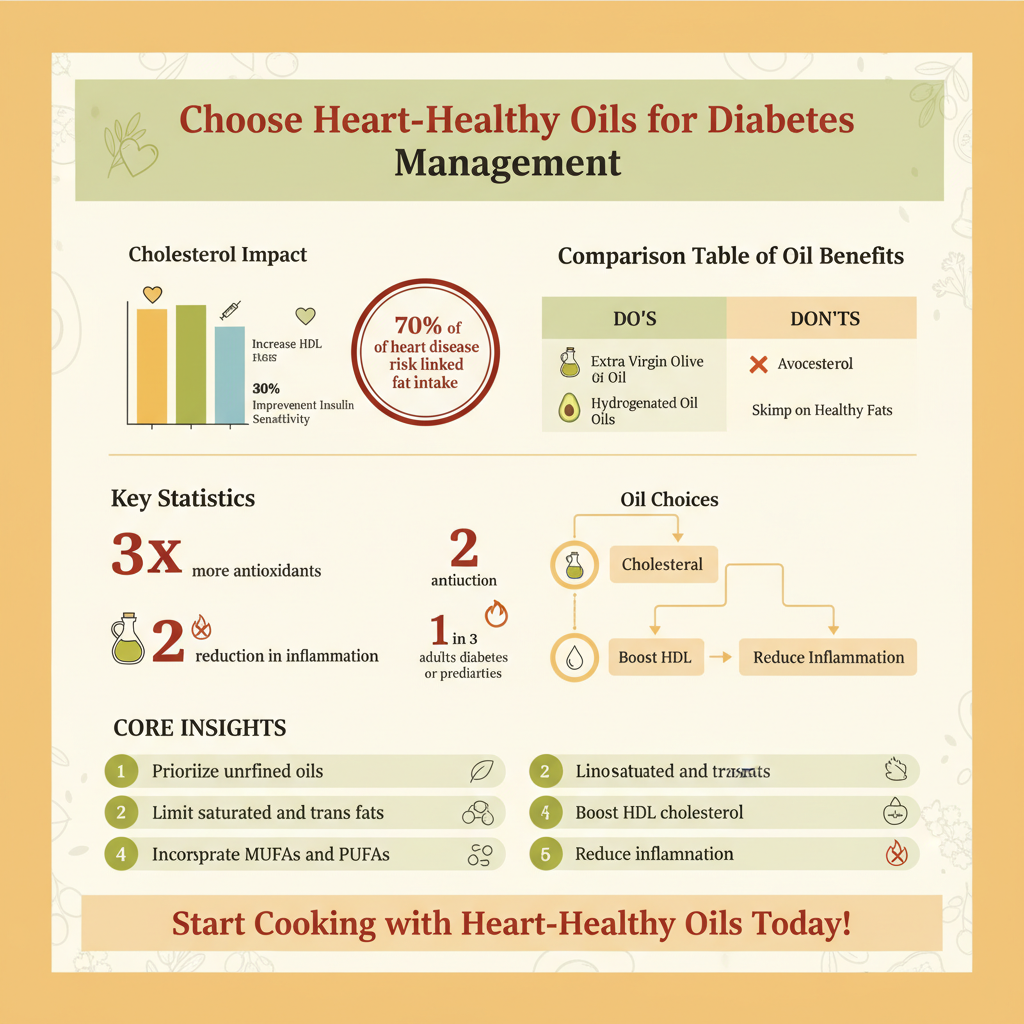

When you’re aiming for optimal health, certain oils truly stand out. These are your go-to options for everyday cooking, offering a fantastic balance of health benefits and versatility.
* Extra Virgin Olive Oil (EVOO): This superstar oil is a cornerstone of the Mediterranean diet, renowned for its incredible health benefits. EVOO is exceptionally rich in monounsaturated fats, particularly oleic acid, which is known for its positive effects on heart health, including its ability to lower LDL cholesterol. But EVOO offers more than just healthy fats; it’s packed with powerful antioxidants called polyphenols. These compounds are responsible for many of EVOO’s anti-inflammatory and protective qualities. Thanks to its distinct, sometimes peppery, flavor, EVOO is fantastic for dressings, drizzling over finished dishes, and sautéing at moderate heat (around 375°F or 190°C). Remember, “extra virgin” means it’s minimally processed, retaining its maximum nutritional value and robust flavor.
* Avocado Oil: If you’re looking for an oil that can handle the heat, avocado oil is your champion! It boasts an impressive smoke point of up to 520°F (270°C), making it incredibly versatile for high-heat cooking methods like roasting, grilling, and even deep frying (though moderation is always key with frying). Like olive oil, avocado oil is abundant in monounsaturated fats, contributing to its heart-healthy profile. It also contains Vitamin E, an antioxidant. What’s more, it has a wonderfully neutral flavor, so it won’t overpower the taste of your food, making it an excellent all-rounder for nearly any culinary application.
* Canola Oil: Often overlooked, canola oil is a practical and healthy choice for a wide range of cooking needs. It’s unique among common cooking oils for its excellent ratio of omega-3 to omega-6 fatty acids, providing a good source of alpha-linolenic acid (ALA), an essential omega-3 fatty acid. Canola oil is also notably low in saturated fat and has a high smoke point (around 400°F or 204°C), making it suitable for baking, sautéing, and stir-frying. Its neutral flavor ensures it won’t interfere with the taste of your dishes, offering a versatile and budget-friendly option for your kitchen. When choosing canola oil, look for expeller-pressed or organic varieties if you prefer less processed options.
Oils to Limit or Avoid for Better Health

Just as there are oils to embrace, there are some that are best kept to a minimum or avoided entirely if you’re focused on heart health and diabetes management. These oils can counteract your efforts toward a healthier diet.
* High Saturated Fat Oils: While not all saturated fats are created equal, and some can be part of a balanced diet in very small amounts, oils like coconut oil and palm oil are particularly high in saturated fats. When consumed in excess, these types of saturated fats have been shown to significantly raise LDL (“bad”) cholesterol levels, increasing your risk for heart disease. While they might have appealing marketing, for those managing heart health and diabetes, it’s wise to limit their use and certainly not make them your primary cooking oils. Focus instead on oils rich in MUFAs and PUFAs.
* Partially Hydrogenated Oils (Trans Fats): These are the absolute villains of the fat world and should be avoided entirely. Partially hydrogenated oils are created through an industrial process that adds hydrogen to liquid vegetable oils, making them more solid and extending shelf life. However, this process creates artificial trans fats, which are profoundly detrimental to heart health. They not only raise LDL cholesterol but also lower HDL (“good”) cholesterol, a double whammy for your cardiovascular system. You’ll find them in some processed foods like baked goods, snack foods, fried restaurant items, and certain margarines. Always read food labels carefully and avoid anything that lists “partially hydrogenated oil” in the ingredients.
* Highly Processed Vegetable Oils: While many vegetable oils offer health benefits, some are subjected to extensive refining, bleaching, and deodorizing processes that can strip away beneficial nutrients and antioxidants. Oils like some forms of corn oil, soybean oil, and cottonseed oil can fall into this category when highly processed. These often have a very high ratio of omega-6 to omega-3 fatty acids, and an imbalance favoring omega-6s can potentially contribute to inflammation in the body. While specific expeller-pressed or cold-pressed versions of these oils might be better, for general cooking, it’s safer to stick to less processed options like EVOO and avocado oil, where the beneficial compounds are preserved.
Understanding Different Types of Fats in Oils
To make truly informed decisions, it helps to understand the fundamental building blocks of fats: the different types of fatty acids. Each plays a distinct role in your body’s health.
* Monounsaturated Fats (MUFAs): These are your allies! Found in abundance in olive oil, avocado oil, and many nuts and seeds, MUFAs are considered incredibly beneficial for heart health. They work to lower LDL (“bad”) cholesterol levels while potentially raising HDL (“good”) cholesterol, thus improving your overall cholesterol profile. Beyond that, research suggests that MUFAs can play a positive role in improving insulin sensitivity, which is a key benefit for individuals managing diabetes. They are stable fats, making them good for cooking.
* Polyunsaturated Fats (PUFAs): These fats are essential, meaning your body can’t produce them, so you must get them from your diet. PUFAs include the well-known Omega-3 and Omega-6 fatty acids.
* Omega-3s: Found in flaxseed oil, chia seeds, walnuts, and fatty fish, Omega-3s (like ALA, EPA, and DHA) are vital for brain function, eye health, and have potent anti-inflammatory properties that protect against heart disease and support overall well-being.
* Omega-6s: Present in oils like sunflower, safflower, and corn oil, Omega-6s are also essential. However, the modern Western diet often has an imbalance, with a far greater intake of Omega-6s compared to Omega-3s. While necessary, too much Omega-6 without enough Omega-3 can potentially promote inflammation. The key is balance, so look for sources with a good Omega-3 to Omega-6 ratio or increase your Omega-3 intake.
* Saturated Fats: Primarily found in animal products (like butter, red meat fat) and certain tropical oils (coconut oil, palm oil), saturated fats are solid at room temperature. While once universally demonized, current research suggests that their impact on health is more nuanced. However, for individuals with existing heart health concerns or diabetes, excessive intake of saturated fats is still strongly advised against, as it can raise LDL cholesterol levels and contribute to insulin resistance. The recommendation remains to limit them and choose unsaturated fats as your primary dietary fats.
Choosing the Right Oil for Your Cooking Needs
It’s not just about picking a healthy oil, but also about using it correctly. Matching the oil to your cooking method ensures you get the most health benefits and best flavor.
* Consider Smoke Point: The smoke point is the temperature at which an oil begins to smoke and break down. When an oil reaches its smoke point, it starts to degrade, losing beneficial nutrients and potentially forming harmful compounds and free radicals.
* High-heat cooking (roasting, frying, grilling): Opt for oils with a high smoke point, like avocado oil (up to 520°F/270°C) or refined olive oil (around 400°F/204°C). Canola oil is also a good choice.
* Medium-heat cooking (sautéing, baking): Extra virgin olive oil (around 375°F/190°C) works well here.
* No-heat cooking (dressings, finishing): Oils with lower smoke points, like extra virgin olive oil or flaxseed oil, are perfect as they retain their full flavor and nutritional integrity.
* Storage Matters: Even the healthiest oils can go bad if not stored properly. Exposure to heat, light, and air can cause oils to oxidize and become rancid, degrading their beneficial compounds and potentially creating harmful ones.
* Keep it cool and dark: Store oils in a cool, dark pantry or cupboard, away from direct sunlight and heat sources like your stove.
* Use dark bottles: Many quality oils come in dark glass bottles for a reason – they help protect the oil from light.
* Seal tightly: Always ensure the cap is tightly sealed after each use to minimize exposure to air.
* Check expiration dates: Pay attention to expiration dates, and if an oil smells or tastes “off” (metallic, bitter, or crayon-like), it’s likely rancid and should be discarded.
* Variety is Key: Just as you wouldn’t eat the same vegetable every day, incorporating a range of healthy oils ensures you get a broader spectrum of nutrients, antioxidants, and different fatty acid profiles. Use extra virgin olive oil for your salads and dips, avocado oil for your stir-fries and roasted vegetables, and maybe a drizzle of flaxseed oil in your morning smoothie (note: flaxseed oil has a very low smoke point and is not for cooking). This approach maximizes your nutritional intake and adds diverse flavors to your meals.
Beyond Oils: A Holistic Approach to Diet
While choosing the right cooking oil is a fantastic step, remember it’s just one piece of a much larger, more delicious puzzle. Your overall dietary pattern and lifestyle choices are equally crucial for managing heart health and diabetes.
* Overall Dietary Pattern: Think of your diet as a symphony, where each instrument (food group) plays a role. Healthy oils are important, but they work best within a framework of a balanced diet rich in whole, unprocessed foods. This means prioritizing plenty of fruits and vegetables, whole grains (like oats, quinoa, brown rice), lean proteins (fish, poultry, legumes), and healthy dairy options. Adopting a dietary pattern like the Mediterranean diet, which naturally emphasizes healthy fats alongside these whole foods, is often highly recommended for both heart health and diabetes management. It’s about building a plate that nourishes your body from all angles.
* Portion Control: Even the healthiest foods, including healthy oils, are calorie-dense. A little goes a long way! While these fats are incredibly beneficial, consuming them in excess can lead to an unwanted calorie surplus, which can contribute to weight gain. Managing a healthy weight is absolutely critical for both heart health and diabetes, as excess weight can worsen insulin resistance and put added strain on your cardiovascular system. Practice mindful portion control – measure your oils, use sprays, or simply be conscious of how much you’re adding to your meals.
* Lifestyle Factors: Your health journey extends beyond just what’s on your plate. A holistic approach includes integrating other vital lifestyle factors. Regular physical activity, even moderate exercise like daily walking, significantly improves insulin sensitivity and strengthens your heart. Effective stress management techniques, whether it’s meditation, yoga, or spending time in nature, can help regulate blood sugar and reduce cardiovascular risk. And never underestimate the power of adequate, quality sleep; it plays a critical role in hormonal balance, including those that influence blood sugar and appetite. When combined with smart dietary choices, these lifestyle habits create a powerful synergy for comprehensive health benefits.
Choosing the right cooking oils, primarily extra virgin olive oil and avocado oil, can significantly support heart health and diabetes management by favoring beneficial fats and reducing harmful ones. By understanding the types of fats, considering cooking applications, and integrating these choices into an overall balanced diet, you empower yourself to make better everyday decisions for long-term well-being. Remember to pair these smart oil choices with a rich tapestry of whole foods, regular physical activity, stress management, and good sleep. Always consult with a healthcare professional or registered dietitian for personalized dietary advice tailored to your specific health needs.
Frequently Asked Questions
Which cooking oils are highly recommended for individuals focused on heart health and diabetes management?
For optimal heart health and diabetes management, prioritize oils rich in monounsaturated and polyunsaturated fats, such as extra virgin olive oil, avocado oil, and canola oil. These “best cooking oils for heart and diabetes” help improve cholesterol profiles and can contribute to better blood sugar regulation. Walnut oil and flaxseed oil are also excellent choices, particularly for cold applications like dressings.
Why are monounsaturated and polyunsaturated fats in cooking oils beneficial for heart and diabetes patients?
Monounsaturated fats (MUFAs) and polyunsaturated fats (PUFAs) are crucial for heart health as they help lower LDL (“bad”) cholesterol and raise HDL (“good”) cholesterol. For diabetes, these healthy fats can improve insulin sensitivity and help regulate blood sugar levels, making them vital components of a “diabetes-friendly cooking oil” selection. Regularly incorporating these fats into your diet can significantly reduce cardiovascular risk.
How does choosing the right cooking oil impact blood sugar control and cholesterol levels for people with diabetes?
Selecting “healthy cooking oils for diabetes” rich in MUFAs and PUFAs can positively influence blood sugar control by improving insulin sensitivity and slowing glucose absorption. These oils also play a significant role in managing cholesterol, specifically by lowering LDL cholesterol, which is crucial for preventing heart disease – a common comorbidity with diabetes. Conversely, oils high in saturated or trans fats can worsen both conditions.
What key factors should I consider when selecting a heart-healthy cooking oil that’s also suitable for diabetes?
When choosing “cooking oils for heart and diabetes,” prioritize those low in saturated fat and free from trans fats. Look for oils high in monounsaturated and polyunsaturated fats (MUFAs and PUFAs), and consider their smoke point for your intended cooking method. Additionally, opt for oils that are minimally processed, such as cold-pressed or unrefined varieties, to retain more beneficial nutrients.
Is extra virgin olive oil truly the best choice for all types of cooking when managing heart and diabetes?
Extra virgin olive oil (EVOO) is indeed an excellent “heart-healthy cooking oil” and highly recommended for diabetes due to its high monounsaturated fat content and antioxidants. While perfect for sautéing, baking, and salad dressings, its lower smoke point means it’s best avoided for very high-heat deep frying. For higher temperature cooking, avocado oil or refined olive oil might be more suitable alternatives to maintain its health benefits.
References
- Healthy Cooking Oils | American Heart Association
- https://www.diabetes.org/healthy-living/recipes-nutrition/eating-well/fats-oils
- https://www.health.harvard.edu/staying-healthy/the-truth-about-fats-the-good-the-bad-and-the-in-between
- https://www.health.harvard.edu/staying-healthy/cooking-oils-which-to-choose
- https://www.mayoclinic.org/healthy-lifestyle/nutrition-and-healthy-eating/in-depth/healthy-cooking-oils/art-20044485
- https://my.clevelandclinic.org/health/articles/16912-fat-and-cooking-oils
- Cooking oil