

For individuals managing diabetes, the ‘best’ butter strategy isn’t about finding a magic brand, but rather a combination of strict moderation, choosing unsalted varieties, and exploring healthier alternatives to protect heart health and manage blood pressure. While pure butter itself won’t directly spike blood sugar, its high saturated fat content can significantly impact cardiovascular health, a primary concern for many with diabetes. This guide will help you navigate your options, empower you to make informed decisions, and find ways to enjoy flavor without compromising your health goals.




Understanding Butter’s Impact on Diabetes Management

When you’re managing diabetes, every food choice contributes to your overall health picture. Butter, while a staple in many kitchens, warrants a closer look due to its nutritional profile, particularly concerning its fat and sodium content. It’s not just about blood sugar; it’s about holistic health, especially protecting your heart.
* Saturated Fat Concerns: Butter is notoriously high in saturated fat. Why does this matter for someone with diabetes? Saturated fat can elevate your levels of low-density lipoprotein (LDL) cholesterol, often referred to as “bad” cholesterol. High LDL cholesterol is a significant risk factor for heart disease and stroke. Individuals with diabetes already face a heightened risk of cardiovascular complications, so managing saturated fat intake becomes even more critical. Think of it as a proactive step to safeguard your long-term heart health. We’re aiming to keep those arteries happy and clear!
* Sodium Content: Many conventional butters come with added salt, and while a little flavor is nice, excessive sodium intake can be problematic. High sodium levels contribute to high blood pressure (hypertension), which is another common comorbidity with diabetes. High blood pressure further stresses your heart and blood vessels, increasing the risk of heart disease, kidney problems, and stroke. Opting for unsalted butter gives you the power to control your sodium intake, seasoning your food precisely to your taste and health needs. It’s a small change that can make a big difference in managing your blood pressure.
* Minimal Carbohydrates: Here’s a piece of good news: pure butter contains negligible carbohydrates and sugars. This means that, unlike sugary foods or refined grains, butter itself won’t directly cause a spike in your blood sugar levels. So, from a carb-counting perspective, a small amount of butter typically won’t impact your glycemic control. However, this doesn’t give us a free pass to overindulge, as the saturated fat and calorie density still play a significant role in overall health and weight management, which are vital aspects of diabetes care.
Key Factors When Choosing Butter
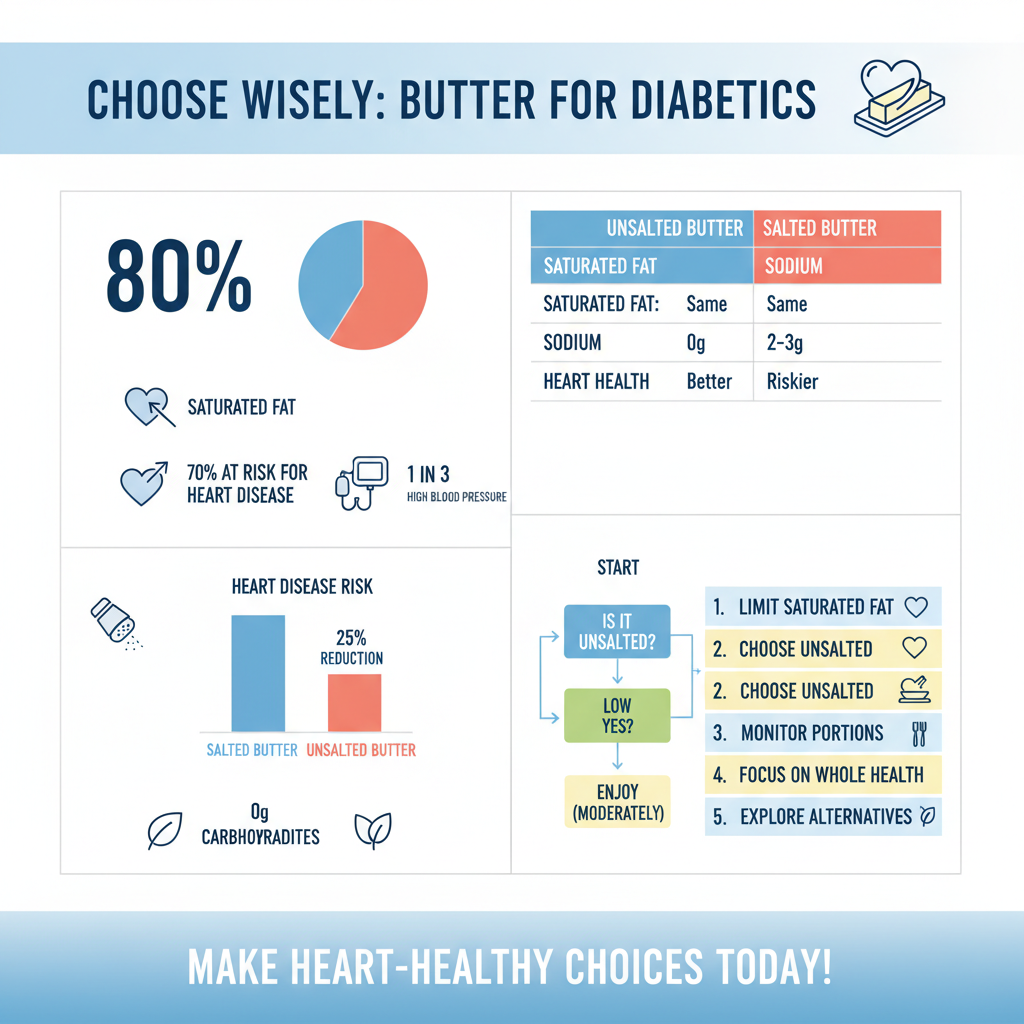

Even within the world of butter, there are better choices to be made. It’s about being mindful and making selections that align with your diabetes management strategy.
* Opt for Unsalted Butter: This is perhaps the simplest yet most impactful choice you can make. By choosing unsalted butter, you gain complete control over the sodium content of your meals. Many recipes call for butter, and by using the unsalted variety, you can then add salt to taste, ensuring you stay within your recommended daily sodium limits. This is absolutely crucial for blood pressure management, a cornerstone of diabetes care. It gives you flexibility and peace of mind, knowing you’re not inadvertently adding extra sodium.
* Prioritize Moderation: This cannot be stressed enough. Even if you choose the “best” butter option, its high calorie and fat density mean that portion control is paramount. A little goes a long way when it comes to butter. Think of it as a flavor enhancer rather than a primary fat source. A small dab on your whole-grain toast or a tiny amount to sauté vegetables can add wonderful richness without overdoing it. Moderation isn’t about deprivation; it’s about smart enjoyment.
* Consider Grass-Fed Butter: While still high in saturated fat (it’s still butter, after all!), grass-fed butter has gained popularity for some potentially beneficial qualities. Cows that primarily graze on grass tend to produce milk with a slightly different fatty acid profile. Some studies suggest grass-fed butter may contain higher levels of beneficial omega-3 fatty acids and conjugated linoleic acid (CLA). Omega-3s are known for their anti-inflammatory properties and heart health benefits, while CLA is thought to have some metabolic advantages. However, it’s important to note that the absolute amounts of these beneficial compounds in butter are still relatively small compared to other sources like fatty fish or certain oils, and the evidence for a significant direct health impact specifically for diabetics is still ongoing and not definitive. If you choose grass-fed butter, remember that moderation remains the golden rule due to its saturated fat content.
Healthier Butter Alternatives

Sometimes, the best butter is not butter at all! Exploring alternatives can significantly reduce your intake of saturated fat and sodium while still providing delicious flavor and texture.
* Plant-Based Spreads: The market for plant-based spreads has exploded, offering fantastic options made from healthier fats. Look for spreads where the primary ingredients are olive oil, avocado oil, or other monounsaturated and polyunsaturated fats. These fats are known for their heart-healthy benefits, including helping to lower LDL cholesterol. Crucially, always check the nutrition label to ensure they are free from trans fats (often listed as “partially hydrogenated oils,” which should be avoided entirely) and low in saturated fat. Many brands now offer spreads specifically designed to be heart-healthy and low in saturated fat, making them an excellent choice for spreading on toast or using in light cooking.
* Healthy Cooking Oils: For cooking, sautéing, or dressing, healthy oils are your best friends. Olive oil, particularly extra virgin olive oil, is rich in monounsaturated fats and antioxidants, offering substantial heart-protective benefits. Avocado oil is another excellent choice, with a high smoke point and a neutral flavor, making it versatile for various cooking methods. Canola oil, while often debated, is generally low in saturated fat and high in monounsaturated fats, making it a reasonable option when chosen carefully. These oils provide essential healthy fats without the saturated fat load of butter, making them ideal for everything from stir-fries to roasted vegetables.
* Nut Butters (Unsweetened): If you’re looking for a flavorful spread that offers healthy fats and a protein boost, natural, unsweetened nut butters can be a wonderful choice. Almond butter, peanut butter, or cashew butter (ensure they list only nuts and maybe a touch of salt as ingredients) provide monounsaturated and polyunsaturated fats, fiber, and protein, which can help with satiety and blood sugar stability. Always opt for unsweetened versions to avoid hidden sugars. Just like with butter, portion control is key here, as nut butters are calorie-dense. A tablespoon or two can be a satisfying addition to your breakfast or snack.
The Importance of Portion Control and Overall Diet
Even with the best choices and alternatives, how you integrate fats into your broader diet is what truly matters for diabetes management and heart health.
* Small Servings: This is a fundamental principle for managing any calorie-dense food, and butter is no exception. Instead of viewing butter as a primary fat source, think of it as a seasoning or a finishing touch. Aim for very small portions – a half-teaspoon or a one-teaspoon portion is often more than enough to impart flavor to your dish without adding excessive saturated fat and calories. Learning to measure these small amounts, perhaps with measuring spoons, can help you get a better sense of appropriate serving sizes. It’s about enjoying the taste responsibly.
* Balanced Meal Planning: Butter and healthy fats should fit within a comprehensive and balanced diabetic meal plan. This means emphasizing whole foods, such as plenty of non-starchy vegetables, whole grains, lean proteins (like fish, poultry, beans, and lentils), and fruits. These foods provide essential nutrients, fiber, and help manage blood sugar levels. When you build your meals around these healthy staples, the small amount of butter or healthy oil you use becomes just one component of a nutrient-rich plate, rather than a significant contributor to unhealthy fats.
* Fat Intake Goals: Be mindful of your overall daily fat intake. The goal for individuals with diabetes, particularly concerning heart health, is to ensure that the majority of your fats come from unsaturated sources. Think about healthy fats found naturally in nuts, seeds, avocados, and fatty fish like salmon or mackerel. These are the fats that actively support your cardiovascular system and help manage inflammation. By making these sources your go-to for fats, you naturally limit your intake of saturated fats from butter and other animal products, aligning with recommendations for optimal diabetes and heart health.
Decoding Nutrition Labels for Better Choices
Your best tool for making smart food choices is the nutrition label. Learning to read and understand it empowers you to choose products that support your health goals.
* Check Saturated Fat: When comparing butter or butter alternatives, this is one of the first things you should look at. Focus on the grams of saturated fat per serving. Your aim should be to choose products with lower amounts. For butter, this will likely still be higher than other spreads, which reinforces the need for portion control. For alternatives, look for options that have significantly less saturated fat, ideally less than 2-3 grams per serving, or even better, 0 grams of saturated fat. This direct comparison helps you choose the heart-healthier option.
* Monitor Sodium Content: As we discussed, sodium is a big deal for blood pressure. Always compare the sodium levels across different brands of butter or spreads. If you’re not buying unsalted butter, choose the option with the lowest milligrams of sodium per serving. Remember, even a seemingly small amount can add up quickly throughout the day. A low-sodium product will typically have less than 140 mg of sodium per serving, but for butter, you might aim for even lower if you’re sensitive or managing hypertension closely.
* Beware of Trans Fats: This is a critical point. Trans fats are industrially produced fats known to significantly raise LDL (“bad”) cholesterol and lower HDL (“good”) cholesterol, increasing your risk of heart disease. Always check the ingredient list for “partially hydrogenated oils” or “hydrogenated vegetable oil.” These are indicators of trans fats. Even if the nutrition label states “0g trans fat,” regulations allow products to claim this if they contain less than 0.5 grams per serving. Therefore, it’s essential to look at the ingredients. For individuals with diabetes, trans fats should be avoided entirely. Fortunately, many manufacturers have phased them out, but it’s always wise to double-check.
In summary, the ‘best’ approach to butter for individuals managing diabetes involves conscious choices: opt for unsalted varieties to control sodium, consider healthier alternatives made with beneficial fats, and above all, practice strict moderation. By understanding nutrition labels and incorporating these fats judiciously into a balanced diet rich in whole foods, lean proteins, and plenty of fiber, you can enjoy flavor without compromising your heart health or blood sugar goals. Always consult with your healthcare provider or a registered dietitian for personalized dietary advice tailored to your specific health needs and to ensure your choices align with your individual medical history.
Frequently Asked Questions
Is butter safe for diabetics, or should it be avoided completely?
Diabetics don’t necessarily need to avoid butter entirely, but moderation and wise choices are key for managing blood sugar and heart health. While butter contains saturated fat, which can impact cholesterol levels (a common concern for diabetics), it can be part of a balanced diet when consumed in small amounts. The focus should be on overall dietary fat intake and prioritizing healthier fats.
What type of butter is generally considered the best choice for diabetics trying to manage blood sugar and heart health?
For diabetics, unsalted butter is often recommended to help manage blood pressure, another common concern alongside diabetes. While there isn’t one “best butter” type that drastically impacts blood sugar, choosing grass-fed butter might offer a slightly better fatty acid profile. Ultimately, portion control and the context of your overall diet are far more critical than the specific brand or type of butter.
How can diabetics enjoy butter in their diet without negatively impacting their blood sugar or cholesterol levels?
Diabetics can enjoy butter by practicing strict portion control, using it sparingly to add flavor rather than as a primary fat source. It’s best to pair butter with fiber-rich foods like vegetables or whole grains, which can help mitigate any potential negative impact on blood sugar. Additionally, balance your diet by prioritizing lean proteins and healthy unsaturated fats from sources like olive oil and avocados in other meals.
Are there healthier butter alternatives or spreads that are more suitable for diabetics?
Yes, several healthier butter alternatives can be more suitable for diabetics. Plant-based spreads made from olive oil or avocado oil are often recommended as they are rich in monounsaturated and polyunsaturated fats, which are beneficial for heart health. Ghee, a clarified butter, has less lactose but still contains saturated fat, so it should also be used in moderation.
Why is saturated fat in butter a concern for people with diabetes, and how much is too much?
Saturated fat in butter is a concern for diabetics because it can raise LDL (“bad”) cholesterol levels, increasing the risk of heart disease, which is already elevated in individuals with diabetes. While specific limits vary, general dietary guidelines suggest limiting saturated fat intake to less than 10% of total daily calories, and ideally closer to 5-6% for those with heart disease risk factors. Diabetics should consult their doctor or a registered dietitian for personalized recommendations on saturated fat intake.
References
- What is Fat | ADA
- https://www.cdc.gov/diabetes/managing/eat-well/what-to-eat.html
- Healthy Living with Diabetes – NIDDK
- Diabetes diet: Create your healthy-eating plan – Mayo Clinic
- https://www.health.harvard.edu/blog/what-to-eat-to-avoid-diabetes-and-its-complications-2019121918512
- https://www.ucsfhealth.org/education/eating-well-with-diabetes
- https://my.clevelandclinic.org/health/articles/11252-diabetes-and-diet-faqs
- https://www.bbc.com/future/article/20210202-why-we-need-to-rethink-how-we-eat-fat-to-beat-diabetes
- https://medlineplus.gov/diabetesanddiet.html