

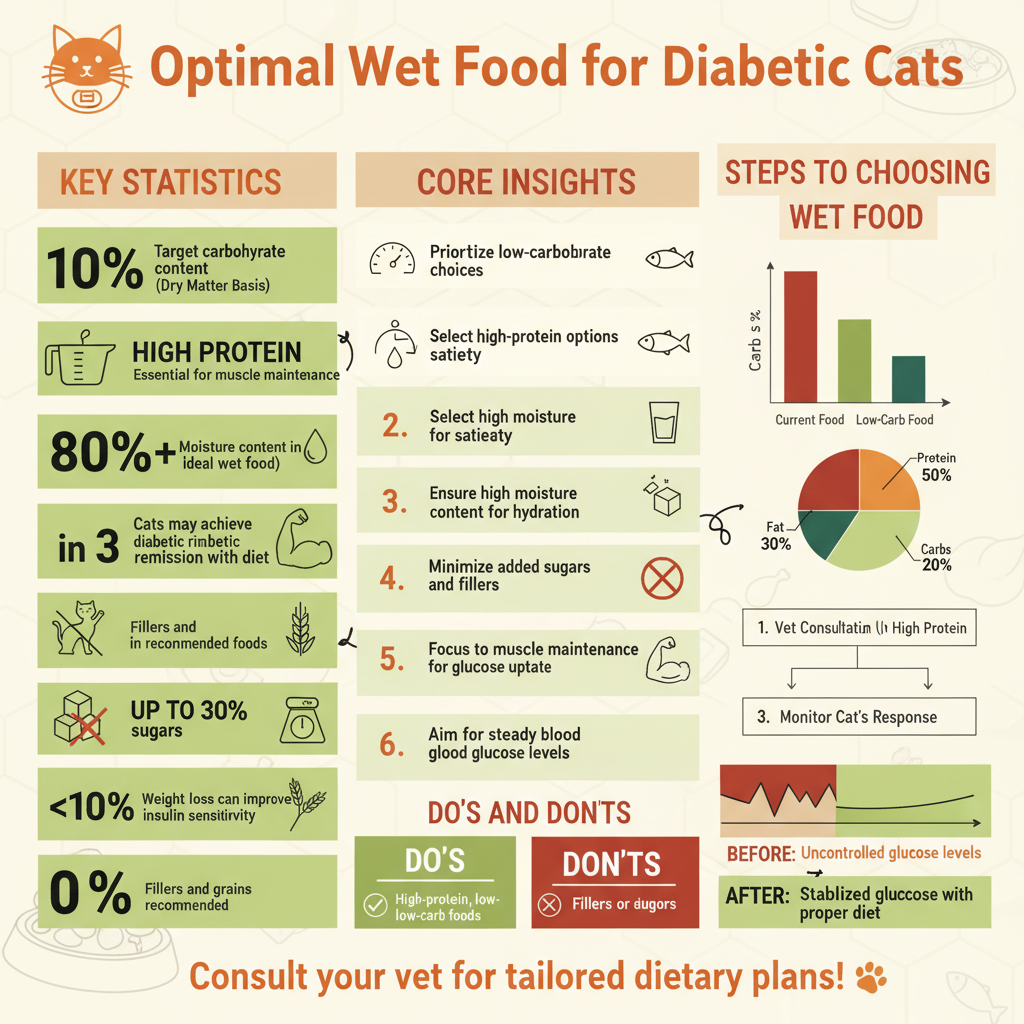
For diabetic cats, the best wet food is consistently a low-carbohydrate, high-protein, and high-moisture diet, as this closely mimics their natural prey and helps manage blood glucose levels effectively. Prioritizing foods with minimal fillers, grains, and added sugars is crucial for their long-term health and stability, offering the best chance for blood sugar regulation and even diabetic remission in some cases.



Understanding Diabetic Cat Dietary Needs
Managing feline diabetes is a serious undertaking, and diet is arguably the most powerful tool in your arsenal. Diabetic cats, much like humans with diabetes, struggle to produce enough insulin or effectively use the insulin they do produce, leading to elevated blood sugar levels. A well-chosen diet helps stabilize these blood sugar levels, preventing dangerous spikes and keeping them within a healthy range. The ultimate goal of dietary management is to reduce the need for exogenous insulin, and in many cases, a proper diet can even lead to diabetic remission, meaning your cat no longer requires insulin injections. By offering a diet that supports steady glucose metabolism, you provide their body with the best chance to manage the condition more naturally.
Cats are obligate carnivores, meaning their bodies are designed to thrive on a diet primarily composed of animal protein. For diabetic cats, maintaining adequate muscle mass is incredibly important, as muscle helps in glucose uptake and metabolism. A high protein content in their diet provides the essential amino acids they need, not only for muscle maintenance but also for overall health and repair. Beyond muscle support, a protein-rich diet also contributes to satiety, helping your cat feel full and satisfied after meals. This can be particularly beneficial for diabetic cats who might experience increased hunger due as their bodies struggle to utilize glucose effectively, preventing overeating and unnecessary weight gain, which can exacerbate diabetes.
The cornerstone of a diabetic cat’s diet is a low carbohydrate content. Carbohydrates, once digested, convert rapidly into glucose, causing a swift and significant rise in blood sugar. This is precisely what we want to avoid in a diabetic cat, whose body is already struggling to process glucose efficiently. As a general guideline, you’re looking for foods that contain typically under 10% carbohydrates on a Dry Matter Basis (DMB). This means that after all the moisture is removed, the carbohydrate percentage should remain very low. Understanding and utilizing DMB calculation is crucial because the “as fed” percentages on a label can be misleading due to varying moisture levels in wet foods. By significantly reducing carbohydrate intake, you minimize the glucose load on your cat’s system, helping to stabilize blood sugar levels and reduce the strain on their pancreas, making insulin management much more predictable and effective.
Key Nutrients and Ingredients to Look For
When selecting the best wet food for your diabetic feline friend, scrutinizing the ingredient list for key nutrients is paramount. The primary focus should always be on animal-based protein. Cats are obligate carnivores, meaning their physiological needs are best met by nutrients derived from animal sources. Look for named meat ingredients like chicken, turkey, beef, salmon, or duck listed as the first few ingredients. These whole animal proteins provide a complete spectrum of essential amino acids that cats cannot synthesize themselves. Avoid foods where plant proteins (like corn gluten meal or pea protein) dominate the ingredient list, as these are not as biologically appropriate or easily digestible for cats. Quality animal protein not only helps maintain lean muscle mass but also promotes satiety, which can be beneficial for appetite management in diabetic cats.
Another non-negotiable characteristic of ideal diabetic cat food is a high moisture content. Wet food, by its very nature, provides excellent hydration, which is incredibly beneficial for a cat’s overall health, especially for their kidney and urinary tract function. Diabetic cats, particularly if their blood sugar isn’t well-controlled, can be prone to increased urination and dehydration. Feeding wet food helps ensure they consume enough water, supporting kidney health—a common concern in aging and diabetic felines. Unlike dry kibble, which typically contains only 5-10% moisture, wet food often boasts 70-80% moisture, closely mimicking the moisture content of a cat’s natural prey. This inherent hydration aids digestion and helps prevent common issues like urinary crystals and constipation.
While carbohydrates should be low, moderate fat content is important to provide energy without excessive carbohydrate load. Fat is a concentrated source of energy for cats and is crucial for nutrient absorption, hormone production, and healthy skin and coat. When selecting food, look for healthy animal fats, often derived directly from the protein sources (e.g., chicken fat). Some foods also include beneficial omega-3 fatty acids from fish oil (like salmon oil or sardine oil), which have anti-inflammatory properties and support joint and cognitive health. The key is “moderate” fat; excessively high fat could contribute to weight gain if not balanced with activity, or in rare cases, trigger pancreatitis in susceptible cats. However, for most diabetic cats on a low-carb diet, fat is an excellent and necessary energy source.
Recommended Wet Food Characteristics
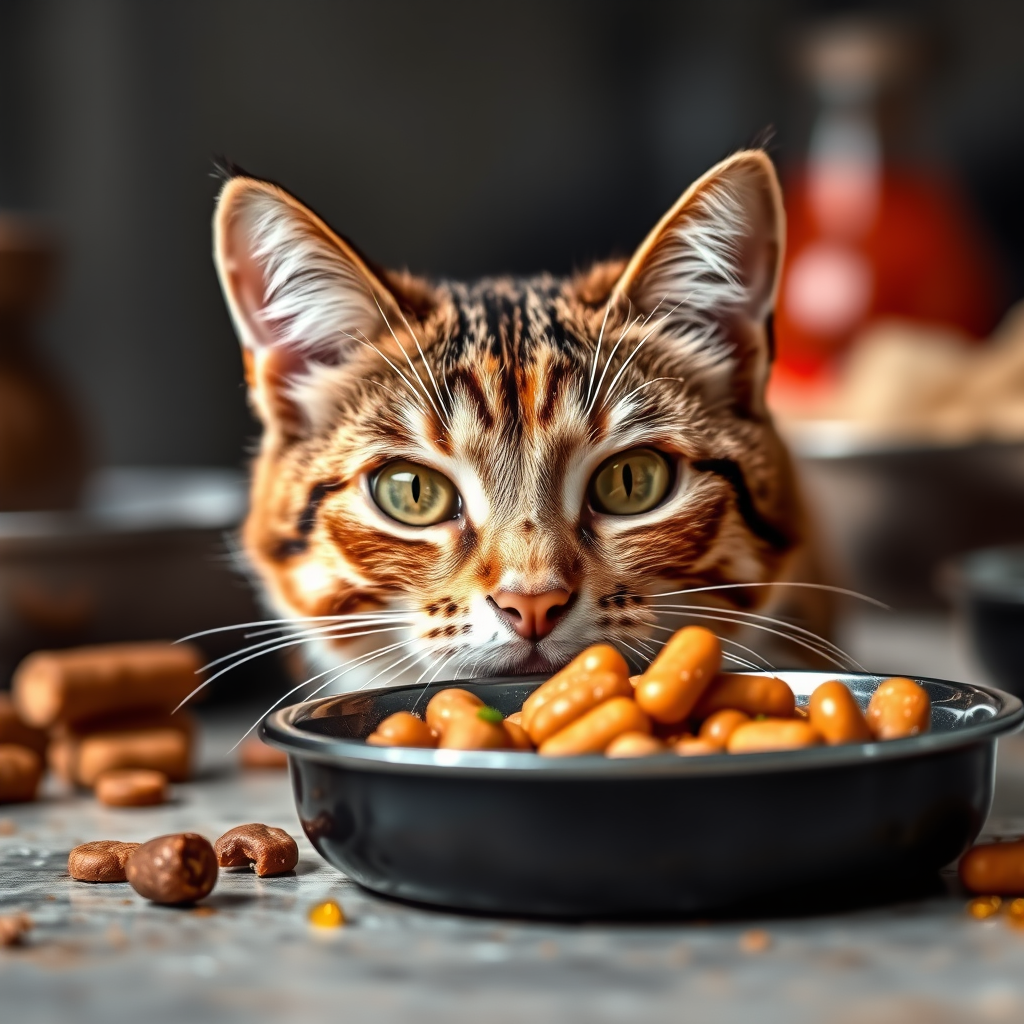
Beyond individual ingredients, the overall characteristics of a wet cat food formula are crucial for diabetic management. Firstly, grain-free formulas are almost always the way to go. Grains like corn, wheat, rice, and soy are high in carbohydrates and can cause rapid spikes in blood sugar, which is detrimental for diabetic cats. Avoiding these starchy ingredients helps keep the glycemic load low. However, it’s vital to remember that “grain-free” doesn’t automatically mean “low-carb.” Some grain-free foods replace grains with other starchy vegetables like potatoes, sweet potatoes, or peas, which can still contribute significantly to the carbohydrate count. Always check the full ingredient list and, ideally, perform a Dry Matter Basis calculation to confirm the true carbohydrate content, aiming for below 10%.
Secondly, opt for limited ingredient diets (LID) or foods with fewer, easily identifiable ingredients. A shorter, clearer ingredient list often means less chance of hidden carbohydrates, unnecessary fillers, or potential allergens. When you see a list dominated by whole meats and animal fats, along with essential vitamins and minerals, you know exactly what your cat is getting. This simplicity is not only beneficial for precise nutrient control but also makes it easier to pinpoint and address any sensitivities or adverse reactions your cat might develop. A complex ingredient list can hide ingredients that could either spike blood sugar or cause digestive upset, both of which are problematic for a diabetic cat.
Finally, and perhaps most critically, ensure there are no added sugars or artificial ingredients. Sweeteners, regardless of their source (sucrose, dextrose, corn syrup, molasses, or even fruit-based sugars), will directly destabilize your cat’s blood sugar levels. They offer no nutritional benefit and act purely as a palatable, but dangerous, carbohydrate load. Additionally, artificial colors, flavors, and preservatives should be avoided. These synthetic additives offer zero nutritional value and can sometimes trigger allergies or other health issues. Stick to natural preservation methods and naturally derived ingredients. Always scan the ingredient list for any mention of sugars, syrups, or artificial components to ensure your diabetic cat’s diet is as clean and supportive as possible.
What to Avoid in Diabetic Cat Food
Just as important as knowing what to include in your diabetic cat’s diet is understanding what to rigorously avoid. The top offender is high carbohydrate content, which encompasses a wide range of ingredients often found in conventional cat foods. This includes not only grains like corn, wheat, rice, barley, and soy but also starchy vegetables such as potatoes, sweet potatoes, and peas. Even seemingly healthy additions like fruits (e.g., cranberries, apples) can contribute to an undesirable carbohydrate load. These ingredients rapidly convert to glucose upon digestion, causing unwanted and potentially dangerous spikes in blood sugar, making diabetes management incredibly challenging. For a diabetic cat, every gram of excess carbohydrate pushes their system further out of balance, often necessitating higher insulin doses or leading to less stable blood glucose readings.
Next, be wary of fillers and by-products. “Fillers” are ingredients added to bulk up the food without offering significant nutritional value; common examples include cellulose (wood pulp), corn gluten meal (when not a primary protein source), or various plant fibers in excessive amounts. While some fiber can be beneficial, too much or the wrong type can dilute the nutritional density and potentially hide additional carbohydrates. “By-products” can be a tricky category. While some specific organ meats (like heart or liver) are highly nutritious, generic “meat by-products” or “poultry by-products” often refer to a mix of less desirable parts and can be highly inconsistent in quality and composition. This ambiguity means they could contain unwanted non-meat components or be less digestible, offering poor nutritional return for your diabetic cat. Always prioritize named, whole meat sources over generic by-products.
A particularly insidious category to avoid is gravies and sauces. Many delicious-looking gravies, broths, and sauces in wet cat food are thickened with starches (e.g., corn starch, potato starch, guar gum) and can contain hidden sugars. These additions dramatically increase the carbohydrate content of the food without adding substantial nutritional value, turning an otherwise seemingly appropriate food into a problematic one for a diabetic cat. The appeal of these textures often lies in their palatability, but for a diabetic cat, the trade-off in blood sugar control is not worth it. Instead, opt for paté-style wet foods or chunky meats in water or a simple broth, ensuring the moisture comes from a low-carb liquid rather than a starchy, sugar-laden sauce. Always read the ingredient list closely, as thickeners and sweeteners can hide under various names.
Reading Cat Food Labels Effectively
Becoming a detective when it comes to cat food labels is an essential skill for any pet parent, especially those managing feline diabetes. One of the first things you’ll encounter is the Guaranteed Analysis. This section provides percentages for protein, fat, fiber, and moisture. For a diabetic cat, you’ll want to see high protein (typically 40-50% DMB or higher) and moderate fat (around 20-30% DMB). Fiber should be low to moderate, and moisture content for wet food will typically be very high (70-80%). Remember, these percentages are “as fed,” meaning they represent the nutrient content including all the moisture. This is why the next step is crucial for an accurate assessment.
To truly understand the carbohydrate content of a wet food, you must learn the Dry Matter Basis (DMB) Calculation. Since wet foods have varying moisture levels, simply comparing “as fed” percentages across different brands can be misleading. To calculate DMB for any nutrient, use this simple formula:
1. Subtract the “as fed” moisture percentage from 100 to find the dry matter percentage.
Example: If moisture is 75%, dry matter is 100 – 75 = 25%.
2. Divide the “as fed” percentage of the nutrient (protein, fat, fiber) by the dry matter percentage, then multiply by 100.
Example: If protein is 12% (as fed) and dry matter is 25%, then (12 / 25) 100 = 48% protein on a DMB.
3. To estimate carbohydrate content on a DMB, subtract the DMB percentages of protein, fat, and fiber from 100.
Example: If DMB is 48% protein, 25% fat, and 2% fiber, then 100 – 48 – 25 – 2 = 25% carbohydrates on a DMB. For diabetic cats, you want this number to be under 10%, ideally closer to 5%. Mastering this calculation allows you to accurately compare the true nutrient profiles of different wet foods.
Finally, pay close attention to the Ingredient List Order. Ingredients are always listed by weight, meaning the heaviest ingredients are at the top. For a diabetic cat, you want to see named animal protein sources (e.g., “chicken,” “turkey,” “beef,” “salmon”) as the very first ingredients. Be wary of ingredient splitting, where a single ingredient like corn is broken down into multiple forms (e.g., “corn meal,” “corn flour,” “corn gluten meal”) to appear lower on the list, even though collectively they might be very high. Similarly, if “water” or “broth” is listed very high, it could indicate a lower density of actual solid ingredients. A high-quality diabetic cat food will have multiple named meat sources within the first few ingredients, followed by animal fats, essential vitamins, and minerals, with minimal to no plant-based ingredients.
Transitioning Your Diabetic Cat to New Food
Changing your cat’s diet, especially for a diabetic feline, requires a thoughtful and cautious approach. The most important step is a gradual introduction of the new food. Abruptly switching diets can lead to digestive upset, such as vomiting, diarrhea, or even food aversion, which is the last thing you want when managing a delicate condition like diabetes. Over 7-10 days, slowly mix increasing amounts of the new food with decreasing amounts of the old food. Start with a very small portion of the new food (e.g., 10-20%) mixed with the old, and gradually increase the ratio over subsequent days. Observe your cat closely for any signs of gastrointestinal distress or refusal to eat. Patience is key, as some cats may take longer to adjust.
During the transition period, it is absolutely critical to monitor your cat’s blood glucose levels closely. A change in diet, particularly a significant reduction in carbohydrates, will directly impact your cat’s blood sugar and, consequently, their insulin requirements. What worked with the old food will likely not be the correct insulin dose with the new food. You might find that insulin needs decrease substantially, sometimes quite rapidly. If you are comfortable with home glucose monitoring, this is an excellent time to utilize that skill to track trends. Even if you’re not home monitoring, be acutely aware of any signs of hypoglycemia (low blood sugar), such as weakness, lethargy, disorientation, or seizures, and contact your vet immediately if these occur.
Perhaps the most important piece of advice is to consult your veterinarian before making any significant dietary changes for your diabetic cat. Your vet knows your cat’s specific health history, current insulin dosage, and overall diabetic status. They can provide personalized dietary recommendations, help you interpret food labels, and guide you through the transition process safely. Most importantly, they will advise you on how to adjust insulin dosages in response to the new diet. Attempting to manage insulin changes without professional guidance can be dangerous and lead to severe complications. Consider your vet your primary partner in managing your cat’s diabetes, especially when it comes to diet.
Choosing the right wet cat food is paramount for managing feline diabetes and enhancing your cat’s quality of life. By focusing on low-carb, high-protein, and high-moisture options and diligently reading labels—especially utilizing the Dry Matter Basis calculation—you can significantly support your cat’s health and blood sugar stability. Remember, every cat is unique, and their response to dietary changes can vary, so always consult your veterinarian for personalized dietary recommendations and to monitor your cat’s response to any new food regimen. With the right diet, you’re providing the best foundation for your beloved companion to live a longer, healthier, and happier life.
Frequently Asked Questions
What are the key nutritional characteristics of the best wet cat food for diabetic cats?
The best wet cat food for diabetic cats is typically high in protein, very low in carbohydrates, and has a moderate fat content. This nutritional profile mimics a cat’s natural carnivorous diet, which is essential for stabilizing blood glucose levels and supporting overall health. High moisture content found in wet food is also beneficial for urinary tract health, which can be a concern for diabetic felines.
Why is a low-carbohydrate, high-protein wet diet crucial for managing feline diabetes?
A low-carbohydrate, high-protein wet diet is crucial because it helps to minimize spikes in blood sugar, reducing the need for insulin in many diabetic cats. Cats are obligate carnivores, and their bodies are not efficiently designed to process carbohydrates, which convert to sugar and can worsen insulin resistance. Feeding a diet that closely matches their natural prey helps stabilize blood glucose, promotes healthy weight management, and can even lead to diabetic remission in some cases.
How can I identify a truly low-carb wet cat food brand when reading labels for my diabetic cat?
To identify truly low-carb wet cat food, focus on the “as-fed” or “dry matter” carbohydrate percentage, aiming for under 10% (ideally under 5-6%) on a dry matter basis. Prioritize brands where meat, poultry, or fish are among the first ingredients, and avoid those listing grains (corn, wheat, rice), starchy vegetables (peas, potatoes, sweet potatoes), or added sugars high on the ingredient list. Many veterinary therapeutic diets specifically formulated for diabetic cats will clearly state their low carbohydrate content.
Which specific ingredients or types of wet cat food are generally recommended for diabetic cats?
Generally, wet cat foods rich in animal-based protein sources like chicken, turkey, fish, or beef are highly recommended for diabetic cats. Look for formulas with minimal fillers, grains, or plant proteins, focusing instead on digestible meat ingredients. Your veterinarian may also recommend specific prescription veterinary diets designed to provide precise nutritional support for managing feline diabetes. Always consult your vet for personalized recommendations tailored to your cat’s specific health needs.
What common ingredients should I avoid in wet cat food when my cat has diabetes, and why?
When your cat has diabetes, it’s crucial to avoid common ingredients like grains (corn, wheat, rice), starches (potatoes, sweet potatoes, peas), fruits, and any added sugars (e.g., corn syrup, molasses). These ingredients are high in carbohydrates, which can cause significant fluctuations in blood glucose levels, making diabetes management more challenging and potentially increasing insulin requirements. Opting for formulations that are free from these high-carb components is key to a stable diabetic diet.
References
- Feline Diabetes | Cornell University College of Veterinary Medicine
- https://www.vetmed.ucdavis.edu/hospital/small-animal/internal-medicine/diabetes-mellitus-cats
- Nutrition | Cummings School of Veterinary Medicine
- Thrombocytopenia in Dogs and Cats – Veterinary Partner – VIN
- https://vet.osu.edu/vmc/companion/our-services/feline-diabetes-mellitus-information-pet-owners
- https://www.merckvetmanual.com/endocrine-system/diabetes-mellitus/diabetes-mellitus-in-animals
- https://en.wikipedia.org/wiki/Feline_diabetes_mellitus