
For individuals managing type 2 diabetes, the best snacks are those rich in protein, fiber, and healthy fats, while being low in refined carbohydrates and added sugars. Think nutrient-dense options like plain Greek yogurt with a few berries, a small handful of almonds, or crunchy vegetable sticks with hummus, which are fantastic for helping stabilize blood sugar levels and keeping you feeling full without causing drastic spikes. This comprehensive guide will help you navigate smart snacking choices to support your diabetes management goals and keep you energized throughout your day!




Understanding Smart Snacking for Type 2 Diabetes
Snacking often gets a bad rap, but when done right, it’s a powerful tool in your diabetes management toolkit. Smart snacking isn’t about indulging; it’s about strategic eating that benefits your health.
* Why snacks are important for blood sugar management between meals: Skipping meals or going too long without eating can lead to extreme hunger, which often results in overeating at your next meal. This can send your blood sugar soaring. Well-chosen snacks act as mini-meals, providing a steady stream of nutrients that prevent drastic drops in blood sugar and help maintain stable energy levels. They can also help you avoid those tempting, less healthy choices when hunger strikes unexpectedly.
* Key nutritional components to prioritize: fiber, protein, and healthy fats: These three macronutrients are your best friends when it comes to managing type 2 diabetes through snacking.
* Fiber is a non-digestible carbohydrate that slows down the absorption of sugar into your bloodstream, preventing rapid spikes. It also promotes digestive health and helps you feel full longer.
* Protein has a minimal impact on blood sugar levels and is excellent for satiety. It helps build and repair tissues, and when included in a snack, it significantly boosts fullness and reduces cravings.
* Healthy fats (like monounsaturated and polyunsaturated fats) also contribute to satiety, slow down digestion, and support heart health. They help you feel satisfied and absorb fat-soluble vitamins without causing blood sugar fluctuations.
* How smart snacking helps prevent blood sugar spikes and crashes: By combining these key components, smart snacks create a sustained release of energy. For example, pairing a carbohydrate (like an apple) with a protein or healthy fat (like a spoonful of nut butter) helps to slow down the digestion of the apple’s natural sugars. This prevents a sudden rush of glucose into your bloodstream, followed by a subsequent “crash” that can leave you feeling tired, irritable, and craving more sugar. Instead, you get a smoother, more controlled rise and fall, keeping your energy levels steady and your mood balanced.
Protein-Packed Power Snacks
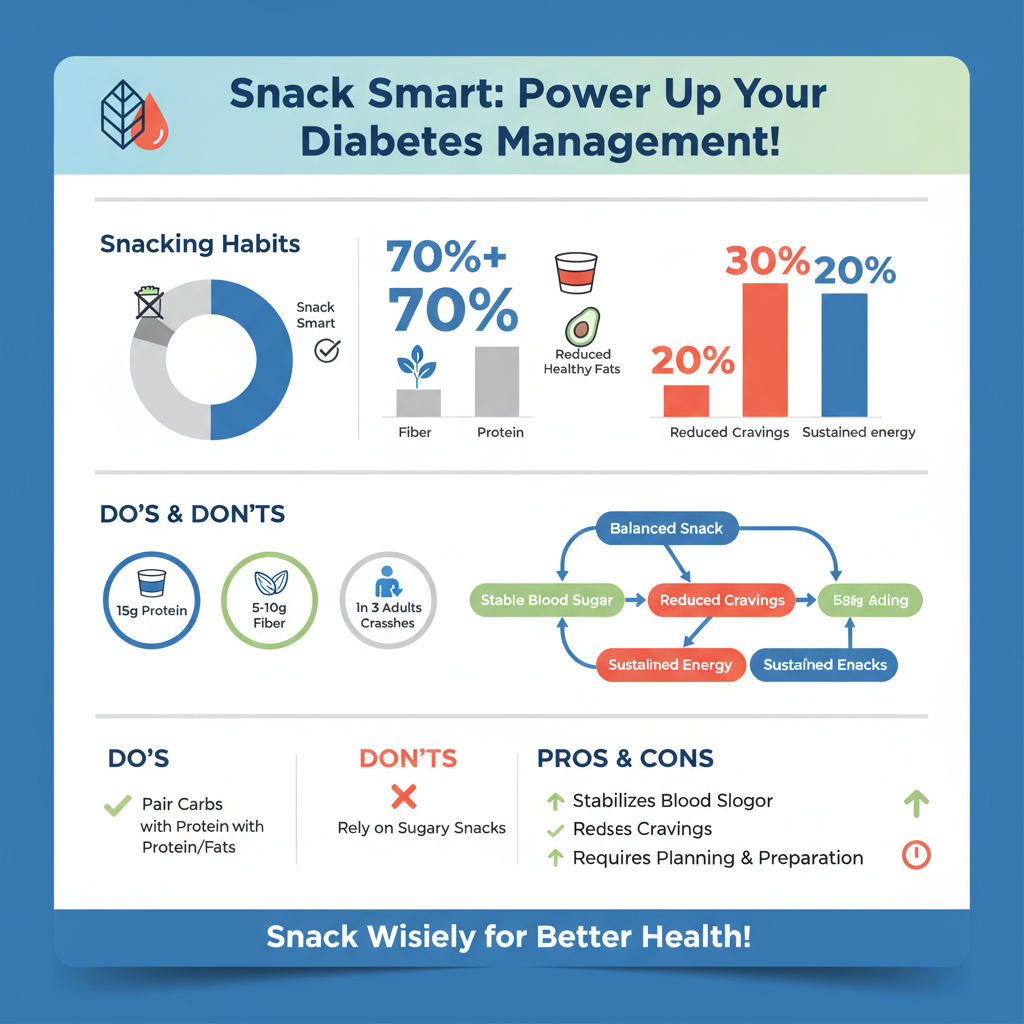

Protein is incredibly satisfying and essential for blood sugar stability. Incorporating protein into your snacks is a fantastic way to stay full and keep those sugar cravings at bay.
* Plain Greek yogurt or cottage cheese (choose low-fat options): These dairy powerhouses are brimming with protein. Greek yogurt, in particular, often contains twice the protein of regular yogurt. Opt for plain, unsweetened varieties to avoid added sugars, and then enhance them with a few fresh berries for natural sweetness and fiber, or a sprinkle of chia seeds for extra omega-3s. Cottage cheese offers a similar protein punch and can be enjoyed with sliced tomatoes or cucumbers.
* Hard-boiled eggs or egg muffins: Eggs are a complete protein source, meaning they contain all nine essential amino acids. Hard-boiled eggs are incredibly convenient—you can make a batch at the start of the week and grab one on the go. For a fun twist, try making egg muffins by whisking eggs with chopped non-starchy vegetables like spinach, bell peppers, and mushrooms, then baking them in a muffin tin. They’re portion-controlled and delicious!
* Lean deli meat roll-ups (e.g., turkey slices around a cheese stick): Choose low-sodium, lean options like turkey or chicken breast. Rolling them around a cheese stick provides protein and healthy fats, creating a satisfying and easy snack. You can also roll them with a pickle spear, a slice of avocado, or a cucumber stick for added crunch and nutrients.
* A small handful of roasted edamame or chickpeas: These plant-based options are not only rich in protein but also provide a good dose of fiber. Roasted edamame (soybeans) are a complete protein and make a great crunchy snack. You can easily roast chickpeas at home with a little olive oil and your favorite spices (like paprika or cumin) for a fiber-packed, savory treat.
Fiber-Rich & Whole Food Favorites
Fiber is crucial for slowing digestion and managing blood sugar. These snacks deliver a hefty dose of natural fiber from whole, unprocessed foods.
* Fresh non-starchy vegetables (carrots, celery, bell peppers) with a serving of hummus: This classic combo is a winner. Non-starchy veggies are very low in carbohydrates and high in fiber, vitamins, and minerals. Think vibrant options like cucumber slices, broccoli florets, cherry tomatoes, or snap peas. Hummus, made from chickpeas, adds protein, healthy fats, and even more fiber, making it a perfectly balanced dip that’s both delicious and satisfying.
* Apple slices or a small portion of berries (strawberries, blueberries): Fruits contain natural sugars, so portion control is key. Apples, especially with the skin on, are packed with fiber. Berries like strawberries, blueberries, raspberries, and blackberries are particularly excellent choices as they are lower in natural sugars and rich in antioxidants and fiber. Try pairing your fruit with a small amount of unsweetened nut butter for added protein and fat to further stabilize blood sugar.
* Air-popped popcorn (plain, unsalted, small portion): Yes, popcorn can be a healthy snack for type 2 diabetes! As a whole grain, air-popped popcorn is surprisingly high in fiber. The trick is to keep it plain and unsalted, and stick to a small portion (about 3 cups popped). Avoid buttery, sugary, or heavily seasoned varieties, which defeat the purpose of a healthy snack.
* Whole-grain crackers (check sugar and fiber content) with avocado: Not all crackers are created equal. Look for crackers made from 100% whole grains, with at least 3 grams of fiber and minimal added sugars per serving. Pair them with a few slices of nutrient-dense avocado, which provides healthy monounsaturated fats and fiber, or a spread of mashed avocado for a creamy, satisfying snack.
Healthy Fat & Low-Carb Choices
Healthy fats are essential for satiety, hormone function, and nutrient absorption. These snacks are naturally low in carbohydrates and provide beneficial fats.
* A small handful of unsalted nuts (almonds, walnuts, pecans): Nuts are nutritional powerhouses, offering a blend of healthy fats, protein, and fiber. Almonds, walnuts, and pecans are particularly good choices, known for their heart-healthy properties and ability to keep you full for hours. Remember, nuts are calorie-dense, so a small handful (about 1/4 cup) is the perfect portion. Opt for unsalted varieties to manage sodium intake.
* Seeds (chia, flax, pumpkin) sprinkled on salads or yogurt: Seeds might be tiny, but they’re packed with nutrients! Chia seeds and flaxseeds are excellent sources of omega-3 fatty acids and soluble fiber, which can help lower cholesterol and blood sugar. Pumpkin seeds offer protein, magnesium, and zinc. Sprinkle a tablespoon or two over your Greek yogurt, cottage cheese, or a green salad for an extra boost of healthy fats and fiber.
* Avocado slices or a small serving of guacamole: Avocado is a superstar fruit (yes, it’s a fruit!) when it comes to healthy fats. Rich in monounsaturated fats, fiber, and potassium, avocado helps with satiety and can improve heart health. Enjoy a few slices on their own, or dip your favorite non-starchy veggies into a small serving of homemade guacamole (watch out for store-bought versions that might have added sugars).
* Cheese sticks or a small portion of natural cheese: Cheese is a fantastic low-carb source of protein and calcium. A single cheese stick or a small slice of cheddar, mozzarella, or provolone can be a quick and easy snack that provides lasting fullness. Choose natural, full-fat or reduced-fat options, and be mindful of portion sizes to keep calories in check.
Snacks to Limit or Avoid
Just as important as knowing what to eat is knowing what to steer clear of. Many common snack foods can quickly derail your blood sugar management efforts.
* High-sugar items: candy, regular soda, sweetened fruit juices, pastries: These foods are loaded with added sugars that cause an immediate and drastic spike in blood sugar. They offer little to no nutritional value and can lead to energy crashes and increased cravings for more sugar. Sweetened fruit juices, even those labeled “100% juice,” strip away the beneficial fiber found in whole fruit, leaving behind concentrated sugar.
* Refined carbohydrates: white bread, sugary cereals, most chips and crackers: Refined carbohydrates are quickly broken down into glucose, leading to rapid blood sugar increases. They’re typically low in fiber and nutrients, providing empty calories that don’t satisfy hunger for long. Common culprits include white bread, most breakfast cereals (even “healthy-looking” ones can be sugar bombs), and many types of packaged chips and crackers.
* Processed snacks: most granola bars, cookies, and sugary snack cakes: Don’t be fooled by health claims on packaging. Many processed snacks, including a surprising number of granola bars, are high in added sugars, unhealthy fats, and artificial ingredients. Always read the nutrition label carefully. Look for options with minimal ingredients, low added sugar, and high fiber content if you choose to include them. Generally, it’s best to stick to whole, unprocessed foods.
* Large portions of starchy vegetables or high-sugar fruits: While vegetables and fruits are generally healthy, portion control is vital for individuals with type 2 diabetes due to their carbohydrate content. Large servings of starchy vegetables like potatoes, corn, or peas, or high-sugar fruits like bananas, mangoes, and grapes, can still elevate blood sugar levels significantly if not balanced with protein and fat, or if consumed in excessive amounts. Enjoy these in moderation and as part of a balanced meal or snack.
Smart Snacking Strategies & Portion Control
Having a list of healthy snacks is great, but knowing how to integrate them into your daily routine with smart strategies is key to long-term success.
* Always read nutrition labels for carbohydrate, fiber, and sugar content: This is perhaps the most crucial skill for managing type 2 diabetes. Pay close attention to the “Total Carbohydrate” amount, then look at “Dietary Fiber” and “Added Sugars.” A good rule of thumb is to choose items with higher fiber and lower added sugars. Be aware of serving sizes, as the numbers on the label apply to that specific portion.
* Practice mindful eating: listen to your body’s hunger and fullness cues: Eating mindfully means paying attention to your food—its taste, texture, and smell—and being present in the moment. It also involves tuning into your body to differentiate between true physical hunger and emotional hunger. Slow down, chew thoroughly, and stop when you feel comfortably full, not stuffed. This practice helps prevent overeating and promotes better digestion.
* Pair carbohydrates with protein or fat to slow glucose absorption: This is a golden rule for diabetes-friendly snacking! When you eat carbohydrates alone, they are digested quickly, leading to a rapid rise in blood sugar. Adding protein and/or healthy fats to your carbohydrate-containing snack slows down digestion, resulting in a more gradual and stable blood sugar response. For example, instead of just an apple, have an apple with a tablespoon of peanut butter.
* Consider snack timing in relation to meals and medication schedules: The timing of your snacks can be as important as what you eat. If you take medication that can cause blood sugar lows (hypoglycemia), snacks might be necessary to prevent these drops. For others, a snack between meals might prevent overeating at the next meal. Work with your healthcare team to determine the best snack timing for your individual medication regimen, activity level, and lifestyle.
Choosing the best snacks for type 2 diabetes involves prioritizing nutrient-dense options that support stable blood sugar levels and overall health. By focusing on protein, fiber, and healthy fats, while being mindful of portion sizes and understanding ingredient labels, you can effectively manage your blood glucose levels and enjoy satisfying, healthy snacks throughout your day. Start incorporating these smart choices into your routine today to feel better, stay energized, and remain on track with your health goals!
Frequently Asked Questions
What are the best types of snacks for managing type 2 diabetes?
The best snacks for type 2 diabetes are those rich in fiber, lean protein, and healthy fats, as these nutrients help stabilize blood sugar levels and promote satiety. Focus on whole foods like non-starchy vegetables, nuts, seeds, plain Greek yogurt, and lean proteins, which have a lower impact on blood glucose compared to refined carbohydrates. These choices provide sustained energy and prevent sudden spikes, crucial for effective diabetes management.
How can I choose diabetes-friendly snacks that won’t spike my blood sugar?
To choose diabetes-friendly snacks that prevent blood sugar spikes, prioritize options with a low glycemic index and check nutrition labels for carbohydrate content, especially added sugars. Always aim to pair carbohydrates with protein or healthy fats, as this combination slows down glucose absorption. Examples include an apple with peanut butter or a handful of almonds with a small piece of fruit, which help maintain stable blood sugar.
Why is snacking important for people with type 2 diabetes?
Strategic snacking is important for people with type 2 diabetes as it helps prevent large drops or spikes in blood sugar between meals, leading to better overall glucose control. Well-planned snacks can also help manage hunger, reduce the likelihood of overeating at mealtimes, and provide consistent energy throughout the day. This proactive approach supports a balanced diet and improved metabolic health.
Which quick and easy snack options are ideal for busy individuals with type 2 diabetes?
For busy individuals managing type 2 diabetes, ideal quick and easy snack options include pre-portioned nuts or seeds, string cheese, hard-boiled eggs, and plain Greek yogurt. Other convenient choices are baby carrots with hummus, a small piece of fruit like an apple or orange, or a handful of berries. These grab-and-go snacks require minimal preparation and provide a good balance of protein, fiber, and healthy fats to keep blood sugar stable.
What healthy snack alternatives can satisfy sweet cravings for someone with type 2 diabetes?
To satisfy sweet cravings safely with type 2 diabetes, opt for naturally sweet, high-fiber alternatives that won’t drastically impact blood sugar. Berries with a dollop of plain Greek yogurt, a small piece of dark chocolate (70% cocoa or higher), or apple slices with a sprinkle of cinnamon are excellent choices. Portion control is key with these healthier sweet treats to ensure they remain diabetes-friendly and align with your dietary plan.
References
- https://diabetes.org/healthy-living/recipes-nutrition/healthy-food-choices/healthy-snack-ideas
- Diabetes diet: Create your healthy-eating plan – Mayo Clinic
- https://www.niddk.nih.gov/health-information/diabetes/overview/diet-eating-physical-activity/meal-planning
- https://www.hsph.harvard.edu/nutritionsource/diabetes-diet-food-list-for-type-2-diabetes/
- https://health.clevelandclinic.org/best-snacks-for-diabetes/
- Type 2 diabetes – NHS
- https://www.ucsfhealth.org/education/healthy-snacking-for-diabetics
- https://www.cdc.gov/diabetes/managing/eat-well/meal-plan-healthy-eating.html