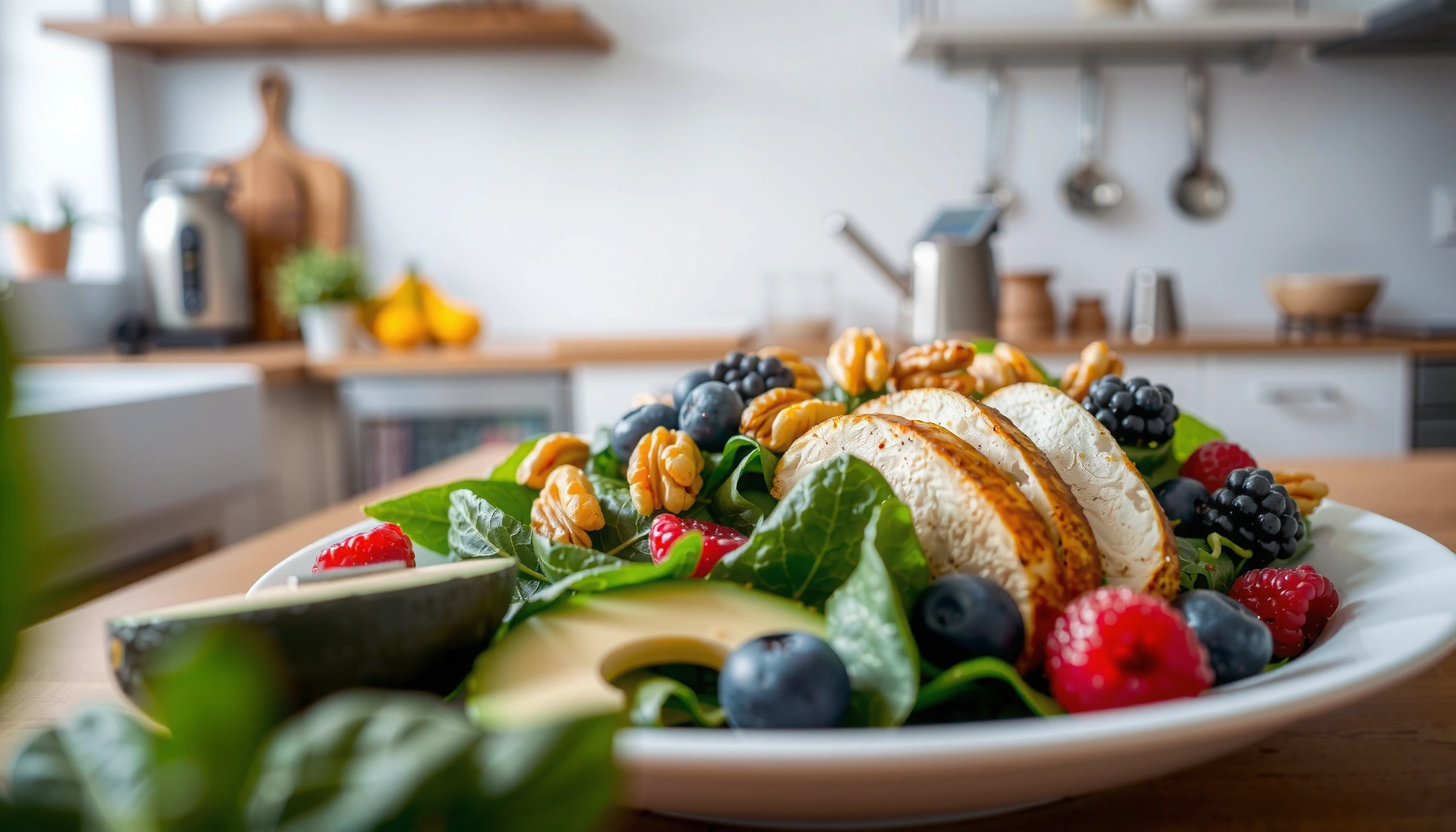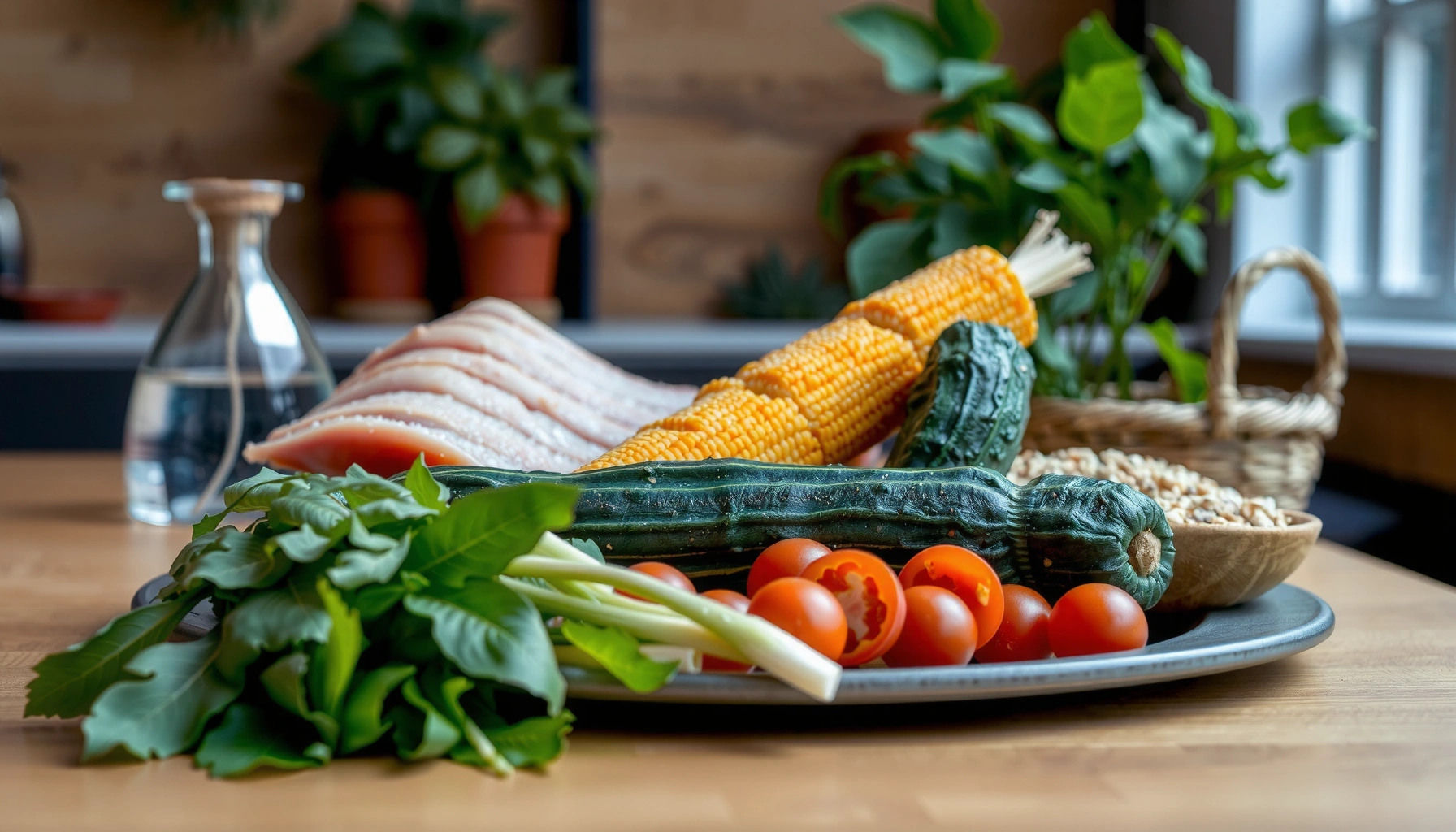

For diabetics, the “best lunch” isn’t a single dish, but rather a balanced meal rich in fiber, lean protein, and healthy fats, with carefully managed portions of complex carbohydrates. Prioritizing whole foods and mindful eating ensures stable blood sugar levels, sustained energy, and overall well-being. This guide will help you craft delicious and diabetes-friendly lunches, whether you’re at home, on the go, or dining out.
The Core Principles of a Diabetes-Friendly Lunch

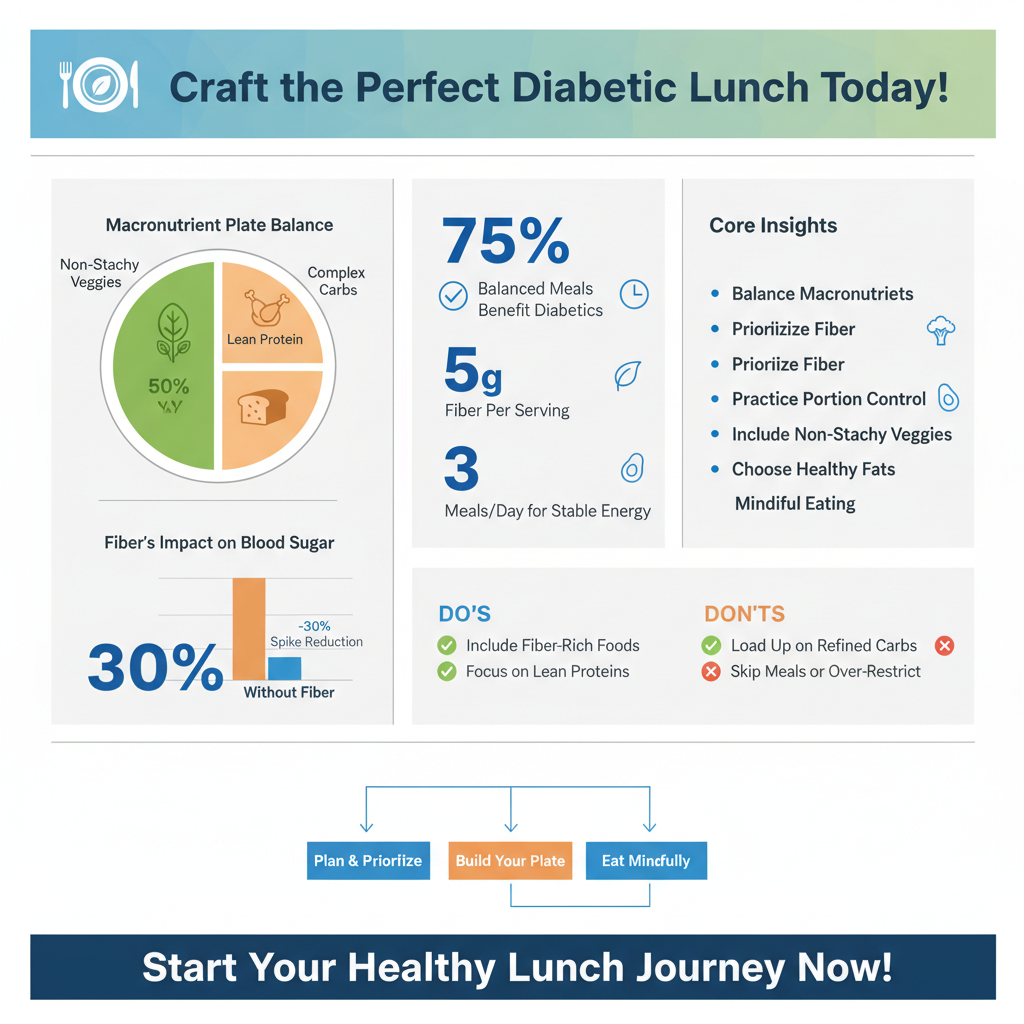
Understanding the foundation of a blood-sugar-friendly meal is the first step towards making great choices. These core principles are your blueprint for crafting satisfying and healthy lunches every day.
* Balanced Macronutrients: Aim for a plate that includes lean protein, non-starchy vegetables, healthy fats, and controlled portions of complex carbohydrates to prevent blood sugar spikes.
A truly diabetes-friendly lunch is all about balance. Lean protein sources like chicken, fish, tofu, or legumes help you feel full, support muscle health, and have a minimal impact on blood sugar. Non-starchy vegetables – think leafy greens, broccoli, peppers, and cucumbers – are packed with vitamins, minerals, and fiber, adding volume and nutrients without excess carbohydrates. Healthy fats, found in avocados, nuts, seeds, and olive oil, contribute to satiety, aid in nutrient absorption, and can help stabilize blood sugar response. Finally, complex carbohydrates from whole grains, starchy vegetables (in moderation), or legumes provide sustained energy rather than quick spikes. The key is to balance these components, filling half your plate with non-starchy veggies, a quarter with lean protein, and a quarter with controlled complex carbs. This balanced approach helps keep your energy steady and your blood sugar levels happy.
* Prioritize Fiber-Rich Foods: Fiber slows down sugar absorption, promoting satiety and better blood glucose control. Think vegetables, legumes, whole grains, and fruits.
Fiber is a superstar nutrient for anyone managing diabetes, and it should be a cornerstone of your best lunch for diabetics. This incredible nutrient, found abundantly in plant foods, works in several ways to support your health. Soluble fiber, found in oats, beans, and certain fruits, forms a gel-like substance in your digestive tract, which slows down the absorption of glucose into your bloodstream, preventing those unwelcome blood sugar spikes. Insoluble fiber, present in whole grains and many vegetables, adds bulk to your stool, promoting regular digestion. Beyond blood sugar benefits, fiber keeps you feeling fuller for longer, reducing the temptation for unhealthy snacking later in the day. Make it a point to include a variety of fiber sources in your lunch, from a big serving of leafy greens to a side of black bean salad or a slice of whole-grain bread.
* Portion Control and Carb Awareness: Understand your individual carbohydrate targets and measure portions to effectively manage blood sugar levels.
Even the healthiest foods can impact blood sugar if eaten in excessive amounts, making portion control and carbohydrate awareness critical for diabetic meal planning. Carbohydrates are the macronutrient with the most direct impact on blood glucose, so knowing your personal carb target per meal (often determined with a healthcare provider or dietitian) is essential. Start by learning to eyeball appropriate serving sizes, then practice measuring with cups and spoons until it becomes second nature. Tools like a food scale can also be incredibly helpful. Pay attention to “net carbs” if applicable, and remember that even complex carbs need to be portioned correctly. By becoming mindful of your carbohydrate intake, you gain more control over your blood sugar, ensuring your delicious lunch is also a smart one.
Delicious & Easy Lunch Ideas at Home
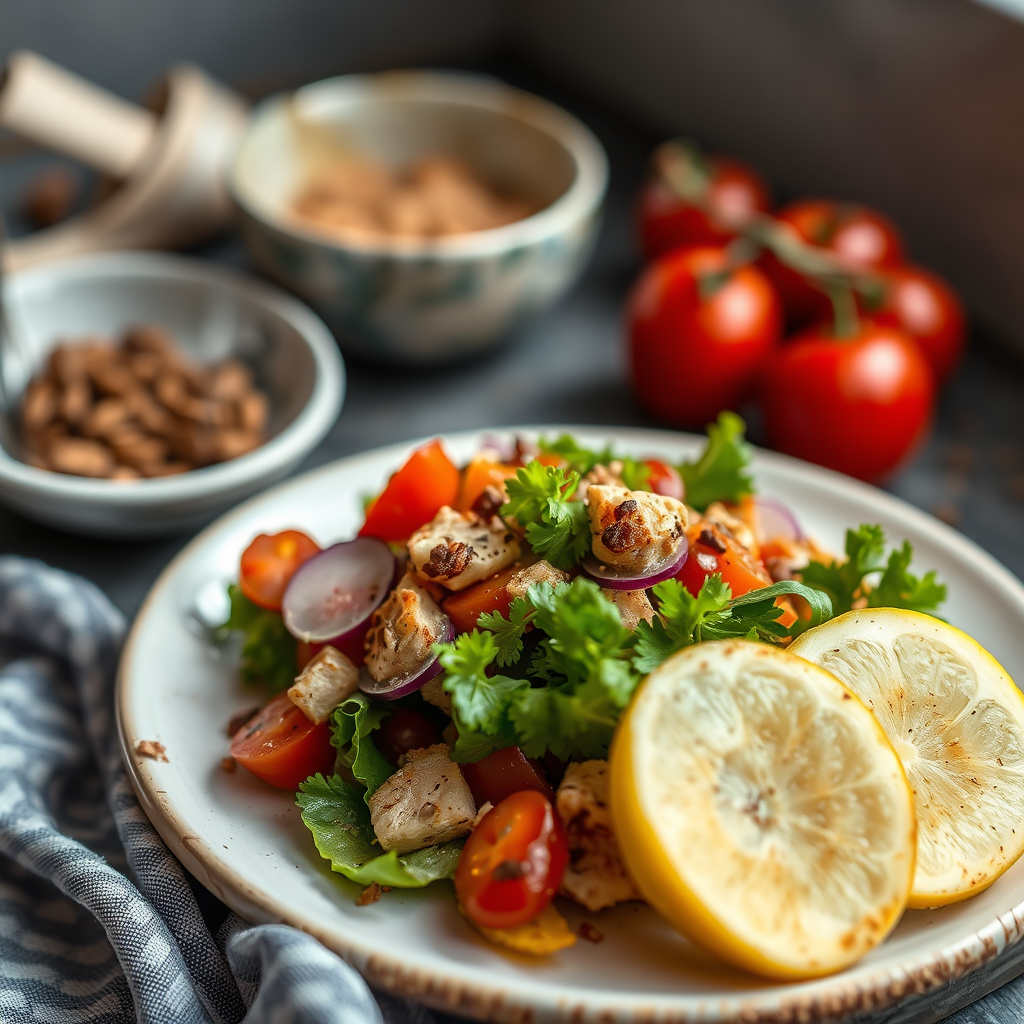
Preparing a diabetes-friendly lunch doesn’t have to be complicated or time-consuming. With a little planning, you can whip up satisfying and healthy meals right in your own kitchen.
* Power Salads: Combine a base of mixed greens with grilled chicken or fish, a variety of colorful non-starchy vegetables, a sprinkle of nuts/seeds, and a light vinaigrette.
Power salads are a fantastic and versatile option for a diabetes-friendly lunch. Start with a generous bed of dark, leafy greens like spinach, kale, or mixed spring greens for a fiber and nutrient boost. Add a lean protein such as thinly sliced grilled chicken breast, baked salmon flakes, hard-boiled eggs, or even a handful of edamame or chickpeas for a vegetarian twist. Load up on colorful, non-starchy vegetables like bell peppers, cucumber, cherry tomatoes, shredded carrots, and broccoli florets. For healthy fats and extra crunch, sprinkle on a small handful of almonds, walnuts, or pumpkin seeds. Finish it off with a homemade vinaigrette made from olive oil, vinegar (balsamic, apple cider, or red wine), herbs, and a touch of Dijon mustard – avoiding creamy, sugary store-bought dressings. These salads are packed with flavor, nutrients, and fiber, making them incredibly satisfying without sending your blood sugar on a roller coaster.
* Whole-Wheat Wraps & Sandwiches: Fill whole-grain bread or tortillas with lean deli meat, hummus, plenty of lettuce, tomato, cucumber, and avocado.
Sandwiches and wraps can definitely be part of the best lunch for diabetics, provided you make smart choices. The foundation is crucial: opt for 100% whole-wheat bread, high-fiber wraps, or even large lettuce leaves as your base. For fillings, ditch processed meats high in sodium and opt for lean deli turkey or chicken breast (low-sodium if possible), canned tuna or salmon (packed in water), or homemade egg salad made with Greek yogurt instead of mayo. A generous smear of hummus or mashed avocado adds healthy fats and fiber, boosting satiety. Then, pile on the non-starchy vegetables! Think crisp lettuce, juicy tomato slices, crunchy cucumber, bell pepper strips, and grated carrots. You can even add a slice of low-fat cheese for extra flavor and calcium. This combination ensures a balanced meal that’s easy to assemble and customize to your taste.
* Leftovers Made Smart: Repurpose dinner leftovers like lentil soup, chili, or roasted chicken with steamed vegetables into a quick, balanced lunch.
Leftovers are your best friend when it comes to quick, diabetes-friendly lunches, especially for busy weekdays! The trick is to think about how you can transform or enhance them for lunch. Did you have roasted chicken for dinner? Shred it and add it to a big salad, or tuck it into a whole-wheat pita with a dollop of Greek yogurt for a satisfying wrap. A hearty lentil soup or bean chili from last night can be just as delicious the next day, perhaps served with a side of steamed green beans or a small whole-grain roll. Even simple roasted vegetables can be reinvented; toss them with a little quinoa or brown rice and a light dressing for a vibrant grain bowl. By planning dinner with lunch in mind, you can save time and ensure you always have a healthy, balanced meal ready to go.
Smart Strategies for Eating Out
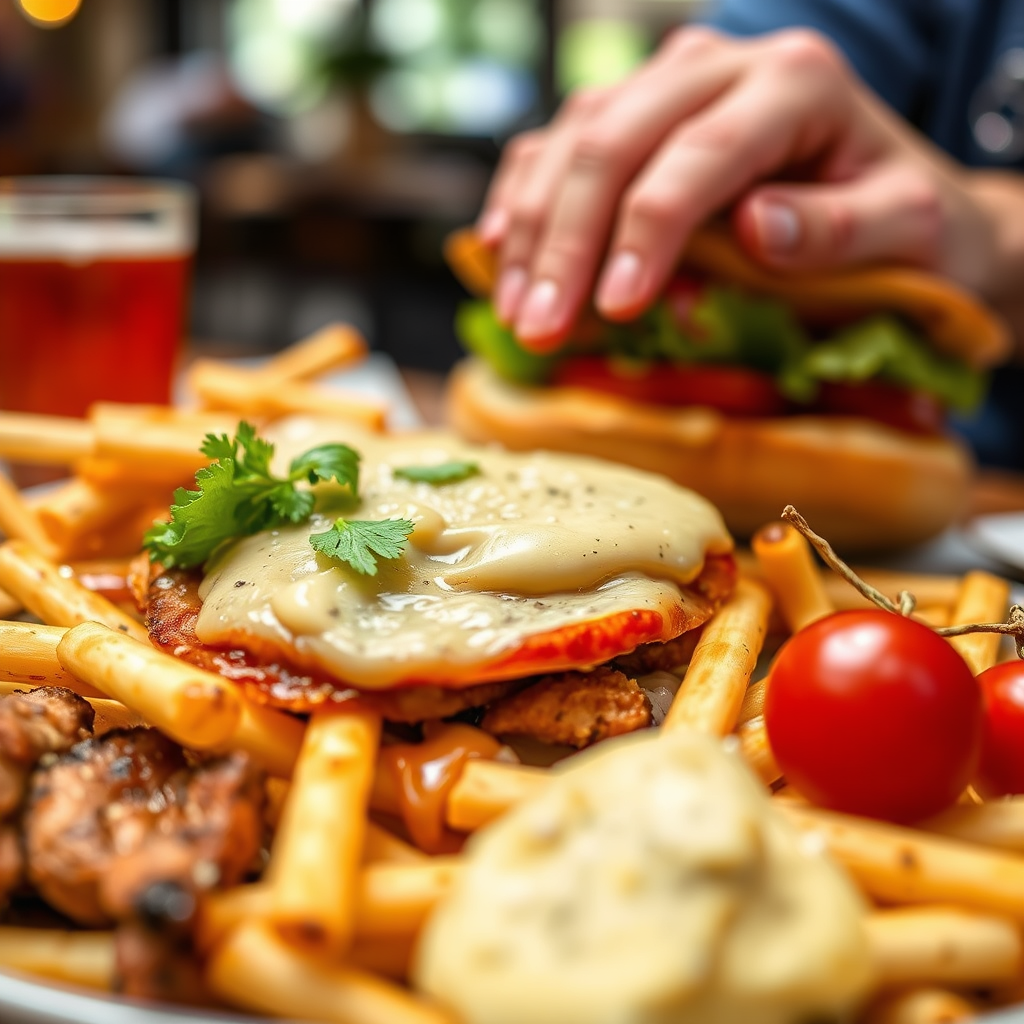
Dining out doesn’t mean derailing your diabetes management. With a few smart strategies, you can enjoy restaurant meals while still making choices that support your health.
* Navigate Menus Wisely: Look for grilled, baked, or steamed options. Don’t hesitate to ask about ingredients and preparation methods to avoid hidden sugars and unhealthy fats.
When you’re out and about, navigating restaurant menus for a diabetes-friendly lunch requires a discerning eye. Your best bet is to gravitate towards dishes described as grilled, baked, broiled, roasted, or steamed. These cooking methods typically use less added fat and sugar. Be wary of terms like “fried,” “crispy,” “creamy,” “battered,” “glazed,” or “sautéed” in butter, as these often signal higher calorie, fat, and sugar content. Don’t be shy about asking your server about ingredients and preparation. For example, inquire if sauces are made from scratch or come pre-made (which can hide sugar), or if vegetables are cooked in butter or oil. Many restaurants are happy to accommodate dietary requests, and a little knowledge goes a long way in making an informed, healthy choice for your “best lunch for diabetics.”
* Practice Portion Awareness: Request sauces and dressings on the side, and consider splitting an entrée or taking half home to manage calorie and carbohydrate intake.
Restaurant portions are notoriously oversized, making portion control a critical strategy when eating out. Even healthy dishes can become unhealthy if the quantity is too large. A simple yet effective trick is to always ask for dressings, sauces, and condiments on the side. This gives you complete control over how much you use, helping you avoid excess sugar, salt, and fat. Another excellent strategy is to proactively manage your entrée size. If dining with a companion, consider sharing a main dish. Alternatively, ask for a to-go box at the beginning of the meal and immediately pack away half of your entrée. This prevents overeating and provides you with another healthy lunch for tomorrow! Being proactive about portion awareness helps you enjoy the dining experience without compromising your blood sugar goals.
* Make Healthy Substitutions: Opt for side salads, steamed vegetables, or a small baked potato (without butter/sour cream) instead of fries, mashed potatoes, or sugary coleslaw.
One of the most powerful tools in your dining-out arsenal is the ability to request healthy substitutions. Most restaurants are accustomed to these requests, especially for common dietary needs. Automatically swap out high-carb, high-fat sides like French fries, mashed potatoes (often loaded with butter and cream), or sugary coleslaw. Instead, ask for a side salad with dressing on the side (or a simple vinaigrette), steamed or grilled vegetables, a small baked potato (plain, or with salsa for flavor), or a cup of broth-based soup. You can also ask to swap refined grains like white rice for brown rice if available, or ask for extra non-starchy vegetables instead of a bread basket. These seemingly small changes add up significantly, allowing you to enjoy a delicious meal that aligns with your diabetes management plan.
Quick & Convenient Grab-and-Go Options
Life gets busy, but a busy schedule shouldn’t be an excuse for unhealthy eating. These grab-and-go options are perfect for ensuring you always have a diabetes-friendly lunch at your fingertips.
* Prepared Bento Boxes: Pack a container with hard-boiled eggs, cheese sticks, carrot and celery sticks, a handful of almonds, and a small portion of berries.
Bento boxes aren’t just for kids; they’re a brilliant way to create a varied, balanced, and diabetes-friendly lunch for adults on the go! The beauty of a bento box is the separation of components, keeping everything fresh and appealing. Start with a protein punch like two hard-boiled eggs, a few slices of low-fat turkey or chicken, or a small container of cottage cheese or Greek yogurt. Pair this with fiber-rich non-starchy vegetables like carrot sticks, celery sticks, bell pepper strips, or cucumber rounds. For healthy fats and extra crunch, add a small handful of almonds, walnuts, or pecans. A small serving of low-glycemic berries (like blueberries or raspberries) can satisfy a sweet craving without significant blood sugar impact. You can prepare several of these on a Sunday evening, making weekday lunch prep a breeze. This diverse mix ensures you get essential nutrients and feel satisfied until your next meal.
* Yogurt Parfaits (Unsweetened): Layer plain Greek yogurt with a few berries and a sprinkle of chopped nuts or a tablespoon of chia seeds for protein and fiber.
A homemade unsweetened yogurt parfait is a fantastic and refreshing grab-and-go option for your best lunch for diabetics, especially when you need something quick and cool. The key is to start with plain, unsweetened Greek yogurt, which is higher in protein and lower in sugar than regular flavored yogurts. Layer it in a reusable container with a small handful of fresh berries (strawberries, blueberries, or raspberries are all great low-carb choices). For added fiber, healthy fats, and a satisfying crunch, sprinkle in a tablespoon of chopped nuts (almonds, walnuts) or a tablespoon of chia or flax seeds. Avoid granola, which is often high in sugar and carbohydrates. This combination provides a powerful punch of protein to keep you full, fiber for blood sugar management, and antioxidants from the berries, all in a convenient, portable package.
* Canned Fish & Crackers: Tuna or salmon pouches with whole-grain crackers and some cucumber slices make for a quick and satisfying protein-rich meal.
When time is of the essence, canned fish is a true hero for a diabetes-friendly lunch. Individual pouches or small cans of tuna or salmon (packed in water, not oil, for lower fat content) are incredibly convenient and provide a powerful dose of lean protein and beneficial omega-3 fatty acids. Pair your fish with 100% whole-grain crackers for controlled complex carbohydrates and fiber. To round out the meal and add freshness, include some crunchy cucumber slices, bell pepper strips, or cherry tomatoes. You can even mix the tuna or salmon with a little mashed avocado or a tiny bit of Greek yogurt and herbs for a more flavorful spread. This option is not only quick to assemble but also highly portable, making it an excellent choice for work, travel, or any time you need a nutritious meal in a hurry.
Beyond the Plate: Drinks and Mindful Eating
What you drink and how you eat are just as important as what’s on your plate for effective diabetes management. Integrating these practices can significantly enhance your overall well-being.
* Hydration is Key: Choose water, unsweetened tea, or coffee as your primary beverages. Avoid sugary sodas, fruit juices, and sweetened specialty drinks.
While we focus a lot on food, what you drink plays a massive role in blood sugar management. For diabetics, hydration is absolutely key, and the best choice is always water. Water has zero calories, zero carbohydrates, and zero impact on your blood sugar. Make it your go-to beverage throughout the day, especially with your lunch. If you crave something with more flavor, unsweetened tea (green, black, or herbal) or plain coffee (without added sugar or creamy sweeteners) are excellent alternatives. Steer clear of sugary sodas, fruit juices (even 100% fruit juice is concentrated sugar without the beneficial fiber of whole fruit), and sweetened specialty coffees or teas. These drinks can cause rapid blood sugar spikes, undoing all your careful food choices. Consider infusing your water with slices of cucumber, lemon, lime, or a few berries for a naturally delicious and refreshing twist.
* Mindful Eating Practices: Pay attention to your body’s hunger and fullness cues. Eat slowly, savoring your food, which can aid digestion and prevent overeating.
Eating mindfully is a powerful tool for blood sugar control and overall health, moving beyond just what you eat to how you eat. When you sit down for your diabetes-friendly lunch, take a moment to truly pay attention to your body. Are you genuinely hungry? As you eat, slow down. Put your fork down between bites. Chew your food thoroughly and savor the flavors and textures. This practice not only enhances your enjoyment of the meal but also gives your brain time to register fullness cues from your stomach, which can take about 20 minutes. Eating too quickly can lead to overeating because you consume more food before your body signals that it’s satisfied. Mindful eating reduces stress, improves digestion, and helps you make more conscious choices about your food intake, leading to better blood sugar management and a more positive relationship with food.
* Consider Meal Timing: Consistency in meal times can help stabilize blood sugar. Plan your lunch for roughly the same time each day if possible.
Beyond the specific foods you choose, the timing of your meals can also significantly impact blood sugar stability. While flexibility is sometimes necessary, aiming for consistency with your lunch timing can be very beneficial. Eating your lunch at roughly the same time each day helps to regulate your body’s natural rhythms and can support more predictable blood sugar responses. Irregular meal times can sometimes lead to greater fluctuations in glucose levels. Your body gets into a routine, and providing fuel at consistent intervals helps maintain that rhythm. If you’re on medication, consistent timing also ensures your medication works effectively with your food intake. Try to establish a lunch routine that works for your schedule, and your body will likely thank you with more stable blood sugar levels and sustained energy throughout the afternoon.
Crafting the best lunch for diabetics is about making informed, balanced choices that support blood sugar management and overall health. By focusing on fiber, lean protein, healthy fats, and smart carbohydrate choices, you can create satisfying and delicious meals every day. Start experimenting with these ideas and consult with a registered dietitian or healthcare provider to personalize a meal plan that fits your unique needs and preferences.
Frequently Asked Questions
What are the key components of a healthy, balanced lunch for diabetics?
A balanced diabetic lunch should prioritize lean protein (e.g., chicken, fish, beans) for satiety and muscle health, paired with plenty of non-starchy vegetables for fiber and essential nutrients. Incorporate complex carbohydrates like whole grains or legumes in controlled portions to manage blood sugar, and include healthy fats from sources like avocado or nuts for sustained energy. This combination helps stabilize blood glucose levels and keeps you feeling full.
How can I prepare and pack a convenient diabetic-friendly lunch for work or school?
Preparing diabetic-friendly lunches in advance is key for convenience and blood sugar management. Opt for meal prepping on weekends by portioning out components like grilled chicken, roasted vegetables, and a serving of quinoa into reusable containers. Consider packable options like salads with lean protein, whole-wheat wraps filled with hummus and veggies, or leftover portions of a healthy dinner that reheat well, ensuring easy access to nutritious choices.
Why is monitoring carbohydrate intake crucial when choosing lunch options for managing diabetes?
Monitoring carbohydrate intake is crucial for diabetics at lunchtime because carbohydrates have the most significant impact on blood glucose levels. Carefully counting carbs allows you to accurately dose insulin or manage your medication, preventing sharp spikes and subsequent crashes. Choosing complex carbohydrates in appropriate portions, rather than refined sugars, helps maintain stable energy and better overall glycemic control throughout the afternoon.
What are some quick and easy lunch ideas for diabetics looking for grab-and-go options?
For quick and easy diabetic lunch ideas, consider a pre-made salad kit enhanced with extra lean protein like canned tuna or hard-boiled eggs, or a low-carb wrap with turkey, cheese, and plenty of non-starchy veggies. Another excellent grab-and-go option is Greek yogurt paired with a small handful of berries and nuts, or even a robust vegetable soup rich in fiber and lean protein for a satisfying meal. These choices help manage blood sugar without extensive prep.
Which foods should diabetics limit or avoid when planning their lunch to maintain stable blood sugar?
Diabetics should limit or avoid highly processed foods, sugary drinks, and refined carbohydrates at lunch, as these can cause rapid blood sugar spikes. This includes items like white bread sandwiches, sugary yogurts, fried foods, and processed snacks. Instead, prioritize whole, unprocessed foods that are rich in fiber and lean protein to support stable blood glucose levels and promote overall metabolic health.
References
- Simple Diabetes Meal Plan: Manage Blood Glucose with the Diabetes Plate
- Healthy Living with Diabetes – NIDDK
- https://www.cdc.gov/diabetes/managing/healthy-eating.html
- https://www.mayoclinic.org/diseases-conditions/diabetes/in-depth/diabetes-diet/art-20044295
- https://www.hsph.harvard.edu/nutritionsource/disease-prevention/diabetes-diet/
- https://health.clevelandclinic.org/what-to-eat-when-you-have-diabetes/
- https://diabetes.org/food-nutrition/recipes/lunches-dinner