

For diabetic dogs, the “best” food is typically a carefully formulated diet designed to stabilize blood glucose levels, often a prescription veterinary diet. These specialized foods emphasize high-quality protein, controlled fat, and complex carbohydrates with a significant amount of dietary fiber. Selecting the right food is crucial for managing your dog’s diabetes effectively, helping to maintain a healthy weight and overall well-being. This specialized approach ensures that your furry friend receives the precise nutrition needed to thrive, preventing dangerous fluctuations in blood sugar and supporting their long-term health.




Understanding Your Diabetic Dog’s Dietary Needs

When your beloved canine companion receives a diagnosis of diabetes mellitus, it can feel overwhelming. Diabetes in dogs means their body isn’t producing enough insulin or isn’t using it effectively, leading to high blood sugar levels. While insulin therapy is vital, diet stands as an equally critical cornerstone in managing this condition effectively. Think of their diet as a finely tuned instrument that, when played correctly, harmonizes with their insulin to keep them feeling their best.
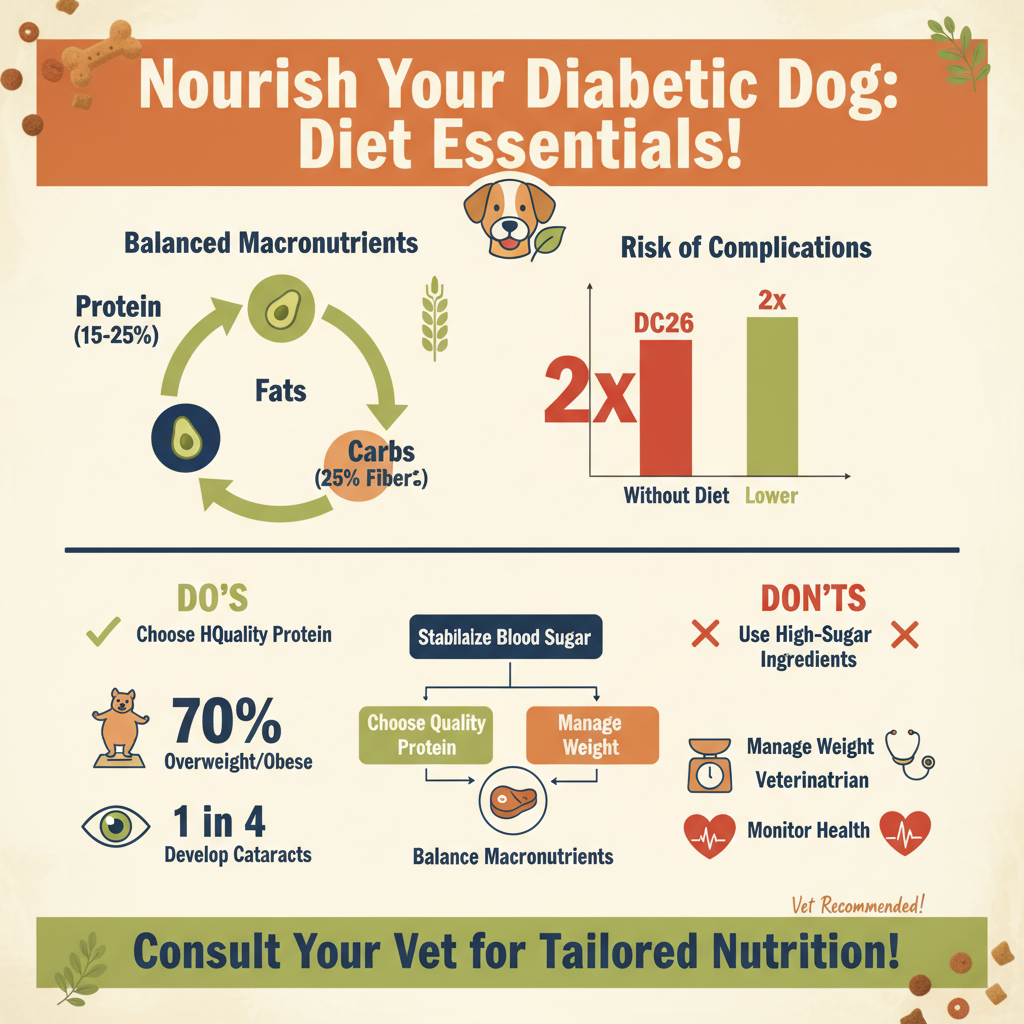
The primary goal of a diabetic diet is to stabilize blood sugar levels throughout the day, preventing both dangerous spikes (hyperglycemia) and drops (hypoglycemia). Consistent blood sugar management helps reduce the risk of serious complications like cataracts, nerve damage, and kidney issues, vastly improving your dog’s quality of life. Beyond glucose control, a consistent and carefully chosen diet also helps in managing weight. Many diabetic dogs are overweight or obese, which can complicate insulin resistance and overall disease management. A balanced diet promotes a healthy body condition, making insulin more effective and supporting their overall health and vitality. It’s all about creating a predictable, stable internal environment for your dog.
Essential Macronutrient Balance

The specific balance of protein, fats, and carbohydrates in your diabetic dog’s food is incredibly important. Each macronutrient plays a distinct role in glucose metabolism and overall health.
* High-Quality Protein: Protein is essential for maintaining muscle mass and promoting satiety without significantly impacting blood glucose. Unlike carbohydrates, protein takes longer to digest and has a less direct effect on blood sugar levels. When choosing food for your diabetic dog, look for whole meat sources like chicken, turkey, lamb, or fish as the first ingredients. These provide highly digestible amino acids crucial for tissue repair, immune function, and maintaining that strong, lean physique your dog needs. Adequate protein also helps your dog feel full and satisfied, which is particularly helpful if they’re on a weight management plan.
* Moderate, Healthy Fats: While fat is an essential energy source and helps absorb fat-soluble vitamins, it should be controlled in a diabetic diet. Too much fat can lead to weight gain, pancreatitis, and might even interfere with insulin sensitivity. The key is moderation and focusing on healthy fats. Look for sources like fish oil, flaxseed, or moderate amounts of chicken fat. Omega-3 fatty acids, found in fish oil, are particularly beneficial. They boast anti-inflammatory properties that can support skin, coat, and joint health, and may even improve insulin sensitivity, contributing positively to your dog’s overall well-being.
* Complex Carbohydrates & Low Glycemic Index: Carbohydrates are necessary for energy, but for diabetic dogs, they must be slow-digesting to prevent rapid glucose spikes. Simple sugars and highly refined grains cause a quick surge in blood glucose, making insulin regulation a nightmare. Instead, your dog needs complex carbohydrates with a low glycemic index. These carbohydrates break down slowly, releasing glucose gradually into the bloodstream, which helps maintain stable blood sugar levels. Preferred ingredients include barley (hulled or pearled), oats (rolled or steel-cut), brown rice, quinoa, and sweet potatoes. These ingredients are rich in fiber, which further aids in slowing digestion and promoting steady energy release.
The Crucial Role of Fiber
Fiber might not sound like the most exciting ingredient, but for diabetic dogs, it’s a true nutritional superstar. It plays several critical roles in managing their condition.
* Stabilizes Blood Sugar: High fiber content, particularly a well-balanced blend of soluble and insoluble fibers, is instrumental in blood sugar stabilization. Soluble fiber (found in ingredients like psyllium or beet pulp) forms a gel in the digestive tract, slowing down the absorption of glucose into the bloodstream. Insoluble fiber (found in cellulose, peas, or green beans) adds bulk, which helps regulate the speed at which food passes through the digestive system. Together, they create a much more gradual and controlled release of glucose after meals, preventing those unwanted spikes that are so detrimental to diabetic management.
* Promotes Satiety & Weight Management: If your diabetic dog needs to lose weight or maintain a healthy weight, fiber is your best friend. It helps dogs feel fuller for longer by adding bulk to their food without adding significant calories. This increased satiety can be a game-changer, reducing begging and making it easier to stick to portion control. By managing appetite and calorie intake, fiber directly contributes to achieving and maintaining an ideal body condition, which is a cornerstone of effective diabetes management.
* Supports Digestive Health: Beyond blood sugar and weight, adequate fiber promotes regular bowel movements and supports a healthy gut microbiome. Fiber acts as a prebiotic, feeding the beneficial bacteria in your dog’s gut, which is vital for nutrient absorption and overall digestive wellness. A healthy digestive system is a happy dog, and for diabetic dogs, optimal gut health can also indirectly support better overall metabolism and immune function.
Prescription Diabetic Dog Foods
When it comes to managing canine diabetes, prescription veterinary diets are often the gold standard, and for very good reason.
* Veterinarian-Formulated: These diets are not just generic “healthy” foods; they are specifically designed by veterinary nutritionists who understand the intricate metabolic needs of diabetic dogs. They offer a precisely balanced nutrient profile, carefully controlling carbohydrate sources, fat levels, and fiber content to achieve optimal blood glucose regulation. Every ingredient is chosen for its specific role in supporting pancreatic function, insulin sensitivity, and overall health outcomes. They are truly a scientific blend, tailored for a complex medical condition.
* Clinical Efficacy: Prescription diabetic dog foods aren’t just theoretical solutions; they are often clinically proven to help manage blood glucose effectively. Studies and trials have demonstrated their ability to stabilize blood sugar, support healthy weight, and minimize complications commonly associated with diabetes. This means you’re feeding your dog a diet backed by science, designed to provide measurable positive results and help extend their healthy years.
* Recommended First Choice: For these compelling reasons, your veterinarian will likely recommend a prescription diet as the most effective starting point for managing canine diabetes. They provide a reliable, consistent, and precisely formulated nutritional foundation that makes managing blood sugar levels much more predictable than attempting to balance a commercial diet on your own. Discussing these options with your vet is the first and most important step in establishing an effective long-term dietary plan for your dog.
What to Look For (and Avoid) in Commercial Diets
While prescription diets are generally the first recommendation, sometimes owners explore commercial options. If you’re considering a non-prescription food, it’s absolutely crucial to know what to look for and what to steer clear of, always with your vet’s guidance.
* Prioritize:
* Whole Meat as the First Ingredient: Look for named whole meat sources like “chicken,” “lamb,” or “salmon” at the top of the ingredient list. This indicates a high-quality protein source.
* Complex Carbohydrates: Seek out ingredients like barley, oats, brown rice, or quinoa. These provide slow-releasing energy.
* High Fiber Content: Aim for foods with a fiber content over 5% on a dry matter basis. Check the “guaranteed analysis” on the label. A good mix of soluble and insoluble fibers (e.g., beet pulp, psyllium, cellulose) is ideal.
* Clear Ingredient Lists: Opt for brands that have transparent and understandable ingredient lists, avoiding vague terms like “animal by-products” or “meat meal” without specification (unless it’s a named meat meal like “chicken meal,” which can be a good concentrated protein source).
* Avoid:
* High Amounts of Simple Sugars: Be vigilant for ingredients like corn syrup, molasses, sucrose, fructose, dextrose, or any fruit concentrates (e.g., apple concentrate) high up on the ingredient list. These cause rapid and dangerous blood sugar spikes.
* Refined Grains: Steer clear of foods where ingredients like white flour, corn gluten meal, or large amounts of white rice are primary carbohydrate sources, as they are quickly digested and can elevate blood sugar quickly.
* Excessive Fillers or Artificial Additives: While not directly affecting blood sugar, these can be less nutritious and potentially cause digestive upset, which is best avoided in a dog with a sensitive system.
* Consult Your Vet: This cannot be stressed enough. If a prescription diet isn’t feasible, always, always discuss any commercial diet options with your veterinarian. They can help you analyze ingredient lists, understand the nutrient breakdown, and determine if a particular food meets your dog’s specific needs and calorie requirements. They can also advise on how to monitor your dog’s blood glucose at home if you’re trying a commercial diet, ensuring their safety and well-being.
Feeding Schedule and Monitoring
Beyond what you feed, how and when you feed your diabetic dog are equally critical for successful management. Consistency is key to establishing a stable routine that works in harmony with their insulin.
* Consistent Meal Times: Feeding your diabetic dog at the same time each day, usually in conjunction with their insulin injections, is absolutely critical for stable blood sugar. Insulin dosage and timing are carefully calibrated to coincide with food absorption. Disrupting this schedule can lead to significant and dangerous fluctuations in blood glucose. Most diabetic dogs do best with two equally spaced meals, typically 12 hours apart, to provide a steady supply of nutrients and prevent hunger while maximizing the effectiveness of their insulin. Free-feeding is generally not recommended for diabetic dogs because it makes blood sugar management unpredictable.
* Portion Control: Precisely measuring food portions as recommended by your vet is essential to prevent both over and underfeeding. Overfeeding can lead to weight gain and hyperglycemia, while underfeeding can result in weight loss and hypoglycemia. Invest in a digital kitchen scale for accuracy; scooping can be inconsistent. Your vet will provide a specific caloric target and portion size based on your dog’s ideal weight, activity level, and insulin dosage. Stick to this meticulously. Every kibble counts when managing diabetes!
* Regular Veterinary Check-ups: Regular blood glucose monitoring and vet visits are non-negotiable for fine-tuning your dog’s diet and insulin dosage as needed. These check-ups might include blood glucose curves (monitoring blood sugar over several hours), fructosamine tests (providing an average blood glucose level over 1-3 weeks), and overall health assessments. Your vet will evaluate your dog’s response to the current diet and insulin regimen, making adjustments to keep them in optimal health. Don’t underestimate the power of your observations at home either – changes in appetite, thirst, urination, or energy levels are important clues to share with your vet.
Choosing the right food is one of the most impactful steps you can take to manage your dog’s diabetes and ensure a good quality of life. The ideal diet will feature a balance of high-quality protein, controlled healthy fats, complex carbohydrates, and high fiber to stabilize blood sugar. Always work closely with your veterinarian to select the best food for your individual dog, establish a consistent feeding schedule, and monitor their response to the diet. Your vet is your best resource for tailored advice and ongoing support in caring for your diabetic companion, helping you both navigate this journey with confidence and love.
Frequently Asked Questions
What is the best type of commercial dog food for a diabetic dog?
The best commercial dog food for a diabetic dog typically consists of veterinary-prescribed formulas specifically designed to manage canine diabetes. These specialized diets are usually high in complex carbohydrates and fiber, moderate in protein, and lower in fat to help stabilize blood glucose levels. Look for options with a low glycemic index to ensure a slow and steady release of energy, preventing sharp spikes in blood sugar after meals. Always consult your veterinarian to determine the most appropriate prescription food for your dog’s specific needs.
Why is a high-fiber, low-carb diet crucial for diabetic dogs?
A high-fiber, low-carb diet is crucial for diabetic dogs because fiber helps to slow down the digestion and absorption of glucose into the bloodstream, leading to more stable blood sugar levels. Complex carbohydrates and increased fiber content improve satiety and can also enhance insulin sensitivity, making the body’s natural insulin (or injected insulin) more effective. This dietary approach minimizes post-meal blood glucose spikes, which is vital for managing canine diabetes effectively and promoting overall canine health.
How can meal timing and portion control impact blood sugar management in diabetic dogs?
Consistent meal timing and precise portion control are paramount for effective blood sugar management in diabetic dogs. Feeding meals at regular, predictable intervals, ideally coinciding with insulin injections, helps ensure that the dog’s body has glucose available when the insulin is most active, preventing both hyperglycemia and hypoglycemia. Dividing daily food intake into smaller, more frequent meals can also help maintain stable blood glucose levels throughout the day, avoiding large fluctuations. This consistent routine is vital for optimizing insulin efficacy and overall health for dogs with diabetes.
Which ingredients should be strictly avoided when feeding a dog with diabetes?
When feeding a dog with diabetes, you must strictly avoid ingredients like simple sugars (e.g., corn syrup, molasses, honey, fruit juice), high glycemic carbohydrates (e.g., white rice, potato in excess, certain highly processed grains), and excessive unhealthy fats. These ingredients can cause rapid and dangerous spikes in blood glucose levels, making diabetes management very challenging. Additionally, be wary of artificial sweeteners and anything that offers “empty calories” without nutritional value, as they provide no benefit and can disrupt metabolic balance.
Can homemade dog food be a safe and effective option for diabetic dogs, and what considerations are there?
Homemade dog food can be a safe and effective option for diabetic dogs, but it absolutely requires careful planning and close supervision from a veterinary nutritionist. To ensure it provides genuine value, the diet must be precisely balanced in terms of macronutrients (protein, fat, complex carbohydrates, fiber) to avoid nutritional deficiencies or blood sugar destabilization. Regular blood glucose monitoring and frequent adjustments to the recipe, based on your dog’s response, are critical to its success and safety for managing canine diabetes.
References
- https://www.vet.upenn.edu/docs/default-source/vcic/dm-food.pdf
- https://www.vet.cornell.edu/departments-centers-and-institutes/cornell-university-hospital-animals/clinics/nutrition/resources/feeding-diabetic-pets
- https://vetmed.tufts.edu/wp-content/uploads/DM-in-Dogs-Handout.pdf
- Kennel Cough in Dogs – Veterinary Partner – VIN
- https://www.ncbi.nlm.nih.gov/pmc/articles/PMC8949576/
- https://www.aaha.org/aaha-guidelines/diabetes-management/for-pet-owners/