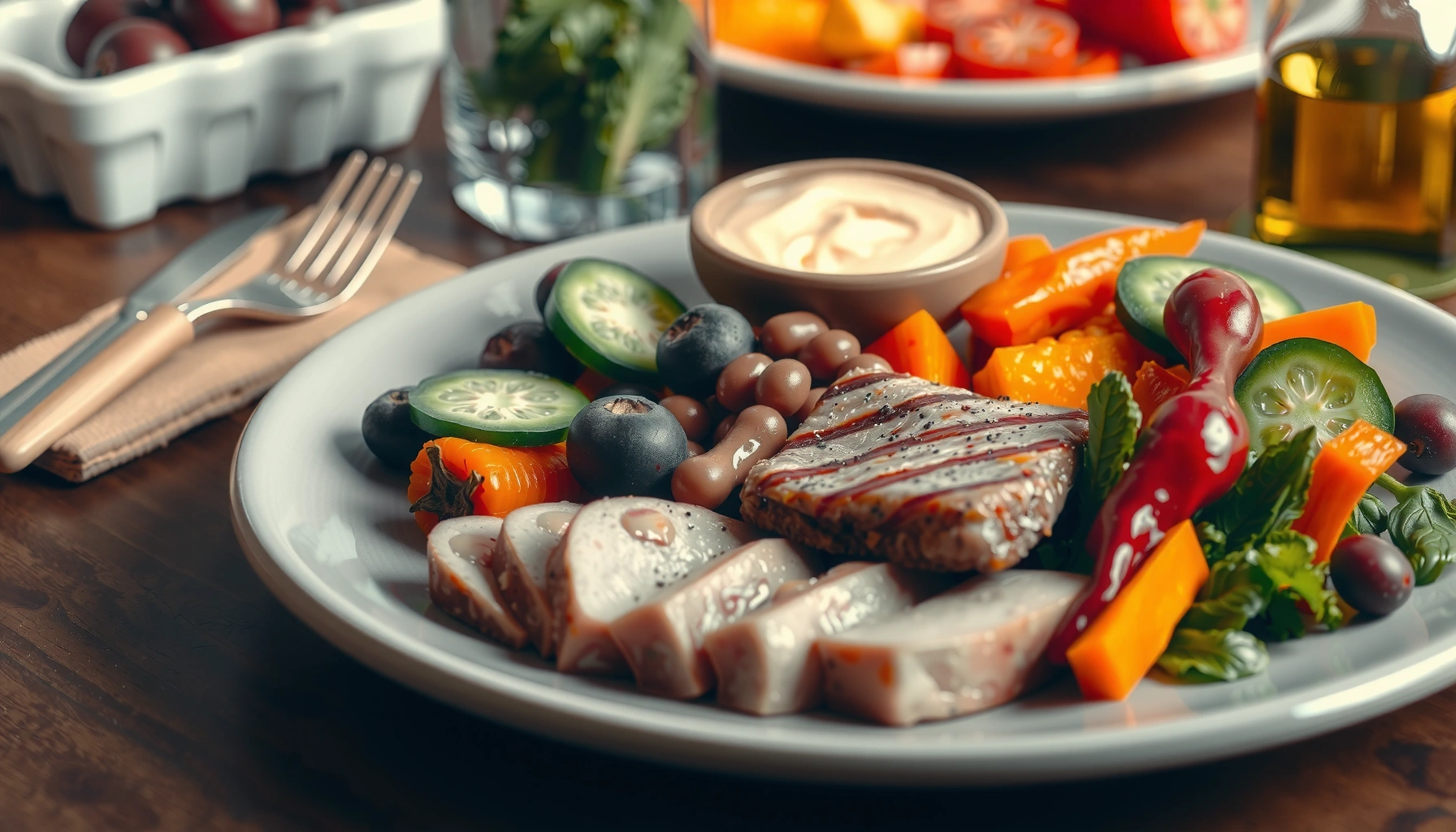

The best dinner for diabetics isn’t a single dish, but rather a balanced approach that focuses on stable blood sugar, satiety, and overall nutrition. It typically involves controlled portions of complex carbohydrates, ample lean protein, healthy fats, and a rich array of fiber-filled non-starchy vegetables. Crafting such meals helps manage blood glucose levels effectively while ensuring you enjoy delicious and satisfying meals every night.




The Pillars of a Diabetic-Friendly Dinner
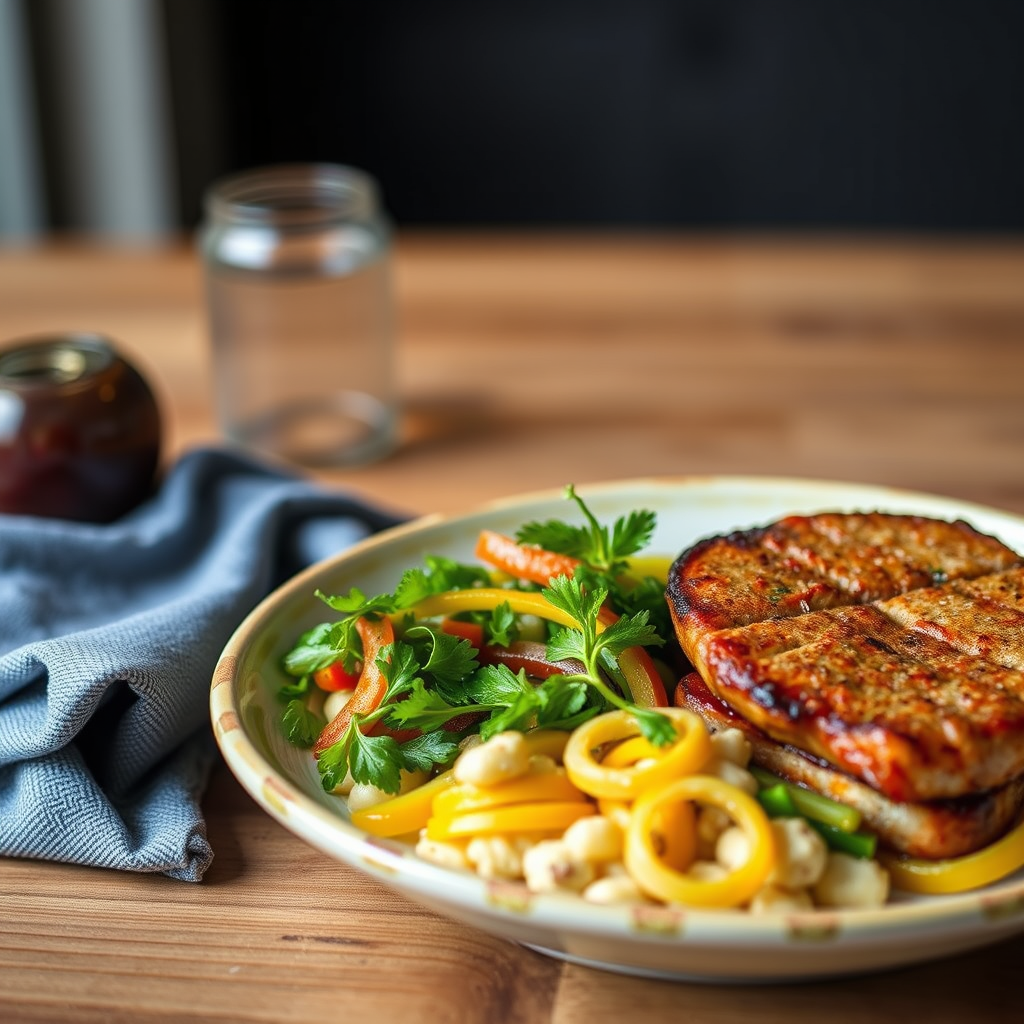
Creating a dinner that supports diabetes management feels less like a restriction and more like a superpower once you understand the core principles. It’s about empowering yourself with knowledge to make delicious choices that benefit your body.
– Balanced Macronutrients: Imagine your dinner plate as a carefully composed orchestra, where each section plays a vital role. For diabetics, this means aiming for a thoughtful balance of complex carbohydrates, lean protein, and healthy fats. This trio works synergistically to stabilize blood sugar levels, provide sustained energy, and keep you feeling full and satisfied. Carbs offer energy, protein builds and repairs tissues while promoting satiety, and healthy fats support various bodily functions and further enhance fullness. The key is finding the right proportions for *your* body, often guided by the plate method we’ll discuss later.
– Blood Sugar Management: This is often the primary concern for individuals managing diabetes, and dinner plays a crucial role. Prioritizing foods that help prevent sharp spikes in blood glucose is paramount. This means choosing ingredients that release sugar into your bloodstream slowly and steadily, avoiding the roller-coaster effect of rapid highs and lows. We’ll delve into specific food choices and cooking methods that support this goal, helping you maintain a more stable and predictable blood sugar profile throughout the night and into the next morning.
– Nutrient Density: Beyond just blood sugar, overall health is incredibly important. Nutrient density refers to how many beneficial vitamins, minerals, antioxidants, and fiber a food contains relative to its calorie count. For diabetic-friendly dinners, this means focusing on whole, unprocessed foods. Think vibrant vegetables, wholesome grains, and natural proteins, rather than highly processed options often stripped of their goodness. These nutrient-packed ingredients not only contribute to stable blood sugar but also support heart health, immune function, and provide the essential building blocks your body needs to thrive.
Mastering Carbohydrate Choices & Portions
Carbohydrates are often viewed with caution in diabetic meal planning, but they are a crucial energy source! The trick isn’t to eliminate them, but to make smart choices and manage portions like a pro.
– Complex vs. Simple Carbs: This is perhaps the most fundamental distinction when it comes to carbohydrate choices. Complex carbohydrates are your best friends. These are found in whole grains like brown rice, quinoa, whole-wheat pasta, oats, and barley, as well as legumes (beans, lentils) and starchy vegetables (sweet potatoes, corn, peas in moderation). They contain more fiber and take longer for your body to break down, leading to a slower, more gradual rise in blood sugar. On the other hand, simple carbohydrates (found in sugary drinks, white bread, white rice, pastries, and processed snacks) are quickly digested, causing rapid blood sugar spikes. Making the switch to complex carbs is one of the most impactful changes you can make to your dinner routine.
– Portion Control is Key: Even healthy, complex carbohydrates impact blood sugar, so understanding appropriate serving sizes is crucial for effective diabetes management. What might be a healthy portion for one person could be too much for another, depending on activity levels, medication, and individual needs. A good starting point is often a quarter of your plate, roughly the size of a clenched fist, for cooked grains or starchy vegetables. Learning to visually estimate portions or using measuring cups and food scales occasionally can help you get a feel for what a healthy portion looks like for *you*. Consulting with a registered dietitian can provide personalized guidance on your ideal carbohydrate intake.
– Fiber’s Role: Fiber is a superstar nutrient, especially for diabetics! High-fiber carbohydrates, common in whole grains, vegetables, fruits, and legumes, play a critical role in slowing down sugar absorption. This means less dramatic blood sugar spikes after meals. Beyond blood sugar management, fiber also aids in digestion, helps lower cholesterol, and contributes significantly to feelings of fullness, preventing overeating. Aim to incorporate a variety of high-fiber foods into your dinner, whether it’s by choosing whole-grain pasta, adding extra beans to a chili, or loading up on leafy greens.
Lean Proteins for Satiety & Stability
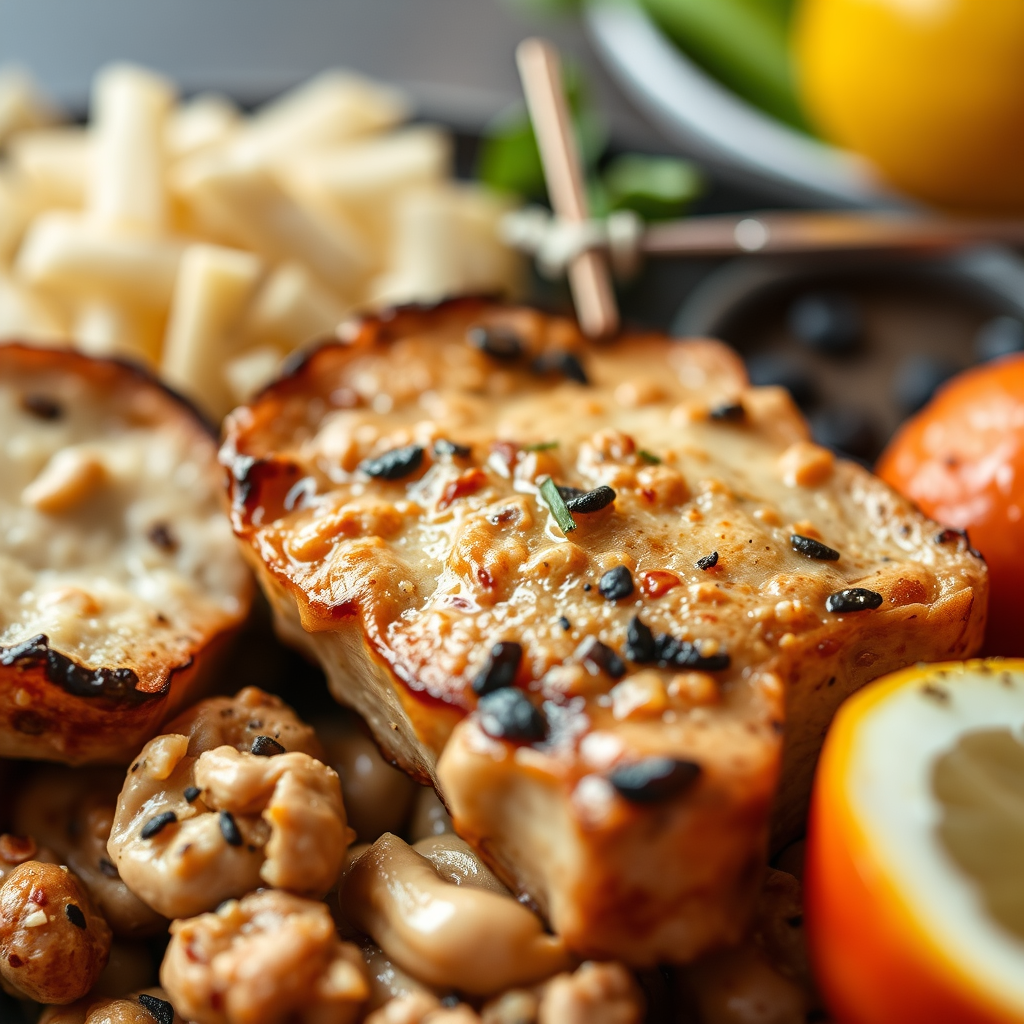
Protein is a powerful ally in your diabetic dinner strategy. It’s not just for building muscles; it’s a key player in keeping you satisfied and your blood sugar steady.
– Building Block of Meals: Including a source of lean protein in every dinner is a fantastic strategy to help you feel full longer and minimize blood sugar fluctuations. Protein has a minimal direct impact on blood glucose levels and actually slows down the digestion and absorption of carbohydrates eaten alongside it. This helps to create a more gradual and sustained release of energy, preventing those uncomfortable hunger pangs that can lead to unhealthy snacking later in the evening. It’s the silent hero that brings balance and lasting satisfaction to your plate.
– Excellent Choices: The good news is there’s a wide variety of delicious lean protein options to choose from! Think skinless chicken breast or turkey, which are versatile and can be prepared in countless ways. Fish, especially fatty fish like salmon, mackerel, and trout, offers the added benefit of omega-3 fatty acids, which are great for heart health. Plant-based proteins like tofu, tempeh, beans, and lentils are also fantastic choices, often packing a double punch of protein and fiber. And for those who enjoy red meat, lean cuts of beef or pork (like sirloin, tenderloin, or flank steak) can be enjoyed in moderation. The key is focusing on sources with lower saturated fat content.
– Cooking Methods: How you prepare your protein can make a big difference in the overall health profile of your meal. Opt for healthier cooking methods like grilling, baking, broiling, poaching, or steaming over frying. These methods require minimal added fats, helping to keep your meals lighter and healthier. For instance, a beautifully baked salmon with herbs or a perfectly grilled chicken breast with a squeeze of lemon are not only delicious but also align perfectly with a diabetic-friendly eating plan. Experiment with different seasonings and marinades to keep your protein exciting and flavorful without relying on heavy sauces or excessive oil.
Healthy Fats and Non-Starchy Vegetables
These two components are not just sides; they’re essential cornerstones of a truly nourishing and blood sugar-friendly dinner. They add flavor, texture, and a wealth of health benefits.
– Beneficial Fats: While moderation is always key with fats, incorporating sources of healthy fats is incredibly beneficial for heart health and satiety. Fats slow down digestion, contributing to that feeling of fullness and helping to stabilize blood sugar levels further. Think delicious additions like a quarter of an avocado sliced into your salad, a sprinkle of nuts (like almonds or walnuts) or seeds (chia, flax, hemp) over your main dish, or simply using a good quality extra virgin olive oil for dressing salads or light sautéing. These “good” fats provide essential fatty acids, support vitamin absorption, and add wonderful richness to your meals.
– Vegetable Powerhouse: Non-starchy vegetables are truly a diabetic’s best friend – and they should fill at least half your plate! These vibrant powerhouses are incredibly low in calories and carbohydrates, meaning they have a minimal impact on blood sugar. Yet, they are bursting with vital vitamins, minerals, antioxidants, and, crucially, fiber. Get creative and enjoy a rainbow of options like leafy greens (spinach, kale, romaine), crunchy broccoli, colorful bell peppers, tender zucchini, crisp green beans, asparagus, cauliflower, and mushrooms. They can be roasted, steamed, grilled, stir-fried, or enjoyed raw – the possibilities are endless!
– Fiber and Nutrients: We can’t stress it enough: non-starchy vegetables are packed with fiber, which is fantastic for slowing down sugar absorption and promoting digestive health. Beyond fiber, they deliver a vast array of micronutrients essential for overall well-being. From Vitamin C in bell peppers to Vitamin K in leafy greens, and potassium in broccoli, these vegetables provide critical support for various bodily functions, boost your immune system, and contribute to long-term health. Making them the star of your plate ensures you’re getting a nutrient-dense meal with minimal impact on your blood glucose.
Delicious Diabetic-Friendly Dinner Ideas
Eating well for diabetes doesn’t mean sacrificing flavor or variety. These ideas offer convenience, taste, and are perfectly aligned with managing blood sugar.
– Sheet Pan Meals: If ease and minimal cleanup are your goals, sheet pan meals are an absolute game-changer! Imagine a single pan filled with a medley of colorful, non-starchy vegetables like broccoli florets, sliced bell peppers, crisp asparagus, and zucchini, all tossed with a light drizzle of olive oil, herbs (like oregano, thyme, or rosemary), and garlic powder. Alongside, you can roast perfectly seasoned pieces of lean protein such as chicken breast, cod fillets, or firm tofu cubes. The magic happens as everything roasts together, infusing flavors and cooking to tender perfection. This method ensures even cooking and a beautiful presentation, making healthy eating feel effortless and delicious.
– Hearty Salads: Forget the limp, sad salads of the past! A hearty salad can be a wonderfully satisfying and nutrient-packed dinner. Start with a generous base of mixed leafy greens (spinach, romaine, arugula), then pile on a substantial grilled protein like sliced chicken, flaky salmon, or marinated chickpeas for a plant-based option. Add a variety of non-starchy veggies such as cucumber, cherry tomatoes, shredded carrots, radish slices, and bell peppers. For extra healthy fats and crunch, sprinkle a few slivered almonds or pumpkin seeds. Finish with a light, homemade vinaigrette dressing using olive oil, vinegar (balsamic, apple cider), Dijon mustard, and herbs, rather than creamy, high-sugar store-bought options.
– Stir-Fries: Stir-fries are fantastic for their speed, versatility, and ability to pack in a ton of vegetables. Begin with your choice of lean protein – thinly sliced chicken, succulent shrimp, or firm tofu cubes – quickly cooked in a wok or large skillet. Then, add an abundant amount of your favorite non-starchy vegetables; think snap peas, broccoli florets, mushrooms, bok choy, and thinly sliced carrots. Create a flavorful, diabetic-friendly sauce using low-sodium soy sauce or tamari, a touch of ginger, garlic, a splash of rice vinegar, and perhaps a tiny bit of stevia or erythritol if you need sweetness. Serve this vibrant mix with a small portion of brown rice or quinoa, rather than white rice, to provide complex carbohydrates that help manage blood sugar.
Smart Meal Planning and Portioning Tips
Being prepared is half the battle when it comes to healthy eating. These tips will help you stay on track and make smart choices consistently.
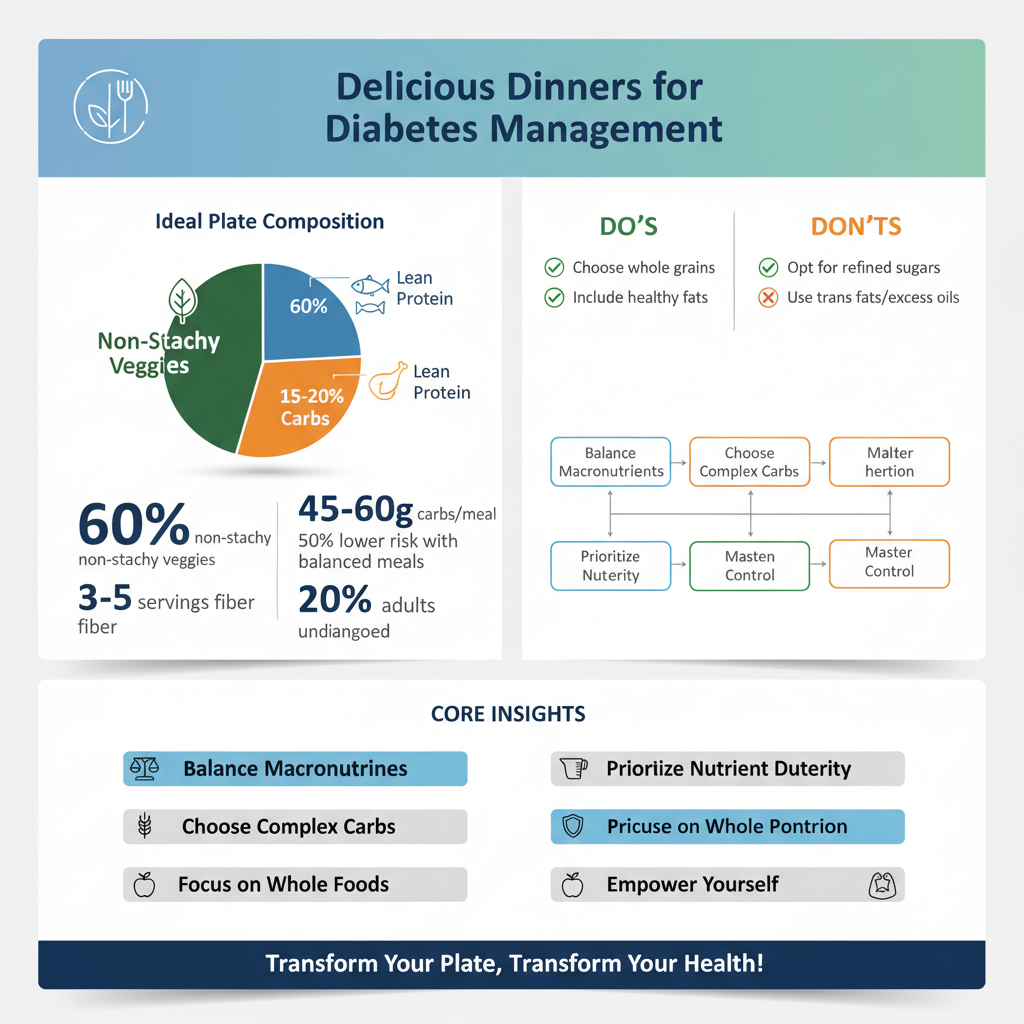
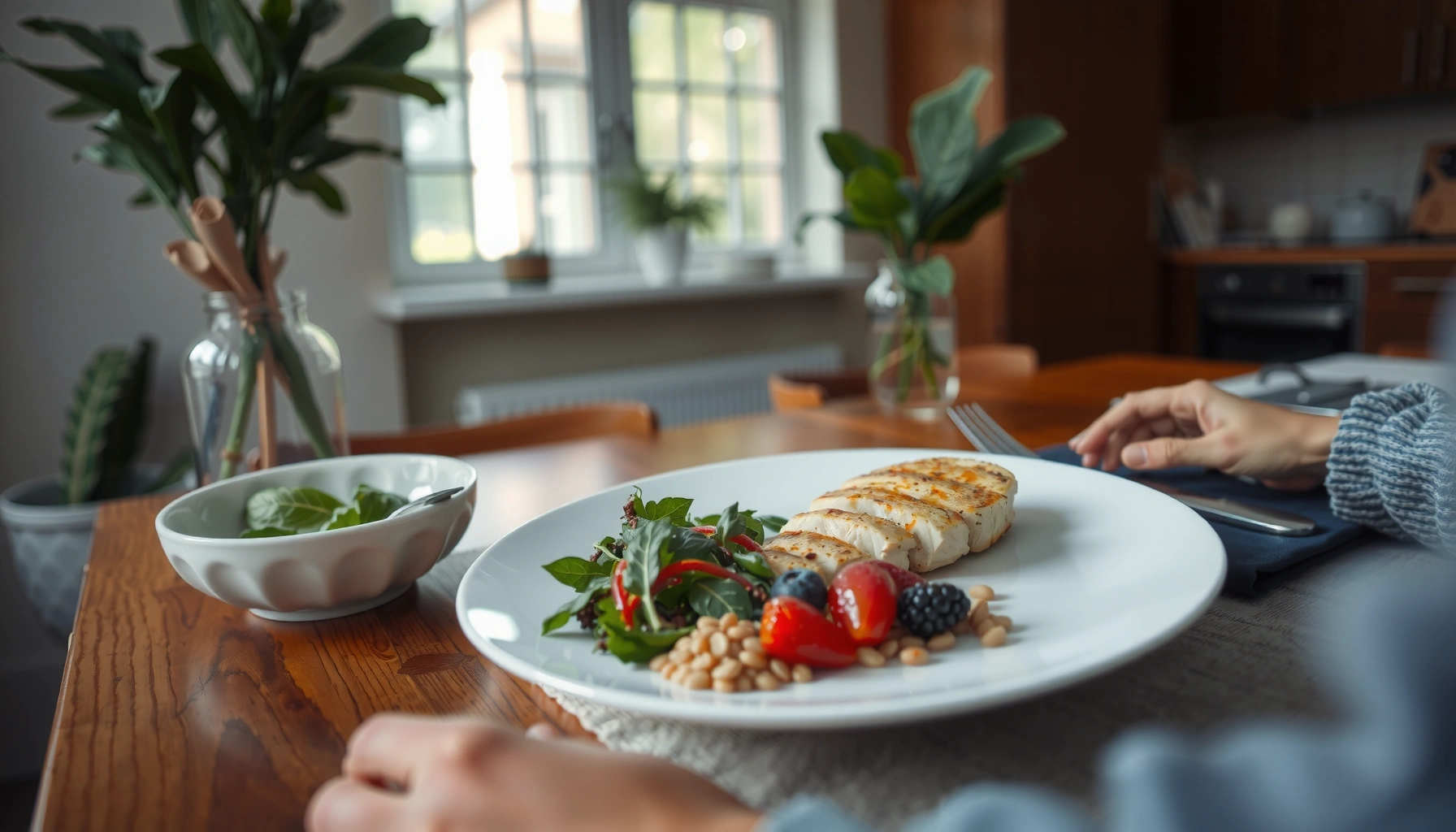
– The Plate Method: This visual guide is an incredibly simple yet powerful tool for portion control without constant measuring. Imagine your dinner plate divided into three sections: half of your plate should be filled with non-starchy vegetables. This ensures you’re getting plenty of fiber, vitamins, and minerals with minimal carbohydrate impact. One-quarter of your plate is dedicated to lean protein, which helps with satiety and muscle maintenance. The final one-quarter is for complex carbohydrates, providing sustained energy without sharp blood sugar spikes. This method is wonderfully flexible and easily adaptable to various cuisines and preferences, making healthy eating intuitive and stress-free.
– Prep Ahead: Life gets busy, and that’s often when healthy eating habits can slide. Dedicating a bit of time, perhaps on a Sunday afternoon, to prepare ingredients or even full meals in advance can be a game-changer. This could involve chopping a week’s worth of non-starchy vegetables, cooking a batch of brown rice or quinoa, grilling a few chicken breasts, or mixing up a healthy salad dressing. Having these components ready to go means you can quickly assemble a nutritious dinner on a busy weeknight, significantly reducing the temptation to grab less healthy takeout or convenience foods. “Future you” will definitely thank “present you” for the effort!
– Read Nutrition Labels: Becoming a savvy label reader is an empowering skill for anyone managing diabetes. For packaged foods, always take a moment to glance at the nutrition label. Pay close attention to serving sizes (as they can sometimes be surprisingly small!), total carbohydrate content, fiber, and especially “added sugars.” Foods that seem healthy at first glance might hide significant amounts of added sugar or refined carbohydrates. Opt for products with higher fiber content and lower added sugars. This practice helps you make informed decisions and choose products that support your blood sugar goals and overall health.
Creating the “best” dinner for diabetics is about intentional choices that prioritize balance, nutrition, and blood sugar management without sacrificing flavor. By focusing on whole foods, lean proteins, healthy fats, and smart carbohydrate choices, you can enjoy a variety of delicious meals that support your health goals. Start experimenting with these principles and consider consulting a registered dietitian or healthcare provider for personalized guidance to build your ideal meal plan.
Frequently Asked Questions
What are the key components of a balanced and “best” dinner for diabetics?
The best dinner for diabetics typically centers around lean proteins, a generous serving of non-starchy vegetables, and controlled portions of complex carbohydrates. This combination helps stabilize blood sugar, promotes satiety, and provides essential nutrients without causing spikes. Prioritizing fiber-rich foods like leafy greens, broccoli, and whole grains is crucial for effective blood sugar management.
How can I plan a quick and easy diabetic-friendly dinner on a busy weeknight?
Planning ahead is key for quick diabetic dinners; consider meal prepping ingredients like grilled chicken breast, baked salmon, or hard-boiled eggs for the week. Utilize convenience items such as pre-cut vegetables for stir-fries or salads, and pair them with a quick-cooking whole grain like quinoa or brown rice for a balanced, low-GI meal. Aim for simple recipes that minimize cooking time while maximizing nutritional value and blood sugar control.
Why is managing carbohydrate intake crucial for a diabetic dinner, and what are smart choices?
Managing carbohydrate intake at dinner is crucial because carbs have the most significant impact on blood glucose levels. Consuming too many refined carbohydrates can lead to dangerous blood sugar spikes, especially overnight. Smart choices include complex carbohydrates like lentils, chickpeas, oats, whole wheat pasta (in moderation), and starchy vegetables such as sweet potatoes, ensuring portion control to fit within your individual meal plan.
Which types of protein are recommended for a diabetic-friendly dinner, and how much should I aim for?
Lean protein sources are highly recommended for a diabetic-friendly dinner as they help you feel full, support muscle health, and have minimal impact on blood sugar. Excellent options include skinless poultry, fish (especially fatty fish like salmon for omega-3s), tofu, legumes, and lean cuts of beef or pork. Aim for a portion size roughly the size of your palm or 3-4 ounces to effectively manage hunger and blood glucose levels.
What common dinner mistakes should diabetics avoid to maintain healthy blood sugar levels?
Diabetics should avoid several common dinner mistakes to maintain healthy blood sugar levels, including consuming oversized portions, especially of carbohydrates, which can lead to blood sugar spikes. It’s also vital to limit highly processed foods, sugary drinks, and meals rich in unhealthy saturated and trans fats, as these can negatively impact insulin sensitivity and overall cardiovascular health. Opting for nutrient-dense, whole foods helps prevent these common pitfalls.
References
- https://diabetes.org/healthy-living/recipes
- https://www.cdc.gov/diabetes/managing/healthy-eating.html
- Healthy Living with Diabetes – NIDDK
- Diabetes diet: Create your healthy-eating plan – Mayo Clinic
- https://www.health.harvard.edu/diseases-and-conditions/meal-planning-for-diabetes
- https://www.nhs.uk/conditions/type-2-diabetes/diet/
- https://my.clevelandclinic.org/health/articles/11261-diabetes-diet
- Diabetic Diet | MedlinePlus
- https://diabetes.org/healthy-living/recipes/meal-planner





Pingback: Best Socks for Diabetic Neuropathy: Key Features - Best For Diabetics
Pingback: Best Diabetic Socks: Top Picks and Buying Guide - Best For Diabetics