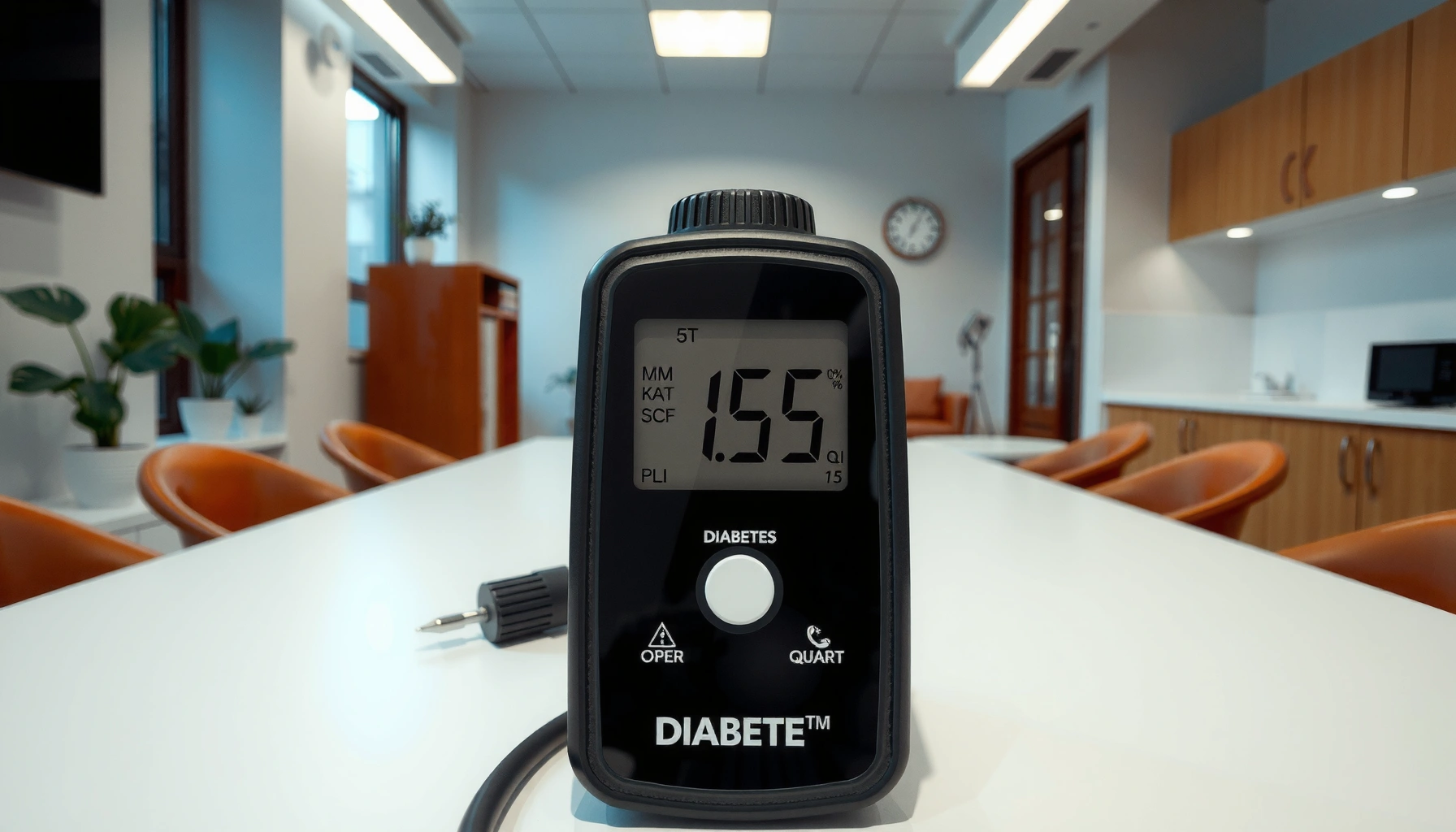

Finding the “best” diabetic test meter ultimately comes down to a balance of accuracy, ease of use, and the long-term cost of supplies, making your ideal choice a deeply personal one. While there’s no single perfect meter for everyone, the top choices consistently offer reliable results, intuitive interfaces, and reasonably priced test strips, making daily glucose monitoring more manageable and less of a chore. This guide will break down the essential factors and highlight what truly makes a blood glucose meter stand out, empowering you to make an informed decision for your diabetes management journey.
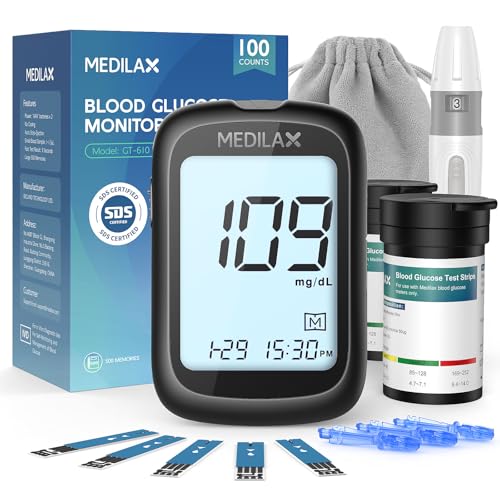


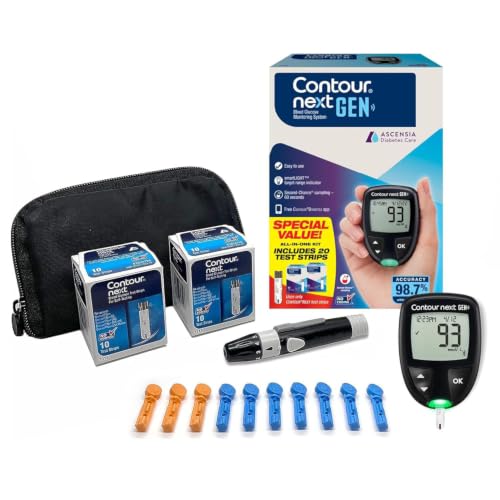
What Makes a Diabetic Meter “Best”?

When you’re managing diabetes, your blood glucose meter becomes a trusted companion, providing crucial insights into your body’s sugar levels. But what separates a good meter from a truly “best” one? It boils down to a few core principles that directly impact your health and daily routine.
* Accuracy and Reliability: This is, without a doubt, the most critical factor. Your meter must consistently provide readings that are within acceptable variance limits to ensure proper diabetes management. Think about it: inaccurate readings could lead to incorrect insulin doses, inappropriate meal choices, or even missed warning signs of dangerously high or low blood sugar. A reliable meter gives you confidence in your data, allowing you and your healthcare team to make informed decisions. It’s not just about getting *a* number; it’s about getting the *right* number, every single time. Look for meters that meet strict international standards (like ISO 15197:2013), which ensure a high degree of precision compared to laboratory results. Clinical validation is key here, assuring you that the device has been rigorously tested.
* Ease of Use: Life with diabetes means frequent monitoring, and anything that complicates this process can lead to frustration and, worse, inconsistent testing. A meter that is easy to use features a simple interface, easy-to-handle test strips, and quick results, which are all essential for daily convenience and to encourage consistent monitoring. Can you easily insert the strip? Is the display clear and intuitive? Does it require a tiny blood sample? These practical considerations can make a huge difference in your willingness to test regularly. Meters that simplify the testing process – with features like automatic coding, large physical buttons, or simple navigation – remove barriers to compliance, making your routine smoother and more consistent.
* Affordability of Supplies: While the initial cost of a diabetic test meter can be quite low, the ongoing expense of test strips and lancets often outweighs the meter price itself over time. Accessible pricing for these consumable supplies ensures long-term adherence to your testing schedule. It’s a common scenario: someone gets a free or very cheap meter, only to find its proprietary test strips are prohibitively expensive. This can force them to ration strips or stop testing as frequently as needed, which is detrimental to health. Before committing to a meter, always investigate the cost and availability of its specific test strips and lancets. Consider whether they are covered by your insurance, if generic versions are available, or if there are patient assistance programs. True affordability is about the total cost of ownership, not just the upfront purchase.
Essential Features to Look For


Beyond the core attributes of accuracy, ease, and affordability, modern diabetic test meters come equipped with a range of features designed to make managing your diabetes more effective and convenient. Understanding these can help you choose a meter that truly fits your lifestyle.
* Data Management & Connectivity: In today’s digital world, smart features can revolutionize how you track your health. Look for meters with built-in memory for past readings, which allows you to review your trends over days, weeks, or even months. Even better are meters with Bluetooth connectivity to sync with smartphone apps (many manufacturers have their own, like OneTouch Reveal, Contour Diabetes App, or FreeStyle LibreLink). These apps often offer visual graphs, meal tagging, insulin logging, and the ability to share data directly with your healthcare provider. Some meters can even integrate with broader health platforms like Apple Health or Google Fit, creating a centralized hub for all your health data. This kind of data management aids significantly in tracking trends, identifying patterns, and empowering your doctor to fine-tune your treatment plan.
* Testing Speed and Sample Size: Nobody wants to wait around for a blood glucose reading, and frequent finger pricks can be a nuisance. Meters with faster results (many now deliver readings in under 5 seconds) can make testing less disruptive, especially when you’re on the go or need a quick check before a meal or exercise. Equally important is the required blood sample size. Meters that need a smaller blood sample (measured in microliters, e.g., 0.5 µL) often mean shallower, less painful finger pricks. This is a huge comfort factor, particularly for individuals who need to test multiple times a day or who are sensitive to pain. Less blood also means less chance of having to re-prick because you didn’t get enough sample, saving you time and frustration.
* Display and Ergonomics: The physical design and user interface of your meter are crucial for a positive experience. A large, backlit display is paramount for readability, especially for those with visual impairments, in dimly lit environments, or for elderly users. Clear, bold numbers prevent eye strain and reduce the chance of misinterpreting a reading. Ergonomics also extends to the meter’s physical design. Is it comfortable to hold? Does it fit well in your hand? Features like strip ejectors (which allow you to dispose of used strips without touching them) enhance hygiene and convenience. Portability (size and weight) is also a factor if you’re frequently on the move. Some meters even have a strip port light, making it easier to insert a test strip in low light conditions – a small detail that can make a big difference.
Understanding Accuracy and Calibration
When it comes to blood glucose monitoring, accuracy isn’t just a suggestion; it’s a necessity for safe and effective diabetes management. Knowing that your meter provides reliable results offers peace of mind and ensures that your treatment decisions are sound.
* ISO Standards: Good meters adhere to strict international standards for accuracy, primarily ISO 15197:2013. This standard ensures that your meter provides readings that are within a specified percentage of lab results. Specifically, for glucose concentrations equal to or greater than 100 mg/dL, 95% of all results must fall within ±15% of the laboratory reference value. For glucose concentrations less than 100 mg/dL, 95% of all results must fall within ±15 mg/dL of the laboratory reference value. Meeting these stringent criteria means you can trust your meter to give you a true representation of your blood sugar levels, which is vital for adjusting insulin, making dietary choices, or recognizing hypoglycemic (low) or hyperglycemic (high) events. Always check if a meter is FDA-cleared and meets these ISO standards.
* Control Solution Testing: Even the best meters can experience issues, and proper calibration helps verify their performance. This is where control solution testing comes in. A control solution is a liquid with a known amount of glucose that you apply to a test strip, just like a blood sample. Running a control test allows you to verify that your meter and test strips are working correctly. Manufacturers provide a range of acceptable results for their control solutions (usually printed on the test strip vial). If your meter’s reading falls within this range, you know it’s functioning accurately. You should regularly use a control solution – typically when opening a new box of test strips, if you drop your meter, suspect an inaccurate reading, or when it’s been a while since your last check – to detect potential issues and ensure your readings remain trustworthy.
* Factors Affecting Readings: While meters are designed for accuracy, several factors can impact the reliability of your results. Being aware of these can help you avoid false readings. For instance:
* Dirty Hands: Residual sugars or lotions on your fingers can significantly skew readings. Always wash and dry your hands thoroughly before testing.
* Expired or Improperly Stored Test Strips: Test strips are sensitive to light, heat, and humidity. Always store them in their original, tightly closed vial away from extreme temperatures and moisture, and never use them past their expiration date.
* Dehydration: Severe dehydration can lead to falsely high readings.
* Extreme Temperatures: Testing in very hot or very cold environments can affect results. Meters often have an optimal operating temperature range; check your manual.
* High Altitude: Some older meters can be affected by changes in altitude, though this is less common with newer devices.
* Certain Medications: While rare, some medications like high doses of acetaminophen (Tylenol) can interfere with specific glucose meter chemistries, leading to falsely elevated readings on older models. Always check your meter’s manual and consult your doctor if you’re concerned.
* Improper Technique: Not applying enough blood, squeezing the finger too hard, or not waiting for the meter to be ready can all lead to errors.
Cost Considerations: Beyond the Meter Price
It’s easy to get excited about a new, feature-rich meter, especially if the initial device cost is low or even free. However, a truly informed decision requires looking beyond that initial price tag to the long-term expenses, which can quickly add up.
* Test Strip Expenses: This is, without a doubt, often the most significant long-term cost of diabetic monitoring. Test strips are consumables that you’ll use daily, sometimes multiple times a day. Their price can vary dramatically between brands and even for different meters from the same manufacturer. Research the price and availability of strips for any meter you consider, especially if you anticipate relying on out-of-pocket purchases. Ask about discounts for bulk purchases, look into manufacturer coupon programs, or consider subscription services if available. Generic or “store brand” strips exist for some meters, which can offer significant savings, but always verify their accuracy and compatibility with your specific meter. A cheaper meter with expensive strips can quickly become more costly than a slightly pricier meter with affordable strips.
* Insurance Coverage: Your health insurance plan can greatly influence your effective cost. Before making a purchase, it’s absolutely crucial to check your health insurance policy to understand which meters and test strips are covered under your plan’s formulary. Many insurance companies have preferred brands or a limited list of covered devices and supplies. Call your insurance provider directly or consult their online formulary. Ask specific questions: “Which blood glucose meters and test strips are covered?” “Do I need a prescription?” “What is my co-pay or deductible for these supplies?” “Are there any quantity limits?” Getting this information upfront can save you hundreds, if not thousands, of dollars annually and prevent the frustration of buying supplies your insurance won’t cover. Sometimes, your doctor can write a prescription for a specific, covered brand if an un-covered one was initially recommended.
* Lancets and Lancing Devices: While often overlooked, the cost and comfort of lancets and the lancing device also contribute to the overall expense and user experience. Lancets are the small, sterile needles used to prick your finger, and they should be changed with every test to maintain sterility and sharpness, which reduces pain. Different lancing devices offer varying levels of comfort, with some having adjustable depth settings and vibration technology to minimize discomfort. Consider the cost of a box of lancets, which are also consumables. Some meters come with proprietary lancing devices, while others use universal lancets (which tend to be more affordable). If you find finger pricking particularly painful, investing in a comfortable lancing device and fresh, fine-gauge lancets is a worthwhile consideration that can improve adherence to your testing schedule.
Choosing the Right Meter for Your Lifestyle
Your blood glucose meter isn’t just a piece of medical equipment; it’s an extension of your daily life and a tool that needs to seamlessly fit into your routines. Thinking about your personal lifestyle will help you narrow down the best choice.
* Basic vs. Advanced Models: The first step is to decide what level of functionality you truly need. Do you prefer a simple, no-frills meter that just gives you a number, making it incredibly straightforward for quick checks? These basic models are often less expensive and ideal for those who prefer minimal technology. Or do you need one with advanced features like meal markers (pre-meal, post-meal), averages over specific periods, trend analysis, target ranges, or even insulin dose calculators? Advanced meters are fantastic for individuals who want detailed insights, are comfortable with technology, and are actively engaged in interpreting their data to make lifestyle adjustments. They can also be particularly helpful for those on complex insulin regimens. Consider your tech-savviness and how much data analysis you’re willing to do.
* Portability and Discretion: If you travel frequently, lead an active lifestyle, or need to test in public settings like work or restaurants, then portability and discretion become key factors. Look for smaller, more compact meters that easily fit into a pocket, purse, or travel kit. Some meters are designed to be extremely thin and lightweight. Additionally, consider how discreet the testing process is. Does it make a loud beeping sound? Is the display easily viewable only by you? Meters that are quick, quiet, and have a minimal footprint can make testing less conspicuous and more comfortable when you’re out and about, empowering you to maintain your testing schedule no matter where you are.
* Accessibility Features: Diabetes management should be accessible to everyone, and modern meters offer features to assist various users. If you have visual impairments, a large, backlit display with big numbers is absolutely crucial. Some meters even offer audio capabilities, speaking the glucose reading aloud, which can be invaluable. For those with dexterity issues or arthritis, look for meters with larger buttons, easy-to-handle test strips that don’t require fiddly insertion, or a strip ejector button to avoid touching used strips. A strip port light can also be a godsend for anyone needing to test in low light or who struggles with precise strip insertion. Additionally, older adults or those new to monitoring might benefit from meters with simpler menus and fewer complex functions to minimize confusion and ensure confidence in their testing routine.
Selecting the best diabetic test meter is a personal journey, requiring you to weigh your individual needs against the available options. Prioritize accuracy and ease of use above all else, as these directly impact the reliability of your data and your willingness to test consistently. However, don’t overlook the long-term cost implications of test strips and lancets, as these can quickly become the most significant expense. By considering these key factors – accuracy, ease, ongoing cost, essential features, and how it fits your lifestyle – you can make an informed decision that supports effective glucose management. Always consult with your healthcare provider to discuss your specific requirements and get recommendations tailored to your diabetes care plan, ensuring your chosen meter is the perfect partner in your health journey.
Frequently Asked Questions
What features should I look for in a diabetic test meter for accurate and convenient monitoring?
When choosing a diabetic test meter, prioritize features like high accuracy validated by FDA standards, a small blood sample requirement to minimize discomfort, and fast results (under 5 seconds) for quick checks. Look for convenience features such as a backlit display, large memory storage with date/time stamps, and app connectivity for easy data tracking and sharing with healthcare providers. Many modern blood glucose meters also offer trending reports to help users identify patterns.
How do I choose the best budget-friendly diabetic test meter without sacrificing accuracy?
To find a cost-effective diabetic test meter, focus on the ongoing cost of test strips, as these are typically the most significant expense over time. Many reliable, highly accurate meters are available at lower initial costs or through insurance coverage, often accompanied by affordable strips. Research various brands and look for starter kits that include a meter, test strips, lancets, and a lancing device to get the best value without compromising on precise blood sugar monitoring.
Why is meter accuracy so important, and how can I trust my diabetic test meter’s readings?
Meter accuracy is paramount because correct blood glucose readings are essential for making informed decisions about insulin dosage, diet, and activity levels, directly impacting diabetes management and preventing serious complications. You can trust your diabetic test meter by ensuring it’s FDA-cleared and regularly comparing its readings with lab tests performed by your doctor. Additionally, perform control solution tests periodically as recommended by the manufacturer to verify your meter and strips are working correctly.
Which are the best diabetic test meters known for ease of use and suitability for seniors or beginners?
For seniors or beginners, the best diabetic test meters are those designed with simplicity in mind. Look for models featuring large, easy-to-read displays, minimal buttons for straightforward navigation, and intuitive strip insertion. Some user-friendly meters offer spoken results, automatic coding, and illuminated test strip ports, making the testing process less intimidating and more accessible for individuals who may have dexterity issues or vision impairment.
What’s the difference between a standard blood glucose meter and a continuous glucose monitor (CGM), and which is right for me?
A standard blood glucose meter provides a snapshot of your blood sugar level at a specific moment via a finger-prick test, while a continuous glucose monitor (CGM) measures glucose levels continuously throughout the day and night using a small sensor worn under the skin. CGMs offer real-time data, trend arrows, and alerts, providing a more comprehensive view of glucose fluctuations without frequent fingersticks. Your choice depends on your diabetes type, management needs, lifestyle, and your doctor’s recommendation, as CGMs are often prescribed for individuals needing more detailed glucose insights or who are on intensive insulin therapy.
References
- https://www.mayoclinic.org/diseases-conditions/diabetes/in-depth/blood-glucose-meters/art-20044400
- https://diabetes.org/health-wellness/monitoring-managing/blood-glucose-monitoring
- https://www.niddk.nih.gov/health-information/diabetes/managing-diabetes/blood-glucose-monitoring
- https://health.clevelandclinic.org/how-to-choose-a-glucose-meter/
- https://www.fda.gov/medical-devices/blood-glucose-monitoring-devices
- https://medlineplus.gov/bloodglucosemonitoring.html
- Glucose meter




Pingback: Best Diabetic Supply Organizers: Top Picks for Easy Management - Best For Diabetics
Pingback: Best Bags to Carry Diabetic Supplies - Best For Diabetics