
Finding the best diabetic meter means discovering the device that perfectly aligns with your personal needs, lifestyle, and healthcare goals. While meters renowned for exceptional accuracy, user-friendly design, and robust data management capabilities often lead the pack, the ideal choice ultimately balances these crucial features with affordability and convenience, empowering effective blood glucose management tailored just for you. This guide will help you navigate the top choices and essential factors to consider, ensuring you select a meter that becomes a trusted partner in your health journey.



What Makes a Diabetic Meter “Best” for You?
Choosing a diabetic meter is a deeply personal decision, as what works wonderfully for one person might not be the best fit for another. The “best” meter isn’t a universally acclaimed device, but rather the one that seamlessly integrates into your life and supports your unique health management approach.
* Personalized Needs: Your lifestyle plays a huge role in determining the ideal meter. Are you frequently on the go, requiring a compact and durable device? Do you test multiple times a day, making quick results and easy strip handling paramount? Consider your daily routine, dexterity levels, and even your vision. For instance, someone with visual impairment might benefit from a meter with a large, backlit display and audio prompts, while an active individual might prioritize app integration for effortless data tracking and sharing. Think about whether you need advanced features like meal markers, data logging for pattern analysis, or seamless integration with a smartphone app to truly optimize your diabetes management.
* Healthcare Provider Recommendations: Your doctor or diabetes educator is an invaluable resource in this decision-making process. They possess an in-depth understanding of your specific type of diabetes, your treatment plan (whether you’re on insulin, oral medications, or managing through diet and exercise), and any co-existing health conditions. Discussing potential options with them ensures that your chosen meter is compatible with your overall care strategy, helping you make informed decisions about medication adjustments, diet, and exercise based on reliable readings. They can also provide insights into meters that are widely supported by clinical evidence and often covered by insurance.
* Budget and Insurance: The financial aspect is a significant consideration, encompassing both the initial cost of the meter and the ongoing expenses of its consumables. While some meters are relatively inexpensive or even free with a prescription or coupon, the recurring cost of test strips, lancing devices, and lancets can quickly add up and often represent the largest long-term expenditure. It’s crucial to investigate which meters and, more importantly, which brands of test strips are covered by your health insurance plan. Understanding your co-pays, deductibles, and any quantity limits on strips can help you avoid unexpected out-of-pocket costs and ensure you can afford to test as frequently as recommended by your healthcare team.
Essential Features of Top Diabetic Meters
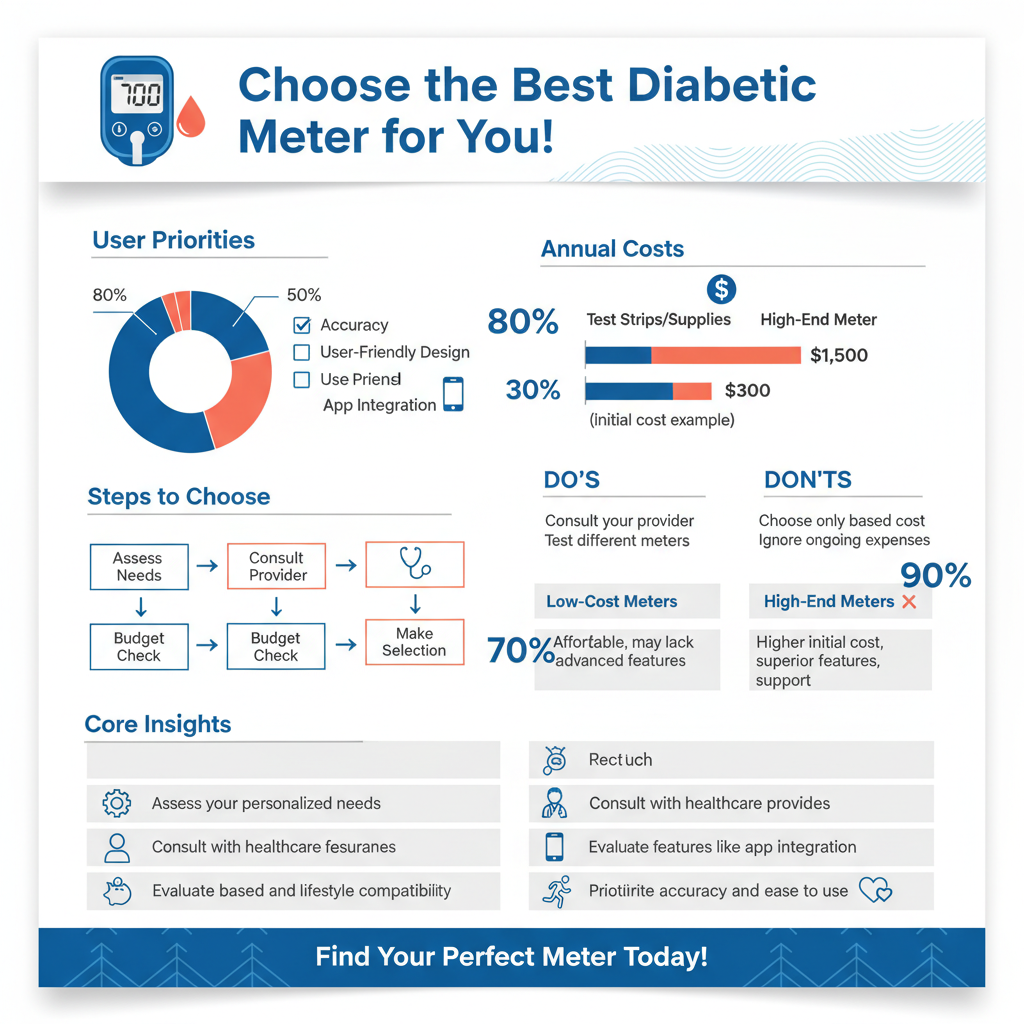
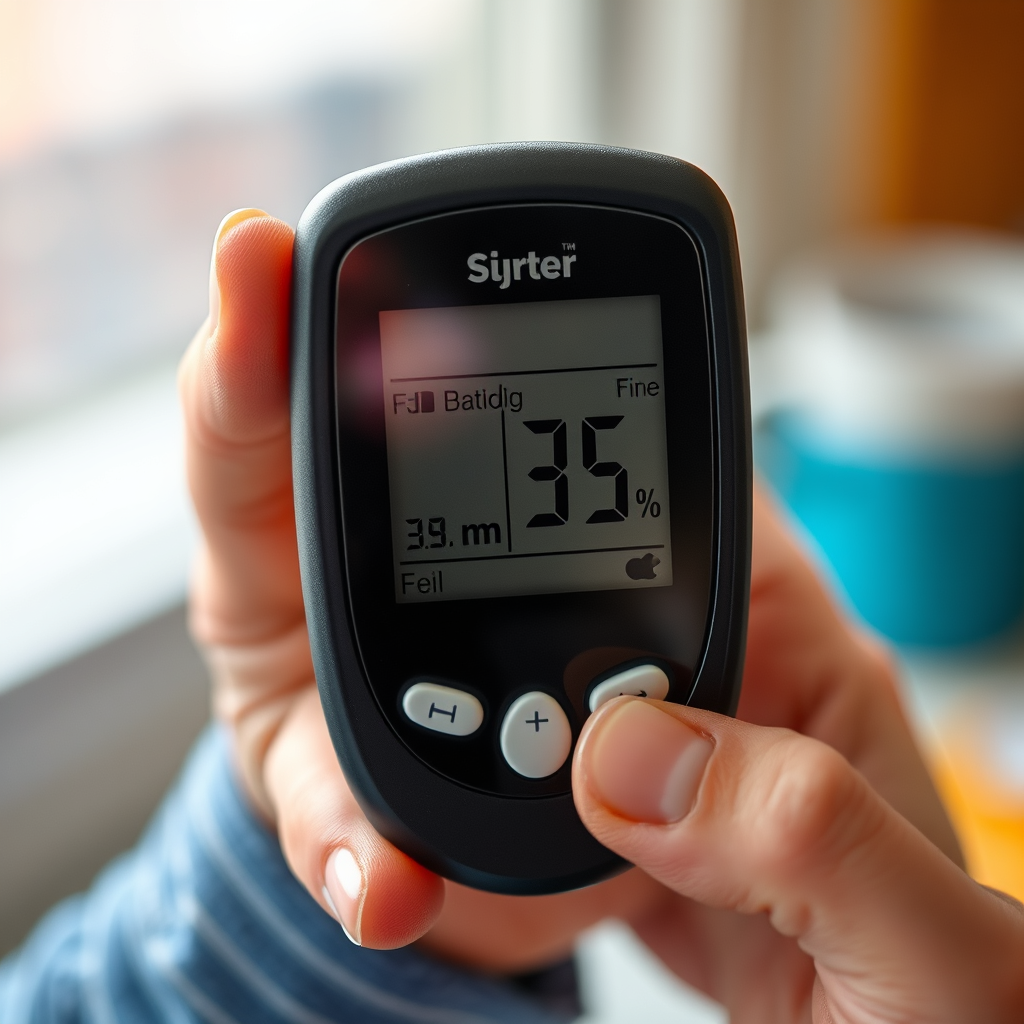
Beyond personal preferences, certain fundamental features distinguish top-performing diabetic meters and contribute significantly to effective glucose management. These are the non-negotiables that every user should prioritize when making their selection.
* Accuracy and Reliability: This is arguably the most critical feature. Your meter’s readings directly influence crucial treatment decisions, such as insulin dosage, medication adjustments, and dietary choices. Inaccurate readings can lead to serious health risks, including hypoglycemia (low blood sugar) or hyperglycemia (high blood sugar). Prioritize meters that consistently demonstrate high accuracy, ideally meeting or exceeding the ISO 15197:2013 standard, which requires 95% of results to be within ±15% of a laboratory reference value. Look for devices with a proven track record through independent clinical validation and consistent positive user feedback, ensuring you can trust the numbers guiding your health.
* Ease of Use: A meter that’s complicated or cumbersome to operate can lead to frustration, errors, and ultimately, less frequent testing—which defeats the purpose. Look for an intuitive interface with clear, straightforward menus and minimal steps required for testing. Features like large, easy-to-read displays (especially with backlighting), simple strip insertion (no fumbling!), and a quick test time (often just 5 seconds) greatly enhance the user experience. Consider the size of the meter and test strips; if you have dexterity issues, larger strips and a more ergonomic meter design can make a big difference. An easy-to-use meter encourages regular testing, making consistent glucose monitoring a seamless part of your daily routine.
* Test Strip Availability and Cost: As previously mentioned, test strips are the recurring heroes (or villains, depending on the price tag) of your diabetes management budget. It’s essential to ensure that the required test strips for your chosen meter are not only readily available at your preferred pharmacy or online retailer but also affordable. High strip costs can unfortunately lead individuals to test less often than recommended, which can compromise their health. Compare prices across different brands and check if your insurance plan covers specific brands or allows for generic alternatives. Sometimes, a slightly more expensive meter might have significantly cheaper strips in the long run, making it a more economical choice overall. Always factor in this ongoing expense to avoid surprises and maintain consistent testing habits.
Highly-Rated Meters for Accuracy & Reliability
When it comes to managing diabetes, trust in your blood glucose readings is paramount. Highly-rated meters distinguish themselves through their unwavering commitment to accuracy and reliability, providing you with the confidence to make critical health decisions.
* Clinical Validation: The gold standard for accuracy in diabetic meters is rigorous clinical validation. Focus on meters that have undergone extensive independent testing and consistently meet international standards like ISO 15197:2013. This standard dictates that at least 95% of glucose readings must fall within a tight margin of error (±15%) compared to a laboratory reference method, especially for readings above 100 mg/dL (or ±15 mg/dL for readings below 100 mg/dL). Look for information on FDA approval and clinical study data that supports the meter’s claims, often available on the manufacturer’s website or through your healthcare provider. Meters that publicly share their validation data tend to be more transparent and trustworthy.
* Consistent Performance: Beyond achieving high accuracy in controlled clinical settings, truly top-tier meters deliver consistent and dependable results in real-world scenarios, day in and day out. This means they perform reliably across various environmental conditions (like temperature and humidity), and their readings aren’t easily skewed by minor user errors or variations in blood sample size. Reviewing user feedback on reputable health forums, product review sites, and expert analyses from diabetes educators and medical professionals can provide invaluable insights into a meter’s consistent performance. Look for devices that users report as consistently reliable, without wild fluctuations or frequent error messages, helping you build a stable picture of your glucose trends.
* Minimizing User Error: Even the most accurate meter can yield an incorrect reading if there’s user error during the testing process. Highly-rated meters are often designed with features specifically aimed at reducing common mistakes, thereby enhancing overall reliability. These might include auto-coding (eliminating the need for manual code entry), second-chance sampling (allowing you to add more blood to the same strip if the initial sample was too small), strip port lighting for better visibility in dim conditions, and clear error messages that guide you on how to correct an issue. Some meters also feature larger, easier-to-handle test strips, which can be particularly helpful for individuals with dexterity challenges, further contributing to more accurate and reliable testing experiences.
Smart Meters & Advanced Data Management
In today’s digital age, diabetic meters have evolved beyond simple numerical displays, becoming sophisticated tools for comprehensive health management. Smart meters and their advanced data management capabilities are transforming how individuals and their healthcare teams monitor and understand blood glucose levels.
* Bluetooth Connectivity: A hallmark of modern smart meters is their seamless Bluetooth connectivity. This feature allows the meter to wirelessly synchronize your blood glucose readings directly with a dedicated smartphone or tablet app, often specific to the meter’s brand. This eliminates the need for manual logging, significantly reducing the chance of human error and saving you valuable time. Imagine performing a test, and within seconds, your reading is automatically recorded, timestamped, and ready for analysis, providing an effortless way to keep accurate records without the hassle of pen and paper.
* Data Storage and Sharing: Beyond simple connectivity, smart meters offer robust data storage options. The meter itself might store hundreds or even thousands of readings, but the real power lies in cloud-based storage via their companion apps. This ensures your data is securely backed up and accessible from multiple devices, giving you a complete historical record. More importantly, these systems facilitate easy sharing of your data with your healthcare team. Many apps allow you to generate comprehensive reports (e.g., daily logs, weekly averages, trend charts) that can be easily emailed or even directly integrated with your doctor’s Electronic Medical Records (EMR) system. This streamlined data exchange empowers your healthcare provider to review your glucose trends quickly and make more informed, timely adjustments to your treatment plan, even during virtual consultations.
* Insightful Analytics: The true benefit of advanced data management comes from the powerful analytics offered by companion apps. These apps don’t just store numbers; they transform raw data into actionable insights. Look for features that provide personalized insights, such as trend analysis graphs showing patterns over days, weeks, or months, helping you identify how different factors like diet, exercise, stress, or medication impact your blood glucose levels. Many apps can highlight high or low glucose patterns, calculate average readings, and even allow you to add notes about meals, activity, or medication doses, enriching the context of your readings. Some advanced apps can integrate with other health tracking devices (like fitness trackers or diet apps), offering a holistic view of your health and empowering you to make proactive decisions for better glucose control and overall well-being.
Cost and Insurance Considerations for Diabetic Meters
Navigating the financial aspects of diabetes management, particularly when it comes to blood glucose meters and their consumables, is a critical step. Understanding the full cost picture will help you make a sustainable choice that supports your long-term health.
* Initial Purchase Price: The upfront cost of a diabetic meter can vary significantly. Some meters are quite affordable, often ranging from $10 to $50, while others, particularly those with advanced “smart” features and connectivity, might cost over $100. It’s also common to find meters offered for free or at a greatly reduced price with the purchase of test strips or with a prescription. When evaluating the initial price, try to look beyond the sticker shock. A meter that costs a bit more initially but offers superior features, better accuracy, or significantly cheaper test strips in the long run might actually be the more economical choice. Consider pharmacies, online retailers, and even direct-from-manufacturer sales for the best deals.
* Ongoing Strip Expenses: This is where the majority of your long-term cost will come into play. Test strips often follow the “razor and blade” model, where the meter itself is inexpensive, but the proprietary strips are the main source of ongoing revenue for manufacturers. The cost of test strips can be a significant financial burden, especially for individuals who need to test multiple times a day. It’s crucial to compare strip prices across different brands and consider strategies to reduce these expenses. This could include asking your doctor for a prescription that prioritizes more affordable brands, looking for manufacturer coupons or patient assistance programs, buying strips in larger quantities (if they have a long expiration date), or exploring reliable generic or store-brand options that are compatible with your meter and verified for accuracy.
* Insurance Coverage: Before committing to any meter, a crucial step is to contact your health insurance provider to understand your coverage. Insurance plans often have a formulary, which is a list of preferred meters and test strips that they will cover. Your plan might cover only specific brands, require a doctor’s prescription, or have quantity limits on how many strips you can get per month. Discussing these options with your doctor can be beneficial, as they might be able to prescribe a meter and strips that are both clinically appropriate and covered by your insurance, minimizing your out-of-pocket expenses. Be sure to clarify your co-pays, deductibles, and any necessary prior authorizations to avoid surprises when you go to fill your prescription or purchase supplies.
Selecting the best diabetic meter is a crucial step towards effective diabetes management, blending advanced technology with your unique personal requirements. By focusing on accuracy, ease of use, sophisticated data management capabilities, and practical cost considerations, you can confidently choose a device that not only supports your health goals but also becomes a reliable and convenient part of your daily life. We highly recommend consulting with your doctor or diabetes educator to discuss your options and ensure the chosen meter integrates seamlessly into your overall diabetes care plan. Their expert guidance, combined with your personal preferences, will lead you to the perfect meter. Start comparing your top picks today to take charge of your health with confidence!
Frequently Asked Questions
What features should I look for when choosing the best diabetic meter?
When selecting the best diabetic meter, prioritize accuracy, ease of use, and convenience. Key features include a large, backlit display for readability, a small blood sample size for less pain, fast test results, and memory storage with data logging capabilities. Consider advanced features like meal markers, ketone testing, and Bluetooth connectivity to smartphone apps for better overall diabetes management and trend analysis.
How accurate are modern blood glucose meters, and why does accuracy matter so much?
Modern blood glucose meters are highly accurate, typically meeting or exceeding ISO standards, which require results to be within ±15% of a laboratory reference for 95% of readings. High accuracy is crucial because precise readings allow for correct medication dosing, timely insulin adjustments, and informed dietary choices, preventing dangerous highs (hyperglycemia) or lows (hypoglycemia). Inaccurate blood glucose results can lead to inappropriate treatment decisions, posing significant health risks and potentially worsening diabetes complications.
Which brands are known for producing reliable and user-friendly diabetic meters?
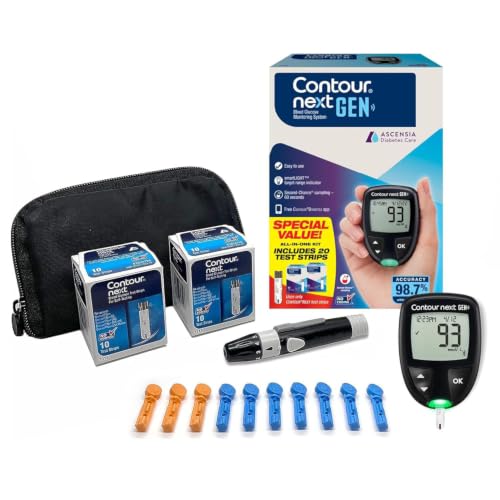
Several reputable brands consistently produce reliable and user-friendly diabetic meters that are highly regarded by users and healthcare professionals. Accu-Chek (Roche), OneTouch (LifeScan), Contour Next (Ascensia Diabetes Care), and FreeStyle (Abbott) are frequently recommended for their accuracy, consistent performance, and excellent customer support. These top diabetic meter brands often offer a range of models, including those with advanced features like Bluetooth connectivity and intuitive mobile apps for comprehensive blood glucose tracking.
Can I get a highly accurate diabetic meter without spending a lot of money?
Absolutely, you can find highly accurate diabetic meters at an affordable price point, especially when considering the initial meter cost and ongoing test strip expenses. Many reputable brands offer budget-friendly options that still meet strict accuracy standards, making reliable blood glucose monitoring accessible to everyone. Look for meters that have affordable test strips, as this is often the most significant long-term cost, and compare starter kits that include essential supplies like lancets and test strips.
How do continuous glucose monitors (CGMs) compare to traditional finger-prick diabetic meters?
Continuous Glucose Monitors (CGMs) provide a constant stream of glucose readings from interstitial fluid, offering real-time trends and alerts without the need for multiple finger pricks. While traditional finger-prick diabetic meters give a snapshot of blood glucose at a specific moment using capillary blood, CGMs offer a more comprehensive view of glucose fluctuations throughout the day and night. For many, CGMs significantly enhance diabetes management by revealing patterns and the impact of food or exercise, though finger-prick meters are still often used for calibration or to confirm CGM readings, especially during rapid glucose changes or when symptoms don’t match CGM readings.
References
- Glucose meter
- https://www.niddk.nih.gov/health-information/diabetes/managing-diabetes/blood-glucose-monitoring
- https://diabetes.org/health-wellness/monitoring-blood-glucose-levels
- https://www.uofmhealth.org/health-library/hw214152
- https://www.bbc.com/news/health-50007540
- https://www.bbc.com/news/health-65481744
- https://www.reuters.com/business/healthcare-pharmaceuticals/abbotts-freestyle-libre-sensor-diabetes-found-have-best-accuracy-study-2023-08-01/
- https://idf.org/our-activities/care-prevention/blood-glucose-monitoring/