
For diabetics seeking the best creamer, the immediate answer lies in options that are sugar-free, low in carbohydrates, and made with healthy fats or natural ingredients. Prioritizing products sweetened with alternatives like stevia or monk fruit, or simply opting for unsweetened plant-based milks, can help manage blood sugar levels effectively without sacrificing your morning ritual. This comprehensive guide will walk you through exactly what to look for on labels, provide specific recommendations for commercial and homemade options, and empower you to make informed choices for your daily cup while keeping your health goals front and center.


What Makes a Creamer Diabetic-Friendly?

Navigating the creamer aisle can feel like a maze, especially when you’re managing diabetes. Knowing what key factors to prioritize can simplify your decision-making and ensure your choice supports your blood sugar management and overall well-being.
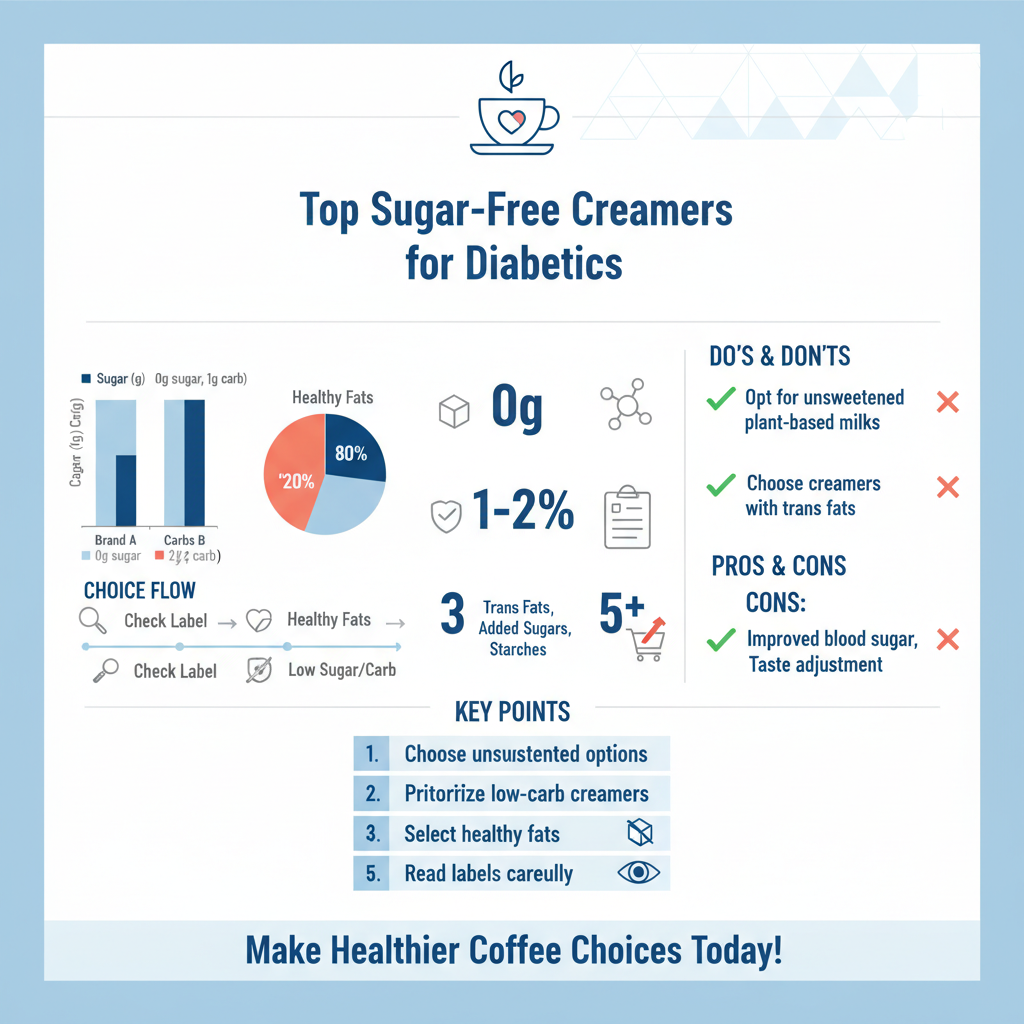
* Zero or Low Added Sugar: This is, without a doubt, the most critical factor. Sugars like corn syrup, sucrose, dextrose, or even “natural” sweeteners like agave nectar, can rapidly elevate blood glucose levels, making blood sugar control much harder. A diabetic-friendly creamer should ideally have 0 grams of added sugar per serving. Always check the “Added Sugars” line on the nutrition label and scrutinize the ingredients list for hidden sugar aliases. Opting for unsweetened options gives you full control over any sweetness you might want to add later with diabetic-friendly sweeteners.
* Low Carbohydrate Count: Beyond just sugar, the total carbohydrate count also plays a vital role. Creamers often contain carbohydrates from thickeners, starches, or milk solids. For optimal blood sugar management, aim for creamers with minimal carbohydrates per serving, ideally less than 1-2 grams. Remember that carbs convert to glucose in the body, so keeping this number low helps prevent unnecessary spikes, particularly important when you’re enjoying multiple cups of coffee throughout the day.
* Healthy Fats Over Trans Fats: Heart health is a significant concern for many individuals with diabetes, making the type of fat in your creamer especially important. Look for creamers made with healthy fats like those found in coconut milk, nut milks (almond, cashew), or even full-fat dairy (in moderation). Absolutely avoid creamers that list “partially hydrogenated oils” or “hydrogenated oils” in their ingredients, as these indicate the presence of unhealthy trans fats. Trans fats can raise bad cholesterol (LDL) and lower good cholesterol (HDL), increasing your risk of heart disease.
Top Sugar-Free Commercial Creamer Brands
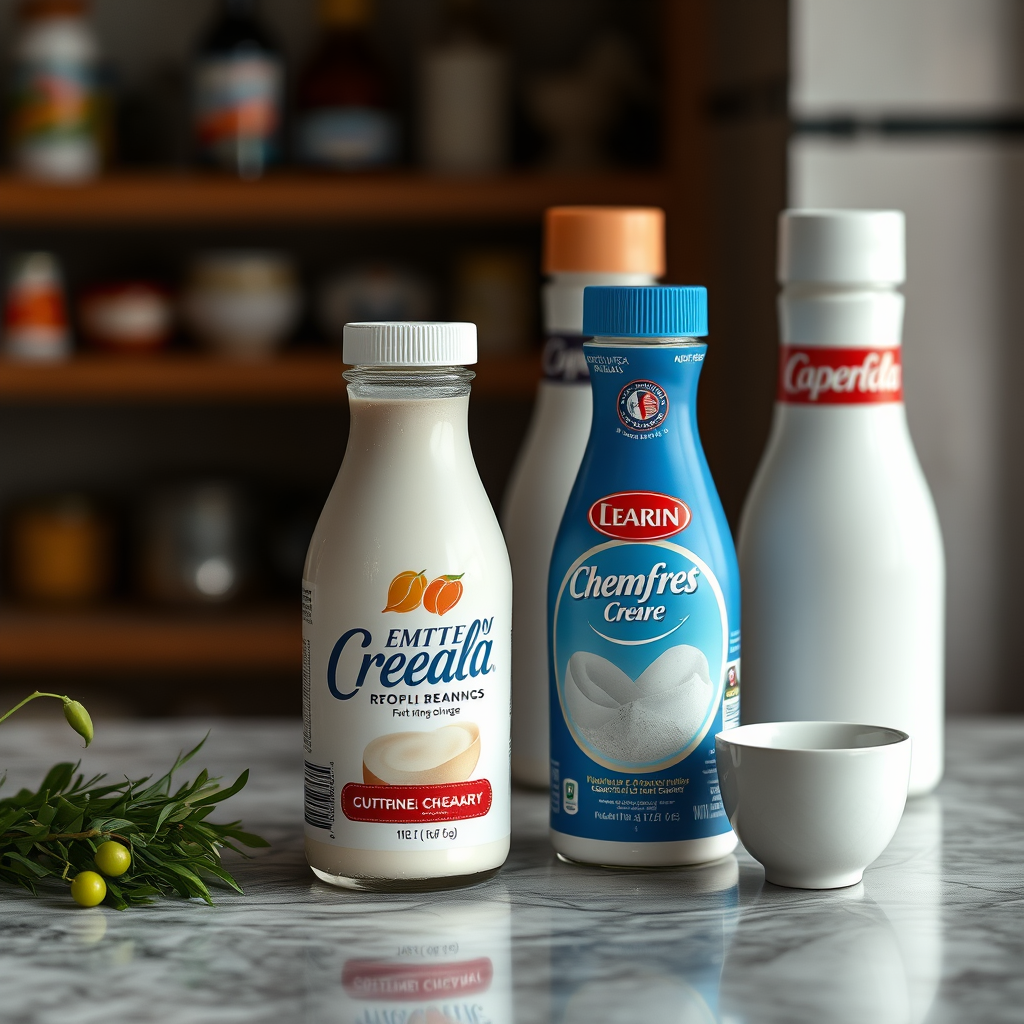
The good news is that as consumer awareness grows, so do the options for diabetic-friendly creamers. Many brands are stepping up to offer products that fit a blood-sugar-conscious lifestyle.
* Unsweetened Plant-Based Milks: These are often the safest and most versatile choices. Unsweetened almond milk, soy milk, and coconut milk make fantastic, low-carb creamer alternatives. They add a lovely creaminess and subtle flavor without any sugar. When choosing oat milk, be sure to select an unsweetened variety and check the carbohydrate count, as oat milk tends to be higher in carbs than almond or soy milk. Brands like Almond Breeze Unsweetened, Silk Unsweetened, and Califia Farms Unsweetened offer excellent options that are widely available and can be seamlessly integrated into your coffee routine.
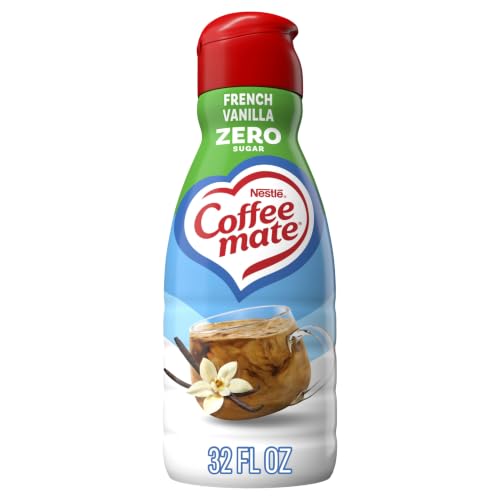
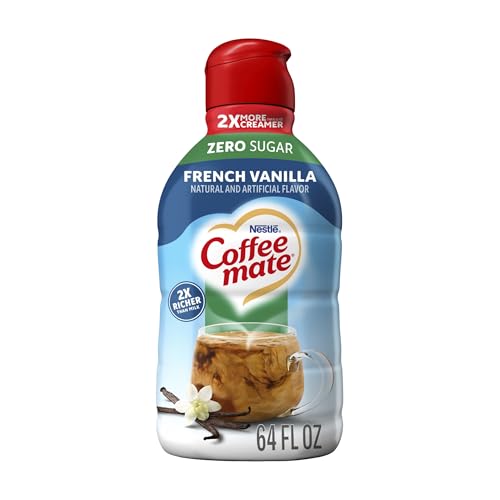
* Specific Sugar-Free Creamer Lines: Many popular creamer brands now feature “sugar-free” or “zero sugar” versions specifically formulated for those avoiding sugar. Brands such as Coffee Mate Zero Sugar, Splenda Coffee Creamer, or Chobani Zero Sugar Creamers are designed to deliver flavor without the blood sugar impact. These typically use non-nutritive sweeteners like sucralose, erythritol, or stevia. While these can be convenient and satisfy a craving for flavored coffee, it’s always wise to check the full ingredient list and consume them in moderation. They often come in a variety of delicious flavors, from French Vanilla to Hazelnut, making it easier to enjoy your favorite coffee shop taste at home.
* Dairy-Based Options: For those who prefer dairy, certain full-fat dairy products can be suitable low-carb creamer alternatives when used judiciously. Heavy cream (whipping cream) is very low in carbohydrates and can add a luxurious richness to your coffee. Half-and-half is another option, offering a lighter texture than heavy cream, but remember it will contain slightly more carbs and lactose. While these options are low in sugar, they are higher in calories and saturated fat, so portion control remains paramount. Enjoying a splash of heavy cream occasionally can be a satisfying treat without derailing your blood sugar goals.
Natural & Homemade Creamer Alternatives

Sometimes, the best solution is the one you make yourself! Homemade options offer ultimate control over ingredients and can be surprisingly simple to whip up.
* DIY with Natural Sweeteners: Creating your own creamer at home means you know exactly what’s going into it. A popular and easy method is to blend unsweetened almond milk (or cashew milk for extra creaminess) with a small amount of a natural, diabetic-friendly sweetener. Try a few drops of liquid stevia, a pinch of monk fruit powder, or a teaspoon of erythritol granules. You can also add a dash of vanilla extract or a sprinkle of cinnamon for added flavor. This allows you to customize the sweetness and flavor profile precisely to your liking, ensuring no hidden sugars or unwanted additives.
* Coconut Cream or Full-Fat Coconut Milk: For an incredibly rich and satisfying creamy texture, look no further than coconut cream or full-fat canned coconut milk. The thick, creamy layer at the top of a can of full-fat coconut milk (refrigerated overnight) can be spooned directly into your coffee. These options provide healthy medium-chain triglycerides (MCTs) and a delightful tropical note. However, they are calorie-dense, so use them sparingly and be mindful of your portion sizes. They can be a fantastic way to achieve a “latte-like” experience without dairy or added sugars.
* Spices for Flavor: Sometimes, you don’t even need a creamer to elevate your coffee experience! Natural spices can add incredible depth and warmth without any sugar or extra calories. Cinnamon is a fantastic choice, known for its potential to help regulate blood sugar, and it adds a cozy, aromatic touch. Other wonderful options include a few drops of pure vanilla extract (ensure it’s unsweetened), a teaspoon of unsweetened cocoa powder for a mocha hint, a pinch of nutmeg, or a dash of cardamom. Experiment with different combinations to discover your favorite guilt-free flavor boosters.
Ingredients and Nutrients to Avoid
Being a savvy shopper means not just knowing what to look for, but also what to actively steer clear of. Many seemingly innocent creamers can harbor ingredients that undermine your diabetes management.
* Hidden Sugars: Sugar isn’t always called “sugar” on an ingredient list. Manufacturers use a plethora of aliases to disguise high-glycemic sweeteners. Be vigilant for ingredients ending in “-ose” (dextrose, fructose, maltose, sucrose, lactose), various syrups (corn syrup, high-fructose corn syrup, rice syrup, agave syrup, maple syrup), or other terms like maltodextrin, fruit juice concentrate, and evaporated cane juice. These are all forms of sugar that will impact your blood glucose levels. The shorter and simpler the ingredient list, the better your chances of avoiding these sneaky additions.
* Artificial Sweeteners in Excess: While many sugar-free creamers rely on artificial sweeteners like sucralose, aspartame, or acesulfame potassium, and some natural alternatives like erythritol or stevia, their excessive consumption is a topic of ongoing debate. While they generally don’t spike blood sugar, some studies suggest potential impacts on gut microbiome or cravings. It’s generally recommended to use these in moderation. The goal is to gradually reduce your reliance on intense sweetness overall, rather than simply swapping one type of sweetener for another in large quantities.
* Hydrogenated Oils & Artificial Flavors/Colors: As mentioned earlier, hydrogenated and partially hydrogenated oils are sources of trans fats, which are detrimental to heart health – a critical concern for diabetics. Always check the ingredient list to ensure these unhealthy fats are not present. Beyond fats, many commercial creamers are packed with artificial flavors and colors designed to make them appealing but offer zero nutritional value. These additives can sometimes cause adverse reactions in sensitive individuals and generally have no place in a health-conscious diet. Opt for creamers with fewer, more recognizable ingredients to make the healthiest choice.
Reading Nutrition Labels Like a Pro
Understanding how to decipher nutrition labels is your superpower in making informed, diabetes-friendly food choices. It’s not just about looking at the front of the package; the real information is often hidden in plain sight on the back.
* Focus on Total Carbohydrates and Added Sugars: These two metrics should be your immediate targets. First, look at “Added Sugars.” For a truly diabetic-friendly creamer, this number should ideally be 0 grams. Next, check “Total Carbohydrates.” Aim for a creamer with 1-2 grams of total carbohydrates per serving, or as low as you can find. Remember that total carbs include sugars, fiber, and other carbohydrates. While fiber is beneficial, creamers typically don’t contain much. Prioritizing these numbers will help you control your blood sugar effectively.
* Understand Serving Sizes: Creamer serving sizes are notoriously small, often listed as just 1 tablespoon (15ml). It’s incredibly easy to pour two or three times that amount into your cup without thinking. If you use more than the stated serving size, you’re also consuming more calories, carbs, and sugars (if present) than the label indicates. Take a moment to actually measure out a serving with a measuring spoon a few times to get a visual sense of what a “serving” truly looks like. This simple step can prevent unexpected blood sugar spikes.
* Fiber and Protein Content: While creamers aren’t primary sources of fiber or protein, some plant-based options might offer a small amount. Fiber can help slow down the absorption of sugars and contribute to satiety, while protein is essential for blood sugar stability and feelings of fullness. While not a deal-breaker if low, a small amount of fiber or protein can be an added bonus, particularly in options like unsweetened soy milk or some specialized plant-based creamers.
Tips for Enjoying Your Coffee Safely
Integrating your coffee ritual into a diabetes-friendly lifestyle doesn’t mean giving up enjoyment. It’s about smart choices and mindful habits.
* Portion Control is Key: Even with the best, most diabetic-friendly creamers, moderation is always important. While unsweetened almond milk might be very low in calories and carbs, heavy cream is calorie-dense. Continuously pouring extra splashes can add up quickly, impacting your overall daily calorie and fat intake. Practice measuring your creamer for a few days to become more aware of your typical portion and stick to appropriate amounts that fit your dietary plan.
* Pair with a Balanced Meal: Enjoying your coffee as part of a balanced breakfast or snack can help further stabilize your blood sugar response. When you consume coffee (even with a diabetic-friendly creamer) on an empty stomach, some people might experience a more pronounced blood sugar rise. Pairing it with a meal containing protein, healthy fats, and fiber – like eggs and avocado toast, or Greek yogurt with berries – can help slow down glucose absorption and minimize any potential spike.
* Consult Your Healthcare Provider: Your individual dietary needs can vary significantly based on your specific type of diabetes, medications, activity level, and other health conditions. Always discuss your dietary choices, including which creamers you prefer, with your doctor, endocrinologist, or a registered dietitian. They can provide personalized advice tailored to your unique health management plan, helping you make the safest and most effective choices for your well-being.
Choosing the best creamer for diabetics doesn’t have to be complicated, but it does require careful attention to ingredients and nutritional labels. By prioritizing sugar-free, low-carb options and considering natural alternatives, you can continue to enjoy your beloved coffee without compromising your health goals. Always check labels diligently, be open to exploring natural alternatives, and never hesitate to consult your doctor or a registered dietitian to ensure your choices align perfectly with your individual dietary needs and comprehensive health management plan.
Frequently Asked Questions
What are the best sugar-free coffee creamers for diabetics?
The best sugar-free coffee creamers for diabetics are typically those explicitly labeled “zero sugar” or “sugar-free” with low net carbs. Look for options sweetened with erythritol, stevia, monk fruit, or sucralose in moderation, and always check the ingredient list to ensure there are no hidden sugars like corn syrup solids. Many brands now offer delicious dairy and non-dairy (almond, coconut, oat, soy) creamer alternatives specifically formulated to be diabetic-friendly and keto-compatible.
Why is choosing the right creamer important for blood sugar management?
Choosing the right creamer is crucial for effective blood sugar management because traditional creamers often contain significant amounts of added sugars and unhealthy fats that can cause rapid spikes in blood glucose levels. Regularly consuming high-sugar creamers can negatively impact glycemic control and potentially lead to weight gain, making it harder for diabetics to maintain their health goals. Opting for sugar-free and low-carb alternatives helps stabilize blood sugar, supporting overall well-being.
What ingredients should diabetics look for, or avoid, in coffee creamers?
Diabetics should actively avoid creamers containing added sugars like corn syrup, high-fructose corn syrup, sucrose, dextrose, and maltodextrin, as these can quickly elevate blood sugar. Also, beware of partially hydrogenated oils (trans fats), which are unhealthy for heart health. Instead, look for creamers made with healthy fats like MCT oil or coconut oil, and sweetened naturally with stevia, monk fruit, or erythritol, ensuring the ingredient list is short and recognizable for better blood sugar control.
How can diabetics make their own healthy, sugar-free coffee creamer at home?
Diabetics can easily make their own healthy, sugar-free coffee creamer at home using a base of unsweetened almond milk, coconut milk, or heavy cream. Blend your chosen base with a natural, calorie-free sweetener like liquid stevia or monk fruit drops to taste, adding a splash of vanilla extract or cinnamon for flavor. This homemade approach allows for complete control over ingredients, ensuring a delicious, low-carb, and diabetic-friendly addition to your coffee without any hidden sugars or artificial additives.
Are non-dairy creamers always a better option for diabetics compared to dairy-based ones?
Not necessarily; while non-dairy creamers (like almond, coconut, or oat milk-based) can be great options for diabetics, their suitability depends entirely on their specific ingredients, not just their dairy status. Many non-dairy creamers still contain added sugars, emulsifiers, and artificial ingredients that can impact blood sugar. Always read the nutrition label carefully for both dairy and and non-dairy options, prioritizing those labeled “unsweetened” or “sugar-free” with minimal carbohydrates to ensure they align with diabetic dietary needs.
References
- https://diabetes.org/food-nutrition/ingredients/sweeteners
- https://www.mayoclinic.org/diseases-conditions/diabetes/in-depth/artificial-sweeteners/art-20046925
- https://www.health.harvard.edu/blog/artificial-sweeteners-sugar-substitutes-and-your-health-202307132959
- https://www.uofmhealth.org/health-library/tn9882
- https://www.ucsfhealth.org/education/healthy-eating-tips-for-diabetics
- https://health.clevelandclinic.org/best-and-worst-drinks-for-diabetes/
- Sugar substitute
- Healthy Living with Diabetes – NIDDK