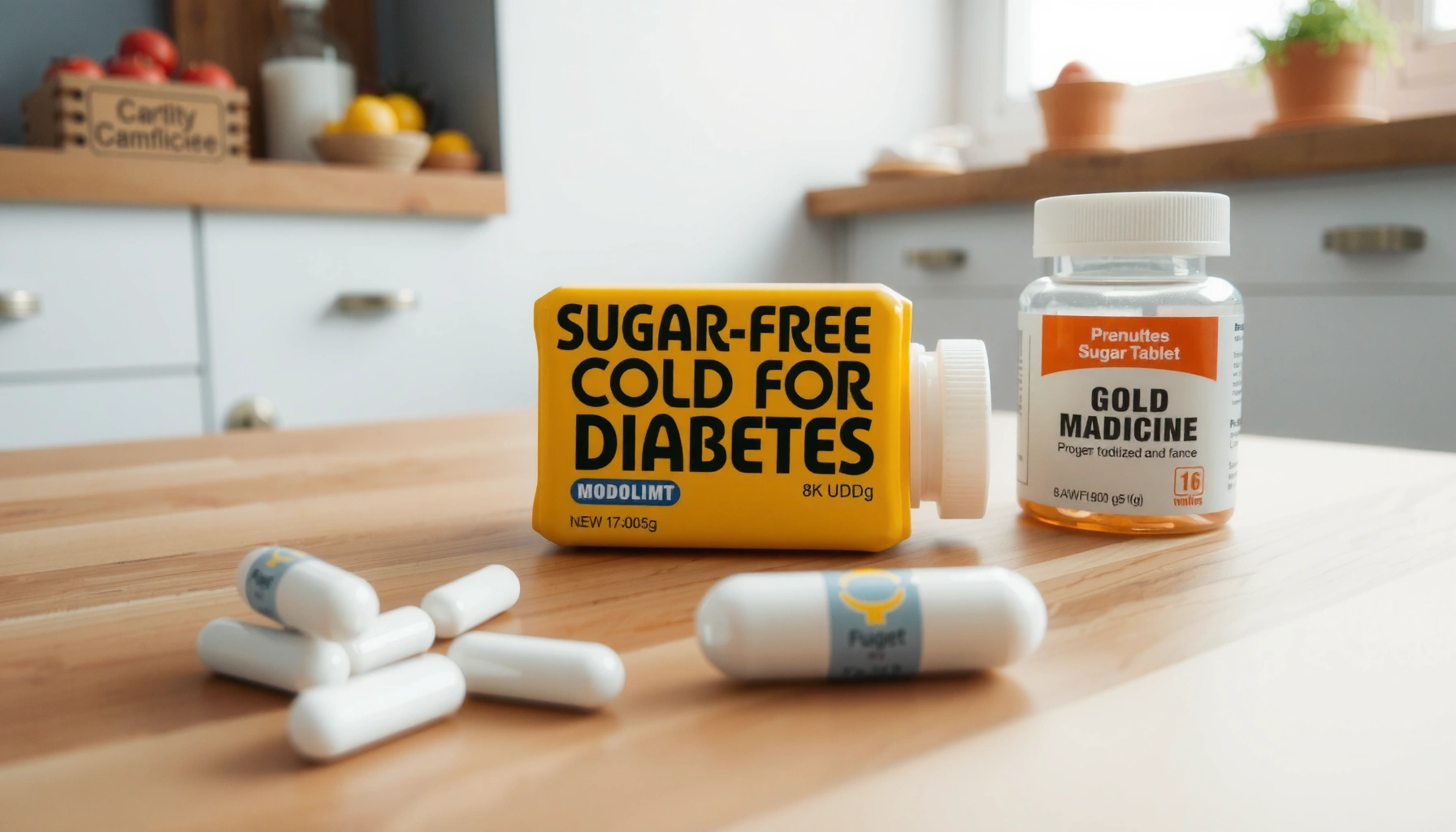

When you have diabetes, choosing the right over-the-counter (OTC) cold medicine is incredibly important to keep your blood sugar stable and avoid harmful interactions. Generally, the best cold medicines for diabetes patients are those explicitly labeled “sugar-free” and “alcohol-free,” focusing on ingredients like acetaminophen for pain and fever, dextromethorphan for coughs, and guaifenesin for congestion, while strictly steering clear of decongestants like pseudoephedrine and phenylephrine. Understanding these specific ingredients and always double-checking labels is your superpower in safely navigating cold and flu season with diabetes.




Why Cold Medicine Choices Differ for Diabetics

Navigating cold and flu season can be tricky for anyone, but if you’re managing diabetes, it adds an extra layer of complexity. What might seem like a harmless cough syrup or decongestant for others could spell trouble for your blood sugar levels and overall health. Let’s dive into why your cold medicine choices need special consideration.
* Certain ingredients commonly found in cold medicines can significantly impact blood sugar levels. Many popular cold and flu remedies are loaded with hidden sugars, such as high-fructose corn syrup, sucrose, or glucose, especially in liquid formulations, chewables, and lozenges. These can cause immediate and significant spikes in your blood glucose, making it harder to manage your diabetes effectively. Beyond direct sugars, some active ingredients, like certain decongestants, can indirectly affect blood sugar by interfering with insulin sensitivity or stimulating glucose production in the liver. This makes careful label reading not just a suggestion, but a crucial part of your self-care strategy.
* Some medications can interact negatively with diabetes treatments, affecting their efficacy or causing adverse reactions. It’s not just about blood sugar; it’s also about how different medications play together in your body. For instance, some decongestants can increase blood pressure, which is a concern for many people with diabetes who also manage hypertension. Certain active ingredients in cold medicines might also interfere with how your prescribed diabetes medications work, either making them less effective or intensifying their side effects. This potential for drug-drug interactions highlights the importance of being fully aware of all ingredients in any OTC product you consider.
* Diabetics may have other co-existing conditions (e.g., high blood pressure, kidney issues) that further restrict medication choices. Diabetes often comes with a few “friends” – other health conditions that require their own careful management. High blood pressure (hypertension) and kidney disease are common comorbidities with diabetes. Many standard cold medicines contain ingredients, like certain decongestants or NSAIDs, that can worsen these conditions. For example, decongestants can raise blood pressure, while some NSAIDs can put extra strain on the kidneys. So, your cold medicine choice needs to consider not just your diabetes, but your entire health profile, making personalized advice from your doctor or pharmacist incredibly valuable.
Key Ingredients Diabetics Should Strictly Avoid

When you’re standing in the cold medicine aisle, it can feel overwhelming with all the different options. But for those with diabetes, knowing which ingredients to avoid is just as important as knowing which ones are safe. Here’s a breakdown of the culprits that can cause problems:
* Decongestants: Pseudoephedrine and phenylephrine can raise blood sugar and blood pressure, posing risks for many diabetics. These are two of the most common active ingredients found in nasal decongestants and many multi-symptom cold medications. While they’re great at drying up a stuffy nose, they can also cause your blood sugar levels to creep up. This happens because they can stimulate the release of adrenaline, which in turn can lead to increased glucose production and decreased insulin sensitivity. Furthermore, these decongestants are known to elevate blood pressure, which is a significant concern for many individuals with diabetes who often also manage hypertension. Using them could potentially increase your risk of heart-related complications, making them a definite no-go for most diabetics.
* Sugars and Alcohols: Many syrups and liquid medications contain added sugars (e.g., high-fructose corn syrup, glucose) or alcohol, both of which can disrupt blood sugar control. This might seem obvious, but it’s often overlooked. Liquid cold medicines, chewable tablets, and even some lozenges can be packed with various forms of sugar. Common offenders include sucrose, high-fructose corn syrup, glucose, dextrose, and even honey. These rapidly absorbed carbohydrates can lead to sudden spikes in your blood glucose, making it challenging to keep your diabetes in check, especially when your body is already under stress from fighting an infection. Alcohol, often found in liquid formulations as a solvent, can also interfere with blood sugar. While it might initially lower blood sugar, it can also impair the liver’s ability to produce glucose, leading to dangerous lows (hypoglycemia), especially if you’re taking certain diabetes medications or haven’t eaten properly. Always look for labels explicitly stating “sugar-free” and “alcohol-free.”
* Certain NSAIDs: While not always contraindicated, some non-steroidal anti-inflammatory drugs (NSAIDs) like ibuprofen or naproxen should be used with caution or avoided, especially if kidney disease is present or in combination with certain diabetes medications. NSAIDs are fantastic for pain and fever relief, but they’re not always the best choice for everyone with diabetes. For those with compromised kidney function – a common complication of long-standing diabetes – NSAIDs can put extra strain on the kidneys, potentially worsening kidney damage. They can also interact with certain diabetes medications, like sulfonylureas, increasing the risk of hypoglycemia. If you have kidney issues, heart failure, or are on specific medications for blood pressure or blood thinners, always consult your doctor before taking an NSAID. Acetaminophen is generally a safer alternative for pain and fever relief in these situations.
Safe Cold Medicine Options for Diabetics
Don’t worry, a cold doesn’t mean you have to suffer through it without relief! There are still plenty of safe and effective options available that won’t jeopardize your blood sugar or interact negatively with your diabetes management plan. The key is to look for single-ingredient products and always prioritize “sugar-free” and “alcohol-free” formulations.
* Pain and Fever Reducers: Acetaminophen (e.g., Tylenol) is generally considered safe for managing fever and body aches. When a fever or those nagging body aches strike, acetaminophen is usually your safest bet. It effectively reduces fever and alleviates pain without significantly impacting blood sugar levels or blood pressure. It’s generally well-tolerated and less likely to interact with diabetes medications compared to NSAIDs, especially if you have kidney concerns. Just be sure to stick to the recommended dosage and check for sugar-free tablet or capsule forms.
* Cough Suppressants: Look for products containing dextromethorphan that are explicitly labeled “sugar-free” and “alcohol-free.” For those annoying dry, hacking coughs, dextromethorphan is a reliable ingredient. It works by suppressing the cough reflex. The crucial part here is to find formulations that are free from added sugars and alcohol. Many brands offer “DM” (Dextromethorphan) versions that are specifically formulated for diabetics or those needing sugar-free options. Always double-check the ingredient list carefully!
* Expectorants: Guaifenesin (e.g., Mucinex) helps thin mucus and is usually safe in sugar-free, alcohol-free formulations. If your cough is productive and you’re struggling with thick mucus in your chest, guaifenesin can be a real lifesaver. It helps to thin and loosen mucus, making it easier to cough up and clear your airways. Like other liquid medications, it’s paramount to select “sugar-free” and “alcohol-free” versions. Mucinex and its generic equivalents often come in tablet form, which is naturally sugar-free and usually a safe bet.
* Antihistamines: For runny nose and sneezing, non-drowsy options like loratadine or cetirizine, or drowsy options like diphenhydramine (Benadryl), are typically safe but always confirm they are sugar-free and alcohol-free. Antihistamines are excellent for relieving allergy-like cold symptoms such as sneezing, runny nose, and itchy eyes.
* Non-drowsy options such as loratadine (Claritin) and cetirizine (Zyrtec) can help you stay alert while tackling symptoms. These are generally available in tablet form, which makes them naturally sugar and alcohol-free.
* Drowsy options like diphenhydramine (Benadryl) can be effective for nighttime relief, as they also help with sleep. Again, opt for tablet or capsule forms to avoid hidden sugars and alcohol. As always, a quick glance at the label for any hidden ingredients is a must, even for solid forms, as some brands might add them to coatings or binders.
Essential Steps Before Taking Any Medicine
Even with all this information, taking medicine when you have diabetes still requires a careful approach. Think of these steps as your personal safety net to ensure you’re making the best choices for your health.
* Always Read Labels: Meticulously check ingredient lists for hidden sugars, alcohol, and decongestants. Look for “DM” (dextromethorphan) but be wary of “D” (decongestant) in product names. This is arguably the most critical step. Manufacturers are required to list all active and inactive ingredients. Become a detective!
* Hidden Sugars: Don’t just look for “sugar.” Also watch out for dextrose, fructose, high-fructose corn syrup, sucrose, corn syrup, molasses, honey, and even terms like “natural sweeteners” without further clarification. Many sugar-free products will clearly state “sugar-free” on the front of the packaging.
* Alcohol: Check the “inactive ingredients” list for “alcohol” or “ethanol.”
* Decongestants: Be vigilant for pseudoephedrine and phenylephrine. Product names ending in “D” often indicate the presence of a decongestant (e.g., “Tylenol Cold & Flu Severe D”), so these are typically best avoided. “DM” usually refers to dextromethorphan, which is generally acceptable in sugar-free forms for cough suppression.
* Single-Ingredient Focus: Opting for single-ingredient products (e.g., just acetaminophen, just guaifenesin) reduces the risk of inadvertently taking an ingredient that’s not suitable for you. Multi-symptom formulas are convenient but often contain ingredients you don’t need or should avoid.
* Consult Your Doctor or Pharmacist: Before starting any new over-the-counter cold medicine, discuss it with your healthcare provider to ensure it’s safe for your specific diabetes management plan and any other health conditions. Your doctor or pharmacist knows your complete medical history, including all your current medications, dosages, and any other health conditions you manage. They are your best resource for personalized advice.
* Personalized Advice: They can help you identify specific ingredients to avoid based on your unique health profile (e.g., if you have kidney disease, high blood pressure, or are on specific cardiac medications).
* Drug Interactions: They can check for potential interactions between the OTC cold medicine and your prescribed diabetes medications, blood pressure medications, or any other drugs you’re taking.
* Confirming Safety: Even if an ingredient is generally considered safe for diabetics, your healthcare team can confirm it’s safe *for you*. Don’t hesitate to call their office or speak to your pharmacist at the drug store before making a purchase.
* Monitor Blood Sugar Closely: Even with safe choices, a cold itself can raise blood sugar. Monitor your levels more frequently and be prepared to adjust your diabetes management as advised by your doctor. Illness, including a simple cold, puts stress on your body. This stress can cause your blood sugar levels to rise, regardless of the medicine you’re taking.
* Increased Monitoring: During a cold, plan to check your blood sugar more often than usual – perhaps every 2-4 hours, especially if you’re feeling unwell.
* Sick Day Rules: Discuss “sick day rules” with your doctor beforehand. These are specific guidelines for managing your diabetes when you’re ill, including how to adjust insulin or other medications, what to eat and drink, and when to seek emergency care. Having a plan in place will empower you to manage your health confidently when a cold strikes.
* Stay Hydrated: This is crucial, as dehydration can also affect blood sugar. Drink plenty of sugar-free fluids.
Home Remedies and When to Seek Medical Help
While carefully selected medications can help manage symptoms, don’t underestimate the power of tried-and-true home remedies. They can provide comfort and support your body’s healing process without any medication-related risks. However, it’s equally important to know when a cold might be something more serious and when to reach out for professional medical help.
* Stay Hydrated: Drink plenty of water, sugar-free teas, and clear broths to help with hydration and thin mucus. Hydration is paramount, especially when you’re sick and fighting infection. Getting enough fluids helps to thin mucus in your nasal passages and chest, making it easier to clear. It also helps replace fluids lost through fever, sweating, or a runny nose. Opt for plain water, herbal teas (ginger or peppermint can be soothing), and clear, low-sodium broths. Avoid sugary drinks like fruit juices or regular sodas, as these can quickly elevate blood sugar.
* Rest: Adequate rest is crucial for your body to fight off infection and maintain stable blood sugar levels. Your body works hard to fight off a cold, and sleep is its primary tool for recovery. Getting plenty of rest allows your immune system to focus its energy on combating the virus. Lack of sleep can also negatively impact insulin sensitivity and cause blood sugar levels to become erratic, so prioritizing rest is a win-win for both your cold and your diabetes management. Take naps, go to bed early, and give yourself permission to truly recover.
* Saline Nasal Sprays and Gargles: These can help alleviate congestion and sore throat symptoms without medication side effects. For stuffy noses and irritated throats, simple saline solutions are incredibly effective and completely safe.
* Saline Nasal Sprays: These sprays moisten nasal passages, help loosen and flush out mucus, and can reduce congestion without any systemic side effects or impact on blood sugar. Use them as often as needed.
* Saltwater Gargles: A warm saltwater gargle can soothe a sore throat, reduce swelling, and help wash away irritants. Mix 1/4 to 1/2 teaspoon of salt in 8 ounces of warm water and gargle several times a day. It’s a simple, natural remedy that provides instant relief.
* When to Call Your Doctor: Seek immediate medical attention if you experience very high or persistent fever, severe shortness of breath, chest pain, persistent vomiting or diarrhea, or if your blood sugar levels become dangerously high or low and are difficult to control. While most colds resolve on their own with rest and home care, sometimes symptoms can indicate a more serious infection or a complication, especially for someone with diabetes. Don’t hesitate to contact your healthcare provider or seek emergency care if you experience:
* Very high fever (above 102°F or 39°C) or a fever that lasts more than 3 days.
* Severe shortness of breath, difficulty breathing, or wheezing.
* Chest pain or pressure.
* Persistent vomiting or diarrhea, which can lead to dehydration and electrolyte imbalances, significantly impacting blood sugar.
* Signs of dehydration, such as decreased urination, extreme thirst, or dizziness.
* Blood sugar levels that are dangerously high (e.g., consistently above 250-300 mg/dL) or dangerously low, and you’re unable to get them under control.
* Symptoms that worsen significantly after initially improving.
* Signs of infection beyond a cold, such as severe earache, sinus pain, or a productive cough with thick, discolored phlegm.
These symptoms could indicate a bacterial infection, pneumonia, or diabetic ketoacidosis (DKA), all of which require prompt medical attention.
Taking the right precautions during a cold is absolutely paramount for individuals with diabetes. By carefully selecting sugar-free and alcohol-free medications, diligently avoiding specific problematic ingredients like decongestants and hidden sugars, and consulting with your trusted healthcare team, you can confidently manage your symptoms safely and effectively. Always prioritize your health by becoming a label-reading expert, monitoring your blood sugar closely, and knowing precisely when to seek professional medical advice to ensure a swift, safe, and complication-free recovery. Remember, your proactive approach makes all the difference!
Frequently Asked Questions
Which cold medicine ingredients should diabetics strictly avoid due to blood sugar impact or interactions?
Individuals with diabetes should strictly avoid cold medicines containing sugar (dextrose, fructose, sucrose) which can spike blood glucose levels. Additionally, decongestants like pseudoephedrine and phenylephrine can raise blood pressure and blood sugar, while alcohol can interact with diabetes medications and impact blood sugar control. Always check labels for these problematic ingredients, as they are common in many over-the-counter cold remedies.
What are the safest sugar-free cold and flu medicine options for individuals managing diabetes?
For safe cold and flu relief, individuals managing diabetes should prioritize sugar-free formulations of common medications. Look for products containing acetaminophen for pain and fever, guaifenesin for chest congestion, and dextromethorphan for cough suppression, all explicitly labeled as “sugar-free.” These options help manage symptoms effectively without the added risk of elevating blood sugar levels, making them a preferred choice for diabetic patients.
How can individuals with diabetes safely manage common cold symptoms without negatively affecting their blood sugar levels?
To safely manage cold symptoms with diabetes, focus on sugar-free and diabetes-friendly options while closely monitoring your blood sugar. Stay well-hydrated with water or unsweetened beverages, get plenty of rest, and consider using saline nasal sprays or throat lozenges that are sugar-free. Always check your blood glucose more frequently when ill, as sickness itself can impact blood sugar, and consult your doctor or pharmacist before starting any new cold medication.
Why is careful label reading of over-the-counter cold medicines especially critical for people with diabetes?
Careful label reading is critical for people with diabetes because many conventional cold medicines contain ingredients that can significantly impact their health. Hidden sugars can raise blood glucose, certain decongestants can elevate blood pressure and blood sugar, and some active ingredients may interact negatively with diabetes medications or existing health conditions like kidney disease or high blood pressure, which are common comorbidities. Understanding the ingredients ensures safe and effective symptom relief without compromising diabetes management.
Can people with diabetes use regular over-the-counter cold medicines, and when should a doctor be consulted?
While some people with diabetes may be able to use certain over-the-counter cold medicines, it is generally advised to be extremely cautious and select diabetes-specific or sugar-free options. You should consult a doctor or pharmacist immediately if you have any doubts about a medication, experience severe symptoms, or notice significant fluctuations in your blood sugar levels while ill. Consulting a healthcare professional is especially crucial if you have kidney disease, heart conditions, or are taking multiple medications, as they can provide personalized advice and identify potential drug interactions.
References
- https://diabetes.org/health-wellness/flu-and-sick-days/cold-and-flu-season
- Vitamin B-12 injections for weight loss: Do they work? – Mayo Clinic
- https://health.clevelandclinic.org/what-to-take-for-a-cold-or-flu-when-you-have-diabetes
- https://www.niddk.nih.gov/health-information/diabetes/managing-diabetes/sick-days
- https://www.med.umich.edu/diabetes/pdf/michigan-diabetes-research-training-center/Coping_with_Colds_Flu_Diabetes.pdf
- https://www.cdc.gov/diabetes/managing/sick-days.html
- https://www.hopkinsmedicine.org/health/conditions-and-diseases/diabetes/managing-diabetes-when-youre-sick




Pingback: Best Foot Lotions for Diabetics: Top Recommendations - Best For Diabetics
Pingback: Best Foot Moisturizer for Diabetics: Top Picks and What to Look For - Best For Diabetics