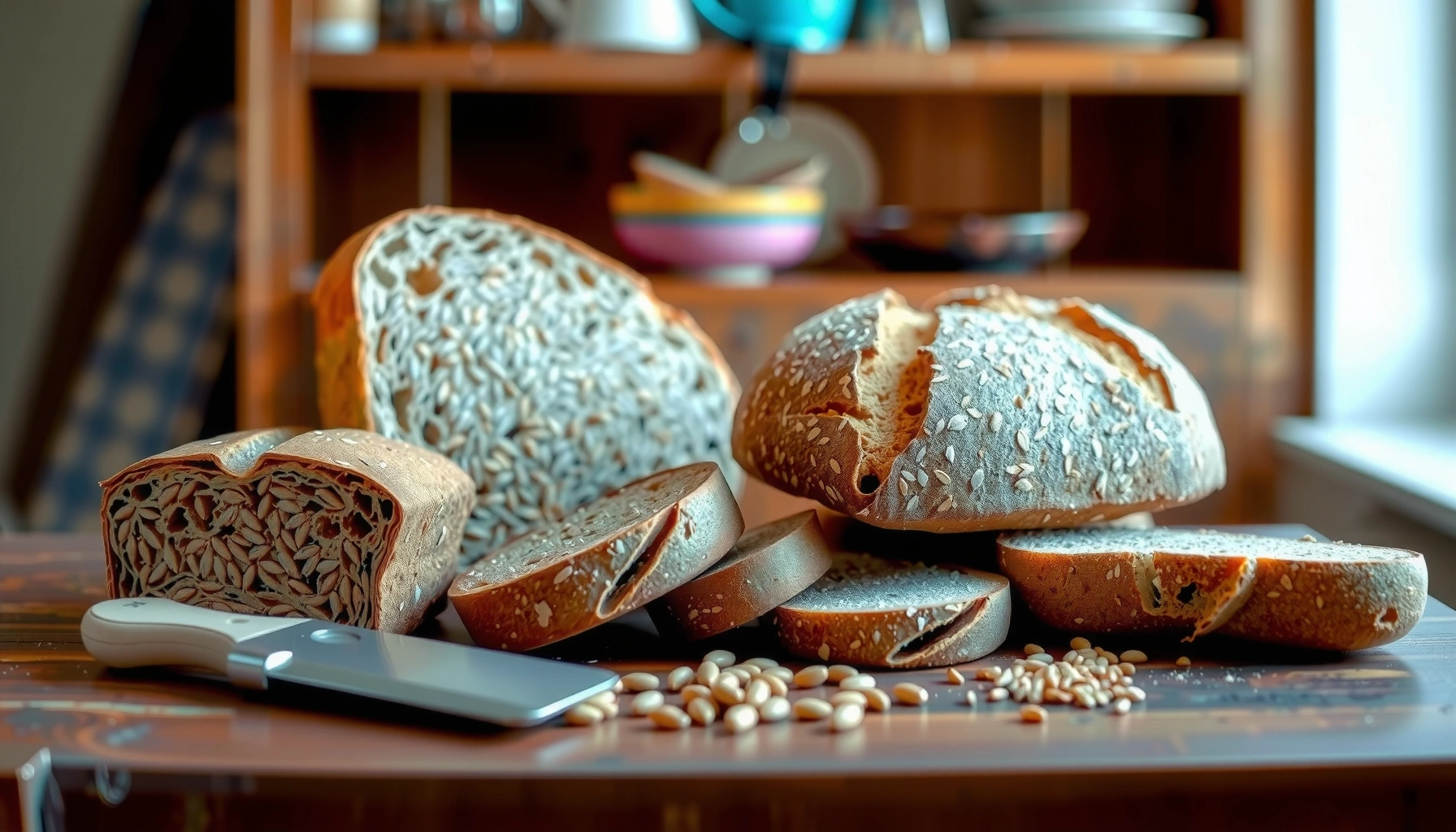

For individuals managing diabetes, selecting the right bread is crucial for blood sugar control, and the best options are generally 100% whole grain, high-fiber varieties with a lower glycemic index. Prioritize choices like 100% whole wheat, sprouted grain, and traditional sourdough breads, which offer sustained energy and essential nutrients without causing rapid spikes in glucose levels. This guide will help you navigate the bread aisle to make informed decisions that support your health.




The Basics: Why Bread Matters for Diabetics
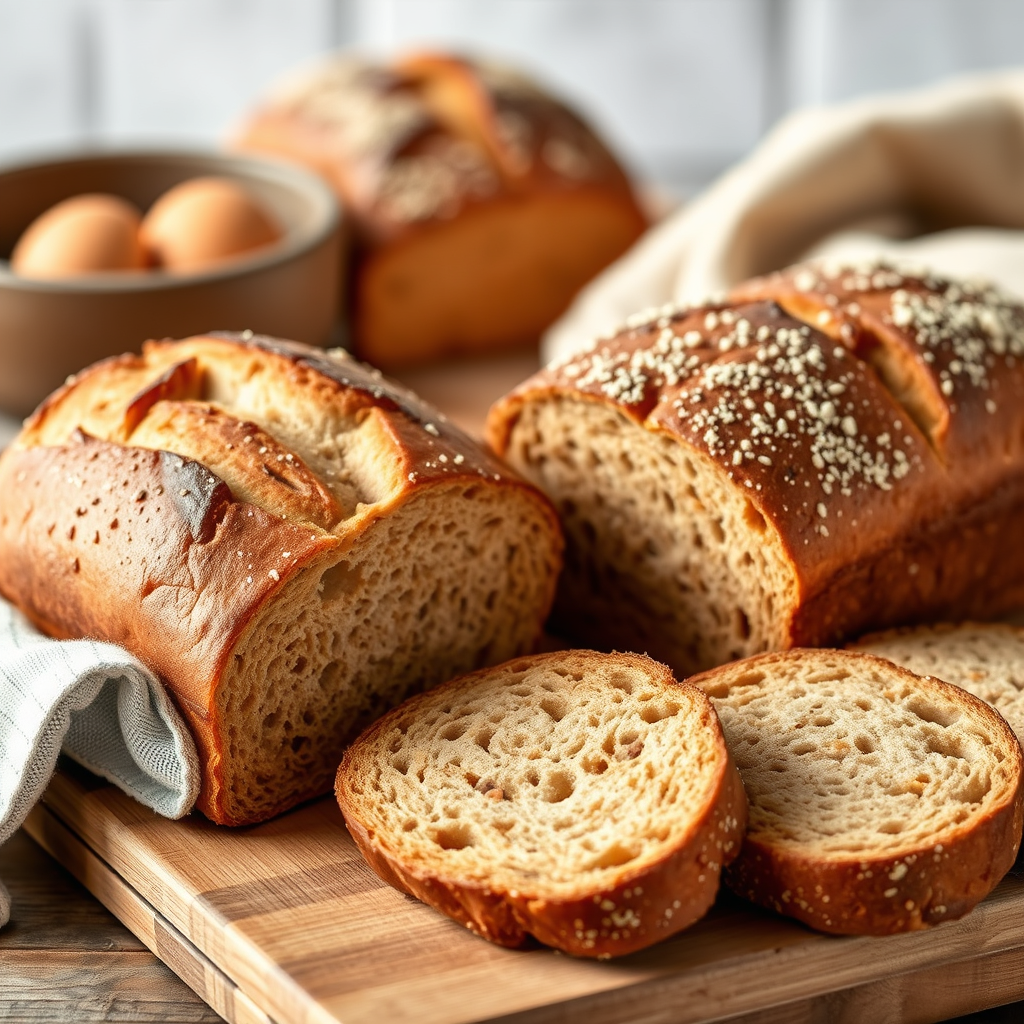
Navigating the world of bread when you’re managing diabetes can feel like a maze, but understanding the fundamentals will empower you to make excellent choices. Bread, a staple in many diets, is primarily a source of carbohydrates, which directly impact your blood sugar levels. Knowing how different types of bread affect your body is the first step towards smarter eating.
* Carbohydrate Impact: Every type of bread contains carbohydrates, and these are your body’s primary source of energy. When you eat bread, the carbohydrates break down into glucose (sugar) in your digestive system, which then enters your bloodstream. For someone with diabetes, the goal is to manage the *speed* and *amount* of this glucose entering the blood. Simple carbohydrates found in white bread, for example, break down very quickly, leading to a rapid and often undesirable spike in blood sugar. Complex carbohydrates, typically found in whole grain breads, digest more slowly due to their fiber content, resulting in a more gradual and sustained release of glucose, which is much better for blood sugar stability. This slower release helps prevent the “sugar roller coaster” that can be so challenging for diabetics to manage.
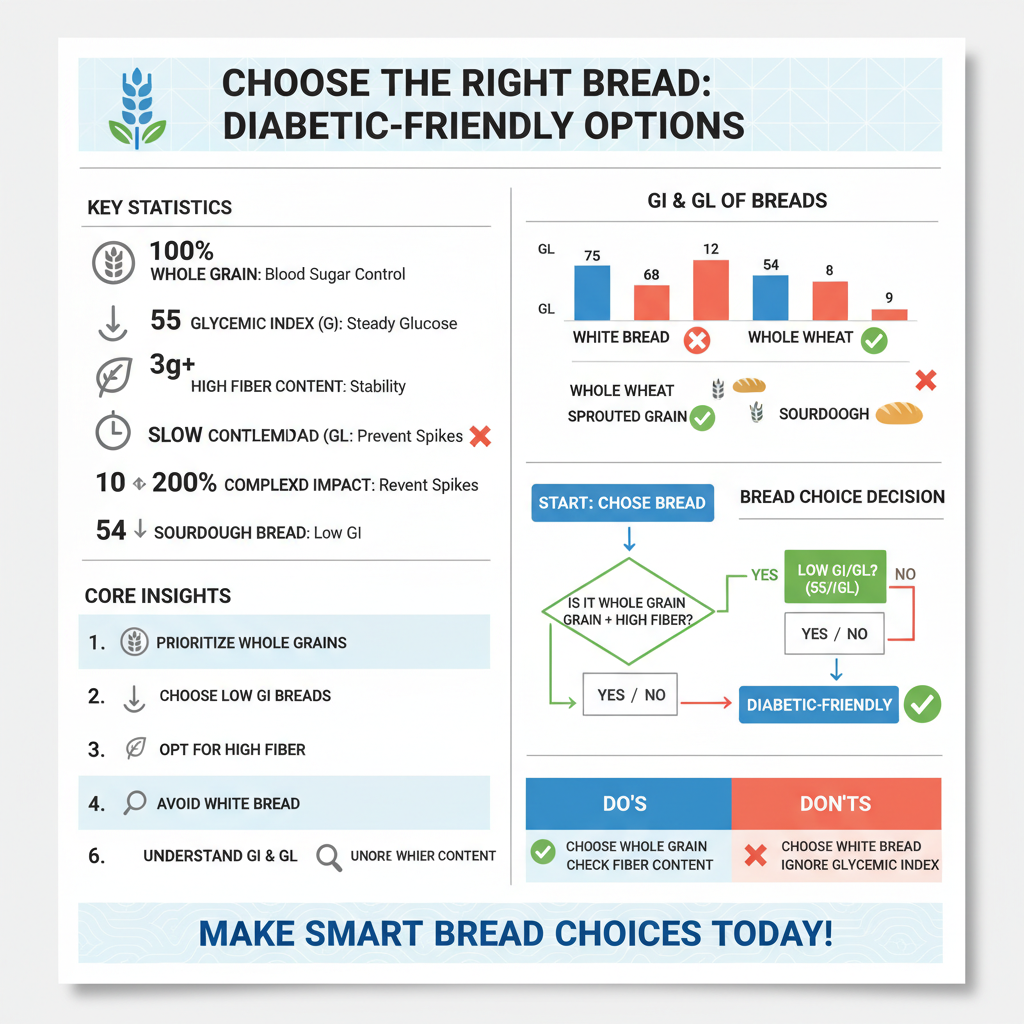
* Glycemic Index (GI) & Load (GL): These are two incredibly helpful tools for understanding how foods affect your blood sugar.
* Glycemic Index (GI): This ranking system measures how quickly a carbohydrate-containing food raises blood glucose compared to a standard food (like pure glucose or white bread). Foods with a high GI (70 or more) cause rapid spikes, while medium GI foods (56-69) have a moderate effect, and low GI foods (55 or less) lead to a slower, steadier rise. Opting for low GI breads can make a significant difference in your daily blood sugar management.
* Glycemic Load (GL): While GI tells you *how fast* a carb turns into sugar, GL takes into account both the GI and the *portion size* of a food. It gives a more realistic picture of a food’s actual impact on your blood sugar. A food might have a high GI, but if you eat a very small portion, its GL could be low. For managing diabetes, aiming for foods with both a lower GI and GL is ideal, as this ensures both a slow release and a manageable total amount of glucose. Look for breads that minimize both rapid spikes and excessive overall glucose input.
Top Choices: Whole Grain Breads
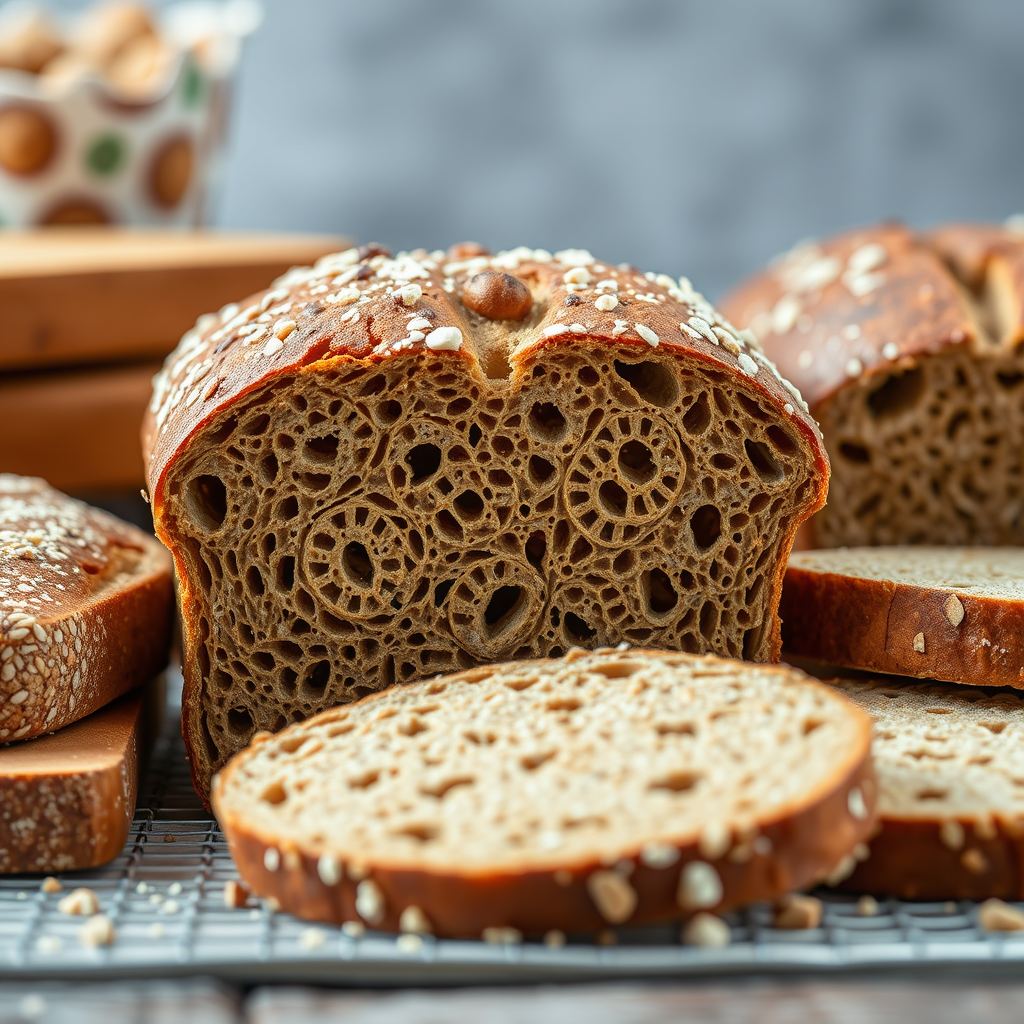
When it comes to diabetic-friendly bread, whole grains are your best friends. They’re packed with fiber, vitamins, and minerals, offering a nutritional punch that refined grains simply can’t match. Making the switch to these options can significantly improve your blood sugar control and overall health.
* 100% Whole Wheat Bread: This is often the most accessible and popular choice for a good reason. When shopping, the key is to look for “100% whole wheat flour” listed as the *very first ingredient* on the label. This ensures that the bread is made from the entire wheat kernel – the bran, germ, and endosperm – retaining all its natural fiber and nutrients. Unlike refined white flour, which strips away the beneficial bran and germ, whole wheat provides soluble and insoluble fiber. Soluble fiber helps slow down the absorption of sugar into the bloodstream, while insoluble fiber aids digestion and promotes a feeling of fullness, which can help with weight management. Beyond fiber, 100% whole wheat bread also offers essential B vitamins, iron, and magnesium, all vital for metabolic health.
* Sprouted Grain Bread: Sprouted grain bread is a fantastic option that takes whole grains a step further. Before milling, the whole grains (which can include wheat, barley, spelt, and lentils) are allowed to “sprout,” meaning they begin to germinate. This sprouting process unlocks a wealth of benefits:
* Improved Digestibility: Sprouting can break down some of the starches and phytic acid in grains, making them easier to digest and allowing your body to absorb more nutrients.
* Lower Glycemic Response: Studies suggest that sprouted grains can have a lower glycemic index compared to their non-sprouted counterparts. This means they lead to a slower, more gradual rise in blood sugar.
* Increased Nutrients: Sprouting can also boost the levels of certain vitamins (like B vitamins and vitamin C) and minerals (like folate, iron, zinc, and magnesium). Brands like Ezekiel 4:9 are well-known examples of sprouted grain bread, and they often come with minimal added sugars.
* Oat Bread: While not as common as whole wheat, oat bread can be an excellent addition to a diabetic-friendly diet, especially if it contains a significant amount of whole oats. The star component in oats is beta-glucan, a type of soluble fiber. Beta-glucan is renowned for its powerful health benefits:
* Cholesterol Lowering: It helps reduce LDL (“bad”) cholesterol levels.
* Blood Sugar Stabilization: It forms a gel-like substance in the digestive tract, which slows down the absorption of glucose, leading to more stable blood sugar levels. This prolonged feeling of fullness can also help curb overeating. When selecting oat bread, ensure that whole oats or oat flour are high up on the ingredient list, and be wary of options that might be sweetened with excessive sugars. The denser and chewier, often the better!
Beyond Whole Wheat: Other Healthy Options
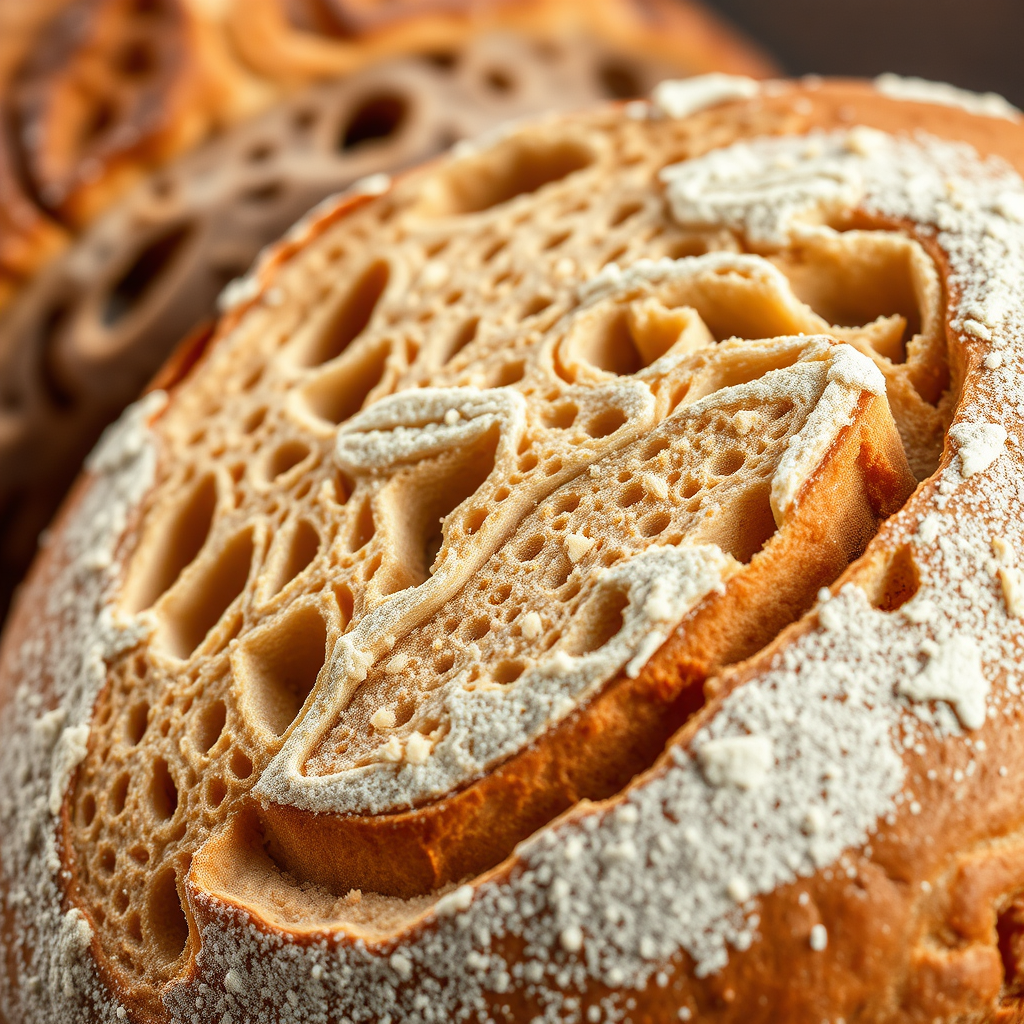
While whole wheat and sprouted grains are fantastic staples, the world of healthy bread extends further! Exploring these alternative options can add variety to your diet while still supporting your blood sugar goals.
* Traditional Sourdough Bread: Ah, sourdough! Its tangy flavor isn’t just delicious; it offers potential benefits for blood sugar management. The magic lies in its traditional fermentation process. Unlike commercially yeast-leavened breads, sourdough is made using a “starter” containing naturally occurring wild yeasts and lactic acid bacteria. These microorganisms work their magic by breaking down some of the carbohydrates and phytic acid in the flour during the long fermentation. This process can:
* Lower Glycemic Impact: Research suggests that traditional sourdough bread may have a lower glycemic index compared to conventional white or even some whole wheat breads. The lactic acid produced during fermentation might help slow the rate at which glucose is released into the bloodstream.
* Improved Digestibility: The fermentation can also make the bread easier to digest for some people.
When choosing sourdough, look for “traditional” or “authentic” sourdough, ideally made with whole grain flours, as some commercial sourdoughs might use added yeast and shortcuts that diminish these benefits.
* Dense Rye Bread: Often found in European-style bakeries, dense rye bread is a robust and hearty choice. Compared to many other types of bread, rye is typically higher in fiber, especially a unique type called arabinoxylan fiber. This high fiber content is a huge win for diabetics as it:
* Slows Glucose Absorption: The abundant fiber creates a thicker consistency in the gut, which significantly slows down the digestion of carbohydrates and the absorption of glucose into the bloodstream.
* Increases Satiety: It helps you feel fuller for longer, which can be beneficial for appetite control and weight management.
Rye bread also generally boasts a lower glycemic index than most wheat breads. Varieties like pumpernickel and dark rye, which are very dense and contain more whole rye flour, are usually the best options. Just be sure to check the ingredients to ensure minimal added sugars.
* Low-Carb & Seed Breads: The market for specialty breads has grown, offering innovative solutions for those looking to significantly reduce their carbohydrate intake. These breads are usually made without traditional wheat flour, instead relying on ingredients like:
* Almond Flour and Coconut Flour: These flours are naturally low in carbohydrates and high in healthy fats and fiber.
* Flaxseed Meal, Psyllium Husk, Chia Seeds: These ingredients contribute substantial fiber and healthy fats, further enhancing the bread’s nutritional profile and its ability to stabilize blood sugar.
These low-carb and seed breads can be excellent alternatives, especially for ketogenic or very low-carb diets, but it’s crucial to read the ingredients list carefully. Some brands might add starches or sweeteners to improve taste and texture, which could undermine their low-carb benefits. Always check the net carb count (total carbs minus fiber) and ensure the ingredient list aligns with your dietary goals.
What to Look For (and What to Avoid)
Becoming a label-reading expert is one of the most powerful tools in your diabetes management arsenal, especially when it comes to bread. The front of a package can be deceiving, but the nutrition facts and ingredient list tell the real story.
* Prioritize “100% Whole Grain”: This is arguably the most critical phrase to look for on any bread label. Many breads might claim to be “wheat bread,” “multigrain,” “seven-grain,” or “enriched wheat.” These terms are often marketing ploys.
“Wheat bread” can simply mean it’s made from wheat, which could be refined white flour.
“Multigrain” just means it contains multiple types of grains, but these grains might all be refined.
“Enriched wheat flour” means that nutrients lost during the refining process have been added back, but the fiber is still missing.
The only way to ensure you’re getting the full benefits of whole grains is to see “100% whole grain” or “100% whole wheat flour” as the first ingredient. If you see “bleached” or “unbleached enriched wheat flour,” put it back on the shelf.
* Check Fiber and Sugar Content: Once you’ve confirmed it’s 100% whole grain, dive into the nutrition facts panel. These two metrics are key for managing blood sugar:
* Fiber: Aim for at least 3 grams of fiber per serving (and ideally even more, if possible). Higher fiber content significantly contributes to a lower glycemic response, better digestive health, and increased satiety, helping you feel full longer and preventing overeating.
* Added Sugar: Strive for less than 3 grams of added sugar per serving. Many seemingly savory breads can surprisingly contain hidden sugars to improve taste and texture. Look for terms like high-fructose corn syrup, honey, molasses, cane sugar, dextrose, or malt syrup in the ingredient list. The less added sugar, the better for your blood sugar levels.
* Avoid Refined Grains: This is a straightforward rule of thumb: if it’s white, soft, and fluffy, it’s generally best to avoid it. Refined grains like white bread, most bagels, highly processed tortillas, and sweet rolls (cinnamon buns, donuts, etc.) are stripped of their beneficial bran and germ. This means:
* Rapid Sugar Spikes: They are quickly digested, leading to a swift and often dramatic rise in blood glucose levels.
* Lack of Nutrients: They offer very little in terms of fiber, vitamins, and minerals.
* Poor Satiety: You’ll likely feel hungry again quickly after eating them, leading to a cycle of overeating. Making a conscious effort to eliminate these from your diet can have a profound positive impact on your diabetes management.
Smart Eating: Portion Control and Pairing
Even the “best” bread for diabetics needs to be enjoyed strategically. It’s not just about what you eat, but how much and what you eat it with. Integrating mindful eating practices with your bread choices can further optimize your blood sugar control.
* Mindful Portion Sizes: While choosing whole grain, high-fiber breads is crucial, remembering that all bread contains carbohydrates is equally important. Even healthy carbs need to be managed. Practice carbohydrate counting by familiarizing yourself with the carb content per serving (usually one slice) listed on the nutrition label. Adhere to your recommended serving sizes, which are often determined by your healthcare provider or dietitian as part of your overall meal plan. It’s easy to mindlessly eat an extra slice, but those extra carbs can quickly add up and impact your blood sugar. Using smaller plates or pre-portioned bags can also help you stick to your limits.
* Pair with Protein and Healthy Fats: This is a fantastic strategy to further slow down glucose absorption and enhance satiety. When you eat bread alongside sources of lean protein and healthy fats, your stomach empties more slowly, which means glucose enters your bloodstream at a more gradual pace.
* Protein examples: Pair your bread with eggs, lean deli meat (chicken or turkey), cheese, cottage cheese, or a smear of hummus.
* Healthy fat examples: Top your toast with avocado, a natural nut butter (peanut, almond), or a drizzle of olive oil.
Imagine a slice of 100% whole wheat toast with mashed avocado and a sprinkle of everything bagel seasoning, or a piece of dense rye bread with a slice of lean turkey and some mustard. These combinations not only taste great but also create a more balanced meal that supports stable blood sugar.
* Read Nutrition Labels Diligently: We’ve mentioned this before, but it bears repeating as a fundamental, ongoing practice. Nutrition labels are your allies! Make it a habit to scrutinize them every time you buy a new product or when your favorite brand changes its formulation.
* Serving Size: Always start here. All other numbers are based on this.
* Total Carbohydrates: Note this number to fit into your carb budget.
* Dietary Fiber: Aim high (3g+).
* Added Sugars: Aim low (<3g).
* Ingredient List: Confirm “100% whole grain” is first, and watch out for hidden sugars or unhealthy oils.
Becoming a savvy label reader empowers you to make truly informed decisions, ensuring the bread you choose aligns perfectly with your dietary needs and health goals.
Choosing the best bread for diabetes involves prioritizing whole grains, high fiber, and mindful consumption. By focusing on options like 100% whole wheat, sprouted grain, and traditional sourdough, and paying close attention to portion sizes and nutritional labels, you can enjoy bread as part of a balanced diet without compromising your blood sugar goals. Remember that knowledge is power, and consistent smart choices accumulate into significant health benefits. Always consult with your healthcare provider or a registered dietitian to tailor these recommendations to your individual health plan and ensure they integrate seamlessly with your specific needs.
Frequently Asked Questions
What kind of bread is best for diabetics to manage blood sugar?
The best breads for diabetics are generally 100% whole grain, high-fiber options that have a low glycemic index. Look for varieties like whole wheat, sprouted grain bread, and authentic sourdough bread, as they help promote more stable blood sugar levels. These types offer essential nutrients and contribute to better overall diabetes management compared to refined white breads.
Why is whole wheat bread often recommended for diabetics?
Whole wheat bread is highly recommended for people with diabetes due to its significantly higher fiber content compared to refined white bread. Fiber slows down the digestion and absorption of carbohydrates, preventing rapid spikes in blood glucose. This sustained energy release supports better blood sugar control and can also contribute to satiety, which is beneficial for weight management.
How can diabetics choose bread that won’t spike their blood sugar significantly?
To choose diabetic-friendly bread, carefully read nutrition labels. Look for “100% whole grain” as the first ingredient and aim for at least 3-5 grams of fiber per serving, while keeping added sugars below 2 grams per slice. Prioritize breads with a lower carbohydrate count and consider the glycemic index, always pairing your bread with protein and healthy fats to further minimize blood sugar impact.
Which types of bread should diabetics primarily avoid to maintain healthy glucose levels?
Diabetics should primarily avoid highly refined breads, such as white bread, brioche, and sweet breads like cinnamon raisin bread. These types are typically made with refined flours that have little fiber, causing quick and significant spikes in blood sugar due to their high glycemic index and often high added sugar content. Opting out of these options is a key step in effective blood sugar management.
Can sourdough bread be a good option for people with diabetes?
Yes, traditional sourdough bread can indeed be a better option for people with diabetes compared to conventional white bread. The long fermentation process used in sourdough production breaks down some carbohydrates and reduces the bread’s glycemic index, leading to a slower and more gradual rise in blood sugar. Ensure you choose authentic, slow-fermented sourdough, preferably made with whole grain flours, for the maximum benefit for your blood glucose levels.
References
- https://health.clevelandclinic.org/the-best-breads-for-diabetes/
- https://diabetes.org/healthy-living/recipes-nutrition/what-can-i-eat/understanding-carbohydrates/whole-grains
- Diabetes diet: Create your healthy-eating plan – Mayo Clinic
- Carbohydrates • The Nutrition Source
- Healthy Living with Diabetes – NIDDK
- Get to Know Grains: Why You Need Them, and What to Look For | American Heart Association
- Glycemic index
- https://www.ucsfhealth.org/education/eating-guidelines-for-type-2-diabetes