

Navigating the bread aisle as a diabetic can be challenging, but the best whole wheat bread for managing blood sugar is typically one that is 100% whole grain, high in fiber, low in added sugars, and has a controlled sodium content. Prioritizing these nutritional markers will help you choose options that support stable blood glucose levels and overall health. This guide will walk you through what to look for, recommended types, and smart eating strategies to ensure your bread choice is a beneficial one, allowing you to enjoy bread without derailing your health goals.




Why Whole Wheat Bread is a Smart Choice for Diabetics

Choosing the right bread is a cornerstone of a balanced diet for anyone, but especially for individuals managing diabetes. Whole wheat bread, when selected wisely, offers a range of benefits that go far beyond just satisfying a craving. It’s a strategic food choice that supports overall health and helps stabilize blood sugar levels.
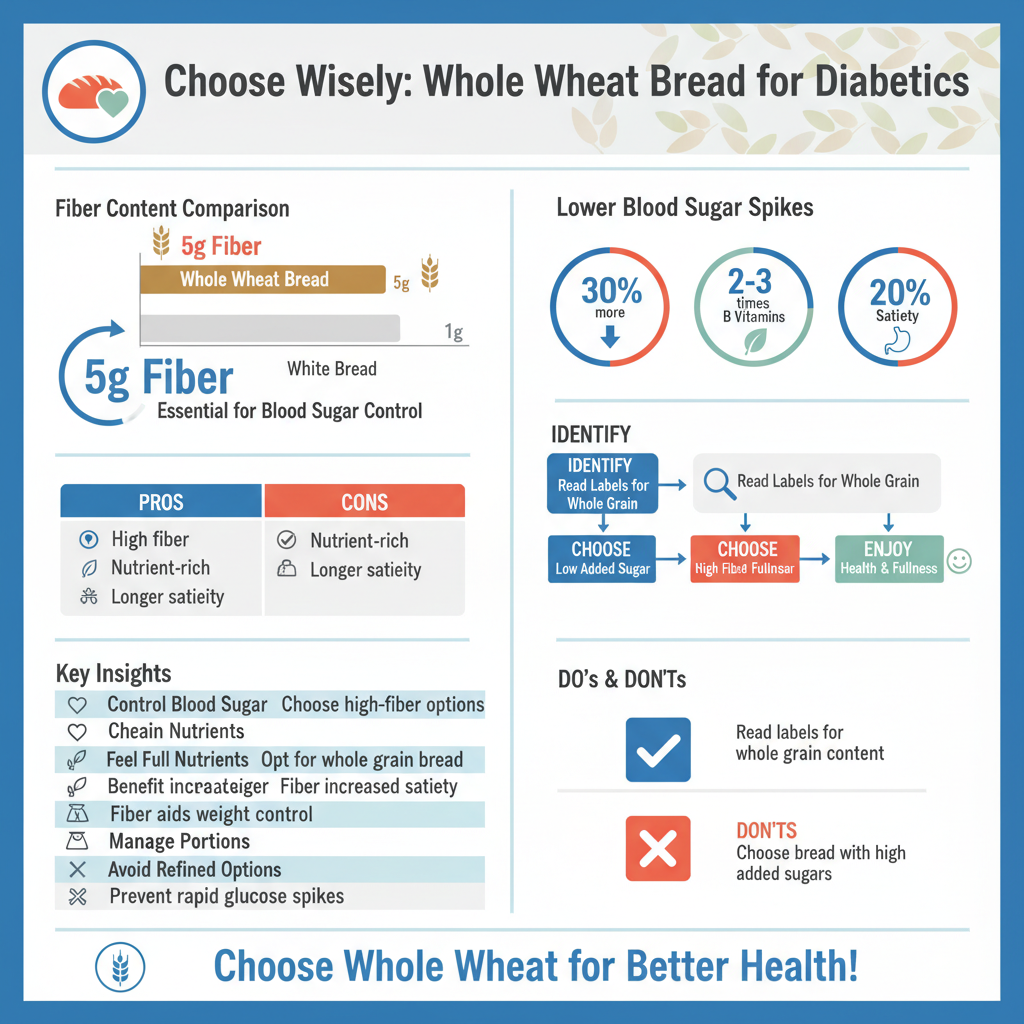
* Stable Blood Sugar Management: The cornerstone benefit of whole wheat bread for diabetics lies in its high fiber content. Unlike refined white bread, which is quickly broken down into glucose, the dietary fiber in whole wheat bread acts as a natural speed bump. It significantly slows down the digestion of carbohydrates and the absorption of glucose into your bloodstream. This gradual release helps prevent the rapid blood sugar spikes that can be detrimental for diabetics, leading to a more controlled and stable blood glucose response after meals. This steady energy release is crucial for avoiding the “sugar roller coaster” and maintaining consistent energy levels throughout the day.
* Enhanced Nutrient Profile: Opting for whole wheat bread means choosing a food that retains its full nutritional integrity. Refined white bread is stripped of the bran and germ during processing, taking with it a significant portion of essential vitamins, minerals, and antioxidants. Whole wheat bread, however, keeps these valuable components intact. You’ll find a richer supply of B vitamins (thiamin, riboflavin, niacin, folate) vital for energy metabolism, magnesium crucial for muscle and nerve function and blood sugar control, and iron for oxygen transport. It also contains zinc, selenium, and a host of antioxidants and phytochemicals that contribute to overall cellular health and disease prevention, offering far more than just carbohydrates.
* Increased Satiety: One of the most underrated benefits of fiber-rich whole wheat bread is its ability to keep you feeling full and satisfied for longer periods. Fiber adds bulk to your diet without adding extra calories, and it slows down the rate at which food leaves your stomach. This prolonged feeling of fullness, or satiety, is incredibly helpful for portion control and weight management, both of which are critical components of effective diabetes care. By feeling more satisfied after a meal, you’re less likely to succumb to cravings or overeat, making it easier to maintain a healthy weight and support better glycemic control.
Essential Nutritional Factors to Prioritize
When you’re navigating the bread aisle, the sheer number of options can be overwhelming. For diabetics, becoming a savvy label reader is paramount. Focusing on a few key nutritional factors will help you make the best choice for your blood sugar and overall health.
* High Fiber Content: This is arguably the most crucial factor for diabetics. Aim for breads that provide at least 3-5 grams of dietary fiber per slice. Fiber, particularly soluble fiber, forms a gel-like substance in the digestive tract, which slows down glucose absorption and helps lower cholesterol. Insoluble fiber adds bulk, promoting digestive regularity. Achieving this target per slice significantly contributes to your daily fiber intake goals, which are typically 25-38 grams per day, supporting not only stable blood sugar but also a healthy digestive system. Look for ingredients like whole wheat flour, oat fiber, or added seeds (flax, chia) to boost fiber content.
* Low Added Sugars: This can be a tricky one, as many breads, even “wheat” varieties, contain surprising amounts of added sugars. Carefully check the ingredient list for hidden sugars that can contribute to blood sugar spikes without offering nutritional value. Common culprits include high-fructose corn syrup, dextrose, molasses, honey, brown sugar, and even fruit juice concentrate. Ideally, choose breads with less than 2-3 grams of added sugar per serving (which is usually one slice). The lower, the better! A good rule of thumb is to pick breads where sugar isn’t listed among the first few ingredients.
* Controlled Sodium Levels: While sodium doesn’t directly impact blood sugar, it’s a critical consideration for diabetics due to the heightened risk of cardiovascular complications. High sodium intake can lead to elevated blood pressure, which in turn stresses the heart and kidneys – organs already vulnerable in individuals with diabetes. Aim for bread options with less than 150-200 mg of sodium per slice. Many whole grain breads are naturally lower in sodium, but it’s always worth checking the label to safeguard your heart health.
* Glycemic Index (GI): The Glycemic Index is a measure of how quickly a food raises blood glucose levels. While not always listed on bread labels, understanding this concept is beneficial. Generally, 100% whole grain breads, especially those rich in fiber, have a lower GI compared to those made with refined flours. A lower GI means a slower, more sustained rise in blood glucose, which is ideal for diabetes management. Factors like fiber content, fat, protein, and even the processing method (e.g., sprouted grains) can influence a bread’s GI, making some whole grain options even better than others.
How to Effectively Read Bread Labels

Becoming a detective in the bread aisle is a skill worth mastering. Many bread manufacturers use clever marketing terms that can be misleading. Learning to accurately interpret nutrition labels and ingredient lists is your best defense against inadvertently choosing a less-than-optimal option for your diabetes management.
* “100% Whole Wheat” or “100% Whole Grain”: This is your golden rule. The single most important phrase to look for is “100% whole wheat flour” or “100% whole grain flour” as the *first ingredient* on the list. If the label simply says “wheat bread,” “multi-grain,” “seven-grain,” or “enriched wheat flour,” it often means the bread contains refined white flour and may have minimal whole grains. “Enriched wheat flour” means the beneficial bran and germ have been removed, and some nutrients added back synthetically, which doesn’t equate to the comprehensive benefits of whole grains. Don’t be fooled by brown color either; molasses or caramel coloring can make refined breads appear “whole wheat.”
* Scrutinize the Ingredient List: Beyond the first ingredient, take a moment to read the entire ingredient list. Shorter lists with recognizable, natural ingredients are generally better. Be wary of long lists filled with unfamiliar chemical-sounding names, excessive preservatives, artificial colors, or a variety of added sweeteners. As mentioned earlier, look out for multiple forms of sugar (e.g., honey, corn syrup, fruit juice concentrate) listed early on. Also, try to avoid breads containing partially hydrogenated oils, which are sources of unhealthy trans fats. A clean ingredient list signals a more natural and healthier product.
* Understand Serving Sizes: This is a common pitfall. Nutritional information is always provided per serving, and for bread, a serving is typically one slice. However, slice sizes can vary significantly between brands, from thin-sliced options to thick, hearty slices. Always note the serving size when comparing carbohydrate, fiber, and sugar content to accurately assess its impact on your diet. If you typically eat two slices, remember to double all the nutritional values when calculating its contribution to your meal. Being mindful of serving size ensures you’re making accurate comparisons and effectively managing your carbohydrate intake.
Specific Types and Brands to Consider
Now that you’re an expert label reader, let’s explore some specific types and brands of whole wheat bread that generally align with the nutritional criteria for diabetics. Keep in mind that product availability and specific formulations can vary by region, so always double-check the labels.
* True 100% Whole Grain Breads: These are your go-to options. Many well-known brands offer excellent 100% whole wheat varieties. For instance, Dave’s Killer Bread has several varieties, and while some are higher in sugar (check the label!), their “21 Whole Grains and Seeds” and “Good Seed” are popular choices that offer substantial fiber and protein. Pepperidge Farm 100% Whole Wheat and Arnold/Oroweat 100% Whole Wheat are widely available and consistently meet the 100% whole grain criteria, often with reasonable fiber and sugar profiles. When exploring these, look for options that explicitly state “100% whole wheat” and prioritize those with lower added sugars.
* Sprouted Grain Breads: These breads are often hailed as a superior choice for diabetics, and for good reason. Brands like Ezekiel 4:9 Sprouted Whole Grain Bread (Food For Life brand) are made from grains that have just begun to sprout. This sprouting process can enhance the nutritional value by increasing nutrient bioavailability, breaking down starches, and potentially leading to a lower glycemic index compared to non-sprouted whole grains. Sprouted grain breads often boast higher protein content, more digestible nutrients, and a truly unique texture. Many people find them easier to digest, too. They typically have a very clean ingredient list, often containing just grains, legumes, water, and sea salt.
* High-Fiber, Low-Sugar Options: Beyond the mainstream, many specialty health brands are specifically formulated with diabetics in mind, prioritizing maximum fiber and minimal added sugars. These often incorporate a generous amount of seeds, such as flax seeds, chia seeds, sunflower seeds, and pumpkin seeds, which naturally boost both fiber and healthy fats. These seeds also contribute a satisfying texture and additional micronutrients. Examples might include smaller, regional bakeries or brands found in the health food aisle that explicitly market to those seeking blood sugar-friendly options. Always double-check their specific nutritional panels for fiber per slice and added sugar content.
Smart Strategies for Eating Bread with Diabetes
Choosing the right bread is half the battle; the other half is knowing how to incorporate it wisely into your diet. Even the “best” whole wheat bread can impact blood sugar if not consumed strategically. These tips will help you enjoy bread as a beneficial part of your diabetes management plan.
* Practice Portion Control: This is perhaps the most critical strategy. Even 100% whole wheat bread contains carbohydrates, and managing your total carbohydrate intake per meal is essential for blood sugar control. Stick to your recommended serving size, which is typically one slice of bread. If you’re used to large sandwiches, consider making open-faced sandwiches or using smaller bread slices to help manage your carbohydrate load. Consult with a registered dietitian or your healthcare provider to understand your individual carbohydrate allowance per meal.
* Pair with Protein and Healthy Fats: Don’t eat bread on its own! Combining your whole wheat bread with sources of protein and healthy fats can significantly slow down digestion and glucose absorption, leading to a much gentler rise in blood sugar. For example, instead of just plain toast, top it with avocado and a poached egg, almond butter, hummus, or lean turkey and a slice of cheese. These pairings provide satiety, extend the feeling of fullness, and help stabilize your blood glucose response, making your bread choice work harder for your health.
* Monitor Your Blood Sugar: Personalization is key in diabetes management. How one type of bread affects one person’s blood sugar might be different for another. Pay close attention to how different breads and bread pairings affect your individual blood glucose levels. Use your glucose monitor to check your levels before and about two hours after eating bread. This practice will help you identify which specific brands and combinations work best for your body and help you make informed decisions about your bread consumption moving forward. Keeping a food diary can be a useful tool to track these responses.
Choosing the best whole wheat bread for diabetes management involves a keen eye on nutrition labels, prioritizing high fiber and low added sugars, and opting for truly 100% whole grain products. By applying these guidelines and incorporating smart eating habits like portion control and strategic pairing, you can confidently enjoy bread as part of a balanced, diabetes-friendly diet. Always consult with your healthcare provider or a registered dietitian for personalized dietary advice tailored to your specific health needs.
Frequently Asked Questions
What nutritional information should diabetics prioritize when choosing a whole wheat bread?
Diabetics should prioritize breads with “100% whole wheat flour” as the first ingredient, ensuring genuine whole grain benefits. Crucially, look for high fiber content (at least 3 grams per slice) and minimal added sugars, aiming for less than 2-3 grams per serving. Monitoring carbohydrate count and overall sodium levels is also important for comprehensive diabetes management.
Why is 100% whole wheat bread generally recommended over refined or “wheat” bread for managing diabetes?
100% whole wheat bread contains the entire grain kernel, including the bran, germ, and endosperm, which are rich in fiber and nutrients. This fiber slows down glucose absorption, preventing rapid blood sugar spikes often associated with refined white or “wheat” breads that lack these beneficial components. Consistently choosing whole wheat bread can significantly contribute to better glycemic control for diabetics.
How can I identify genuine 100% whole wheat bread among misleadingly labeled products for diabetes management?
To ensure you’re getting genuine whole wheat bread, always check the ingredient list, not just the front label. The very first ingredient should explicitly state “100% whole wheat flour,” not just “wheat flour” or “enriched wheat flour.” Be wary of terms like “multigrain” or “wheat bread” without the “100% whole” descriptor, as these often contain refined grains and added sugars detrimental to blood sugar control.
Which specific features, beyond just “whole wheat,” make a bread one of the best choices for diabetics?
Beyond being 100% whole wheat, the best bread choices for diabetics have a high fiber content (ideally 3-5 grams per slice), very low or no added sugars, and a moderate carbohydrate count per serving. Additionally, breads made with sprouted grains can sometimes offer a slightly lower glycemic response. Always check the nutrition label for sodium levels, opting for lower-sodium varieties to support overall heart health.
Does portion control still matter significantly even when consuming the best whole wheat bread for diabetics?
Absolutely, portion control is paramount even with the healthiest whole wheat bread for diabetics. While 100% whole wheat bread is a better choice due to its fiber content, it still contains carbohydrates that impact blood sugar levels. Adhering to recommended serving sizes, typically one slice, and pairing it with protein or healthy fats can help further stabilize glucose response and prevent unwanted spikes.
References
- https://www.diabetes.org/healthy-living/recipes-nutrition/eating-well/whole-grains-fiber
- Diabetes diet: Create your healthy-eating plan – Mayo Clinic
- https://www.niddk.nih.gov/health-information/diabetes/overview/eating-diet-nutrition
- Whole Grains • The Nutrition Source
- https://health.clevelandclinic.org/can-diabetics-eat-bread
- https://www.cdc.gov/diabetes/managing/eat-well/index.html