For diabetics, the best protein shakes are those specifically formulated to be low in added sugars, simple carbohydrates, and artificial sweeteners, while providing a substantial amount of high-quality protein and beneficial fiber. Understanding the nutritional labels and ingredients is crucial to finding shakes that support stable blood sugar levels without compromising taste or nutritional value. This guide will help you navigate the options to make informed, health-conscious choices.
Why Protein Shakes for Diabetics?

Living with diabetes means making mindful choices about what you eat to keep your blood sugar levels in check. Protein shakes can be a fantastic tool in your dietary arsenal, offering several unique benefits that align perfectly with diabetes management goals. They’re not just for bodybuilders anymore – they’re a convenient, effective way to support your health.
* Blood Sugar Management: This is perhaps the most significant benefit. Unlike carbohydrates, protein has a minimal impact on blood sugar levels. When you consume protein, it helps slow down the digestion and absorption of glucose from other foods eaten with it. This leads to a more gradual and stable rise in blood sugar, preventing those uncomfortable spikes and crashes. Integrating protein shakes can help smooth out your glycemic response to meals, making it easier to maintain control.
* Satiety and Weight Management: Feeling full and satisfied is a big win when you’re managing diabetes, especially if weight management is part of your health strategy. Protein is renowned for its ability to promote satiety, meaning it keeps you feeling fuller for longer compared to fats or carbohydrates. This can naturally lead to reduced overall calorie intake, helping you reach or maintain a healthy weight. Since maintaining a healthy weight is crucial for improving insulin sensitivity and managing Type 2 diabetes, protein shakes can be a valuable ally in your weight management journey.
* Nutrient Support: In our busy lives, it’s not always easy to ensure we’re getting all the essential nutrients we need, especially adequate protein. Protein shakes offer a quick, convenient, and often delicious way to boost your protein intake without a lot of fuss. They’re especially helpful for those with demanding schedules, individuals who struggle to eat enough protein from whole foods, or anyone needing a quick, balanced snack or meal replacement that won’t send blood sugar soaring. They ensure you’re getting vital amino acids, which are the building blocks for muscles, enzymes, and hormones, all critical for overall health and vitality.
Key Nutritional Factors to Prioritize
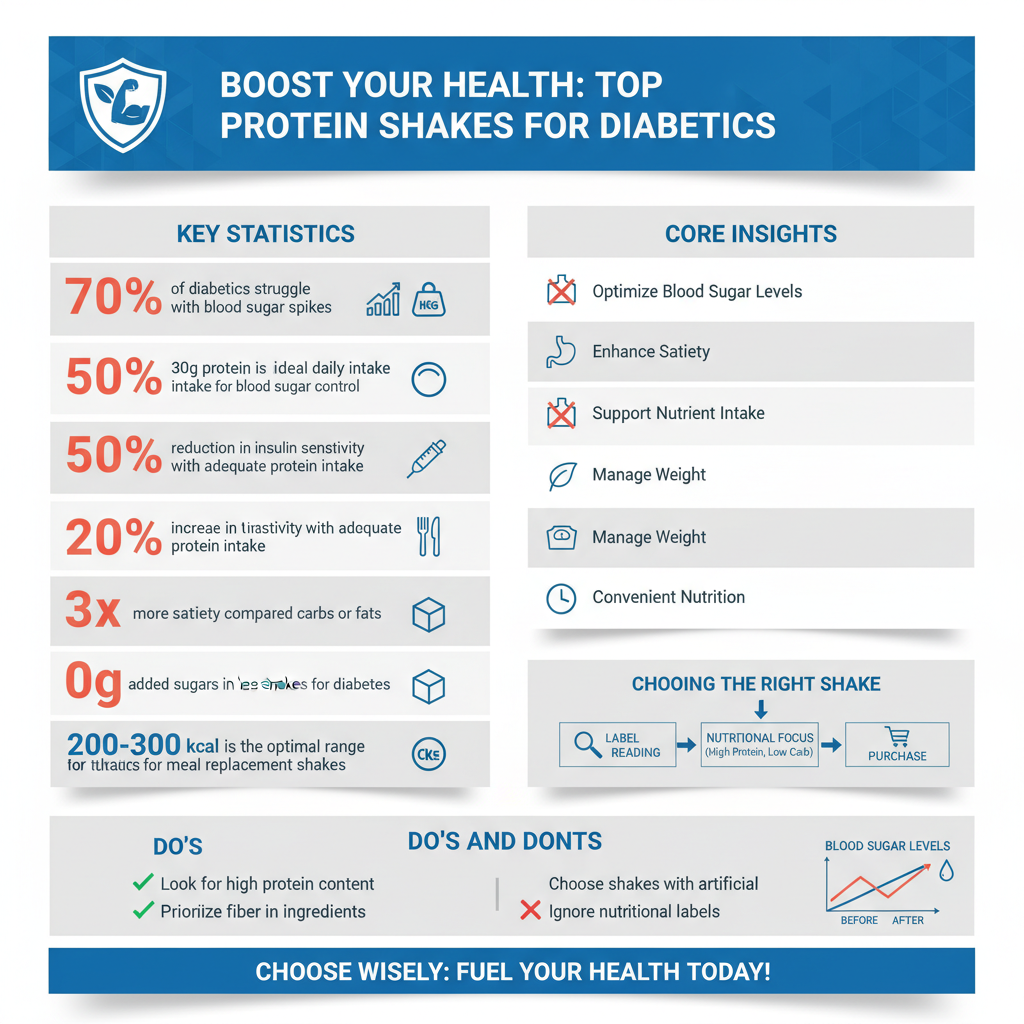

When you’re scanning the shelves for a protein shake, it can feel a bit like decoding a secret language. But don’t worry, we’re here to help you become a label-reading pro! Focusing on a few key nutritional factors will guide you toward shakes that truly support your blood sugar goals and overall well-being.
* Low in Added Sugars: This is rule number one for diabetics choosing protein shakes. Added sugars can wreak havoc on blood glucose levels, causing rapid spikes. Always check the “Added Sugars” line on the nutrition label. Your goal should be shakes with 0-5 grams of added sugar per serving. Be mindful that some shakes might contain natural sugars from fruit if they include fruit purees or concentrates. While these aren’t “added” sugars in the same way, they still contribute to your total carbohydrate intake and should be factored into your daily carb budget. Remember, even “natural” sweeteners like agave or honey can cause blood sugar spikes, so scrutinize all sugar sources.
* Controlled Carbohydrates: While carbs aren’t off-limits, controlling their quantity and quality is key. Aim for shakes with a moderate carbohydrate count, ideally prioritizing complex carbohydrates and ensuring a good fiber-to-carb ratio. Many diabetic-friendly shakes will aim for under 15-20 grams of total carbohydrates per serving, but this can vary based on whether you’re using it as a snack or a meal replacement. The concept of net carbs can be helpful here: total carbohydrates minus fiber and sugar alcohols (if present). A lower net carb count generally translates to less impact on blood sugar.
* High-Quality Protein: Protein is your friend! Look for shakes with at least 15-20 grams of protein per serving from reputable sources. “High-quality” protein sources contain all nine essential amino acids that your body can’t produce on its own. Excellent options include whey isolate, casein, pea protein, or soy protein. These proteins are efficiently used by your body for muscle repair, satiety, and various metabolic functions without significantly impacting blood sugar. The higher the protein content, often the more satisfying the shake will be, helping to curb hunger between meals.
* Adequate Fiber Content: Fiber is a superstar for diabetics! It plays a crucial role in regulating blood sugar by slowing down glucose absorption, which means steadier energy levels and fewer spikes. Fiber also supports digestive health, helps manage cholesterol, and contributes to that feeling of fullness. Look for shakes that provide 3+ grams of fiber per serving. Ingredients like inulin, chicory root fiber, psyllium husk, or oat fiber are great additions.
Ingredients to Avoid in Protein Shakes

Just as important as knowing what to look for, is knowing what to steer clear of. Some common ingredients in protein shakes can undermine your blood sugar management goals and overall health. Let’s make sure you’re not accidentally sabotaging your efforts!
* Excessive Added Sugars: This bears repeating because it’s so critical. Beyond checking the “Added Sugars” line, get familiar with sugar’s many aliases. Watch out for ingredients like high-fructose corn syrup, sucrose, dextrose, maltodextrin, corn syrup solids, brown rice syrup, and evaporated cane juice listed high up on the ingredient list. The higher an ingredient is on the list, the more of it is present in the product. These refined sugars provide empty calories and can cause rapid, significant increases in blood glucose, making diabetes management much harder.
* Artificial Sweeteners (Use with Caution): While artificial sweeteners like sucralose (Splenda), aspartame (NutraSweet, Equal), and saccharin (Sweet’N Low) are calorie-free and don’t directly raise blood sugar, their long-term effects on the gut microbiome and potential impact on insulin sensitivity are still being researched and debated. Some studies suggest they might alter gut bacteria in ways that could potentially contribute to glucose intolerance in some individuals. For a safer bet, consider opting for natural, non-caloric alternatives like stevia or monk fruit extract when possible, as these are generally better tolerated and have a cleaner profile.
* Unhealthy Fats: While some healthy fats can be beneficial in protein shakes (like those from nuts or seeds), be wary of shakes high in saturated or trans fats. Trans fats, often listed as “partially hydrogenated oils,” are particularly detrimental to heart health and should be avoided entirely. Diabetics are at an increased risk for cardiovascular disease, so choosing shakes that are low in unhealthy fats is an important protective measure for your heart. Read the nutrition label’s fat section carefully.
* Artificial Colors and Preservatives: These ingredients, such as Red 40, Yellow 5, BHT, or BHA, offer absolutely no nutritional benefit. They are added purely for aesthetics or shelf life. For overall health, and especially when managing a chronic condition like diabetes, it’s wise to choose products with the fewest artificial additives possible. Opt for shakes with a cleaner ingredient list to minimize exposure to unnecessary chemicals.
Recommended Protein Sources and Shake Types
Now that you know what to prioritize and what to avoid, let’s dive into the types of protein that are generally well-suited for individuals managing diabetes. Each protein source has its unique characteristics, allowing you to choose one that best fits your lifestyle and dietary needs.
* Whey Protein Isolate: This is a fantastic option, especially for post-workout recovery or a quick protein boost. Whey protein isolate is derived from milk and is processed to remove most of the lactose, carbohydrates, and fat, leaving behind a highly pure protein source. It’s fast-digesting, meaning your body can absorb its amino acids quickly, making it excellent for muscle repair and synthesis. If you have some lactose sensitivity, whey isolate is often better tolerated than whey concentrate due to its lower lactose content. Look for products labeled “whey protein isolate” for the purest form.
* Casein Protein: Also derived from milk, casein is the slow-digesting cousin of whey. It forms a gel in your stomach, providing a gradual, sustained release of amino acids into your bloodstream over several hours. This makes it an excellent choice for promoting satiety, helping you feel fuller for longer, which is great for managing hunger between meals or as a bedtime shake to support muscle recovery overnight. Its sustained release also means a very stable blood sugar response.
* Plant-Based Proteins: For those with dairy allergies, lactose intolerance, or who follow vegetarian/vegan diets, plant-based proteins are a superb alternative.
* Pea Protein: Highly digestible and a good source of iron, pea protein is a popular choice. It’s often considered hypoallergenic and provides a complete amino acid profile, making it a robust option.
* Soy Protein: A complete protein source that has been widely studied. Some concerns about phytoestrogens exist, but moderate consumption is generally considered safe. It can be a good option for cholesterol management.
* Rice Protein & Hemp Protein: These are often combined to create a more complete amino acid profile, as individually they may lack certain essential amino acids. Hemp protein also offers beneficial omega-3 and omega-6 fatty acids.
When choosing plant-based proteins, look for blends (e.g., pea and rice protein) to ensure you’re getting all essential amino acids.
* Diabetic-Specific Formulations: You’ll find products specifically marketed as “diabetic-friendly” or “for blood sugar management.” These are often formulated with the nutritional guidelines we’ve discussed in mind: very low in added sugars, controlled carbohydrates, higher fiber, and often using natural sweeteners like stevia or monk fruit. While these can be a convenient starting point, always remember to still check their specific nutrition labels to ensure they align with *your* individual dietary needs and preferences.
Top Tips for Choosing and Using Protein Shakes
Navigating the world of protein shakes can be overwhelming, but with a few smart strategies, you’ll be choosing and using them like a pro. These tips will help you integrate protein shakes effectively and safely into your diabetes management plan.
* Read Nutrition Labels Carefully: This cannot be stressed enough! Don’t just glance at the front of the package. Turn it over and scrutinize the “Nutrition Facts” panel and the ingredient list. Pay close attention to serving sizes – sometimes a bottle contains two servings, which would double all the nutritional values! Compare grams of added sugar, total carbs, fiber, and protein across different brands. A few minutes of label reading can save you from consuming hidden sugars or unwanted additives.
* Consider Your Goals: How you use a protein shake should align with your specific dietary and health goals.
* As a Meal Replacement: If you’re using it to replace a meal, you’ll likely need a shake with a higher calorie count, more fiber, and potentially some healthy fats (like adding avocado or chia seeds yourself) to ensure it’s truly satisfying and nutritionally complete. Look for shakes that offer a good balance of protein, moderate complex carbs, and fiber.
* As a Snack: For a quick pick-me-up or to bridge the gap between meals, a lower-calorie, moderate-protein shake with minimal carbs is ideal. This can help prevent overeating at your next meal and keep blood sugar steady.
* Post-Workout: After exercise, your muscles need protein for repair. A whey protein isolate shake might be perfect here due to its fast absorption. You might also consider adding a small amount of easily digestible carbohydrates (like a few berries) to help replenish glycogen stores and aid protein absorption, if your doctor or dietitian approves.
* DIY Options: The ultimate way to control what goes into your shake is to make it yourself! This allows for complete customization and ensures you’re only using fresh, wholesome ingredients. It’s also often more cost-effective.
* Basic Recipe: Start with unsweetened protein powder (whey, casein, or plant-based).
* Liquid Base: Blend with water, unsweetened almond milk, unsweetened soy milk, or unsweetened coconut milk.
* Fiber Boost: Add a handful of spinach (you won won’t taste it!), a tablespoon of chia seeds or ground flaxseeds, or a few berries (in moderation, to manage carb intake).
* Healthy Fats: For satiety and added nutrients, consider a small amount of avocado, a spoonful of natural nut butter (check for no added sugar), or a few walnuts.
* Flavor without Sugar: Use a dash of cinnamon, vanilla extract, or unsweetened cocoa powder for flavor.
When to Consult Your Doctor or Dietitian
While protein shakes can be a beneficial addition to a diabetic diet, it’s incredibly important to remember that dietary choices, especially when managing a chronic condition, should always be made in consultation with healthcare professionals. Your medical team knows your unique health profile best.
* Personalized Advice: Your diabetes management plan is highly individualized. What works well for one person might not be ideal for another due to differing activity levels, medication regimens, existing complications, and overall health status. Always discuss your dietary choices, including the regular use of protein shakes, with your endocrinologist, general practitioner, or a registered dietitian (RD) specializing in diabetes. They can help you integrate shakes safely and effectively into your overall meal plan.
* Medication Interactions: Protein shakes, especially those with added fiber or certain ingredients, can potentially affect how your diabetes medications work or how quickly they’re absorbed. For example, a sudden increase in fiber intake might impact the absorption of some oral medications. Your doctor or pharmacist can advise on potential interactions and help you adjust timings or dosages if necessary. It’s better to ask beforehand than to experience unexpected blood sugar fluctuations.
* Individual Needs: A registered dietitian can provide tailored recommendations based on your specific blood sugar control patterns, kidney health (protein intake needs can vary for those with kidney disease), activity level, weight goals, and any other health conditions you might have. They can help you determine the appropriate amount of protein, carbohydrates, and calories for your shakes, ensuring they support your health without inadvertently causing other issues. They can also help you understand how different types of protein or added ingredients might affect *your* body specifically.
Choosing the right protein shake can be a valuable addition to a diabetic-friendly diet, helping to manage blood sugar, control hunger, and support overall health. By focusing on shakes low in added sugars and unhealthy carbs, and rich in high-quality protein and fiber, you can confidently integrate them into your meal plan. Remember to always prioritize whole foods, consult your healthcare team, and listen to your body’s responses to ensure these shakes align with your unique health journey.
Frequently Asked Questions
What key ingredients should diabetics look for, and avoid, in a protein shake?
Diabetics should prioritize protein shakes that are low in added sugars, carbohydrates, and unhealthy fats. Look for products high in protein (typically 15-30g per serving) with fiber, and consider those sweetened with natural alternatives like stevia or monk fruit. Conversely, avoid shakes containing high-fructose corn syrup, maltodextrin, excessive artificial sweeteners, or large amounts of saturated/trans fats, as these can negatively impact blood sugar and overall health.
How can protein shakes specifically benefit someone with diabetes?
Protein shakes can be highly beneficial for diabetics by helping manage blood sugar levels, promoting satiety, and supporting muscle health. The high protein content slows digestion and glucose absorption, leading to a more stable blood sugar response compared to carb-heavy snacks. This can also aid in weight management and preserving lean muscle mass, which is crucial for insulin sensitivity.
Which types of protein are generally recommended as the best options for diabetics?
For diabetics, high-quality protein sources like whey isolate, casein, pea protein, and soy protein are excellent choices. Whey isolate is particularly low in lactose and carbs, making it suitable for many. Casein offers a slower, sustained release of amino acids, while plant-based options like pea or soy provide complete proteins without dairy. Always choose options that are sugar-free or very low in carbs to align with diabetic dietary needs.
How should diabetics incorporate protein shakes into their diet without spiking blood sugar?
To prevent blood sugar spikes, diabetics should integrate protein shakes as a controlled snack or a balanced meal replacement when combined with fiber and healthy fats. Always check the nutritional label for total carbohydrates and sugars per serving, ensuring it fits into your daily carb allowance. It’s often best to consume them with a meal or as a mid-morning/afternoon snack, and monitor your blood sugar to understand individual responses.
Are artificial sweeteners in protein shakes safe for diabetics, or are natural alternatives better?
Many artificial sweeteners like sucralose or aspartame are generally considered safe for diabetics in moderation, as they don’t typically raise blood sugar. However, some individuals may experience digestive issues or have concerns about long-term effects. Natural alternatives such as stevia or monk fruit extract are often preferred as they provide sweetness without calories or a glycemic impact, making them excellent choices for diabetic-friendly protein shakes.
References
- https://diabetes.org/food-nutrition/eating-well/meal-planning/meal-replacement-shaking-things-up
- https://www.health.harvard.edu/blog/protein-powder-may-help-control-type-2-diabetes-2018041313627
- https://health.clevelandclinic.org/how-to-choose-a-protein-powder/
- Mononucleosis: Can it recur? – Mayo Clinic
- Protein • The Nutrition Source
- https://diabetes.org/food-nutrition/eating-well/protein
- https://www.ncbi.nlm.nih.gov/pmc/articles/PMC8945829/