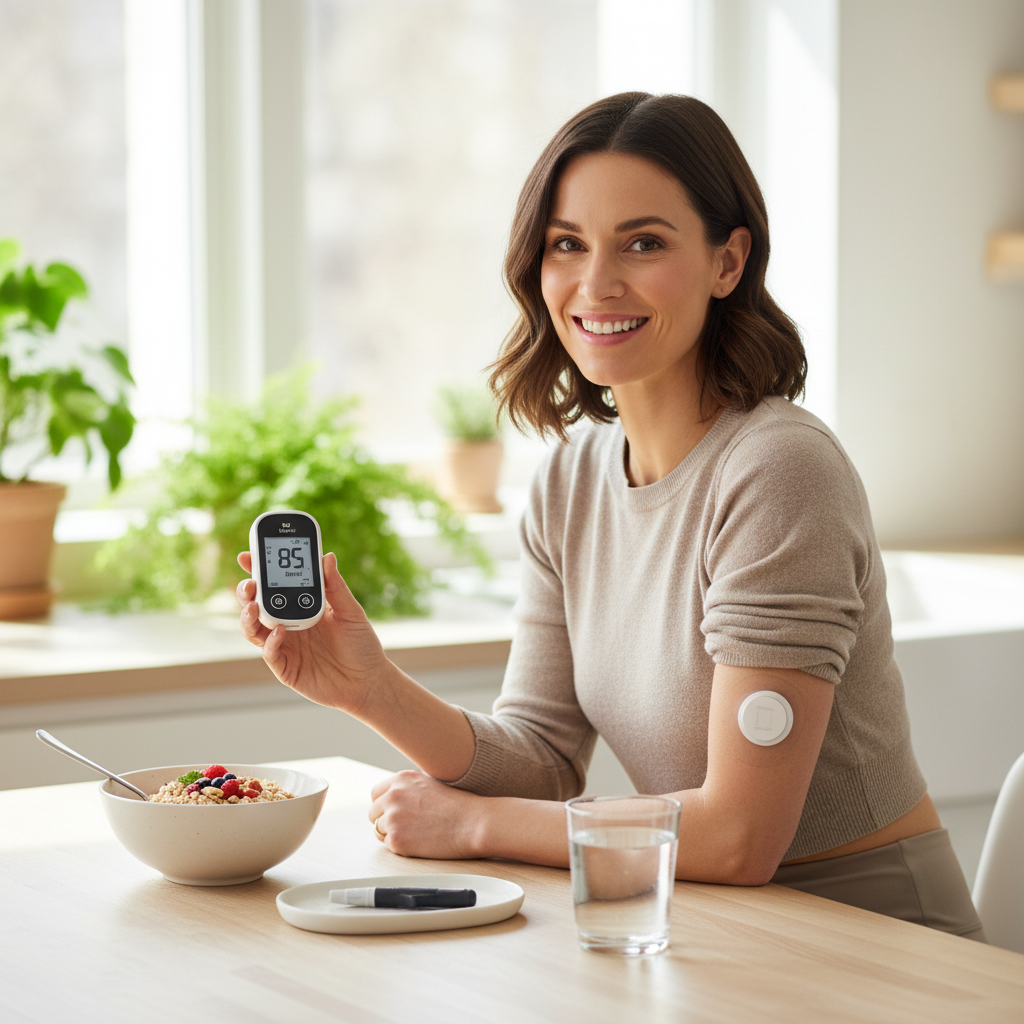

For non-diabetics interested in optimizing their metabolic health, Continuous Glucose Monitors (CGMs) are generally the best choice, offering real-time, continuous insights into how diet, exercise, and lifestyle impact blood sugar levels. While traditional blood glucose meters provide accurate snapshot readings, CGMs offer a comprehensive view of glucose trends, helping individuals identify patterns and make informed decisions for better health outcomes without the need for constant finger pricking.



Why Non-Diabetics Are Monitoring Their Glucose

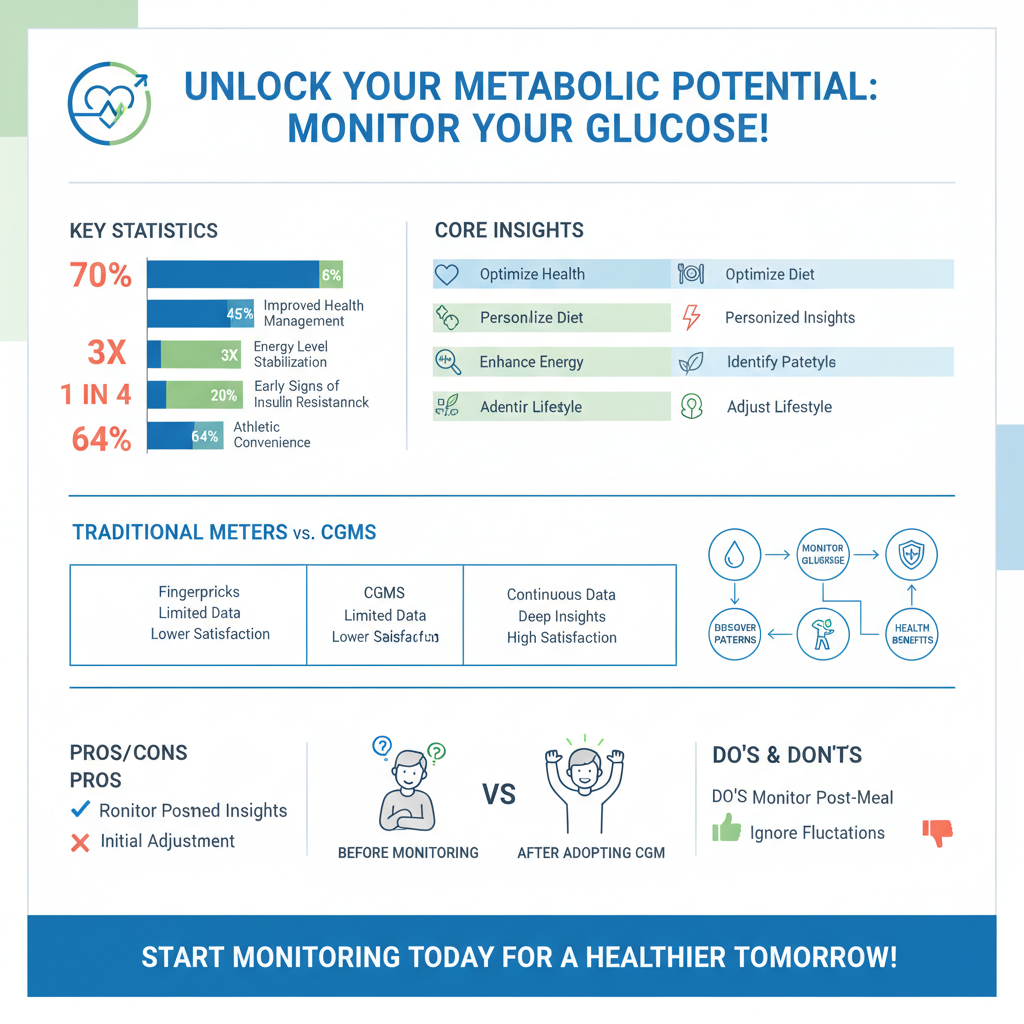
In recent years, monitoring glucose levels has moved beyond just diabetes management and into the realm of proactive health optimization for non-diabetics. It’s about gaining a deeper understanding of one’s unique physiology and making informed choices to live a healthier, more vibrant life.
* Proactive Health Management: Many non-diabetics are turning to glucose monitoring to get ahead of potential health issues. By understanding how their body processes glucose, individuals can identify early signs of metabolic dysfunction, such as insulin resistance or pre-diabetes, long before they develop into full-blown type 2 diabetes. This proactive approach allows for timely dietary and lifestyle interventions, helping to maintain stable blood sugar levels, protect organ health, and significantly reduce the risk of chronic diseases. It’s about optimizing your metabolic fingerprint for long-term well-being and longevity, giving you the power to steer your health in a positive direction.
* Diet and Lifestyle Optimization: General dietary advice often falls short because everyone’s body responds differently to food. Glucose monitoring provides personalized feedback, revealing exactly how specific foods, meal combinations, portion sizes, and even meal timings affect *your* blood sugar. You might discover that while oats are healthy for some, they cause a significant spike for you, or that pairing carbohydrates with healthy fats and proteins can dramatically blunt a glucose rise. This allows for truly personalized dietary adjustments, moving beyond generic guidelines to identify your “personal perfect plate” and build a diet that supports stable energy, improved mood, and optimal metabolic function. It also highlights the impact of other lifestyle factors like sleep, stress, and hydration on glucose regulation.
* Performance and Energy Enhancement: Stable glucose levels are fundamental for sustained energy, mental clarity, and peak physical performance. When blood sugar levels rollercoaster throughout the day, it often leads to energy crashes, brain fog, irritability, and reduced athletic endurance. By monitoring glucose, non-diabetics can identify foods and activities that contribute to these fluctuations and make adjustments to maintain a steady energy supply. Athletes use this data to fine-tune pre- and post-workout nutrition for better performance and recovery, while anyone can benefit from preventing afternoon slumps and improving focus and concentration at work or school. It’s about unlocking consistent energy and mental sharpness to perform at your best, whatever your day holds.
Continuous Glucose Monitors (CGMs): The Comprehensive Choice

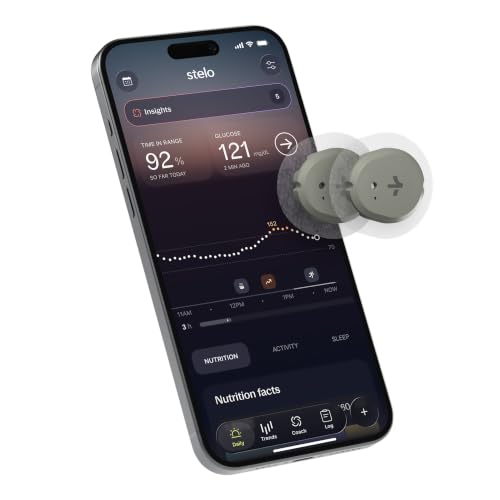
Continuous Glucose Monitors (CGMs) have revolutionized the way non-diabetics can understand their metabolic health, offering a level of insight that traditional methods simply can’t match. They provide a dynamic, holistic view of glucose patterns throughout the day and night.
* Real-Time Data & Trends: Unlike a single snapshot reading from a traditional meter, CGMs provide minute-by-minute glucose readings directly to your smartphone or a dedicated receiver. This continuous stream of data allows you to see not just *what* your glucose level is at any given moment, but *how* it’s trending. You can observe the rise and fall after meals, the impact of stress, the stability during exercise, and even overnight fluctuations like the “dawn phenomenon.” This trend data is incredibly powerful for identifying patterns that might otherwise go unnoticed, such as prolonged elevated levels or unexpected dips, offering a true “movie” of your blood sugar rather than just individual “photos.”
* User-Friendly Experience: CGMs are designed for convenience and discretion. A small sensor, typically worn on the back of the upper arm, is painlessly applied and can stay in place for 10-14 days. This eliminates the need for frequent, uncomfortable finger pricking, making monitoring a seamless part of daily life. Once the sensor is applied, it wirelessly transmits data, allowing you to check your glucose levels with a quick scan or automatically, depending on the model, without interrupting your activities. It’s an incredibly liberating experience that encourages consistent monitoring and deeper learning without the hassle.
* Actionable Insights: The true power of CGMs lies in their ability to provide actionable insights. Most CGM systems come with intuitive apps that not only display your glucose data but also allow you to log food, exercise, sleep, and even stress levels. This integration helps you draw powerful correlations: “Ah, that sugary coffee caused a huge spike!” or “Taking a 20-minute walk after dinner really flattened my glucose curve.” By seeing these direct cause-and-effect relationships, you can make immediate, informed adjustments to your diet and lifestyle. These personalized insights empower you to optimize your health strategies in real-time, leading to sustainable improvements in metabolic health, energy levels, and overall well-being.
Traditional Blood Glucose Meters (BGMs): When They’re Still Useful
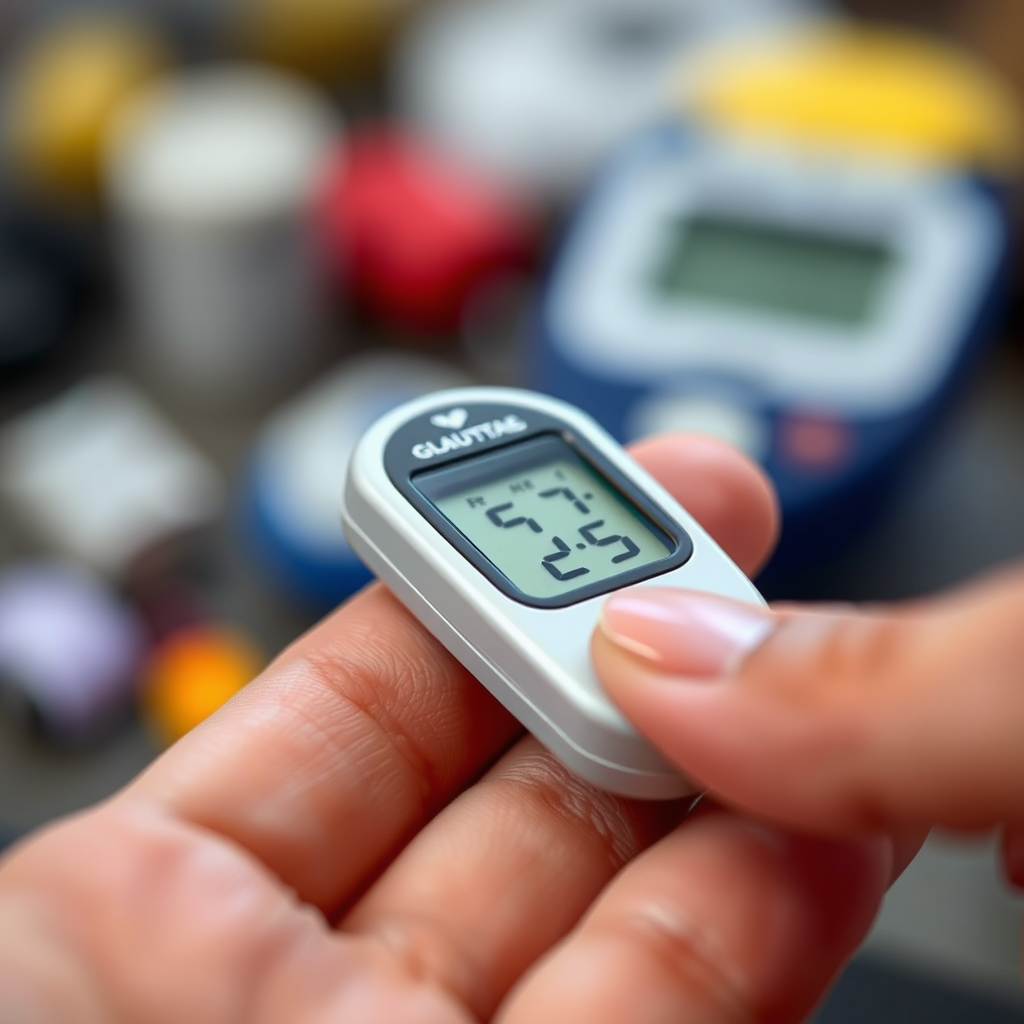
While CGMs offer continuous insights, traditional Blood Glucose Meters (BGMs) still hold significant value, especially for non-diabetics who have different monitoring needs or preferences. They remain a reliable tool for specific situations.
* Accuracy for Spot Checks: Traditional BGMs are incredibly accurate for providing precise, on-the-spot readings at specific moments in time. If you want to know your exact fasting glucose level, or what your blood sugar is precisely 60 minutes after eating a new meal, a BGM delivers that exact number with high fidelity. This makes them excellent for targeted “experiments”—for instance, testing how a particular food affects you without the commitment of continuous monitoring, or to confirm a specific reading from a CGM if there’s ever a question. They are the gold standard for immediate, single-point accuracy.
* Cost-Effective Option: For many non-diabetics, cost is a significant factor. Traditional BGMs generally have a much lower upfront cost for the device itself, and the test strips are considerably more affordable per use compared to CGM sensors. This makes them a highly accessible option for those on a budget or who only require occasional checks. You’re not committing to a continuous subscription or frequent sensor purchases, allowing for a more flexible and economically viable approach to glucose monitoring if your primary goal isn’t constant, real-time tracking.
* Simplicity and Portability: BGMs are typically small, lightweight, and incredibly simple to operate. They don’t require any app integration if you don’t want it, and there’s no sensor to wear on your body for days at a time. This makes them ideal for individuals who prefer a straightforward approach to monitoring, or for those who only need to check their glucose occasionally, perhaps during specific health challenges, when trying new dietary approaches, or just to get a baseline understanding. Their ease of use and portability make them a convenient tool to stash in a bag or keep at home for quick, infrequent measurements without any ongoing commitment.
Key Features to Consider When Choosing a Monitor
Selecting the right glucose monitor involves more than just picking the first device you see. For non-diabetics, it’s about aligning the device’s capabilities with your personal health goals, lifestyle, and budget.
* Accuracy and Reliability: This is paramount for any glucose monitoring device. Regardless of whether you choose a CGM or a traditional BGM, prioritize devices that have clinically validated accuracy and meet strict regulatory standards (like FDA clearance in the US or CE mark in Europe). Look for models with a high level of precision and consistency, as inaccurate readings can lead to misinterpretations and ineffective health decisions. Reliable devices ensure you can trust the data you’re receiving, empowering you to make confident adjustments to your diet and lifestyle. Research user reviews and clinical studies to ensure the device performs as expected in real-world scenarios.
* App Integration and Analytics: For CGMs, and increasingly for BGMs, the accompanying smartphone app is almost as important as the device itself. A good app offers clear, intuitive data visualization, making it easy to understand your glucose trends at a glance. Look for features like customizable dashboards, trend graphs over different time periods (daily, weekly, monthly), and the ability to log meals, exercise, and other lifestyle factors directly within the app. Integration with other health apps (like fitness trackers or food diaries) can provide a holistic view of your health. Advanced analytics, such as identifying patterns in your glucose response to certain foods or activities, can transform raw data into truly actionable insights, helping you pinpoint specific triggers and successes.
* Cost and Accessibility: The financial aspect of glucose monitoring can vary significantly. Consider the initial cost of the device, the ongoing cost of sensors (for CGMs) or test strips and lancets (for BGMs), and any potential subscription fees for premium app features. For non-diabetics, insurance coverage for these devices is often limited or non-existent, so you’ll likely be paying out-of-pocket. Research direct-to-consumer options that don’t require a prescription, as these can make CGMs more accessible. Weigh the desired level of insight against your budget; sometimes, a more affordable BGM might be sufficient for your needs, while other times, the investment in a CGM’s comprehensive data is well worth it for metabolic optimization.
Top Recommended Glucose Monitor Options for Non-Diabetics
With a growing interest in metabolic health, several excellent glucose monitors are available to non-diabetics. Here are some of the top choices, each offering distinct advantages.
* Abbott FreeStyle Libre Series: The FreeStyle Libre series, particularly the Libre 2 and the newer Libre 3, has become a top recommendation for non-diabetics due to its balance of comprehensive data, user-friendliness, and increasing accessibility without a prescription in many regions. The Libre 2 requires a quick scan with your smartphone or reader to get a glucose reading and displays trends, while the Libre 3 offers real-time minute-by-minute glucose readings automatically sent to your phone, similar to Dexcom. Both are discreet, easy to apply, and provide a wealth of data on how diet and lifestyle impact blood sugar over a 14-day period. Their comprehensive reports and intuitive app make them an excellent entry point for understanding metabolic responses without the constant need for finger pricks.
* Dexcom G7: For those seeking the most granular, highly accurate real-time data and advanced features, the Dexcom G7 stands out as a premium choice. It’s known for its exceptional accuracy, shorter warm-up time, and smaller, all-in-one sensor design compared to previous models. The G7 provides continuous glucose readings streamed directly to your smartphone or a dedicated receiver every five minutes, along with customizable alerts for high or low glucose levels. Its robust app features detailed trend analysis, predictive alerts, and excellent data sharing capabilities, making it ideal for individuals who want to dive deep into their metabolic health, fine-tune performance, and catch subtle patterns. While often requiring a prescription and potentially being more expensive, its superior performance and detailed insights are unmatched for dedicated users.
* Accurate Traditional BGMs (e.g., Contour Next One, OneTouch Verio Reflect): If your primary need is for occasional, precise spot checks rather than continuous monitoring, several traditional blood glucose meters offer excellent accuracy and user-friendliness. The Contour Next One is highly regarded for its accuracy, often rivaling lab results, and features a smart light system that indicates if your blood glucose is within, above, or below target range. It also connects to a smartphone app for data logging and insights. The OneTouch Verio Reflect is another strong contender, known for its accuracy and its “Blood Sugar Mentor” feature, which provides personalized guidance and encouragement based on your readings. These BGMs are perfect for non-diabetics who want to test specific foods, check fasting levels, or monitor occasional trends without the financial or continuous commitment of a CGM, providing a reliable and budget-friendly approach to glucose awareness.
Interpreting Your Glucose Data and Next Steps
Once you begin monitoring your glucose, the flood of data can be exciting but also a little overwhelming. The key is to transform this information into actionable insights that genuinely improve your health.
* Understand Healthy Ranges: For non-diabetics, understanding what constitutes optimal glucose levels is fundamental. Generally, you should aim for fasting glucose levels (after an 8-12 hour fast) to be consistently below 100 mg/dL (5.6 mmol/L). Post-meal glucose spikes are normal, but ideally, they should remain below 140 mg/dL (7.8 mmol/L) within one to two hours after eating and return to baseline (below 100 mg/dL) within two to three hours. Minimizing the duration and magnitude of these spikes is crucial for metabolic health. Consistently elevated fasting levels or frequent, significant post-meal spikes can be indicators of insulin resistance or pre-diabetes, signaling a need for intervention. Learning these target ranges provides a benchmark against which you can evaluate your own data.
* Identify Personal Triggers: Your glucose monitor is a powerful personal experiment tool. Use the data to pinpoint exactly which foods, food combinations, portion sizes, or even lifestyle factors cause undesirable glucose responses for *you*. You might discover that white rice causes a larger spike than sweet potatoes, or that adding protein and fat to a piece of fruit significantly blunts its glucose impact. Don’t forget non-food triggers: a stressful meeting, a poor night’s sleep, or even intense exercise can temporarily elevate glucose. By systematically logging your meals, activities, and emotional states alongside your glucose readings, you’ll start to uncover these unique patterns and identify your personal “trigger foods” or habits that negatively impact your blood sugar. This personalized understanding is far more effective than generic dietary advice.
* Consult a Professional: While self-monitoring is incredibly empowering, interpreting complex glucose data and making significant lifestyle changes is best done with professional guidance. A doctor can help rule out underlying medical conditions and provide a medical perspective on your readings. A registered dietitian or certified nutritionist specializing in metabolic health can be invaluable in translating your raw glucose data into a personalized, sustainable nutrition and lifestyle plan. They can help you understand complex interactions, offer evidence-based strategies to stabilize blood sugar, and ensure you’re making safe and effective changes to optimize your metabolic health. Avoid making drastic dietary changes without professional advice, as a balanced and sustainable approach is key to long-term success.
Choosing the right glucose monitor for non-diabetics empowers you with invaluable insights to take control of your metabolic health. Whether you opt for the continuous, data-rich experience of a CGM or the precise, occasional checks of a BGM, the goal is to understand your body better and make informed decisions. Start by considering your lifestyle, budget, and desired level of insight, and don’t hesitate to consult a healthcare professional to integrate these tools effectively into your wellness journey.
Frequently Asked Questions
Why would a non-diabetic want to monitor their glucose levels?
Non-diabetics monitor glucose levels to gain insights into their metabolic health, optimize diet, and understand how food choices and lifestyle factors impact their energy and well-being. This proactive approach helps identify potential issues like insulin resistance or prediabetes early, allowing for timely interventions to maintain stable blood sugar and overall health. Tracking glucose can also inform personalized nutrition strategies, helping individuals discover which foods cause spikes and dips, leading to improved energy levels and better weight management.
What’s the difference between a Continuous Glucose Monitor (CGM) and a standard glucometer for non-diabetics?
A standard glucometer (finger-prick device) provides a snapshot of your blood glucose at a single moment, requiring manual testing several times a day. In contrast, a Continuous Glucose Monitor (CGM) measures glucose levels in the interstitial fluid constantly throughout the day and night, offering real-time data and trend analysis via a small sensor worn on the arm. For non-diabetics, CGMs provide a much more comprehensive view of how diet, exercise, and stress affect glucose fluctuations, revealing patterns that a traditional glucometer might miss and empowering more precise lifestyle adjustments.
Which are the best glucose monitors for non-diabetics looking for ease of use and actionable insights?
For non-diabetics prioritizing ease of use and actionable insights, continuous glucose monitors (CGMs) like the FreeStyle Libre or Dexcom G6 are generally preferred due to their real-time data and trend graphs. These devices eliminate daily finger pricks and often pair with smartphone apps that simplify data interpretation, highlighting glucose spikes and dips triggered by specific foods or activities. When selecting a glucose monitor, look for models with user-friendly interfaces, seamless app integration, and clear graphical representations of your glucose responses to help you make informed dietary and lifestyle decisions.
How can non-diabetics interpret their glucose data to improve their health?
Non-diabetics can interpret glucose data by observing patterns, such as post-meal spikes, nocturnal lows, or overall glucose variability throughout the day. High or prolonged spikes after certain foods indicate a need to adjust carbohydrate intake or food pairings, while consistent stable levels suggest good metabolic control. Utilizing companion apps often helps identify correlations between meals, exercise, and stress with glucose responses, empowering users to make informed decisions about diet and lifestyle. The goal is to identify triggers for undesirable fluctuations and adjust habits to maintain healthier, more stable blood glucose levels for long-term well-being and disease prevention.
Are continuous glucose monitors (CGMs) affordable and accessible for non-diabetics without a prescription?
While CGMs have traditionally required a prescription, their accessibility for non-diabetics is increasing, with some direct-to-consumer health and wellness companies now offering them bundled with coaching and app services. These programs can make CGMs available without a traditional doctor’s prescription for general health optimization. However, affordability remains a consideration, as insurance typically doesn’t cover CGM costs for non-diabetics, meaning out-of-pocket expenses for sensors can range from $70-$150+ per sensor (lasting 10-14 days). It’s important for non-diabetics to research specific programs and their pricing models to find an affordable CGM solution.
References
- https://www.health.harvard.edu/blog/continuous-glucose-monitors-for-people-without-diabetes-202303032899
- https://www.mayoclinic.org/diseases-conditions/diabetes/expert-answers/continuous-glucose-monitor-for-non-diabetics/faq-20516480
- https://www.nytimes.com/2023/07/24/well/live/continuous-glucose-monitor-non-diabetic.html
- https://www.washingtonpost.com/wellness/2024/01/08/continuous-glucose-monitor-non-diabetic/
- https://www.bbc.com/news/health-68310931
- Continuous glucose monitor
- https://www.nature.com/articles/s41591-023-02482-1





Pingback: Best Diabetes Watch: Top Picks, Features, and How to Choose - Best For Diabetics