
For individuals managing diabetes, selecting the right fruits is key to maintaining stable blood sugar levels while still enjoying nature’s candy. The best fruits for diabetics are typically those low in glycemic index (GI), high in fiber, and rich in essential nutrients, as these help regulate glucose absorption and provide sustained energy. Berries, citrus fruits, apples, and pears are excellent choices, offering numerous health benefits without causing significant blood sugar spikes. This guide will help you navigate your fruit choices, ensuring you make delicious and smart decisions for your diabetic diet.




Understanding Fruit’s Role in Diabetes Management
Navigating your diet when you have diabetes can feel like a puzzle, and fruits are a crucial piece. While fruits contain natural sugars, their overall nutritional profile often makes them a wonderful addition to a balanced meal plan. The secret lies in understanding a few key factors that influence how your body processes these natural sugars.
* Glycemic Index (GI):
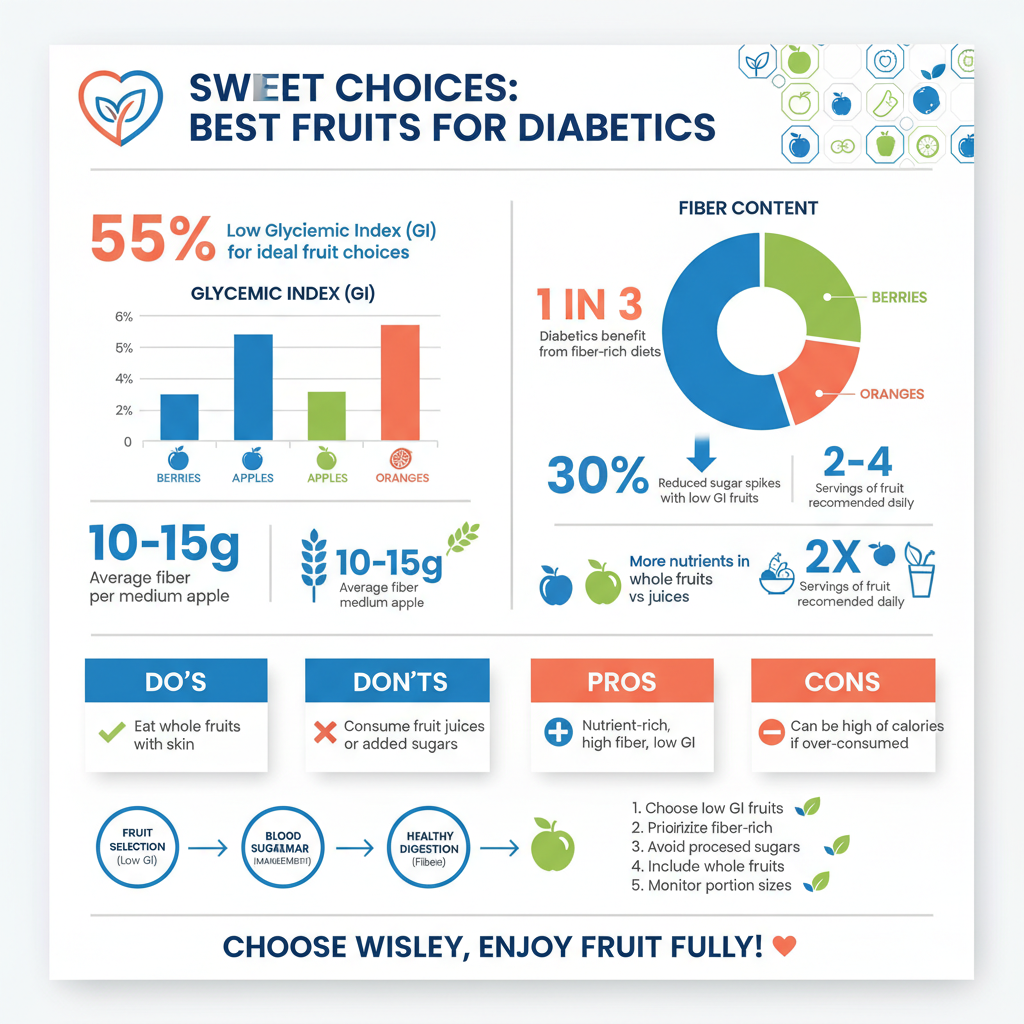
The Glycemic Index (GI) is a helpful tool that ranks carbohydrate-containing foods based on how quickly they raise blood glucose levels after eating. Foods with a low GI (55 or less) cause a slower, more gradual rise in blood sugar, which is ideal for diabetes management. Fruits like berries, apples, and oranges generally have a low GI, making them excellent choices.
Understanding GI allows you to make informed decisions. When a food has a high GI, its carbohydrates are rapidly digested and absorbed, leading to a quick spike in blood sugar. Conversely, low GI foods are digested more slowly, releasing glucose into the bloodstream at a more controlled pace, which is much kinder to your body’s insulin response. Aiming for fruits on the lower end of the GI scale helps keep your blood sugar levels steadier throughout the day.
* Fiber Content is Key:
Fiber is a superstar nutrient, especially for people with diabetes. Fruits are naturally rich in fiber, which plays a critical role in moderating glucose absorption. When you eat fiber-rich fruits, the fiber acts as a natural speed bump, slowing down the digestion and absorption of sugars into your bloodstream. This prevents rapid blood sugar spikes, promoting more stable levels.
There are two types of fiber: soluble and insoluble. Soluble fiber, found in fruits like apples, pears, and citrus, dissolves in water to form a gel-like substance that further slows digestion and can help lower cholesterol. Insoluble fiber, found in the skins of fruits, adds bulk to your stool and supports digestive health. Both are vital, and choosing whole fruits with their skins intact ensures you get the maximum fiber benefit.
* Natural Sugars vs. Added Sugars:
It’s crucial to differentiate between the natural sugars (fructose) found in whole fruits and the processed, added sugars often found in sweetened beverages, desserts, and many packaged foods. While both are sugars, your body processes them very differently. When you eat a whole apple, the fructose comes packaged with fiber, water, vitamins, and minerals. This comprehensive package means the natural sugar is absorbed slowly, minimizing its impact on your blood glucose.
Added sugars, on the other hand, often come without any beneficial nutrients or fiber. They lead to rapid sugar spikes, offer empty calories, and contribute to weight gain and insulin resistance. Therefore, while natural fruit sugars require portion control, they are far superior to added sugars. Always choose whole, fresh fruit over fruit juices or products with added sugars to harness their benefits without the drawbacks.
Top Berry Choices for Stable Blood Sugar

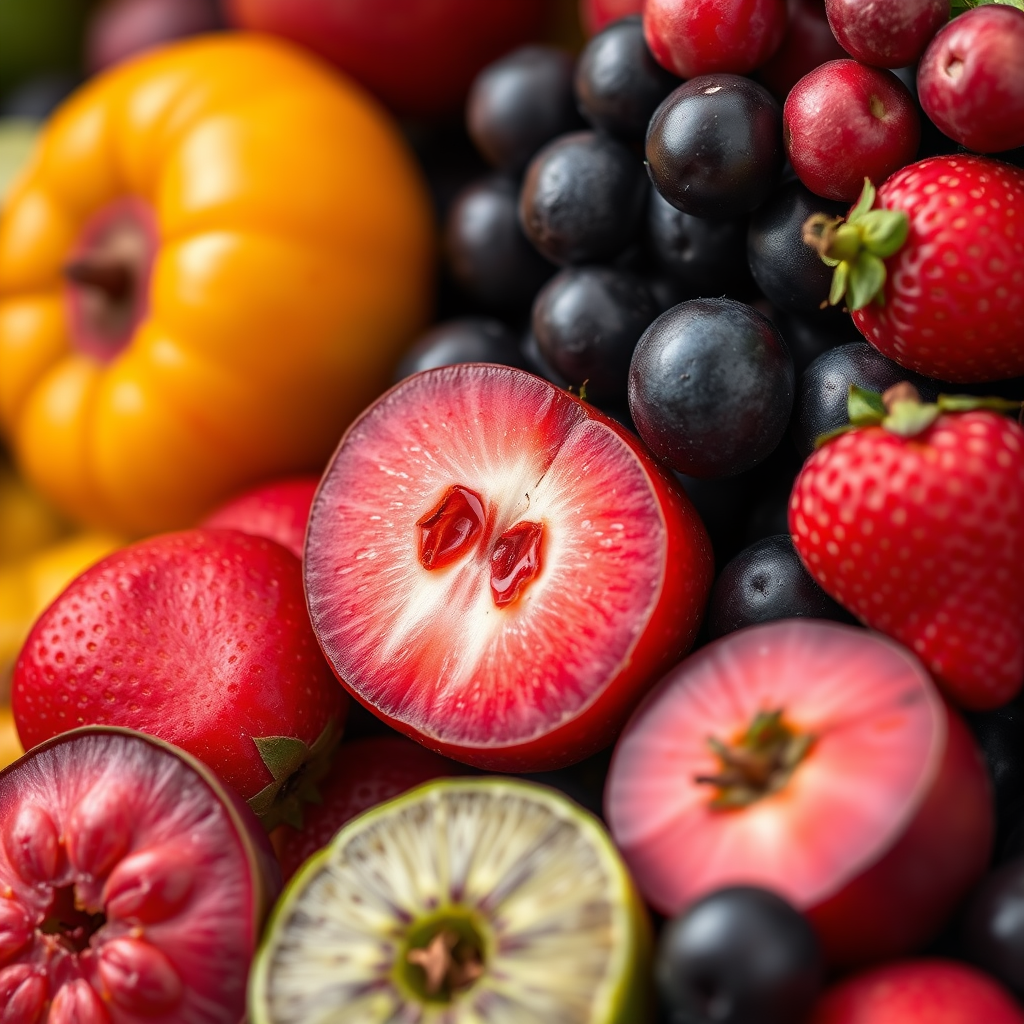
Berries are nature’s tiny powerhouses, packed with flavor, nutrients, and compounds that are particularly beneficial for diabetes management. They are consistently ranked among the best fruits for keeping blood sugar levels stable due to their unique composition.
* Strawberries, Blueberries, Raspberries:
These vibrant berries are true champions when it comes to managing diabetes. Strawberries, blueberries, and raspberries are all notably low on the glycemic index scale, typically ranging from 25 to 49, meaning they cause only a gradual rise in blood sugar. Beyond their favorable GI, they are brimming with antioxidants, particularly anthocyanins, which give them their rich colors. These compounds have powerful anti-inflammatory properties and have been linked to improved insulin sensitivity, helping your body utilize glucose more effectively.
Each berry offers its own unique profile. Blueberries, for instance, are renowned for their high antioxidant content, which can help protect against oxidative stress often associated with diabetes complications. Raspberries stand out with an impressive fiber content, making them incredibly effective at slowing sugar absorption. Strawberries, while equally delicious and nutritious, are an excellent source of Vitamin C and have a naturally low carbohydrate count.
* Fiber-Rich and Nutrient-Dense:
One of the primary reasons berries are so beneficial is their exceptional fiber content. A single cup of raspberries, for example, boasts around 8 grams of fiber, which is a significant portion of your daily recommended intake. This high fiber content is crucial for moderating blood sugar spikes and promoting a feeling of fullness, which can aid in weight management.
Beyond fiber, berries are nutrient goldmines. They are excellent sources of Vitamin C, a powerful antioxidant that supports immune function, and manganese, which plays a role in bone health and metabolism. They also provide Vitamin K, folate, and various phytonutrients that contribute to overall health and help combat the chronic inflammation often seen in individuals with diabetes. Regularly incorporating these nutrient-dense berries can significantly boost your dietary quality.
* Versatile Ways to Enjoy:
The beauty of berries isn’t just their health benefits; it’s also their incredible versatility in the kitchen! There are countless delicious ways to incorporate them into your daily meals. Start your day by stirring a handful of mixed berries into your Greek yogurt or oatmeal for added flavor, fiber, and nutrients. They make a fantastic addition to smoothies, blending seamlessly with spinach or protein powder for a balanced snack or light meal.
Don’t limit berries to breakfast! They can add a refreshing burst of flavor to salads, especially those with darker greens and a light vinaigrette. For a simple and satisfying snack, enjoy them fresh on their own or paired with a small portion of nuts or seeds to further slow sugar absorption. You can also freeze them for later use or blend them into homemade sugar-free sorbets or sauces.
Citrus Fruits: Zesty Benefits for Diabetics
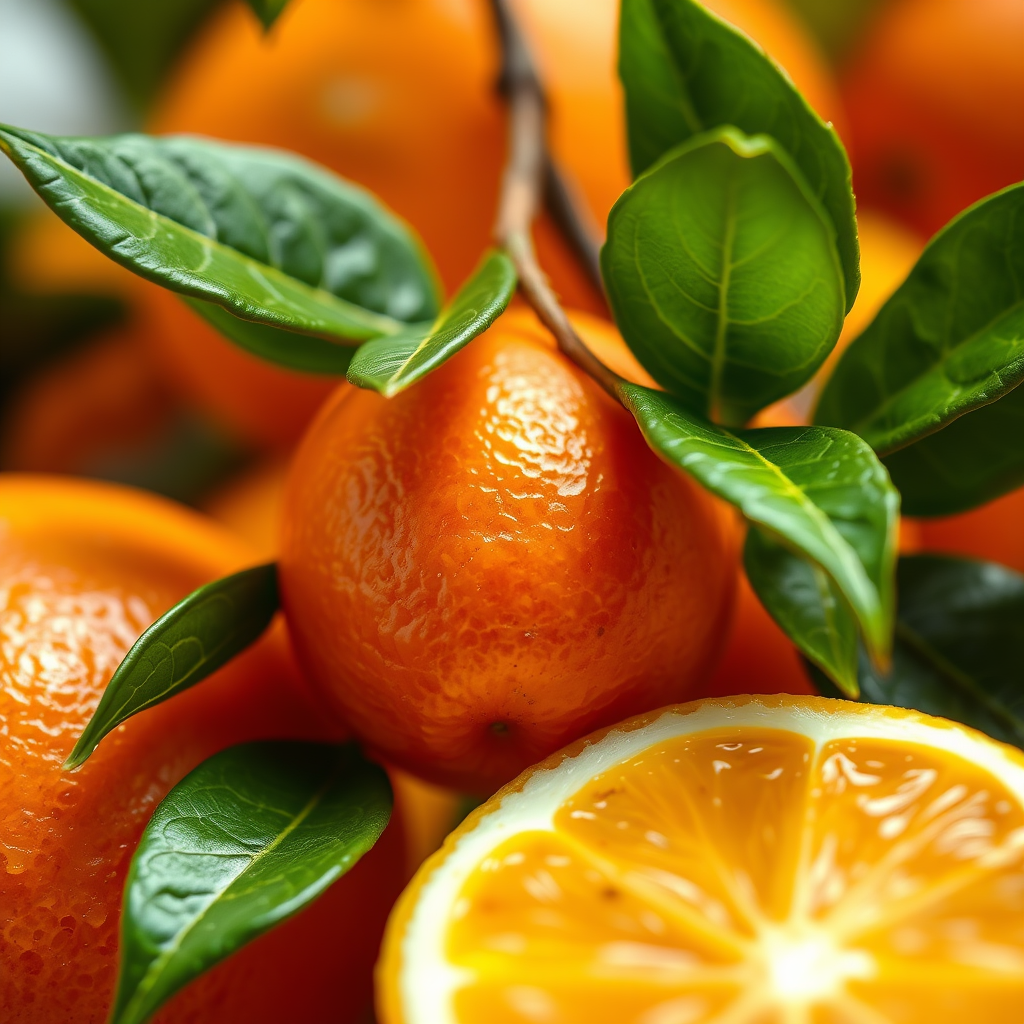
Citrus fruits are renowned for their vibrant flavors and incredible health benefits, making them a fantastic choice for individuals managing diabetes. Their unique nutritional profile provides a zesty boost to your diet without causing concerns about blood sugar stability.
* Oranges, Grapefruits, Lemons:
These classic citrus fruits are excellent sources of Vitamin C, a powerful antioxidant essential for immune function, skin health, and fighting cellular damage. They also boast a low glycemic index, with oranges typically around 43 and grapefruits as low as 25, meaning they have a minimal impact on blood sugar levels. Beyond Vitamin C, citrus fruits provide potassium, which helps regulate blood pressure, and folate, important for cell growth and function.
Grapefruits, in particular, contain naringenin, a flavonoid that research suggests may help improve insulin sensitivity. Lemons and limes, while not typically eaten whole, are superb for adding flavor to water and meals, helping to reduce the need for salt or sugary sauces, thereby supporting overall healthy eating habits. The natural sweetness and tang of these fruits make them a delightful and health-conscious addition to any diabetic meal plan.
* Pulp Over Juice:
This is a critical distinction for anyone managing diabetes. While citrus fruits themselves are fantastic, consuming the whole fruit, including the pulp, is paramount. The pulp and membranes contain all the beneficial fiber that is stripped away when fruit is juiced. This fiber is what helps to slow down the absorption of fructose, the natural sugar in fruit, preventing rapid blood sugar spikes.
Concentrated fruit juices, even those labeled “100% pure” or “no sugar added,” are essentially just liquid sugar without the moderating effects of fiber. They can cause blood sugar to rise quickly and offer little to no satiety, making it easy to consume too many calories and too much sugar. Always opt for eating a whole orange or grapefruit over drinking a glass of juice to maximize the health benefits and maintain stable blood sugar levels.
* Hydration and Antioxidants:
Citrus fruits are incredibly hydrating due to their high water content, which is beneficial for overall health, especially for individuals with diabetes who need to maintain good hydration. Proper hydration supports metabolic functions and helps the kidneys flush out excess sugar.
Moreover, citrus fruits are packed with a wide array of antioxidants, including flavonoids and limonoids, beyond just Vitamin C. These compounds play a vital role in fighting oxidative stress and inflammation, which are often elevated in diabetes and can contribute to complications. Regular consumption of citrus can support cardiovascular health, reduce the risk of chronic diseases, and provide a refreshing, healthful boost to your daily diet.
Apples and Pears: Fiber-Filled Favorites
Apples and pears are beloved fruits for good reason – they’re crunchy, sweet, and incredibly versatile. For individuals managing diabetes, these everyday staples offer significant health advantages, primarily due to their impressive fiber content and moderate glycemic impact.
* High in Pectin Fiber:
Both apples and pears are exceptional sources of pectin, a type of soluble fiber that is a true friend to blood sugar management. When pectin mixes with water in your digestive system, it forms a gel-like substance. This gel slows down the rate at which food moves through your gut, which in turn slows the absorption of glucose into your bloodstream. The result is a more gradual and controlled rise in blood sugar, preventing those unwanted spikes.
Beyond blood sugar control, pectin also has the added benefit of helping to manage cholesterol levels by binding to cholesterol and preventing its absorption. This dual action makes apples and pears particularly valuable for diabetics, who are often at a higher risk of cardiovascular issues. Choosing these fruits regularly can contribute significantly to both glycemic control and heart health.
* “An Apple a Day”:
The old adage, “An apple a day keeps the doctor away,” holds a lot of truth, especially for those focused on managing diabetes. Apples are rich in antioxidants like quercetin and catechins, which help reduce inflammation and protect cells from damage. Pears offer similar benefits, with a slightly grittier texture and a delicate sweetness.
To maximize their health benefits, it’s crucial to eat apples and pears with their skins on. The skin contains a significant portion of the fruit’s fiber and antioxidants. For instance, the skin of an apple contains beneficial compounds that contribute to its overall health impact. While all varieties are good, some find green apples (like Granny Smith) to have a slightly lower sugar content than their red counterparts, offering a slightly tangier option.
* Portion Guidance:
While apples and pears are incredibly healthy and beneficial, like all fruits, they contain natural sugars. Therefore, portion control is still important to prevent excessive sugar intake, even if it’s natural sugar. A typical serving size would be one medium-sized apple or pear. This provides a good amount of fiber and nutrients without overwhelming your system with too much fructose at once.
To further optimize blood sugar control, consider pairing your apple or pear with a source of protein or healthy fat. For example, enjoy apple slices with a tablespoon of peanut butter or a small handful of almonds. This combination helps to further slow down digestion and absorption, leading to an even more stable blood sugar response and increased satiety, helping you feel fuller for longer.
Other Diabetic-Friendly Fruit Options
Beyond the popular choices, there’s a wider world of fruits that can fit beautifully into a diabetic-friendly diet. Some might surprise you, while others offer unique nutritional profiles that support overall health and blood sugar management.
* Avocados: A Unique “Fruit”:
Though often treated as a vegetable in culinary contexts, avocados are botanically a fruit! And what a unique fruit they are for diabetics. Unlike most fruits, avocados are very low in carbohydrates and natural sugars. Instead, they are exceptionally rich in healthy monounsaturated fats. These fats play a crucial role in improving insulin sensitivity, reducing inflammation, and promoting satiety, which can help with weight management – a key aspect of diabetes control.
Avocados also provide a good amount of fiber, along with essential nutrients like potassium and Vitamin K. Despite their higher calorie count compared to other fruits, their ability to stabilize blood sugar and keep you feeling full makes them an excellent addition to a diabetic diet. Enjoy them in salads, as a spread on whole-grain toast, or mashed into a delicious guacamole.
* Kiwi and Cherries:
Kiwi fruit, with its vibrant green flesh and tiny black seeds, is another excellent choice. It’s packed with Vitamin C, Vitamin K, and a good amount of fiber, making it beneficial for immunity and digestion. Kiwis have a relatively low glycemic index (around 50) and contain actinidin, an enzyme that can aid in protein digestion. Their refreshing taste and nutrient density make them a great snack or addition to fruit salads.
Cherries, especially tart cherries, are a fantastic option. Tart cherries have a very low GI (around 22) and are rich in anthocyanins, potent antioxidants that give them their deep red color. These compounds have strong anti-inflammatory properties and may help improve insulin sensitivity. While sweet cherries have a higher GI (around 62), they can still be enjoyed in moderation, keeping portion sizes small. Both types offer valuable nutrients and flavor.
* Tomatoes and Cucumbers:
It might surprise some, but tomatoes and cucumbers are botanically classified as fruits! From a nutritional perspective for diabetics, they are incredibly valuable because they are very low in sugar, carbohydrates, and calories. They are primarily composed of water, making them incredibly hydrating, and they provide beneficial vitamins and minerals like Vitamin C and K.
These “vegetable-fruits” can be enjoyed freely and in large quantities without any concern for blood sugar spikes. They are perfect for salads, sandwiches, or simply as crunchy snacks. Their versatility and excellent nutritional profile make them staples for anyone looking to add volume and nutrients to their diet without impacting glucose levels.
Fruits to Enjoy in Moderation
While most fruits offer fantastic health benefits, some contain higher concentrations of natural sugars and can have a greater impact on blood sugar levels. It’s not about avoiding these fruits entirely, but rather understanding which ones to enjoy in smaller, controlled portions, and how to best incorporate them into your diet.
* High-Glycemic Index Fruits:
Certain fruits, despite being nutritious, have a higher glycemic index (GI) and a greater natural sugar content, which can lead to faster blood sugar spikes. Examples include mango (GI 51-60), pineapple (GI ~59), and watermelon (GI ~76). Ripe bananas (GI ~62) also fall into this category. While these fruits are rich in vitamins, minerals, and antioxidants, their impact on blood glucose means they should be consumed with a watchful eye on portion sizes.
For instance, a small slice of mango or a cup of watermelon can be a delightful treat. The key is to be mindful of how much you’re eating and to consider the overall carbohydrate count of your meal. You might also find that pairing these fruits with protein or healthy fats can help mitigate their blood sugar impact, as discussed below. For bananas, opting for slightly less ripe ones can also help, as ripeness increases their sugar content and GI.
* Dried Fruits and Fruit Juices:
When managing diabetes, it’s generally best to be very cautious with dried fruits and to avoid fruit juices altogether. Dried fruits like raisins, dates, prunes, and dried cranberries are essentially fresh fruits with all their water removed. This process concentrates their natural sugars immensely, making them very high in calories and sugar per serving, and easy to overeat. A small handful of raisins can contain as much sugar as several servings of fresh grapes, without the same feeling of fullness.
Similarly, fruit juices, even “100% natural” ones, are problematic because they strip away all the beneficial fiber. Without fiber, the natural sugars are absorbed very rapidly into the bloodstream, causing a quick and significant blood sugar spike. This effect is similar to drinking a sugary soda. For maximum health benefits and blood sugar control, always choose fresh, whole fruit over its dried or juiced counterparts.
* Pairing for Better Control:
A smart strategy for enjoying fruits that might be higher in sugar is to pair them with protein or healthy fats. This combination can significantly help to slow down the absorption of sugar into your bloodstream, leading to a more gradual and controlled blood sugar response. Protein and fats take longer to digest, which naturally slows gastric emptying and thus, the release of glucose.
For example, if you choose to have a small portion of a higher-GI fruit like pineapple, try eating it alongside a handful of almonds, a scoop of Greek yogurt, or a slice of cheese. The fat and protein from these pairings will act as a buffer, making the overall impact on your blood sugar much gentler. This technique allows you to still enjoy a wider variety of fruits while maintaining better glycemic control.
Making smart fruit choices is a delicious and effective way to manage diabetes, providing essential nutrients, fiber, and natural sweetness without compromising blood sugar stability. Prioritize fruits with a low glycemic index and high fiber content, such as berries, apples, pears, and citrus, while enjoying higher-sugar options in careful moderation. Always remember to consider portion sizes and, most importantly, consult with your healthcare provider or a registered dietitian to create a personalized meal plan that best suits your individual needs and health goals.
Frequently Asked Questions
What are the best fruits for diabetics to help manage blood sugar effectively?
The best fruits for diabetics are generally those with a low glycemic index and high fiber content, as they help prevent rapid blood sugar spikes. Excellent choices include berries (strawberries, blueberries, raspberries), citrus fruits (oranges, grapefruits), apples, and pears. These fruits are packed with essential nutrients and antioxidants, making them beneficial for overall health while supporting stable glucose levels.
How much fruit can a diabetic safely consume in a day without significantly impacting blood sugar?
Portion control is crucial for diabetics when enjoying fruits. A general guideline is to aim for 1-2 servings of fruit per day, with one serving typically being a small apple, a cup of berries, or half a medium-sized banana. It’s always recommended to monitor your individual blood sugar responses after eating different fruits and portion sizes to find what works best for your management plan.
Which specific fruits should diabetics be cautious with due to their higher sugar content or glycemic index?
While all fruits offer nutritional benefits, some have higher natural sugar content and a higher glycemic index, requiring careful moderation for diabetics. Fruits like mangoes, pineapples, very ripe bananas, and dried fruits (e.g., raisins, dates) should be consumed in smaller portions. Pairing these fruits with protein or healthy fats can help slow down sugar absorption and mitigate potential blood sugar spikes.
Why is choosing whole fruits superior to fruit juices or dried fruits for someone with diabetes?
Choosing whole fruits is significantly better for diabetics because they retain all their natural fiber, which is stripped away in fruit juices and concentrated in dried fruits. The fiber in whole fruits slows down the absorption of sugar into the bloodstream, preventing rapid blood sugar spikes. In contrast, fruit juices cause a quick rise in glucose, and dried fruits pack a high sugar load into a small serving.
Are berries particularly beneficial for diabetics, and what makes them such a good choice?
Yes, berries are exceptionally beneficial fruits for diabetics due to their excellent nutritional profile. They have a low glycemic index, are rich in fiber, and are packed with antioxidants, all of which contribute to better blood sugar management. The fiber content helps to slow glucose absorption, while the antioxidants may improve insulin sensitivity and reduce inflammation, making them a top choice for a diabetes-friendly diet.
References
- Best Fruit Choices for Diabetes | ADA
- https://www.mayoclinic.org/diseases-conditions/diabetes/expert-answers/diabetes-and-fruit/faq-20057850
- https://www.health.harvard.edu/diseases-and-conditions/fruit-and-diabetes-is-it-safe-to-eat-fruit
- Healthy Living with Diabetes – NIDDK
- Diet in diabetes
- Diabetes diet: Create your healthy-eating plan – Mayo Clinic
- https://www.cdc.gov/diabetes/managing/eat-well/index.html
- https://www.bbc.com/future/article/20160216-the-truth-about-sugar-in-fruit