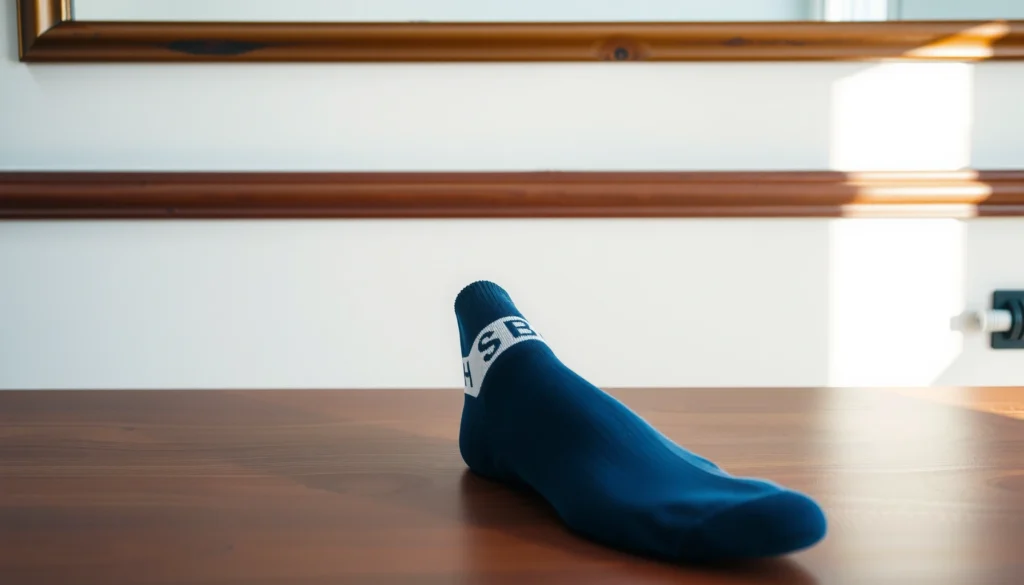

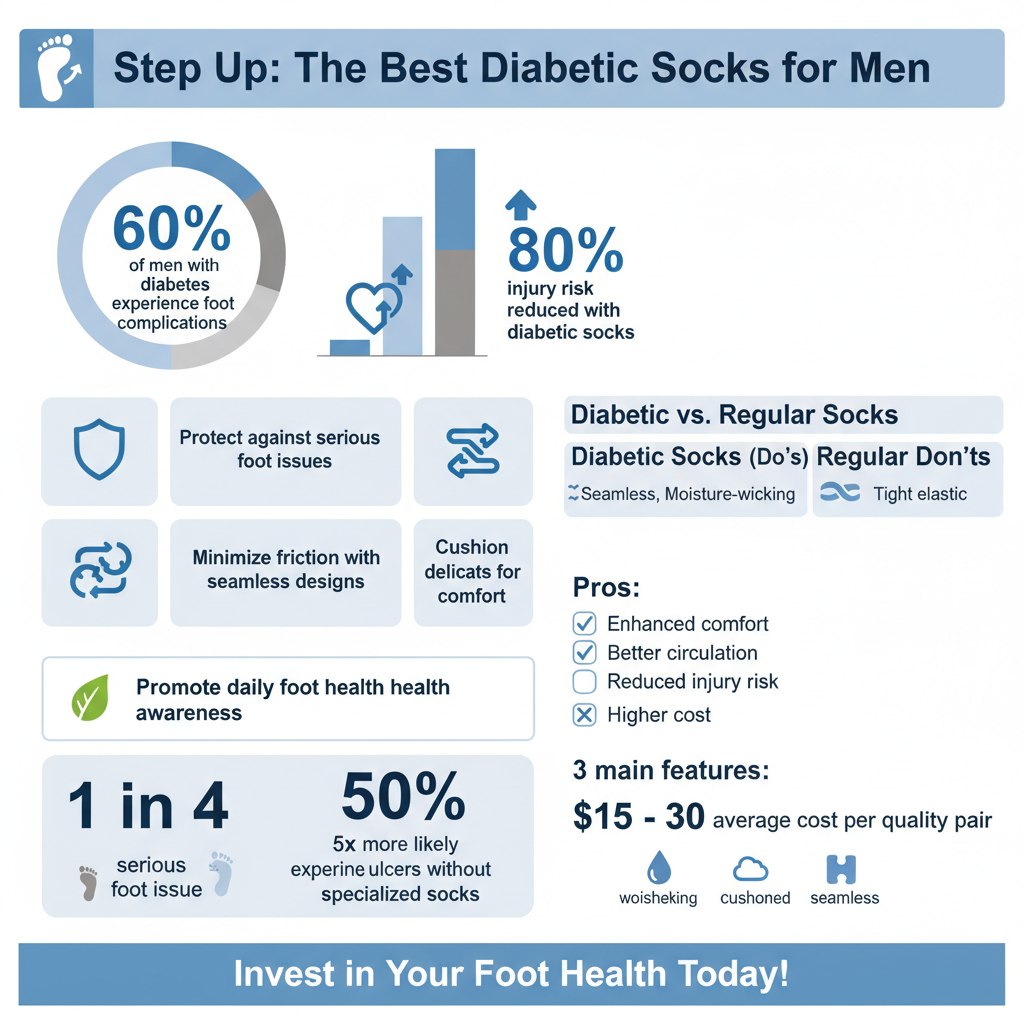
For men managing diabetes, selecting the best diabetic socks is a critical step in maintaining foot health and preventing complications. The best diabetic socks are meticulously designed to avoid constriction, wick away moisture, minimize friction with seamless construction, and provide protective cushioning, all while promoting healthy circulation. This guide will help you navigate the options to find the perfect pair that offers comfort, protection, and peace of mind.

Why Diabetic Socks Are Crucial for Men’s Foot Health

Living with diabetes means paying extra attention to your feet, and for good reason. The health of your feet directly impacts your overall well-being, and neglecting them can lead to serious complications. This is where specialized diabetic socks become an indispensable part of your daily routine. They aren’t just ordinary socks; they are a vital protective barrier specifically engineered to address the unique challenges faced by men with diabetes.
– Protect Against Complications: One of the most significant benefits of diabetic socks is their role in preventing common and often debilitating diabetic foot issues. Conditions like diabetic neuropathy, which can cause nerve damage and reduced sensation, mean you might not feel minor cuts, blisters, or pressure points. Over time, these unnoticed injuries can escalate into serious ulcers, which are difficult to heal and, in severe cases, can lead to infection and even amputation. Diabetic socks are designed to proactively guard against these dangers. By minimizing friction and providing a gentle, protective environment, they significantly reduce the likelihood of skin breakdown, allowing you to go about your day with an added layer of security against a cascade of potential health problems.
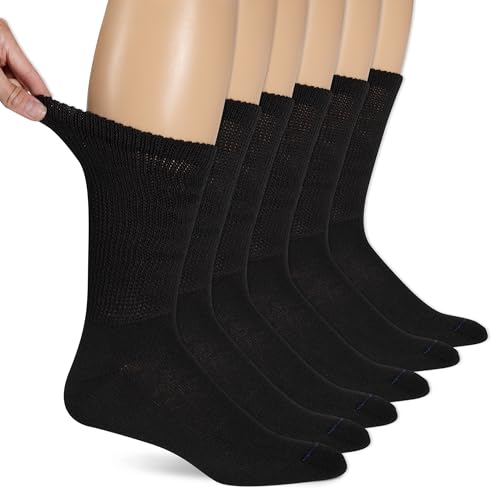
– Promote Blood Flow: Healthy circulation is paramount for everyone, but it’s especially critical for individuals with diabetes, as the condition can impair blood flow, particularly to the lower extremities. Regular socks, with their tight elastic bands, can act like tourniquets, restricting vital blood flow and exacerbating circulatory problems. Diabetic socks, however, feature non-constricting, loose-fitting tops that gently hug your leg without digging in or leaving unsightly, health-compromising marks. This thoughtful design ensures unrestricted blood flow to your feet and lower legs, helping to deliver essential oxygen and nutrients while aiding in waste removal. Improved circulation can also help maintain skin integrity and support the healing process, should a minor issue arise.
– Reduce Risk of Injury: Every man wants to stay active and comfortable, but for those with diabetes, even minor irritations can become major concerns. Standard socks with prominent seams or rough textures can rub against delicate skin, especially in areas prone to pressure like the toes and heels. This constant friction can quickly lead to blisters, calluses, or even open sores – all potential entry points for infection. High-quality diabetic socks are crafted with seamless or flat-seam construction and soft materials, creating a smooth interior that eliminates these friction points. By minimizing irritation and cushioning impact, they significantly reduce the risk of skin breakdown and injury, allowing you to focus on your day rather than worrying about your feet.
Essential Features of High-Quality Diabetic Socks
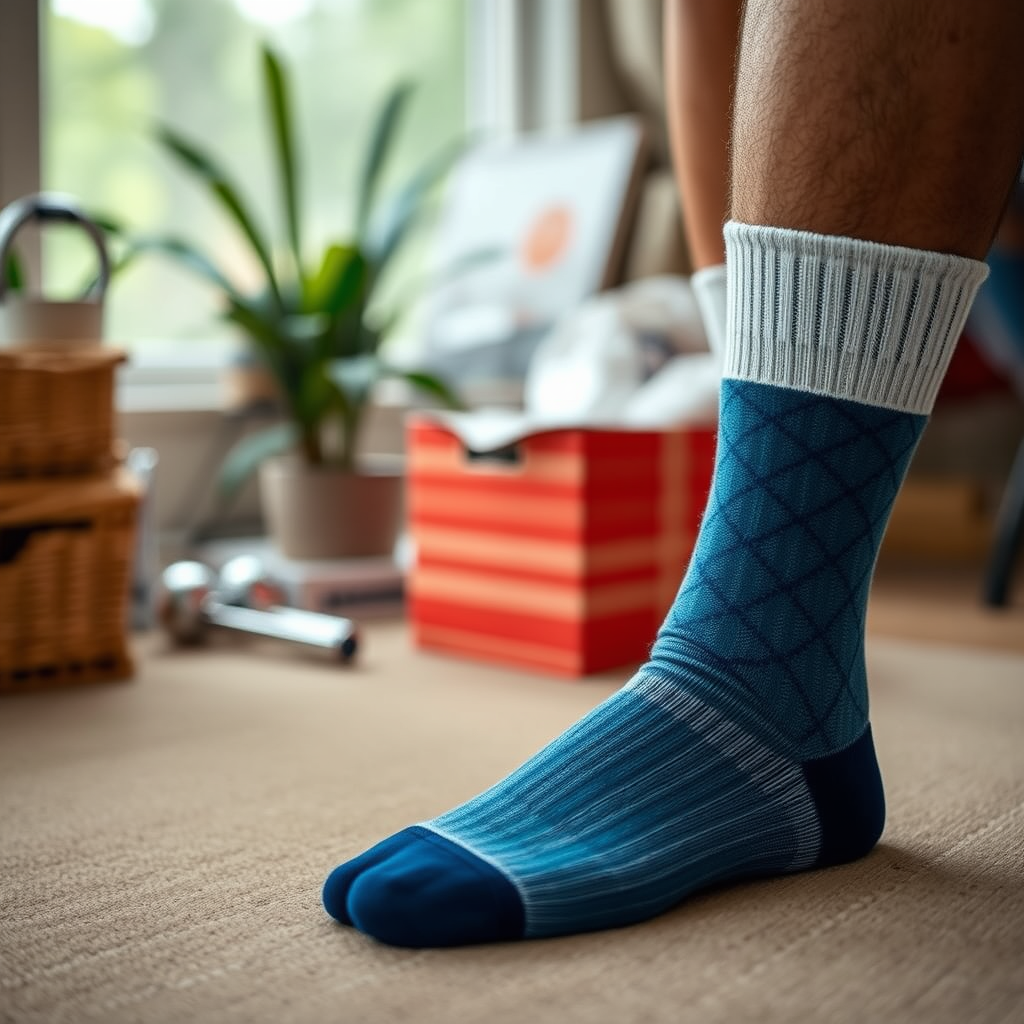
When you’re looking for the best diabetic socks, knowing what key features to prioritize can make all the difference. These aren’t just comfort features; they are functional elements designed to protect and support your foot health daily.
– Non-Binding Tops: This is perhaps the most critical feature of any diabetic sock. Unlike regular socks that use tight elastic to stay up, non-binding tops are designed to stay in place without compressing your calf or ankle. They often feature a relaxed, loose-knit design that gently grips the leg, preventing them from slipping down while crucially ensuring unimpeded blood flow. You should never see deep indentations or red marks on your skin after removing your socks. This feature is vital for preventing the exacerbation of circulatory issues and reducing the risk of swelling or fluid retention in the lower legs, making them ideal for men who spend long hours on their feet or have a history of edema.
– Seamless Construction: For men with sensitive skin, neuropathy, or those prone to blisters, traditional socks with thick, raised seams can be a nightmare. These seams can create pressure points and friction, leading to irritation, rubbing, and potentially painful sores or ulcers. High-quality diabetic socks boast seamless or ultra-flat seam construction, particularly in the toe area. This smooth interior finish eliminates any ridges or bumps that could cause chafing, providing a uniform, comfortable surface against your skin. This meticulous design detail significantly reduces the risk of skin breakdown, offering superior comfort and protection against common foot injuries.
– Moisture-Wicking Materials: Keeping your feet dry is paramount for preventing a host of fungal and bacterial infections, which can be particularly dangerous for individuals with diabetes due to slower healing times and compromised immune systems. High-quality diabetic socks are made from advanced moisture-wicking materials like specialized synthetic blends, bamboo, or merino wool. These fabrics are engineered to draw sweat away from the skin, moving it to the outer surface of the sock where it can evaporate quickly. This process helps to regulate foot temperature, prevents the clammy feeling associated with trapped moisture, and creates an environment less conducive to the growth of harmful microorganisms, thereby keeping your feet healthy and fresh throughout the day.
Top Contenders: Types of Diabetic Socks for Various Needs
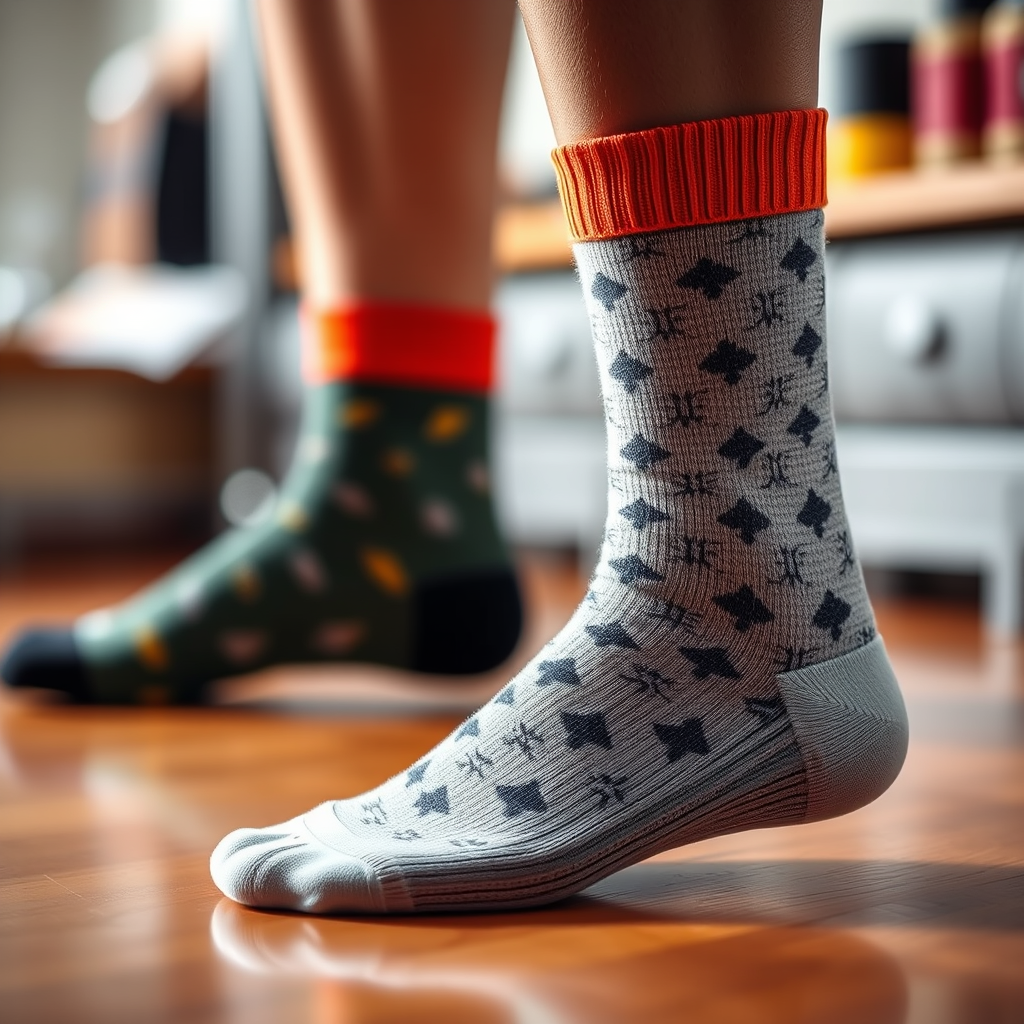
Just like you wouldn’t wear hiking boots to a formal dinner, different situations call for different types of diabetic socks. Manufacturers have developed specific styles to meet the diverse needs of men, ensuring that you can find the perfect pair for any occasion without compromising your foot health.
– Everyday Comfort Socks: These are your go-to socks for daily wear, designed to provide consistent protection and comfort from morning till night. Everyday diabetic socks typically feature a balanced level of cushioning, offering ample support without feeling bulky. They prioritize breathability, often using lighter blends of bamboo or cotton to keep your feet comfortable in various climates. Their design is usually simple and understated, making them versatile enough to wear with casual shoes, work attire, or just for lounging around the house. They are the workhorses of your sock drawer, focused on consistent foot health support for regular activities.
– Athletic Diabetic Socks: For the active man, athletic diabetic socks are specifically engineered to provide enhanced support and protection during physical activities. Whether you’re hitting the gym, going for a brisk walk, or enjoying a round of golf, these socks are up to the task. They often incorporate targeted arch support to reduce foot fatigue, extra padding in high-impact areas like the heel and ball of the foot for shock absorption, and superior moisture management properties to handle increased sweat. Many athletic diabetic socks feature strategic ventilation zones to promote airflow, keeping your feet cooler and drier during intense workouts. They are built for durability and performance, allowing you to stay active with confidence and comfort.
– Dress Diabetic Socks: There’s no need to sacrifice style for foot health when it comes to formal occasions or professional settings. Dress diabetic socks are designed to be thinner and more refined than their everyday or athletic counterparts, allowing them to fit comfortably into dress shoes. Despite their sleek appearance, they retain all the essential protective features: non-binding tops, seamless construction, and moisture-wicking materials. They come in a range of sophisticated colors and subtle patterns, ensuring you look sharp while still providing your feet with the crucial care they need. These socks prove that you can be both well-dressed and well-protected, making them an indispensable part of any man’s wardrobe.
Choosing the Right Material and Fit
The effectiveness of your diabetic socks hinges significantly on the materials they’re made from and how well they fit your feet. These two factors are paramount for maximizing comfort, protection, and overall foot health.
– Material Matters: The fabric composition of your socks plays a huge role in moisture control, breathability, and feel.
– Bamboo: Known for its incredible softness, bamboo fiber is naturally breathable, hypoallergenic, and possesses excellent moisture-wicking properties. It also has natural antibacterial qualities, which can help keep foot odor at bay. Bamboo socks feel luxurious against the skin and are a top choice for overall comfort and hygiene.
– Merino Wool: Don’t let the word “wool” scare you! Merino wool is distinct from traditional wool; it’s incredibly fine, soft, and non-itchy. It’s an exceptional temperature regulator, keeping feet warm in winter and cool in summer. Its superior moisture-wicking ability means it can absorb a significant amount of moisture without feeling wet, and it’s naturally odor-resistant.
– Cotton: While cotton is breathable, 100% cotton is generally not recommended for diabetic socks because it retains moisture, which can lead to fungal infections. However, cotton blends (with synthetics or wool) can offer a good balance of softness and improved wicking.
– Specialized Synthetic Fibers: Materials like Coolmax, polyester, or polypropylene are engineered for superior moisture-wicking and quick-drying capabilities. They are often blended with natural fibers to create a sock that offers the best of both worlds: durability, excellent moisture control, and comfort. Always look for blends designed for breathability and moisture management.
– Proper Sizing: An ill-fitting sock can negate all the benefits of a diabetic sock. Socks that are too tight will constrict blood flow, leaving marks and potentially causing swelling – exactly what diabetic socks are designed to prevent. Conversely, socks that are too loose can bunch up, creating friction points that lead to blisters, especially in the heel and toe areas.
– Measure Your Feet: Always refer to the manufacturer’s sizing chart. Don’t guess your size.
– Snug but Not Tight: The sock should fit snugly around your foot and ankle without any bagging or excessive stretching. The heel cup should align perfectly with your heel, and there should be ample room in the toe box for your toes to wiggle freely without feeling cramped.
– No Bunching or Wrinkles: Ensure the sock lies flat against your skin without any wrinkles or folds, as these can create pressure points. If you experience bunching, your socks might be too large.
– Padding and Cushioning: Strategically placed padding can offer an extra layer of protection and comfort, particularly for men who spend a lot of time on their feet or have areas prone to pressure. Padding is often found in the sole, heel, and ball of the foot to absorb shock and distribute pressure more evenly. This can significantly reduce the risk of calluses, corns, and ulcers by minimizing the impact and friction experienced during walking and standing. Some socks also feature light compression in the arch for additional support, which can help reduce foot fatigue throughout the day.
Caring for Your Diabetic Socks
To ensure your diabetic socks continue to provide optimal protection and comfort, proper care is essential. Following a few simple washing and drying guidelines will help preserve their integrity, elasticity, and critical performance features.
– Gentle Washing: Diabetic socks, particularly those made with advanced moisture-wicking fibers or delicate natural materials like bamboo and merino wool, benefit greatly from a gentle washing routine. Always turn your socks inside out before washing; this protects the outer fibers and helps keep the interior smooth against your skin. Use cold or lukewarm water, never hot, as high temperatures can damage elastic fibers and shrink fabrics. Opt for a gentle cycle on your washing machine and use a mild, non-bleach detergent. Harsh chemicals and fabric softeners can break down the specialized fibers designed for moisture-wicking and often leave residues that can reduce the sock’s breathability and effectiveness.
– Air Drying Preferred: The dryer, while convenient, can be the arch-nemesis of your diabetic socks. High heat from conventional dryers can cause significant shrinkage, distort the shape of the sock, and, most importantly, degrade the elastic and moisture-wicking properties of the materials. Over time, this can lead to a loss of the non-binding top’s effectiveness and compromise the overall protective features. The best practice is to lay your socks flat on a clean surface or hang them to air dry. This method preserves their shape, elasticity, and fabric integrity, ensuring they continue to fit properly and perform their crucial functions for a longer period. If machine drying is absolutely necessary, use the lowest heat setting or an air-fluff cycle, but air drying remains the gold standard.
– Regular Inspection: Your diabetic socks are your first line of defense for your feet, so it’s vital to ensure they are always in optimal condition. Make it a habit to regularly inspect your socks for any signs of wear and tear. Look for thinning spots, holes, stretched-out elastic in the cuffs, or any loss of cushioning. Even small holes or worn areas can create friction points or allow irritants to reach your skin, diminishing their protective capabilities. If you notice any significant wear, or if the socks no longer offer the snug, non-binding fit they once did, it’s time to replace them promptly. Regularly replacing worn-out socks is a small investment that ensures continued, comprehensive protection for your sensitive feet.
Investing in the right pair of diabetic socks is a small yet significant step towards safeguarding your foot health. By prioritizing features like non-binding tops, seamless construction, and moisture-wicking materials, you can significantly reduce the risk of irritation, infections, and other complications. Remember to consult with your healthcare provider for personalized recommendations, and choose socks that offer both comfort and comprehensive protection for your feet.
Frequently Asked Questions
Why are diabetic socks essential for men with diabetes?
Diabetic socks are crucial for men with diabetes because they are specifically designed to protect sensitive feet and promote healthy blood circulation. Unlike regular socks, they help prevent common foot complications such as nerve damage (neuropathy), skin irritation, and even ulcers by reducing friction and compression. Wearing the right diabetic socks provides an extra layer of defense against potential issues, supporting overall foot health and comfort.
What specific features should men look for in the best diabetic socks?
When choosing the best diabetic socks for men, prioritize features like a non-binding top that won’t constrict circulation, which is crucial for individuals with diabetes. Look for seamless toe designs to prevent rubbing and blisters, along with extra padding in the heel and ball of the foot for cushioning. Opt for moisture-wicking materials to keep feet dry and reduce the risk of fungal infections, ensuring optimal foot health.
How do diabetic socks help prevent foot complications like neuropathy and ulcers in men?
Diabetic socks play a vital role in preventing complications like neuropathy and ulcers by minimizing friction and providing protective cushioning for sensitive feet. Their non-restrictive design ensures proper blood flow, which is essential for healing and nerve health, while moisture-wicking fabrics keep feet dry, deterring bacterial and fungal growth. This comprehensive protection helps reduce the risk of skin breakdown and infection, common precursors to ulcers in men with diabetes.
Which materials are recommended for men’s diabetic socks to ensure comfort and foot health?
For optimal comfort and foot health in men’s diabetic socks, materials like bamboo, merino wool, and specialized moisture-wicking synthetic blends (such as acrylic or polyester) are highly recommended. Bamboo and merino wool naturally offer excellent breathability, temperature regulation, and antimicrobial properties. These materials effectively wick away sweat, keeping feet dry and comfortable, which is crucial for preventing skin irritation and infections for men with diabetes.
Are compression socks suitable for all men with diabetes, or should I stick to non-binding diabetic socks?
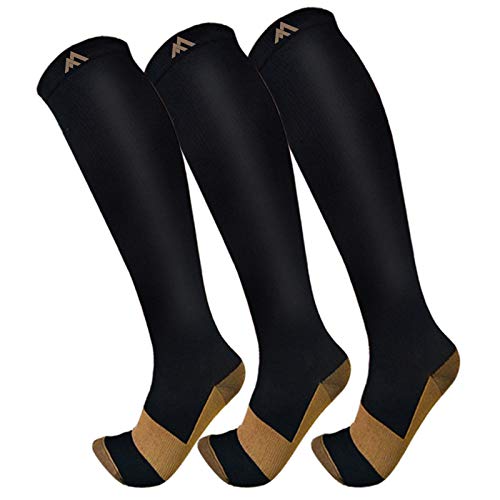
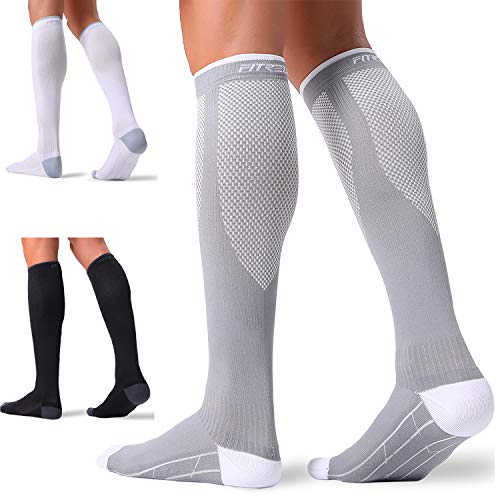
While both are specialized, compression socks are not suitable for all men with diabetes and differ significantly from non-binding diabetic socks. Diabetic socks focus on non-constrictive comfort, seamless design, and moisture control without applying pressure. Compression socks, conversely, apply graduated pressure to improve circulation for specific conditions like swelling or varicose veins, but can be harmful if not prescribed by a doctor, especially for those with peripheral artery disease. Always consult a healthcare professional before using compression socks if you have diabetes.
References
- https://en.wikipedia.org/wiki/Diabetic_sock
- https://www.cdc.gov/diabetes/managing/complications-foot-care.html
- Diabetes & Foot Problems – NIDDK
- Foot Complications | ADA
- https://www.apma.org/patients/foothealth.cfm?ItemNumber=979
- https://www.mayoclinic.org/diseases-conditions/diabetes/in-depth/diabetes-foot-care/art-20045330
- https://www.uofmhealth.org/health-library/hw201502
- https://www.ucsfhealth.org/education/diabetes-foot-care





Pingback: Best Walking Shoes for Diabetes: Your Essential Guide - Best For Diabetics